Quick Answer
Choose replacement wheels that match your carrier model and weight, and decide between fixed and pivoting wheels with brakes based on how you travel.
Why Wheel Type Matters
The type of wheels you choose affects how easy it is to move your pet carrier. Fixed wheels are simple and stable, but they only allow straight-line movement. Pivoting wheels give you better maneuverability, letting you turn corners and navigate tight spaces like doorways or airport aisles. If you often travel through crowded areas, pivoting wheels are a practical upgrade.
Brakes are another key feature. They keep the carrier stationary when you stop, which is especially useful on slopes or when loading the carrier into a car. Not all wheel kits include brakes, so check the product details before you buy.
Compatibility: The Most Common Mistake
Wheel kits are not universal. They are designed to fit specific carrier models or ranges. Buying wheels that don't match your carrier can lead to a frustrating installation or an unsafe fit. Always check the manufacturer's compatibility list before purchasing. For example, some kits are made for the Clipper range, while others fit the Atlas series. This is not a one-size-fits-all accessory.
If you are unsure whether a wheel kit fits your carrier, look for the model name or number on your carrier and compare it with the kit's description. If the information is not clear, contact the seller or manufacturer for confirmation.
Installation and Ease of Use
Some wheel kits are designed for quick installation, with special fastening systems that let you attach them in moments. Others may require more time and tools. Consider how often you plan to attach and remove the wheels. If you only use them occasionally, a simple and quick system is worth prioritizing.
Also think about the weight of your carrier and pet. Heavier loads require sturdier wheels. A kit with four wheels, including two pivoting ones, can make a heavy carrier much easier to manage compared to a two-wheel option.
Decision Rules for Choosing Replacement Wheels
- Check Carrier Compatibility: Verify that the wheel kit is designed for your specific carrier model or range. Look for the model name or number on your carrier and match it with the kit's description. If you can't find a matching kit, contact the manufacturer before buying.
- Choose Wheel Type Based on Maneuverability Needs: If you travel through tight spaces or need to turn often, choose a kit with pivoting wheels. If you mostly move in straight lines, fixed wheels are sufficient. For maximum flexibility, consider a kit that includes both fixed and pivoting wheels.
- Decide on Brakes: If you need to keep the carrier stationary on slopes or while loading, select a kit with brakes. Brakes are especially useful for larger carriers that are harder to hold in place. Check that the brakes are easy to engage and release, especially if you have limited hand strength.
Product Facts
-
Kit wheels CLIPPER 1-3: The Kit wheels CLIPPER 1-3 fits Ferplast Clipper 1, 2, and 3 carriers and is designed for small dogs or cats. If you have a small carrier in the Clipper range, this kit offers an easy way to add mobility without needing a larger carrier.
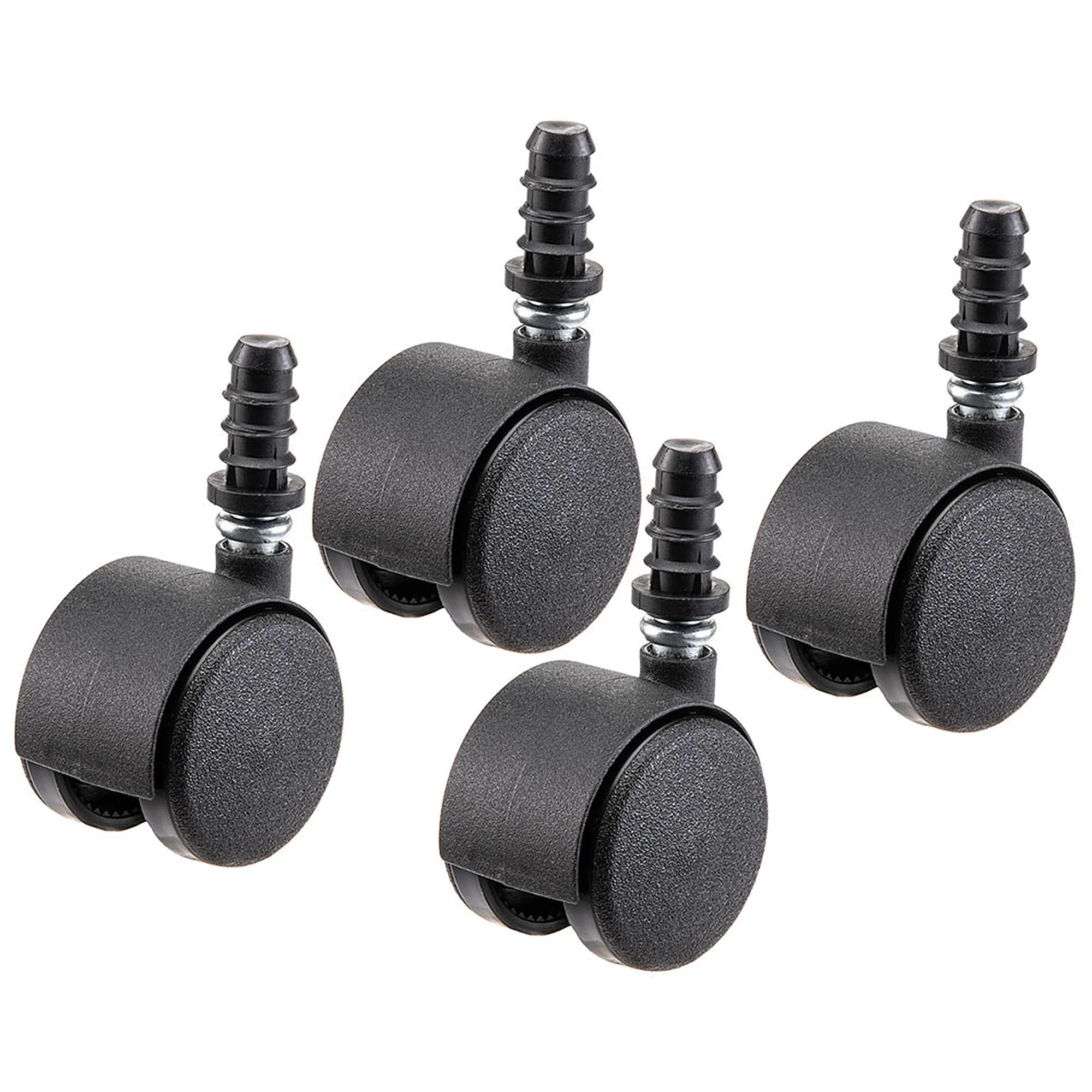
Kit wheels CLIPPER 1-3
-
L388B KIT 4 WHEELS: The L388B KIT 4 WHEELS is designed for Atlas 50 and 60 dog carriers and includes two fixed wheels and two pivoting wheels with brake. The pivoting wheels with brake give you better control and stability, making it easier to maneuver and park your carrier safely.
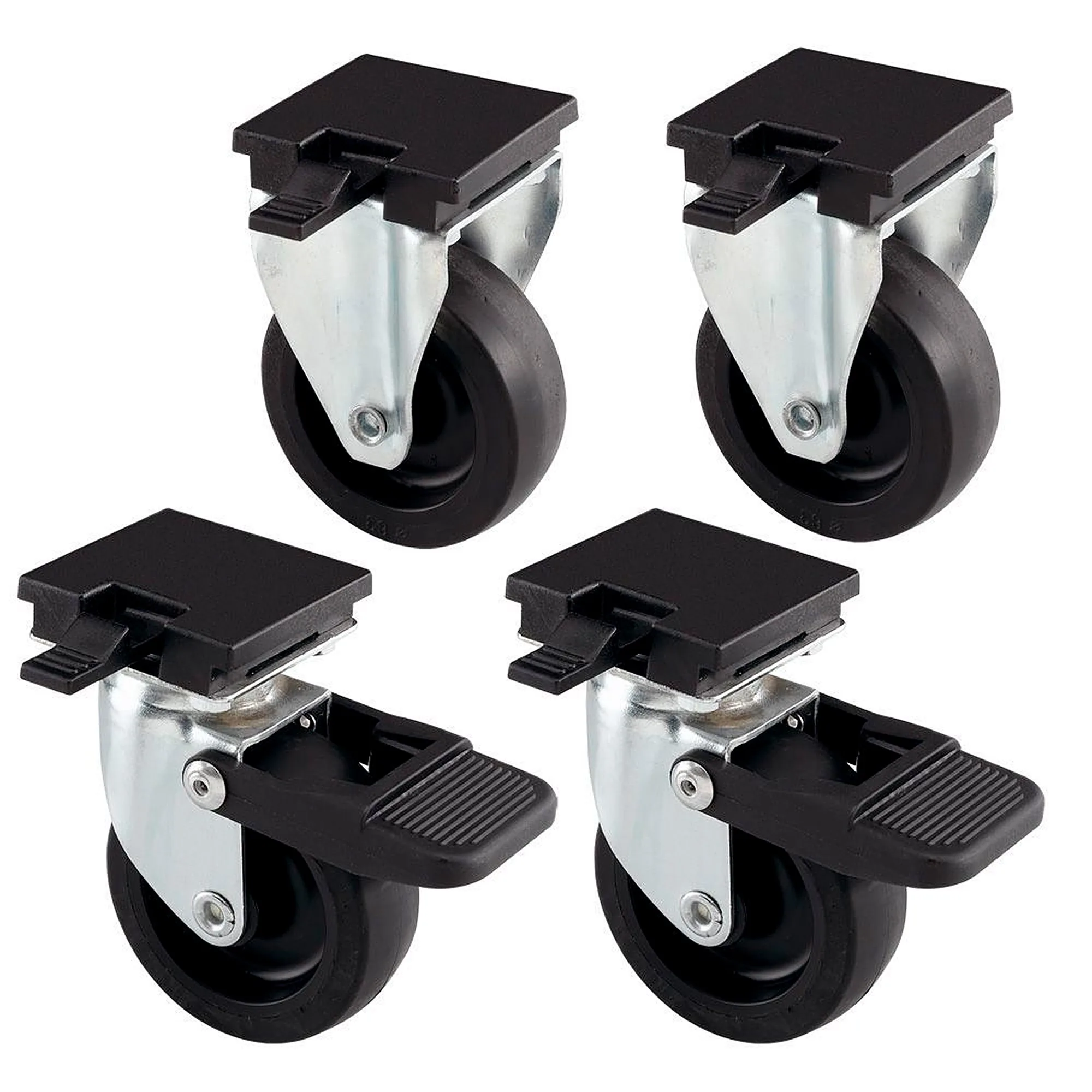
L388B KIT 4 WHEELS
Fit Guidance
Best For
- Pet owners with carriers in the Clipper or Atlas range looking for an easy mobility upgrade
- Travelers who need to maneuver their carrier through airports, train stations, or narrow hallways
Not For
- Pet owners with carriers not listed in the wheel kit's compatibility list
- Those who prefer a two-wheel trolley style over a four-wheel system