Quick answer
Start with a Paterson Universal Developing Tank if you process 35mm or 120 film at home. It offers easy loading, fast filling, and reliable inversion agitation. Choose a tank that matches the film sizes you shoot most often, and consider a two-reel model if you develop multiple rolls per session.
What to Look for in a Developing Tank
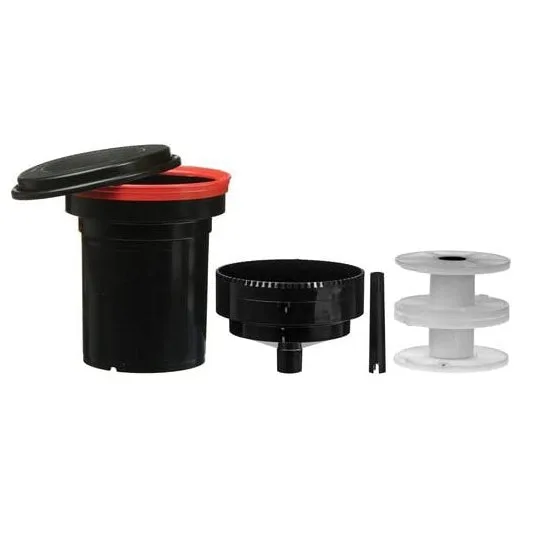
A good developing tank should load smoothly, seal tightly, and allow quick chemical changes. The Paterson Universal Developing Tank uses a one-piece lid and funnel that clips into place, so you can fill and empty the tank rapidly without spills. This design also makes cleaning easier after each session.
Tank size matters more than you might think. A single-reel tank is compact and uses less chemistry, but a two-reel tank lets you develop two rolls at once, saving time and keeping your workflow consistent. If you shoot both 35mm and 120 film, a tank that accepts multiple reel sizes gives you more flexibility.
Reel Size and Film Format Compatibility
Film reels are not universal. Some tanks only accept 35mm reels, while others handle 35mm and 120/220. The Paterson tank comes with one auto-load reel that works for 35mm, 120, and 220 formats, so you can switch between film types without buying extra reels. If you shoot medium format, this is a practical advantage.
Auto-load reels are easier to use than traditional reels, especially in the dark. The Paterson system is known for its simple ratchet mechanism that guides the film onto the reel without kinking or jamming. This reduces frustration during loading, which is critical when you are working blind in a changing bag.
Agitation and Leak Prevention
Consistent agitation is key to even development. The Paterson tank includes a water-tight EVA cap that prevents leakage during inversion agitation. This lets you invert the tank confidently without worrying about chemical spills or air bubbles that could ruin your negatives.
Some tanks require a separate agitation rod or rotary system. Inversion is generally more reliable and easier to control. If you prefer a hands-free approach, look for a tank that works with a rotary processor, but for most home users, a simple inversion tank is the best starting point.
Decision Rules for Choosing a Developing Tank
- Match tank capacity to your volume: If you develop one roll at a time, a single-reel tank is enough. If you often develop two rolls in one session, choose a two-reel tank to save time and chemistry. Two-reel tanks are more efficient for regular processing.
- Check reel compatibility: Make sure the tank supports the film formats you use. A tank with an auto-load reel that handles 35mm, 120, and 220 gives you the most flexibility. A multi-format reel eliminates the need for extra purchases.
- Prioritize leak-proof design: Inversion agitation is the standard method for even development. A tank with a water-tight cap prevents spills and ensures consistent results. Leak-proof caps are essential for reliable inversion agitation.
- Consider cleaning and maintenance: Tanks with fewer parts and smooth surfaces are easier to clean. The Paterson one-piece lid and funnel design reduces chemical residue buildup. Easy cleaning extends the life of your tank and prevents contamination.
Key Product Details
- Paterson Universal Developing Tank and 2 Reels: The Super System 4 is simpler to load, faster to fill and easier to clean than any other tank. It has a large diameter one piece lid and funnel which clips into place positively and securely, enabling the tank to be filled and emptied quickly. Supplied complete with one 35mm/120/220 Auto Load Reel; Water-tight EVA cap prevents leakage during inversion agitation. This tank works with 35mm, 120, and 220 film right out of the box, so you don't need to buy separate reels. The one-piece lid and EVA cap make chemical changes fast and mess-free, which is especially helpful when you are developing multiple rolls.
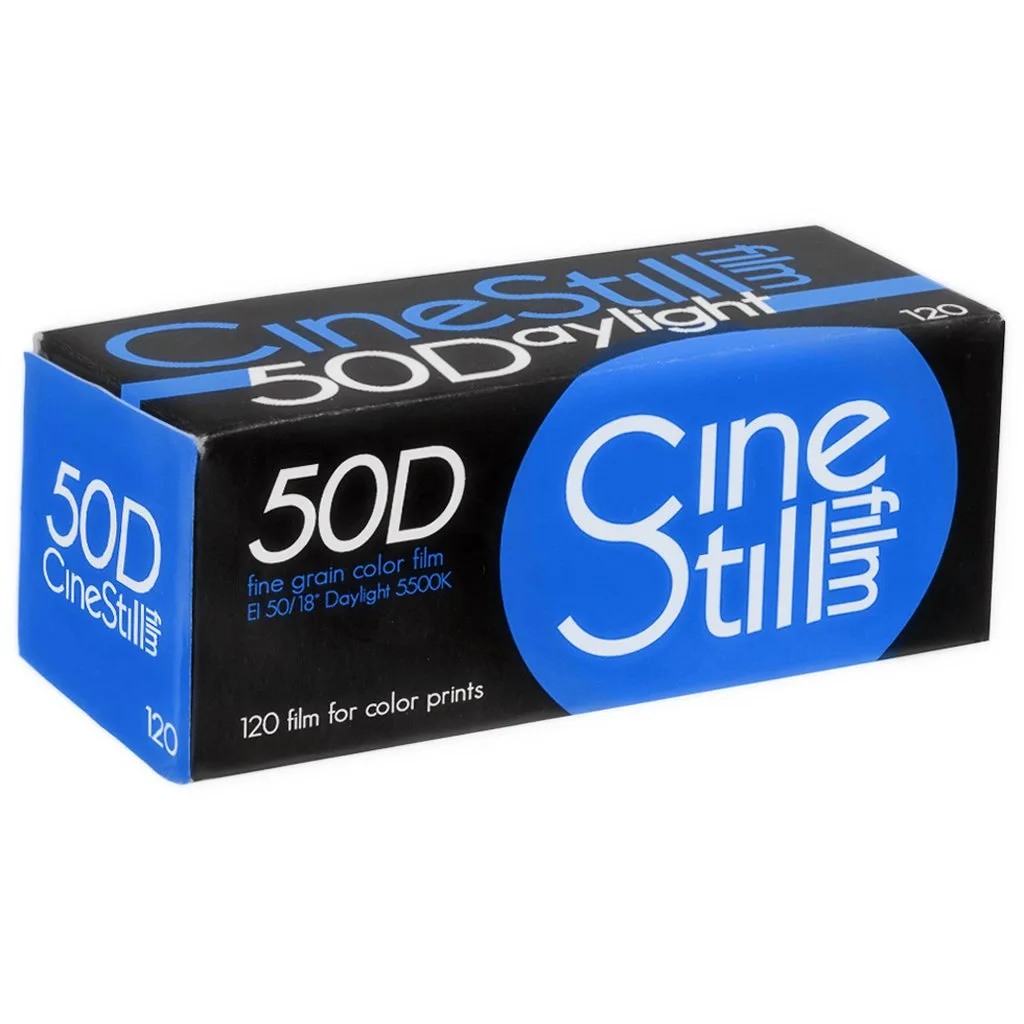
- Cinestill 50 Daylight Xpro C-41 Color Negative Film - 120 Roll Film: 120 format color negative, boasted to be the world’s finest grain film! CineStill 50D is an ISO 50/18° speed daylight balanced (5500K) motion picture emulsion. Technology borrowed from from Hollywood's wunderkind, Kodak 50D, prepped and rolled for safe C-41 standard development as an ISO 50 film. If you shoot medium format color negative film like Cinestill 50D, you need a tank that accepts 120 reels. The Paterson tank's auto-load reel handles 120 film easily, so you can develop fine-grain C-41 film at home without special equipment.
Which Tank Fits Your Workflow?
Best for
- Home processors who shoot both 35mm and 120 film and want a single tank that handles both formats
- Beginners who need an easy-loading, leak-proof tank for reliable inversion agitation
Not ideal for
- Users who process sheet film (4x5 or larger) – you will need a different tank design
- High-volume labs that need to develop many rolls simultaneously – consider a rotary processor or multi-tank system