Quick answer
Buy the harness that matches the job, not the one with the most straps. A front-clip no-pull harness is the right first harness for most strong pullers, a crash-tested car harness is the only type that belongs in a moving vehicle, and a simple back-clip harness works well for calm dogs on everyday walks. If you only buy one, choose a well-fitted front-clip harness and add a separate car restraint later.
A harness is not automatically safer than a collar. It is safer when the style matches your dog's pulling habit, your walking environment, and how you travel. A harness that shifts pressure across the chest helps a dog who coughs or strains on a neck collar, but a loose harness can let a determined dog back out of it in seconds.
This guide walks through the main harness types, the measurements that actually matter, and the trade-offs you accept with each design. It also covers when a harness is the wrong tool and a collar or head halter is the better choice.
The three harness jobs: no-pull, car, and everyday
Most harnesses sold today fall into three functional groups. No-pull harnesses use a front attachment point to redirect forward motion sideways, which gives you leverage without choking. Everyday walking harnesses use a back attachment and are designed for comfort on a dog who already walks politely. Car harnesses are built to restrain a dog in a crash and are tested to different standards than walking gear.
The mistake is treating these as interchangeable. A back-clip walking harness will not reduce pulling, and a no-pull harness is not a crash restraint. Decide which job you are solving before you look at colors or padding.
- Front-clip = steering and pull reduction. Back-clip = comfort and light control. Car-rated = occupant restraint.
- If your dog pulls hard enough to hurt your shoulder, start with front-clip, not a thicker back-clip harness.
Harness vs collar: when each is the better choice
Collars are fine for a dog with a loose leash, a calm temperament, and no respiratory issues. They are also the right place for ID tags, which should stay on the collar even when the dog wears a harness. Harnesses become the better choice when a dog pulls into the throat, has a collapsing trachea or other airway concern, or has a neck injury.
Harnesses are not a fix for every behavior problem. A dog who lunges at other dogs still needs training, and a harness can give a strong dog more leverage to pull if it is fitted poorly. Flat-faced breeds and small dogs with delicate throats usually do better in a harness than a collar for walks, but the fit has to be snug.
- Keep ID tags on a separate collar even if the leash attaches to the harness.
- A harness that slides side to side is too loose, even if it has not slipped off yet.
How to measure and fit a dog harness
You need two measurements: the girth just behind the front legs, and the chest depth from the base of the neck to the sternum. Measure snug, not tight, and add roughly two fingers of slack. If your dog is between sizes, size up only when the harness has enough adjustment to tighten down; otherwise size down, because a harness that is too large is an escape risk.
Check the fit with a pull test. With the harness on and adjusted, gently pull backward at the attachment point. The harness should not slide down over the shoulders or rotate around the body. Check the armpits for rubbing after a 10-minute walk, and re-check adjustment after the first few wears as the straps settle.
- Two-finger rule at every strap, but no more.
- Re-measure growing puppies every two to three weeks.
- If the harness leaves red marks or bald patches, it is either too tight or the strap layout does not match your dog's body shape.
No-pull harness trade-offs
A front-clip no-pull harness gives you the most control per pound of dog, which is why it is the standard recommendation for adolescent dogs and strong pullers. The trade-off is leash management: a front-attached leash can tangle in the dog's legs, and many handlers use a double-ended leash clipped to both front and back for better balance.
No-pull harnesses also change your dog's gait slightly. That is the point, but it means a dog who wears one all day, every day, may develop strap rub in the armpits. Use it for walks and training sessions, and give the skin a break at home.
- Best for dogs who pull, dogs in training, and handlers with less upper-body strength.
- Not ideal for dogs who already walk on a loose leash — a lighter everyday harness is more comfortable.
Car harnesses: what to look for
A car harness for dogs is a restraint system, not a walking harness with a seatbelt loop added. Look for a harness that is tested as a system with the specific seatbelt or tether it is sold with, because a harness alone does not protect a dog in a crash. A simple loop of webbing around a seatbelt is not crash protection.
Fit matters more in the car than on a walk. The harness should sit flat against the chest without twisting, and the tether should be short enough that the dog cannot reach the front seat or the window controls. For dogs who get carsick or anxious, a crash-tested crate or carrier may be the better answer than a harness.
- Use the harness and tether as a matched pair; do not mix brands unless both are tested together.
- A dog who chews through straps should ride in a hard-sided crate instead.
Everyday walking harnesses and step-in designs
For a dog who walks politely, the priorities shift to comfort, quick on-and-off, and durability. Step-in harnesses are fast for small dogs and dogs who dislike having straps pulled over their heads. Over-the-head harnesses tend to be more secure for dogs who back out of gear, because there is less chance of a strap being left loose.
Padded harnesses help dogs with thin coats or sensitive skin, but padding adds bulk and can trap heat in summer. If your dog wears a harness for long hikes, look for a design with a handle at the back — it helps you lift a dog over obstacles or into a car without grabbing the harness straps.
- Step-in for wiggly small dogs; over-the-head for escape artists.
- A back handle is worth having for hiking, boating, and older dogs who need a lift.
Decision rules for picking a harness
- If your dog pulls hard enough to hurt your arm: Choose a front-clip no-pull harness and use a double-ended leash clipped to front and back for the first few weeks. Re-check armpit rub after every walk for the first week.
- If your dog rides in the car more than twice a week: Buy a crash-tested car harness and tether as a matched system, or use a crash-tested crate if your dog chews straps. A walking harness with a seatbelt loop is not a substitute.
- If your dog already walks on a loose leash: Choose a lightweight back-clip or step-in everyday harness with padding only where the straps touch skin. Skip the no-pull design; it adds bulk without benefit for a polite walker.
- If your dog backs out of gear: Choose an over-the-head harness with a snug girth adjustment, and always measure before ordering. A harness that slides over the shoulders when pulled is too loose, even if it looks right.
- If your dog has a flat face or a history of collapsing trachea: Use a harness for walks and keep the collar for ID tags only. Never attach a leash to a neck collar on a dog with airway risk.
Harness-adjacent products that solve common fit and control problems
- SPOT Play Strong SCENT-sations Bone Dog Toy: A durable bacon-scented chew toy made from tough TPR with textured nubs to promote dental health and keep dogs engaged longer. A dog who chews harness straps needs a legal outlet. Redirecting the behavior to a tough scented chew reduces the chance your new harness becomes the next chew toy.
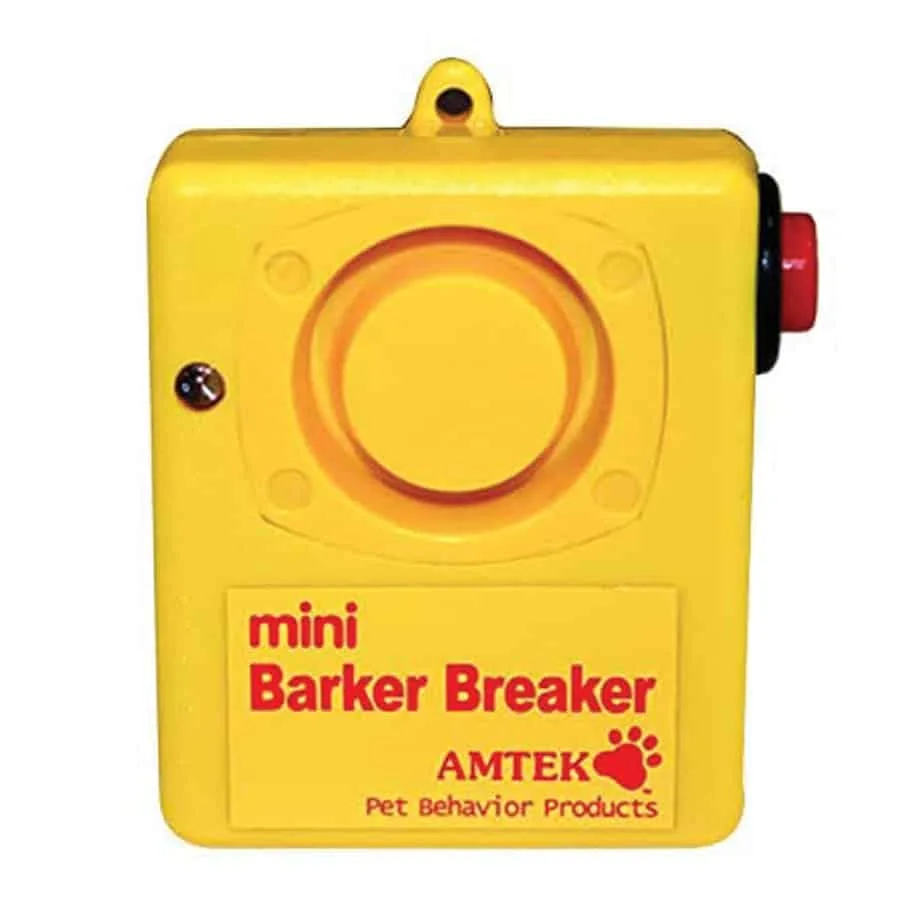
- Mini Barker Breaker Dog Correction: A compact handheld training aid that emits a loud attention-grabbing tone and clips onto a belt for convenient access during walks, training, or everyday use. If your dog's walks are dominated by barking rather than pulling, a harness alone will not fix the walk. Pair harness training with a bark-control tool you can reach without fumbling.
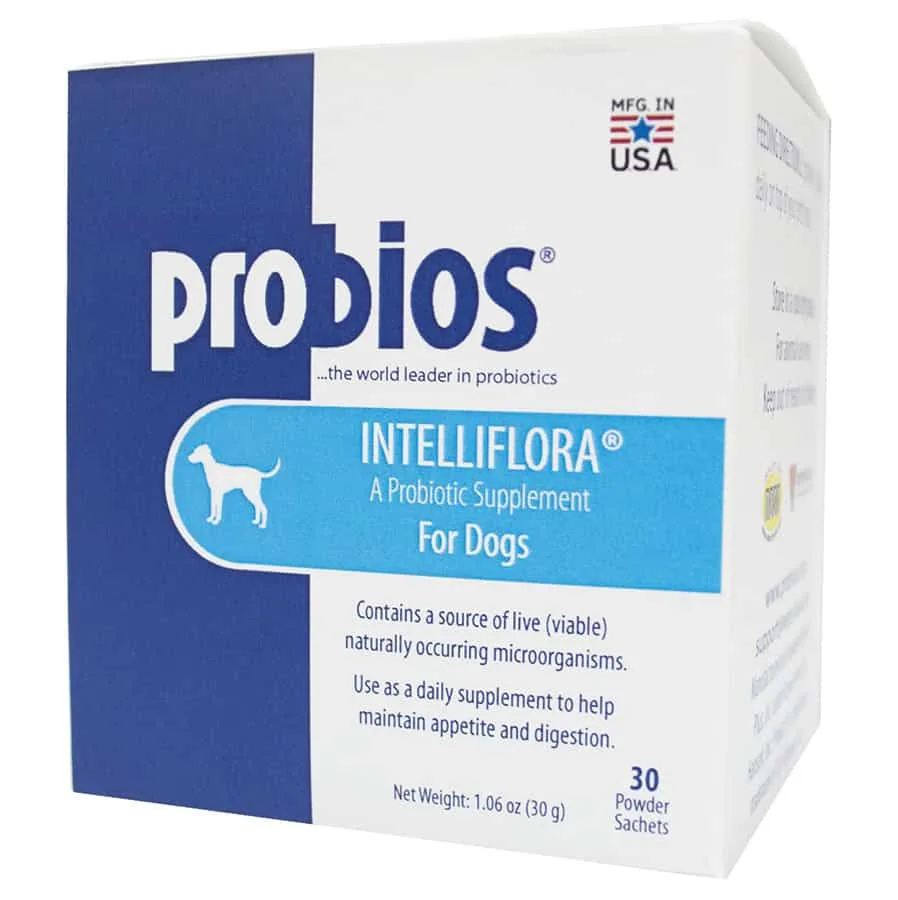
- Probios® Intelliflora For Dogs 30 Pack: Formulated with four live, active probiotic strains and soluble prebiotic fiber, with single-serve packets for daily digestive support. New gear often means new treats and chews during training. If your dog's stomach gets sensitive when the reward menu changes, a daily probiotic packet is an easy way to keep digestion steady.
Who each harness type is right for
Best for
- Strong pullers and adolescent dogs who need steering on walks
- Dogs with neck or airway concerns who should not pull against a collar
- Owners who travel with their dog and need a separate crash-tested car restraint
Not for
- Dogs who already walk politely and only need a light everyday harness
- Owners looking for one harness to do both walking and crash protection
- Dogs who chew through webbing, who need a hard-sided crate in the car instead
Pick the harness for the job you actually have: front-clip for pulling, crash-tested for the car, and a light back-clip for a dog who already walks well. Measure before you buy, re-check the fit after the first few walks, and keep ID tags on a separate collar. If you are unsure between two sizes, come by the shop with your dog's girth measurement and we will help you compare the adjustment range.