Quick Answer
An 8 to 12 cubic foot hospital-grade refrigerator with interior lockers suits most lactation rooms serving 5-15 pumping employees. Larger rooms or peak shift changes may need the 15 cubic foot model.
Why Standard Dorm Fridges Fall Short
Residential mini fridges often lack the temperature stability required for safe breast milk storage. The CDC recommends storing expressed milk at 32°F to 39°F. Dorm-style units can fluctuate above this range, putting milk at risk. Hospital-grade lactation fridges, like those from Healthy Horizons Breastfeeding Centers, are laboratory-tested to stay within the recommended temperature range even with frequent door openings.
Capacity Trade-Offs: 8 vs 12 vs 15 Cubic Feet
The right size depends on how many employees pump during a shift and how often the fridge is cleaned out. An 8 cubic foot fridge works for smaller workplaces with 5 or fewer regular pumpers. With 10-15 regular pumpers, a 12 cubic foot unit provides enough room for labeled storage containers without overcrowding. For larger teams or 24-hour operations, the 15 cubic foot model with interior lockers adds capacity and organization. Going too large wastes floor space and energy; too small leads to cramped storage and spilled milk.
ADA Compliance and Workspace Fit
Many lactation rooms need to accommodate employees with disabilities. While the refrigerators listed do not have specific ADA certification labels, a counter-height model or a dedicated shelf can help make items reachable. Measure your room's door width, clearance, and available floor area before choosing. Ensure the fridge you pick leaves enough space for a chair, pump table, and sink if required.
Diagnosis: Matching Fridge Size to Your Lactation Room
- Symptom: Employees are storing milk in a shared dorm fridge or office mini fridge. Temperature varies, and milk sometimes spoils before the end of shift.
- Likely Cause: The current refrigerator is not designed for breast milk storage. Dorm-style units lack the temperature stability to keep milk safe. Also, without lockers, milk is at risk of accidental disposal or contamination.
- Corrective Action – Size Decision: Count your regular pumping employees: up to 5? Choose the 8 cu. ft. model with lockers. Between 6 and 15? The 12 cu. ft. model is adequate. Over 15 or multi-shift? Go with the 15 cu. ft. model with lockers to ensure capacity and secure storage. If your room is very small (under 25 sq ft) and serves fewer than 5 pumpers, the 8 cu. ft. unit is the most compact hospital-grade option.
- Stop and Choose Another Option If…: You need interior lockers but your budget is tight and you have fewer than 8 regular pumpers: the 8 cu. ft. model with lockers offers the most affordable secure solution. If you do not need lockers and want the best value for capacity, the 12 cu. ft. unit offers the lowest cost per cubic foot. If your space is under 20 cubic feet of floor area, consider a countertop fridge instead, though none of our currently listed models qualify as countertop.
Product Facts
-
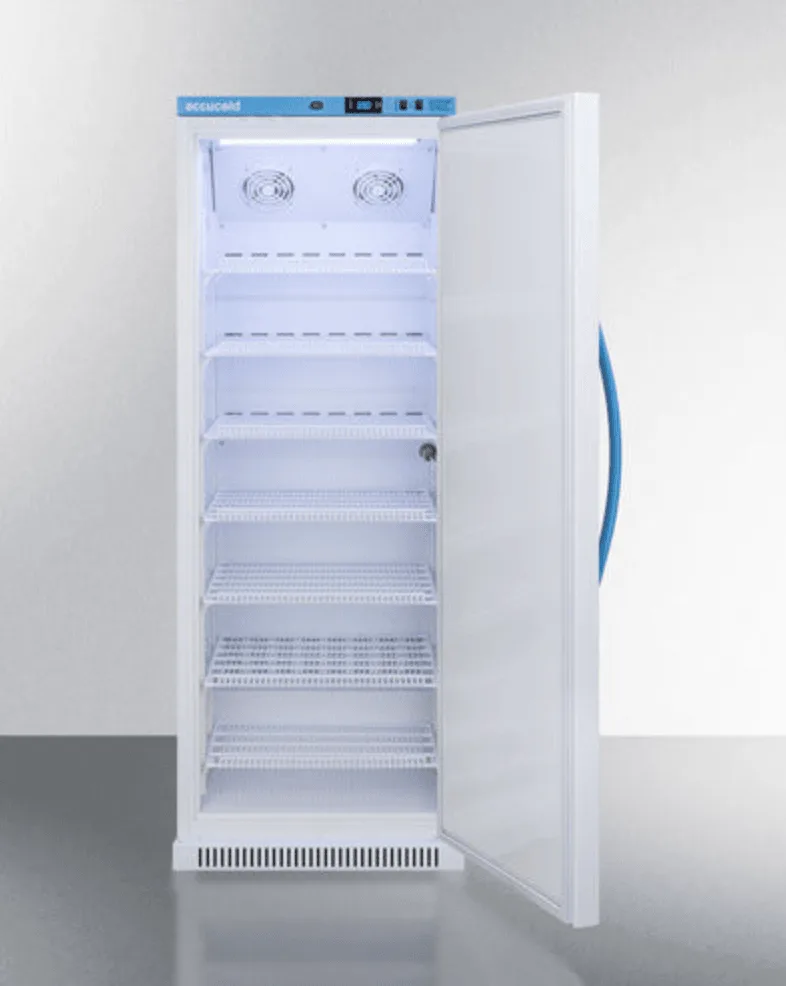
15 Cubic Foot Lactation Room Breast Milk Refrigerator With Interior Lockers: 15 Cubic Foot Lactation Room Breast Milk Refrigerator With Interior Lockers – hospital-grade, laboratory-tested for temperature stability per CDC guidelines. The lockers prevent mix-ups and unauthorized access, which is critical when multiple employees store milk in a shared unit.
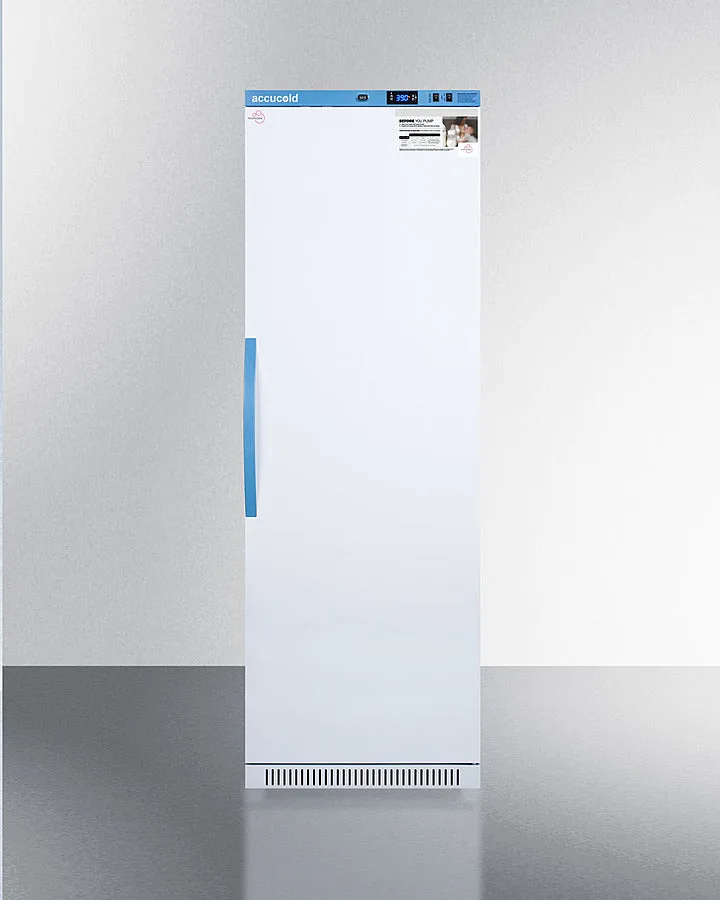
15 Cubic Foot Lactation Room Breast Milk Refrigerator With Interior Lockers
-
8 Cubic Foot Lactation Room Breast Milk Refrigerator With Interior Lockers: 8 Cubic Foot Lactation Room Breast Milk Refrigerator With Interior Lockers – same hospital-grade construction and temperature reliability in a smaller footprint. This size fits tight lactation rooms while still providing secure storage for up to 5-8 regular pumpers.
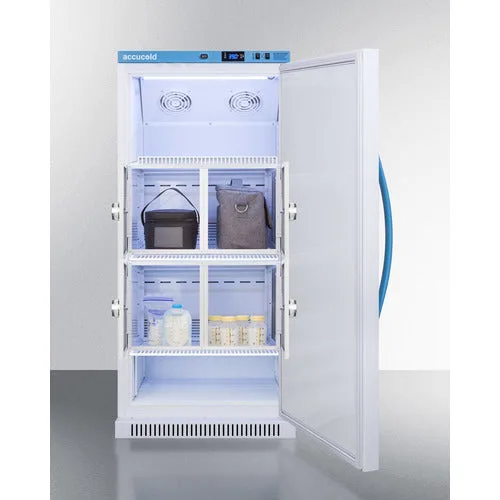
8 Cubic Foot Lactation Room Breast Milk Refrigerator With Interior Lockers
-
12 Cubic Foot Lactation Room Breast Milk Refrigerator: 12 Cubic Foot Lactation Room Breast Milk Refrigerator – hospital-grade and laboratory-tested for temperature stability. A mid-capacity choice without interior lockers, so you would need individual labels or separate containers for milk security.