Quick answer
For doll face-ups and soft vinyl, stick with water-based acrylics or pastels. For resin garage kits and plastic models, lacquer paints offer the best adhesion and durability. Enamel paints work well for detail washes and panel lining but require careful solvent handling. Your choice depends on the material you're painting and your ventilation setup.
Acrylic paint: safe and beginner-friendly
Water-based acrylics are the go-to for doll customization because they are non-toxic, dry quickly, and clean up with water. They work well on vinyl doll heads for blushing and face-ups, especially when thinned and applied in light layers. The tradeoff: acrylics can chip or wear off on high-friction areas unless sealed properly with a matte or gloss topcoat. They also don't bond as aggressively to slick resin surfaces as solvent-based paints do.
Enamel paint: slow-drying and glossy
Enamel paints are oil-based and produce a hard, glossy finish that self-levels nicely. They are excellent for fine details, washes, and panel lines on model kits because capillary action draws them into recesses. The downside: they take hours to days to fully cure, and the solvents (mineral spirits or turpentine) require good ventilation. Enamels can also react with underlying acrylic layers if applied too thickly.
Lacquer paint: durable and fast-drying
Lacquer paints are solvent-based and cure by evaporation, forming a tough, chemical-resistant film. They bond extremely well to resin, plastic, and primed surfaces, making them ideal for garage kits and model parts that will be handled or posed. Lacquers dry in minutes and can be sanded and polished. The main tradeoffs are strong fumes (you need a spray booth or respirator) and the risk of crazing or melting thin polystyrene if applied too heavily. Brands like Gaianotes offer specialized lacquer primers and base colors that simplify the painting process.
Decision rules
- Material matters most: Soft vinyl and resin require different paint chemistry. Use acrylics for vinyl doll heads to avoid melting. Use lacquer primers and paints for resin garage kits to ensure adhesion. Check the kit or doll material before choosing paint.
- Ventilation is non-negotiable: Lacquer and enamel paints release strong solvents. If you work indoors without a spray booth, acrylics are the safer choice. For lacquers, invest in a respirator and exhaust fan. Your health comes first. Match paint type to your workspace.
- Finish and durability tradeoff: Acrylics are easy to remove and redo, which is great for practice or temporary effects. Lacquers and enamels create a permanent, scratch-resistant finish that suits display and play pieces. If the piece will be handled often, go with lacquer. If you want flexibility to change the look later, use acrylic.
Product facts
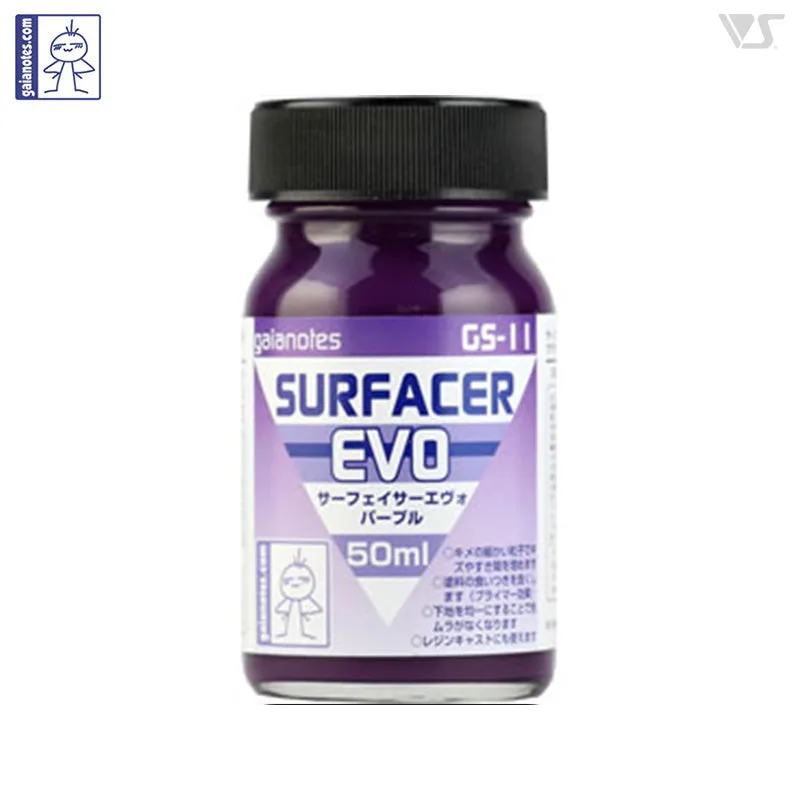
- Gaianotes GS-11 Surfacer Evo Purple: Gaianotes GS-11 Surfacer Evo Purple is a lacquer surfacer/primer for plastic model kits and resin garage kits. It fills fine scratches and gaps with fine particles, improves paint adhesion, and creates a uniform base for even finishes. Using a dedicated primer like this one ensures that your topcoat bonds evenly and lasts longer, especially on slick resin surfaces. The purple tint helps you see coverage on light-colored parts.
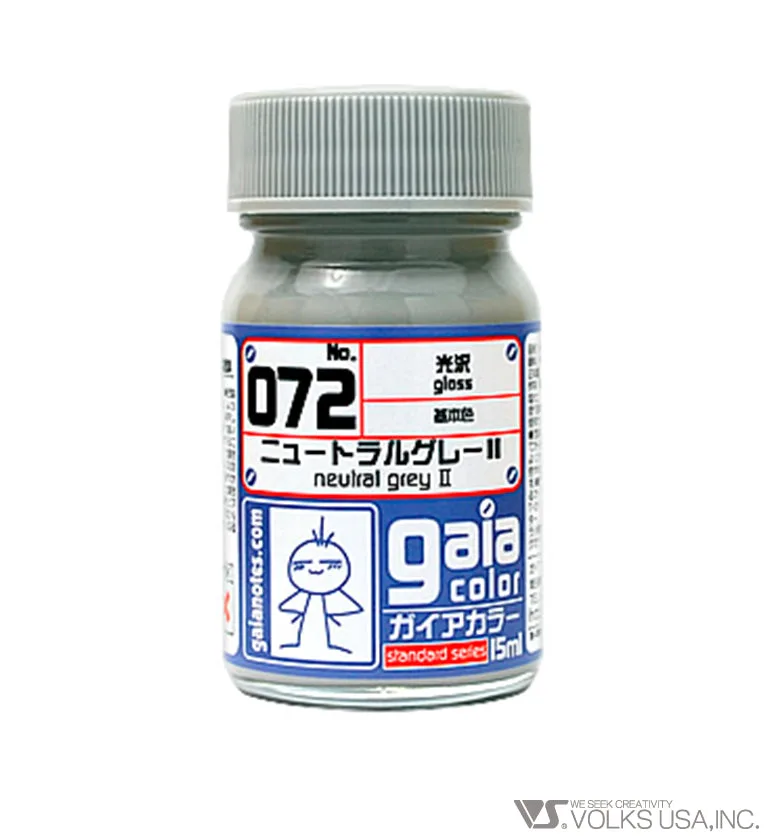
- Gaia Base Color 072 Gloss Neutral Grey II: Gaia Base Color 072 Gloss Neutral Grey II is a 15 ml lacquer paint formulated in Japan with high pigment load. It is intended for airbrush use and delivers rich, vibrant color. A neutral grey gloss base is versatile for both doll accessories and model kits. It provides a smooth, consistent foundation for metallic or transparent topcoats, and the high pigment density means fewer coats.
Which paint type fits your project?
Best for
- Doll face-ups and blushing on vinyl heads: use water-based acrylics or pastels for safety and easy correction.
- Resin garage kits and plastic model parts that need a durable finish: use lacquer paints and primers like Gaianotes.
Not ideal for
- Delicate vinyl doll parts: avoid lacquer and enamel thinners that can melt or distort the material.
- Quick, low-odor projects in a shared living space: skip lacquers and enamels; stick with acrylics.