Stainless Steel vs. Silicone: What to Consider
When you're choosing toddler utensils, the material is one of the first decisions. Stainless steel and silicone are both popular options, but they serve different stages and preferences. This comparison focuses on what each material offers based on the supplied product information, so you can decide which fits your toddler's mealtime needs.
Key Differences at a Glance
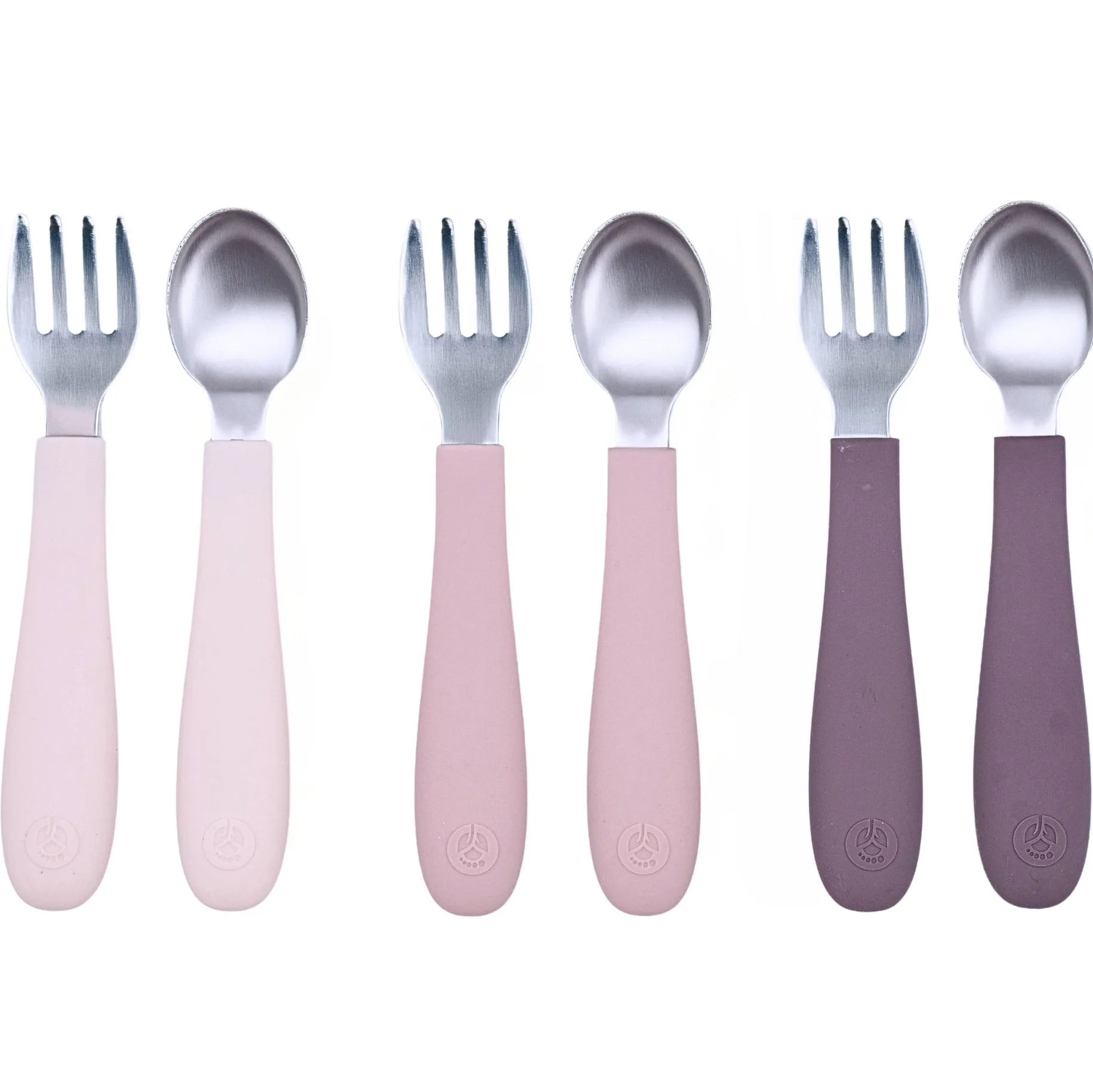
- Material and Safety: Stainless steel utensils (like the Lalo Big Bites fork and spoon) are made with dishwasher-safe non-toxic silicone handles and stainless steel heads. Silicone utensils are typically one-piece, soft, and flexible. Both materials are non-toxic, but stainless steel offers a more rigid, durable eating surface.
- Durability and Longevity: Stainless steel heads resist scratches and stains better than silicone, which can wear over time. The Lalo Big Bites utensils combine a stainless steel head with a silicone handle, giving you the durability of metal with a soft, easy grip for small hands.
- Ease of Cleaning: Both materials are dishwasher-safe. Stainless steel heads are less likely to hold onto food odors or stains, while silicone can sometimes retain smells. The Lalo utensils are explicitly described as dishwasher-safe, making cleanup straightforward.
- Grip and Ergonomics: Silicone handles (like those on the Lalo Big Bites utensils) are designed to be ergonomic for growing hands. Full silicone utensils are also soft and easy to hold, but may not provide the same stability for spearing food as a stainless steel fork.
When to Choose Stainless Steel Utensils
Stainless steel toddler utensils are a good choice when your child is ready for more substantial eating tools. They are sturdy, easy to clean, and can last through multiple stages. The Lalo Big Bites fork and spoon, for example, are described as "ergonomic for growing hands but with serious function," meaning they balance comfort with practical use. The stainless steel head is ideal for spearing soft foods and scooping, while the silicone handle keeps the grip comfortable.
When to Choose Silicone Utensils
Silicone utensils are often preferred for younger toddlers or babies who are still teething or learning to self-feed. They are soft on gums and gentle on dishes. However, the supplied information does not confirm specific age recommendations or developmental benefits for silicone utensils. If you prioritize a completely soft, flexible tool, silicone may be your choice, but be aware that it may not hold up as well over time compared to stainless steel.
What the Lalo Big Bites Utensils Offer
-
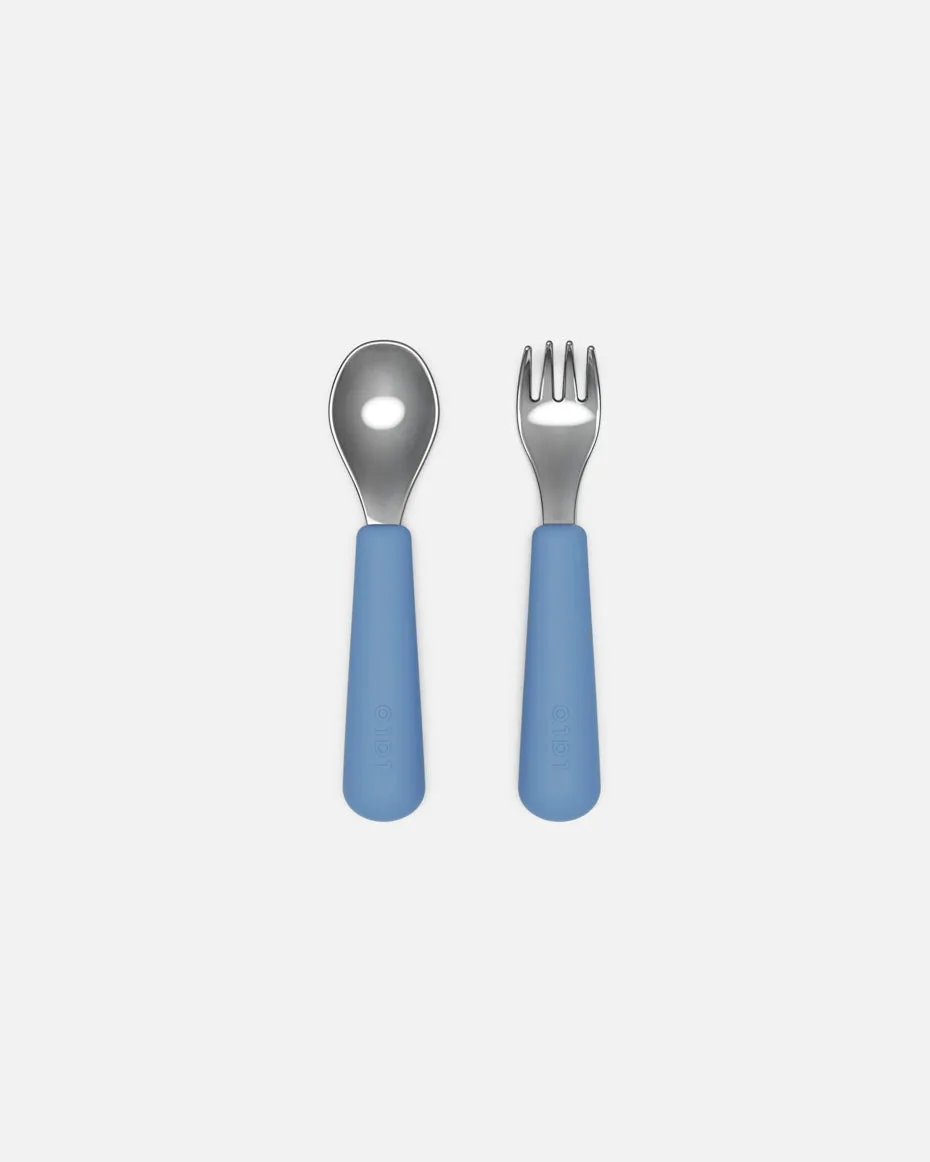
Utensils: Made with dishwasher-safe non-toxic silicone and stainless steel materials. This combination gives you the durability of stainless steel with a soft, ergonomic silicone handle that's easy for small hands to grip.
Utensils
-
Utensils: Big Bites forks and spoons are ergonomic for growing hands but with serious function. They are designed to transition with your toddler, offering both comfort and practical eating ability.
Making Your Choice
Ultimately, the best choice depends on your toddler's current eating skills and your priorities. If you want a durable, easy-to-clean utensil that will last through multiple stages, stainless steel with a silicone handle (like the Lalo Big Bites) is a strong option. If you prefer a fully soft, flexible tool for early self-feeding, silicone might be more suitable. Consider what matters most for your family's mealtime routine.