Quick Answer
For most toddlers just learning to self-feed, silicone utensils win because they are gentle on gums and easy to grip. Once your child has a steady pincer grasp and you want utensils that last, stainless steel is the better long-term choice. Many families use both: silicone for early practice, stainless steel for everyday meals as skills improve.
Material Safety: What Parents Should Know
Both silicone and stainless steel can be safe choices for toddler utensils when they are made from food-grade materials. Silicone utensils, like those in the WeeSprout Toddler Utensils set, use non-toxic, food-grade silicone for the handles. Stainless steel utensils, such as the WeeSprout Kids Thermos, use 18/8 stainless steel, which is durable and resistant to rust. The key is to check that silicone is labeled food-grade and free from fillers, and that stainless steel is a quality grade like 18/8. Avoid utensils with painted decorations that could chip.
Grip and Self-Feeding: How Each Material Performs
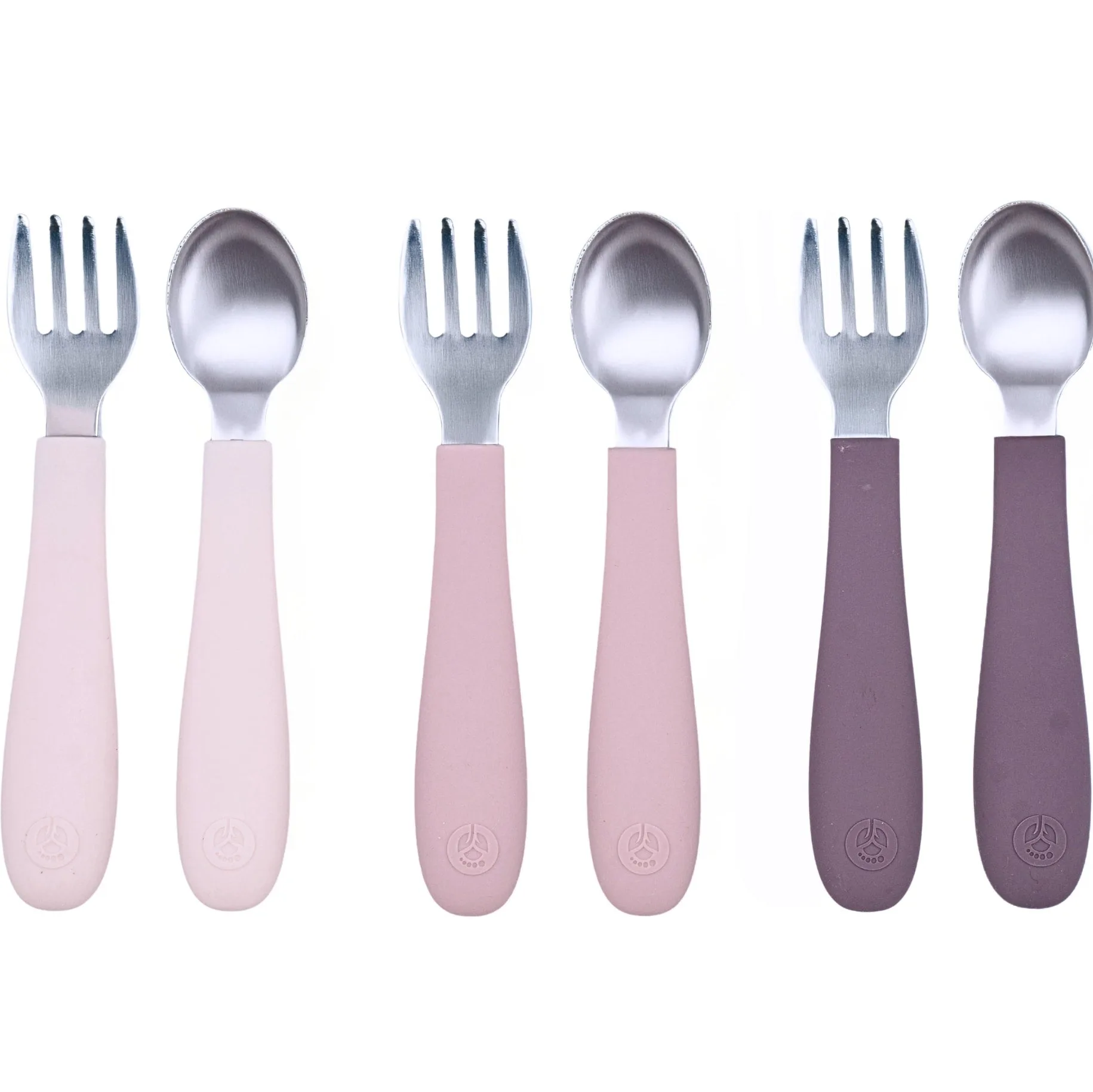
Silicone utensils typically have thick, easy-grip handles that are designed for small hands. The WeeSprout Toddler Utensils set features silicone handles that support developing fine motor skills, making it easier for toddlers to hold and control the utensil. Stainless steel utensils are often thinner and heavier, which can be harder for beginners to manage. However, as toddlers gain strength and coordination, metal utensils can help them transition to adult silverware. If your child is still learning to scoop and stab, silicone offers more forgiveness.
Durability and Longevity: Which Lasts Longer?
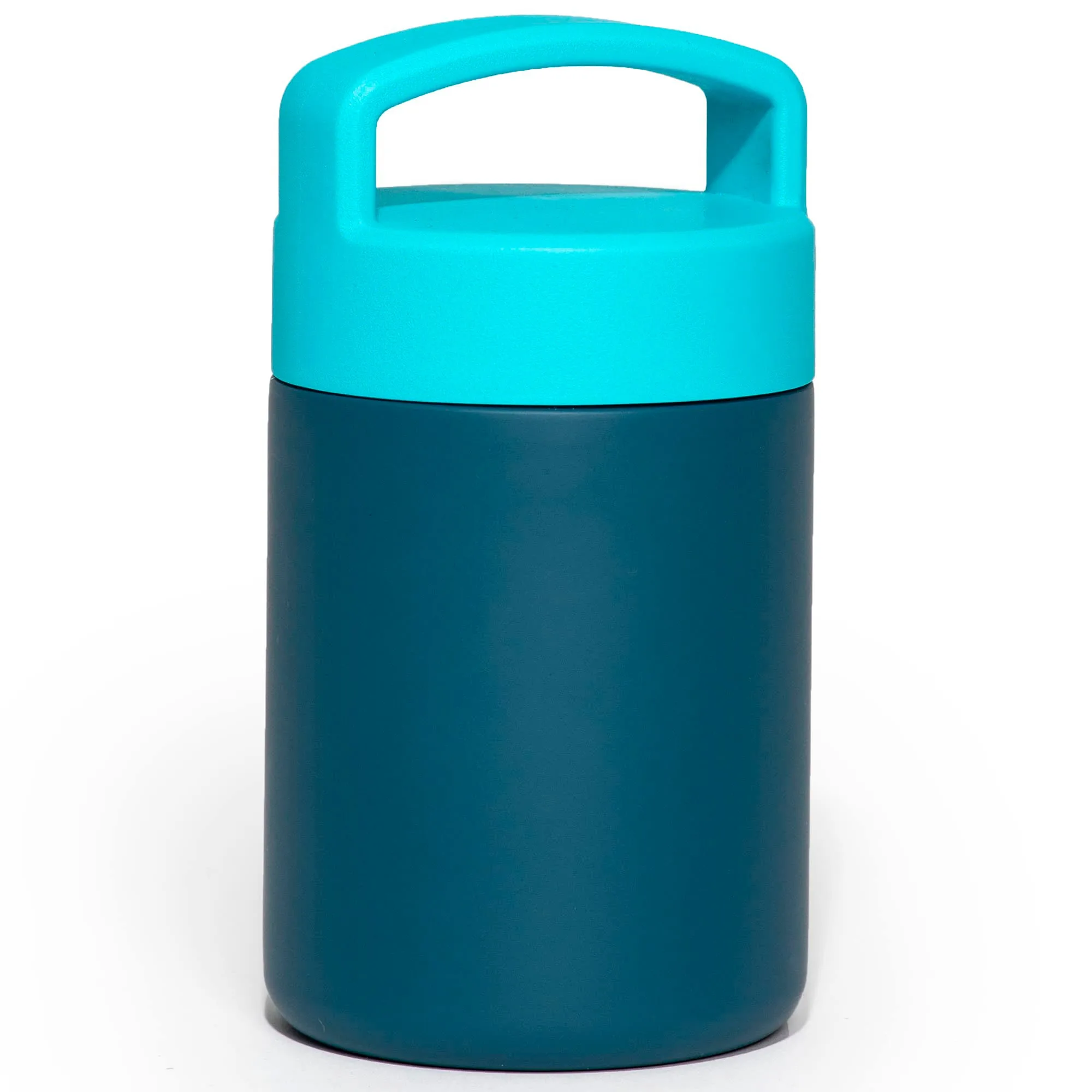
Stainless steel is generally more durable than silicone. It resists bending, cracking, and staining, and can last for years. Silicone can tear or discolor over time, especially if chewed on frequently. The WeeSprout Kids Thermos is made from ultra-durable 18/8 stainless steel, showing how this material holds up to daily use. If you want utensils that can be passed down or used for multiple children, stainless steel is the more resilient option. Silicone utensils may need replacing sooner, but they are often more affordable.
Cleaning and Maintenance: What's Easier?
Both materials are generally dishwasher-safe, but there are nuances. Silicone can retain odors and flavors if not cleaned thoroughly, and it may develop a sticky film over time. Stainless steel is non-porous and doesn't hold onto smells, making it easier to clean. However, stainless steel can get hot in the dishwasher, so handle with care. For silicone, check manufacturer instructions; some silicone utensils are top-rack dishwasher safe only. The WeeSprout Toddler Utensils set is designed for easy cleaning, but always follow care guidelines to extend lifespan.
Trade-Offs at a Glance
- Gentleness on Gums: Silicone is soft and flexible, reducing the risk of injury if your toddler bites down or waves the utensil. Stainless steel is hard and can hurt if chewed on or thrown. Choose silicone if your child is still mouthing or prone to throwing utensils.
- Durability: Stainless steel resists wear and tear, won't crack or discolor, and can last for years. Silicone may tear or become sticky over time, especially with heavy chewing. Choose stainless steel if you want utensils that will withstand daily use and last through multiple children.
- Weight and Balance: Silicone utensils are lightweight and easy for small hands to maneuver. Stainless steel utensils are heavier, which can help older toddlers learn to control a more realistic utensil but may frustrate beginners. Match the weight to your child's motor skills: lighter for beginners, heavier for advanced self-feeders.
- Cleaning and Odor: Stainless steel is non-porous and doesn't retain odors or flavors. Silicone can hold onto smells and may require more thorough washing to prevent a sticky film. If you prioritize easy cleaning and no lingering smells, stainless steel is the better bet.
Product Facts
- Stainless Steel & Silicone Toddler Utensils – Set of 6 (3 Forks + 3 Spoons): WeeSprout Toddler Utensils are custom-designed to help little ones master self-feeding with confidence. Sized just right for small hands and mouths, this set bridges the gap between baby spoons and full-sized silverware. Each fork and spoon features a thick, easy-grip handle made from non-toxic, food-grade silicone to support developing fine motor skills. These utensils are ideal for toddlers transitioning from baby spoons, offering a safe and comfortable grip that encourages independence.
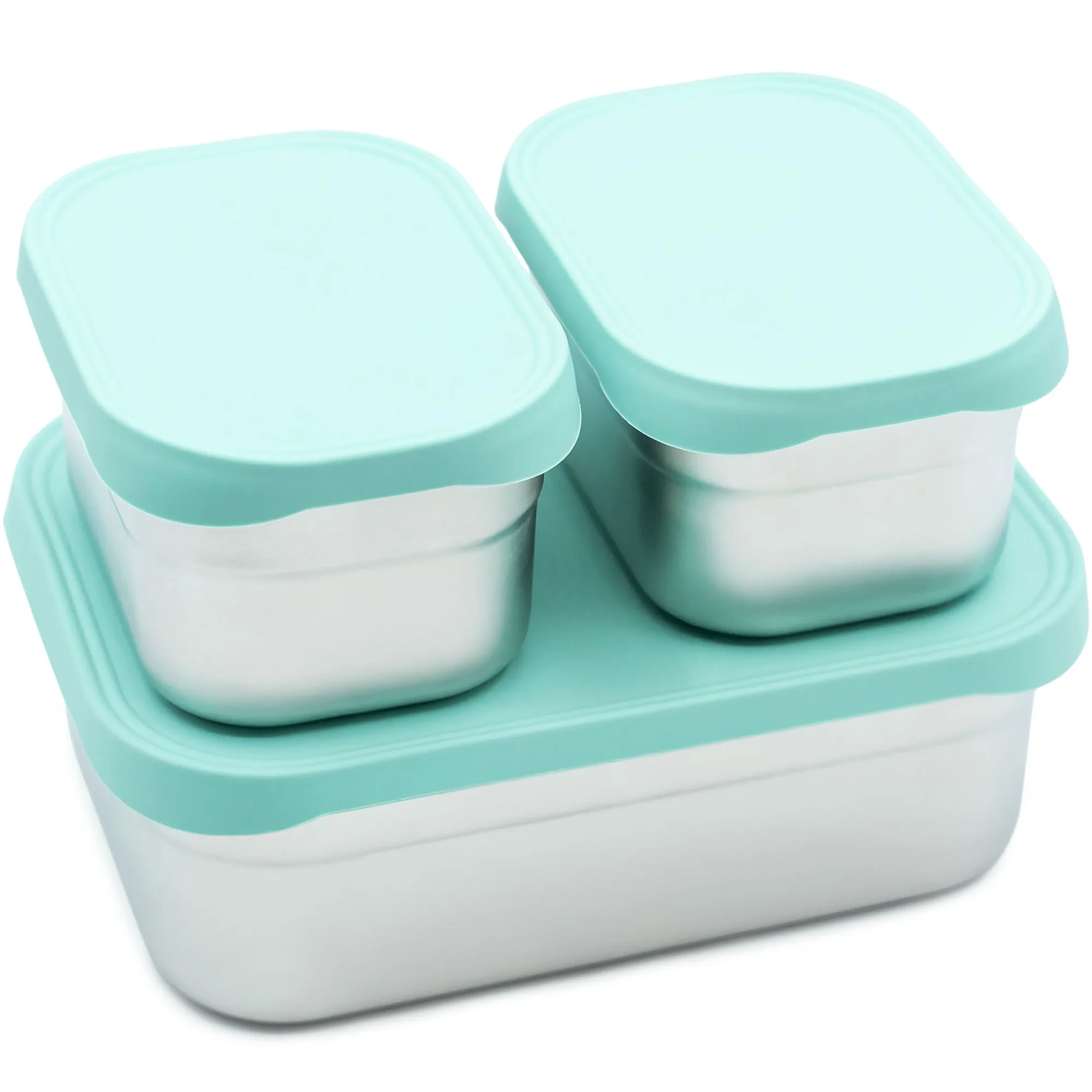
- Stainless Steel Kids Thermos – 12 oz: The WeeSprout Kids Thermos is made from ultra-durable 18/8 stainless steel, designed to keep hot foods warm and cold foods cool for hours. The airtight twist lid seals inside to lock in temperature and prevent leaks. While this is a thermos, it demonstrates the durability and temperature retention of 18/8 stainless steel, a material also used in stainless steel utensils.
Which Should You Buy?
Best for
- Toddlers who are just starting to self-feed and need a gentle, easy-to-grip utensil
- Families looking for an affordable, lightweight option that reduces risk of injury
- Parents who want utensils that bridge the gap between baby spoons and adult silverware
Not for
- Toddlers who have mastered self-feeding and need utensils that mimic adult silverware
- Families seeking maximum durability and longevity from their utensils
- Parents who prefer utensils that won't retain odors or flavors over time