Quick Answer
For a first baby teether, choose a mini size that is easy for small hands to grip, made from safe, non-toxic material, and offers varied textures to soothe gums.
Why Mini Size Matters for a First Teether
A mini teether is designed for newborns and young babies who are just starting to explore chewing. Its smaller size fits comfortably in tiny hands and is easier to maneuver than larger teethers, reducing frustration during early teething.
Mini teethers also tend to be lighter, which means less strain on a baby's developing grip. This makes them a practical choice for the first few months of teething, when babies are still learning to hold objects deliberately.
Texture and Design: What to Look For
Raised spots and detailed textures are common features on mini teethers. These textures provide different sensations for the gums, which can be more soothing than a smooth surface alone. Look for a teether with a mix of textures to keep your baby engaged.
An ergonomic shape helps the teether fit naturally in a baby's mouth and hands. A shape that is easy to hold and chew on will be used more often, so consider how the teether feels in your own hand as a rough guide.
Material and Safety Considerations
While specific materials are not listed for the mini teethers in this guide, it is essential to choose a teether made from food-grade, BPA-free, and non-toxic silicone or similar safe materials. Always check the product description for material details before purchasing.
Regularly inspect the teether for signs of wear or damage. Replace it if you notice cracks, tears, or loose parts, as these can become choking hazards.
Decision Rules for Choosing a Mini Teether
- Age and grip: Choose a mini teether for babies who are just starting to grasp objects (typically around 3-6 months). If your baby cannot yet hold a teether, you may need a larger or differently shaped option. Wait until your baby shows interest in holding objects before introducing a mini teether.
- Texture variety: Pick a teether with raised spots and detailed textures to provide different gum sensations. If your baby seems to prefer a smooth surface, try a teether with less texture. Observe which textures your baby responds to best.
- Material safety: Verify that the teether is made from food-grade, BPA-free, non-toxic material. If the material is not specified, contact the seller or choose a product that clearly states its material safety. Always check for material certifications before buying.
- Ease of cleaning: Choose a teether that is easy to clean, preferably one that can be wiped down or washed with soap and water. Avoid teethers with crevices that are hard to clean thoroughly. Clean the teether after each use to maintain hygiene.
- Size and portability: A mini teether is great for on-the-go use, fitting easily in a diaper bag. If you need a teether for home use only, a larger model might be more suitable. Consider where you will use the teether most often.
Mini Teether Options to Consider
-
Bali the Flower Mini Baby Teether: Bali the Flower Mini Baby Teether has an ergonomic design for newborns with raised spots and detailed textures. This teether is gentle on tiny hands and offers varied textures to soothe sore gums during early teething.
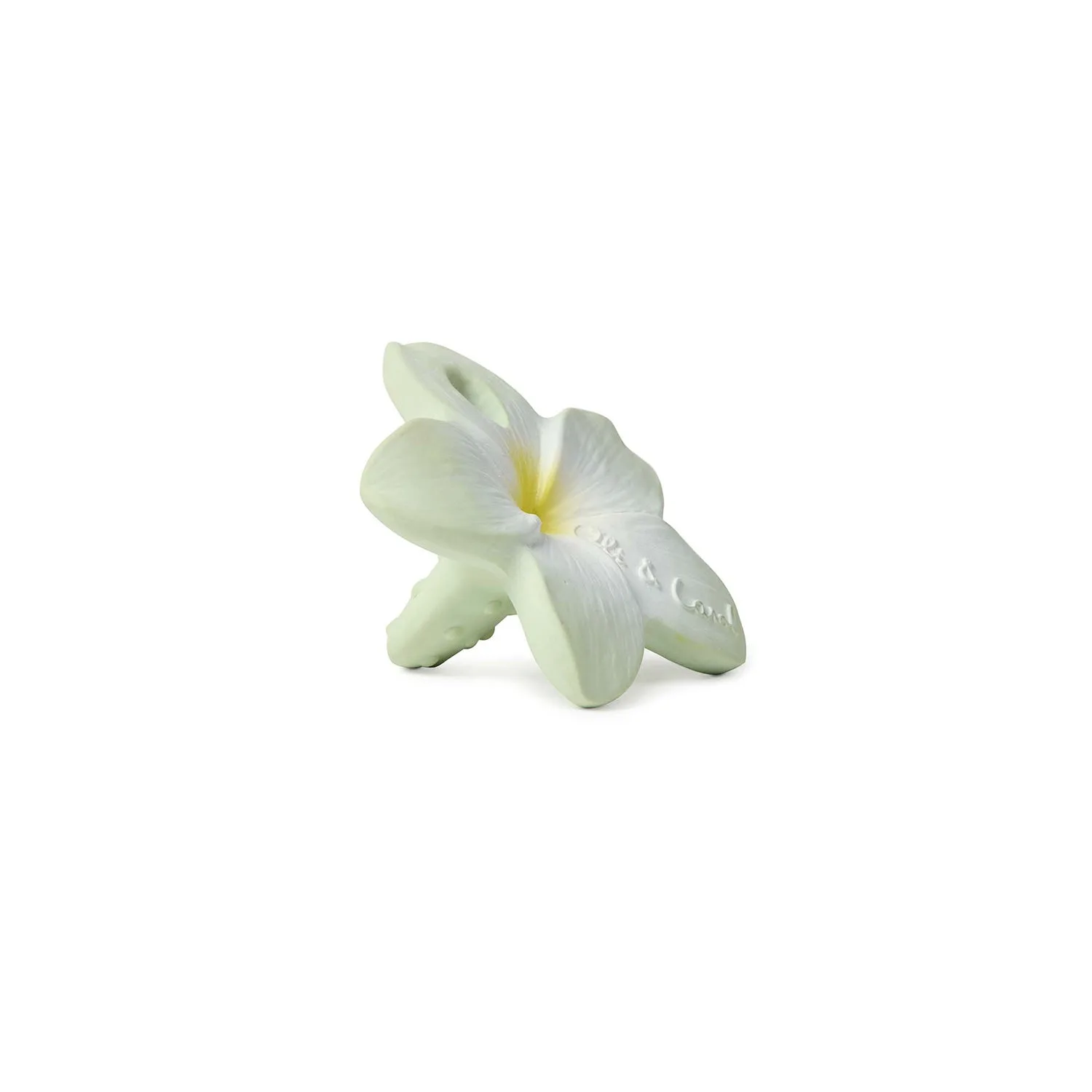
Bali the Flower Mini Baby Teether
-
Lou the Lemon Mini Baby Teether: Lou the Lemon Mini Baby Teether features an ergonomic shape that is easy to hold and chew on, with realistic textures and raised spots. The easy-grip shape helps babies hold it independently, which can make teething time more enjoyable for them.
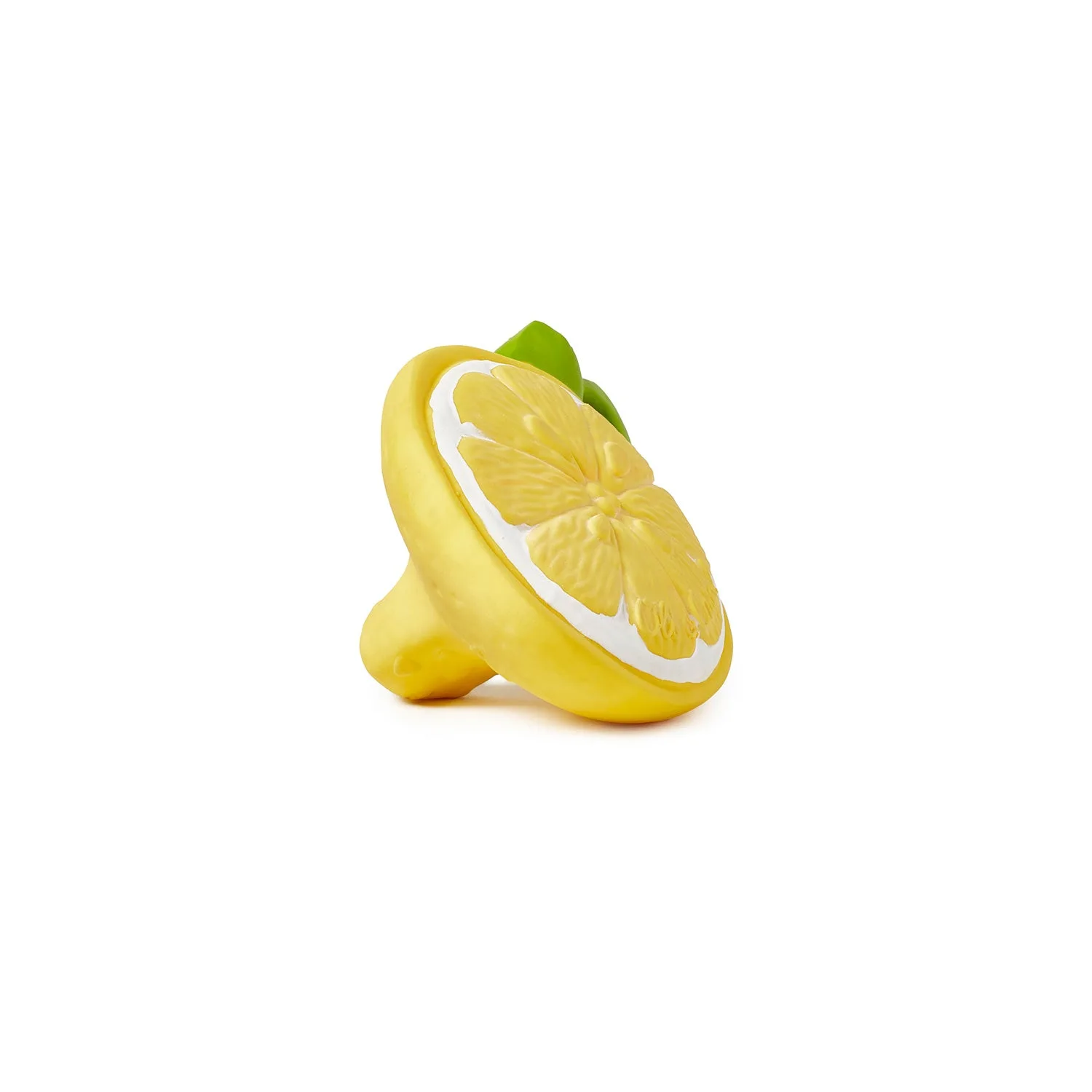
Lou the Lemon Mini Baby Teether
Who Should Choose a Mini Teether?
Best for
- Newborns and babies just beginning to chew
- Parents looking for a portable, easy-to-hold teether
Not for
- Older toddlers who need a larger teether for back teeth
- Babies who prefer a very smooth, flat teether surface