Quick answer
If you seek gentle emotional soothing and clear communication, Chrysocolla is your stone. If you want a rare, visually mesmerizing crystal that supports deep inner calm and spiritual insight, Blue Halite offers a unique energetic experience.
How they differ in appearance and rarity
Chrysocolla is a common copper mineral with blue-green hues, often found in masses or nodules. Its color comes from copper content, giving it a solid, earthy look.
Blue Halite, sourced from ancient salt mines in Turkey, is one of the rarest crystals. Its vibrant electric-to-deep blue color is an optical illusion—light diffracts inside the crystal structure, creating the appearance of blue without any blue pigment. This rarity makes Blue Halite a collector's piece.
Energetic and practical use
Chrysocolla is traditionally used to soothe emotions, enhance communication, and support the throat chakra. It's a gentle stone for those who need to speak their truth with compassion.
Blue Halite carries a high-vibration energy, promoting deep calm, spiritual awareness, and mental clarity. Its salt content is linked to cleansing and purification, making it a powerful tool for meditation and clearing negative energy.
Trade-offs at a glance
- Chrysocolla: Gentle, emotionally soothing, supports clear and compassionate communication. Readily available and more affordable.
- Blue Halite: Rare, visually stunning, promotes deep calm and spiritual insight. Higher cost and harder to find, but offers a unique energetic cleansing effect.
- Decision factor: Choose Chrysocolla for everyday emotional support and throat chakra work. Choose Blue Halite for a rare, high-vibration tool that aids meditation and purification. Both stones calm the mind, but Blue Halite's rarity and optical illusion add a layer of wonder that Chrysocolla does not offer.
Product facts
-
Blue Halite: Blue Halite is one of the rarest, most visually stunning energetic tools we’ve ever carried. Sourced from ancient salt mines in Turkey, these pieces appear to radiate with vibrant electric-to-deep blue color—but the truth is even more magical: there’s no actual blue pigment at all. What you’re seeing is a natural optical illusion caused by light diffracting and bending inside the crystal’s internal structure. This rarity and optical effect make Blue Halite a unique choice for those who value visual wonder and high-vibration energy in their crystal practice.
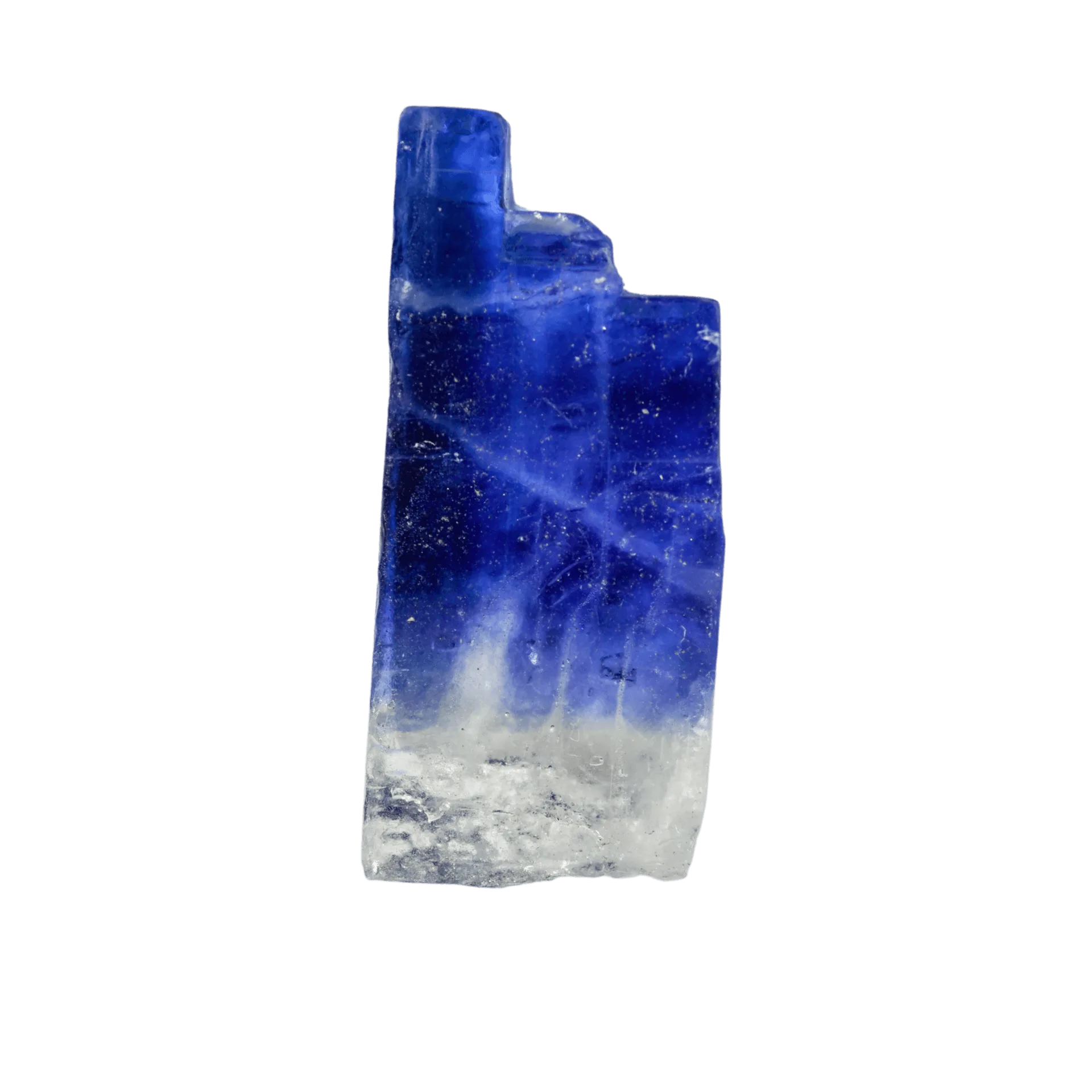
Blue Halite
Which stone fits you?
Best for
- Those seeking gentle emotional healing and improved communication
- Anyone who wants a rare, visually captivating crystal for meditation and spiritual growth
Not for
- Budget-conscious buyers who need an affordable everyday calming stone—Blue Halite's rarity makes it pricier
- Those who prefer solid color crystals without optical effects—Blue Halite's color is an illusion, not pigment