Quick Answer
For the City Harbor quilt pattern, start by choosing fabrics that contrast well, like the blue and green hues in the City Lights pattern. Always prewash your fabrics to prevent color bleeding, and use a consistent quarter-inch seam allowance for accurate piecing. Whether you're a beginner or advanced quilter, these tips will help you achieve a polished finish.
The City Harbor quilt pattern offers a delightful mix of urban charm and classic quilt design. Whether you're drawn to the cityscape motifs or the checkerboard border, this pattern provides a rewarding project for quilters of all levels. In this guide, we'll share practical tips to help you navigate the pattern, from selecting fabrics to mastering the quilting process.
While the pattern itself may seem straightforward, attention to detail can make a significant difference in the final result. We'll cover common pitfalls and how to avoid them, ensuring your quilt turns out as beautiful as the inspiration images.
Understanding the Pattern
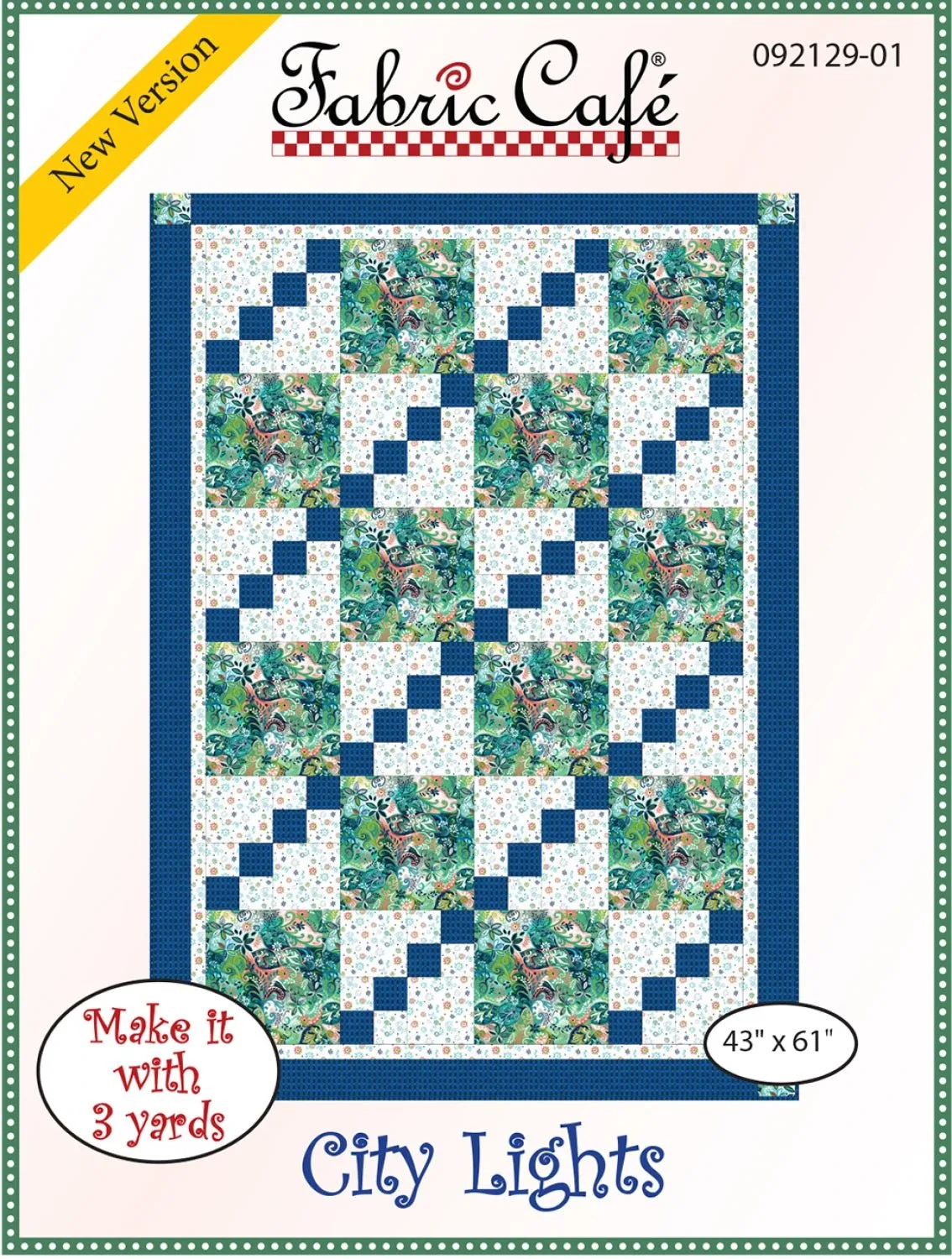
Before you cut into your fabric, take time to read through the entire City Harbor quilt pattern. Note the finished size, which for similar patterns like the City Lights Quilt Pattern is 43" x 61". This will help you determine how much fabric you need and how to arrange your workspace.
Look for any specific techniques mentioned, such as paper piecing or appliqué. If the pattern assumes prior knowledge, brush up on those skills beforehand. For beginners, consider practicing on scrap fabric to build confidence.
- Check the skill level indicated on the pattern to ensure it matches your experience.
Choosing Fabrics
Fabric selection plays a crucial role in the overall look of your quilt. The City Harbor pattern likely features a mix of colors and prints. For a cohesive design, choose fabrics that share a common color palette but offer contrast in value. For example, pair light blues with deep greens to make the cityscape motifs pop.
Consider using a focus fabric that includes multiple colors, then pull coordinating solids and prints from it. This approach simplifies the selection process and ensures harmony. If you're using a kit or pre-cut bundle, verify that the fabrics coordinate well under different lighting conditions.
- Hold fabric swatches together to see how they interact before committing.
Cutting and Preparation
Accurate cutting is essential for pieces to fit together perfectly. Always use a sharp rotary cutter and a clean cutting mat. Press your fabric before cutting to remove wrinkles, and use the grainline as a guide to avoid distortion.
If the pattern requires multiple pieces of the same shape, consider using a template or die-cutting system to ensure uniformity. For example, the Cut Loose Press I Love America Quilt Pattern suggests using Creative Grids rulers for accuracy. While not specific to City Harbor, this advice applies generally.
- Label your cut pieces with sticky notes to stay organized.
Piecing Techniques
Maintain a consistent seam allowance throughout your project. Test your machine's quarter-inch foot on scrap fabric to ensure accuracy. Press seams as directed, usually to one side or open, to reduce bulk and improve flatness.
When sewing complex blocks, chain piecing can save time and thread. After sewing each unit, check that measurements match the pattern. If something is off, correct it before proceeding to avoid compounding errors.
- Use a seam ripper sparingly; if you make a mistake, unpick and resew carefully.
Quilting and Finishing
Once your top is complete, choose a quilting design that complements the pattern. For a modern look, consider straight-line quilting or echo quilting around the cityscape motifs. If you're new to quilting, a simple stipple or meander design is forgiving.
Before quilting, baste your layers securely to prevent shifting. Use safety pins or basting spray. After quilting, trim excess batting and backing, and attach your binding. A well-finished binding adds a professional touch.
- Practice your quilting design on a small sample before starting on the actual quilt.
Step-by-Step Tips for Success
- Read the Pattern Thoroughly: Before starting, review the entire pattern to understand the construction sequence and required techniques. Checkpoint: You should be able to visualize the quilt assembly before cutting fabric.
- Prepare Your Fabric: Prewash and press your fabric to prevent shrinkage and color bleeding. This step is especially important for high-contrast fabrics. Checkpoint: Test a small swatch for colorfastness if you're unsure.
- Cut with Precision: Use a sharp rotary blade and a clear ruler. Ensure your cuts are accurate to the quarter-inch to avoid misalignment. Checkpoint: Measure a few pieces after cutting to verify they match the pattern dimensions.
- Master the Seam Allowance: Practice sewing a consistent quarter-inch seam. Use a seam guide or tape on your machine bed if needed. Checkpoint: Sew two scraps together and measure the resulting seam allowance.
- Press as You Go: Press seams after each step to keep blocks flat and accurate. Follow the pattern's pressing directions. Checkpoint: Your blocks should lie flat without puckering.
- Assemble the Quilt Top: Lay out your blocks before sewing to check color placement and contrast. Make adjustments as needed. Checkpoint: Step back and view the layout from a distance to ensure balance.
- Quilt and Bind with Care: Choose a quilting design that enhances the pattern. Baste securely and quilt evenly. Finish with a neatly mitered binding. Checkpoint: Your quilt should be flat and the binding secure.
Products to Help Your Quilting
- City Lights Quilt Pattern from Fabric Café Quilts: This quilt design features a vibrant mix of blue and green hues, with intricate cityscape motifs, all framed by a classic checkerboard border. The quilt measures 43" x 61". If you're drawn to the City Harbor style, this pattern offers a similar urban aesthetic with clear instructions, perfect for practicing the techniques discussed.
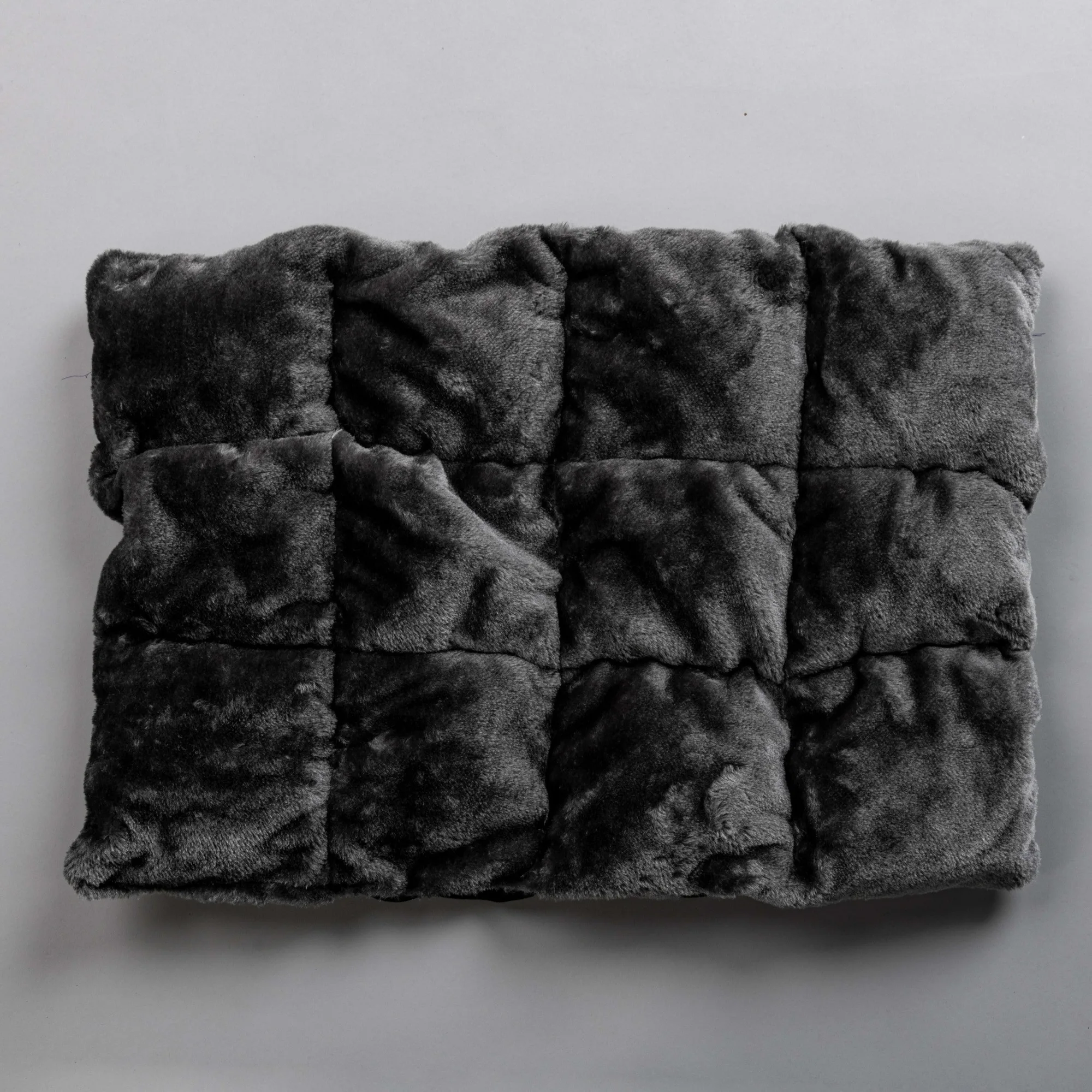
- BLANK QUILTING - Petals & Pewter by Danielle Hartgers - Tree Trunk Geo - Med Gray: 100% cotton quilting fabric, 44/45 inch wide. High-quality cotton fabric ensures accurate cutting and durability, making it an excellent choice for your City Harbor quilt.
With these tips, you're well on your way to creating a stunning City Harbor quilt. Remember to enjoy the process and learn from each step. Happy quilting!