Quick Answer
CLA is not a magic fat burner. It is a fatty acid sold as a supplement, and the marketing around it often outruns what the label can honestly promise. If you are looking for a single pill to replace diet and exercise, CLA will disappoint you. If you want a supporting ingredient to pair with solid habits, it is worth understanding what it is and what it is not before you spend money on it.
Walk down any supplement aisle and you will see CLA marketed as a shortcut to a leaner body. The claims are bold: burn fat, boost metabolism, lose weight without changing anything else. That is a tempting pitch, especially when the bottle is inexpensive and the before-and-after photos look convincing.
But CLA is not a stimulant, a thermogenic, or a meal replacement. It is a type of fat, and like any supplement, it works inside the limits of your overall diet and activity. This article separates the common claims from the label facts so you can decide whether a CLA supplement deserves a spot in your routine.
What CLA Actually Is
Conjugated linoleic acid is a family of naturally occurring fatty acids found in small amounts in meat and dairy from ruminant animals. A CLA supplement delivers a concentrated dose of those fatty acids in capsule form. It is not a vitamin, mineral, or herb, and it does not act like a stimulant. That matters because many people expect a jittery, appetite-suppressing effect and then feel nothing.
Because CLA is a fat, it is usually taken with meals to support absorption. The label will tell you the serving size, the amount of CLA per serving, and whether the product uses a specific isomer blend. If those details are missing, that is a red flag. A transparent label is the minimum you should expect before buying any CLA supplement.
- Check the serving size: some labels require two or more softgels per dose.
- Look for the specific CLA isomers listed, not just a generic 'CLA blend.'
- Take it with food if the label recommends it, since it is a fat-based ingredient.
Claim: CLA Melts Fat Without Diet or Exercise
This is the biggest myth in the category. No supplement can override a calorie surplus or replace physical activity. CLA is not a fat burner in the way stimulants are marketed; it does not dramatically increase heart rate or body temperature. If your diet and training are inconsistent, CLA will not create results on its own.
The honest framing is that CLA is a supporting ingredient, not a solution. It may fit into a broader routine that already includes protein, fiber, and regular movement, but it cannot carry that routine by itself. Anyone promising otherwise is selling a story, not a supplement.
- Treat CLA as a small piece of a larger plan, not the plan itself.
- Track your calorie intake for a week before adding any weight-management supplement.
- If a label promises dramatic fat loss with no effort, walk away.
Claim: All CLA Supplements Are Basically the Same
Not true. CLA products can differ in the isomer ratio, the source of the fatty acid, the serving size, and the form of the softgel. Some use safflower oil as the base, while others use different carrier oils. These differences affect how much you actually take per dose and how easy the product is to use consistently.
This is where reading the label matters more than reading the marketing. A cheap CLA supplement with a vague blend and a large serving size may cost more per day than a slightly pricier bottle with a clear, concentrated dose. Compare cost per serving, not just the sticker price.
- Calculate cost per serving, not cost per bottle.
- Look for a clearly stated isomer profile or a named oil source.
- Check whether the softgel is easy to swallow and whether the dose fits your routine.
Claim: CLA Is a Proven Weight-Loss Cure
The research on CLA is mixed, and the effects in studies tend to be modest at best. It is not a cure, and it is not a replacement for medical treatment. If you have a health condition or take prescription medication, talk to your healthcare provider before adding CLA or any other supplement to your routine.
That does not mean CLA is useless. It means the honest verdict is 'possibly helpful, definitely not magical.' If you set realistic expectations, you are less likely to be disappointed and more likely to notice whether it fits your routine at all.
- Give any supplement at least a few weeks of consistent use before judging it.
- Do not stop prescribed medication or medical treatment in favor of a supplement.
- Keep a simple log of energy, appetite, and training to see if anything changes.
How to Read a CLA Label Before You Buy
Start with the serving size and the amount of CLA per serving. Then look for the isomer breakdown and the oil source. A label that lists these details is more transparent than one that hides behind a proprietary blend. You should also check the other ingredients: some CLA softgels include added oils or fillers that you may not want.
Finally, match the product to your routine. If you already struggle to take one pill a day, a CLA supplement that requires two or three softgels per serving will likely sit unused. Convenience matters more than most people admit, and a supplement you actually take is the only one that can do anything.
- Prefer labels that disclose the CLA isomer profile.
- Check the serving size against your willingness to take multiple softgels daily.
- Scan for allergens or ingredients you want to avoid.
CLA Verdicts: What to Believe
- CLA burns fat on its own: CLA is a fatty acid, not a stimulant or a fat burner. It cannot replace a calorie deficit or exercise. Verdict: Myth. Treat CLA as a supporting ingredient, not a solution.
- All CLA supplements are the same: Isomer ratios, oil sources, and serving sizes vary widely between products. A vague label usually means a lower-quality product. Verdict: Myth. Compare cost per serving and look for a transparent label.
- CLA is a proven weight-loss cure: The research is mixed and the effects are modest. CLA is not a cure, and it is not a substitute for medical care. Verdict: Fiction. Set realistic expectations and talk to your doctor if you have health concerns.
- CLA can fit into a sensible routine: If you already eat well, train consistently, and want a simple supporting ingredient, CLA may be worth trying. Just do not expect it to do the heavy lifting. Verdict: Possibly useful. Give it a few weeks and judge for yourself.
Label Facts That Matter
- Green Tea Extract: 1000 mg green tea extract, standardized to contain 98% polyphenols, vegan, serving size of 2 capsules. Green tea extract is a common companion ingredient in weight-management routines because it is standardized and easy to stack with other supplements. The clear polyphenol percentage makes the label easy to compare.
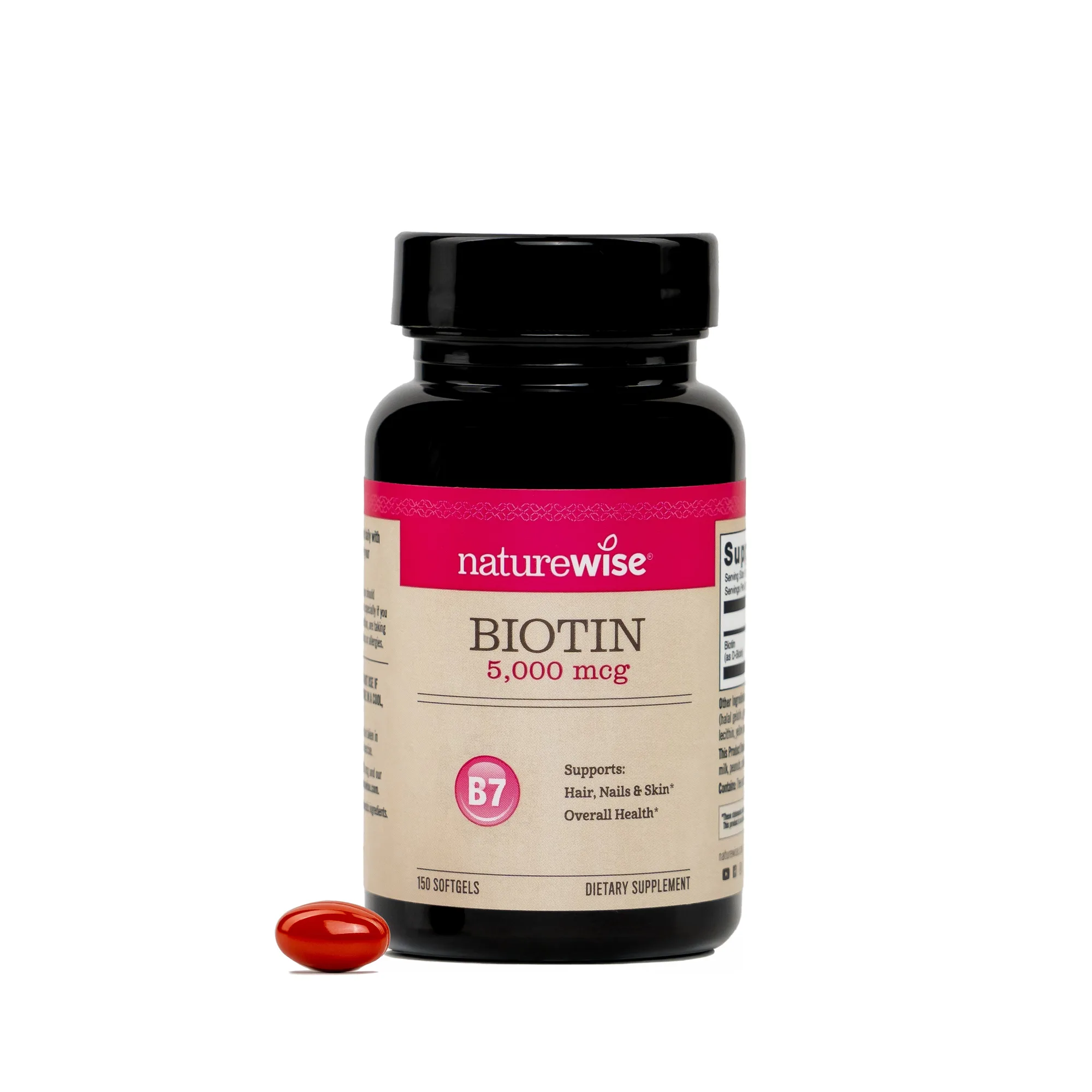
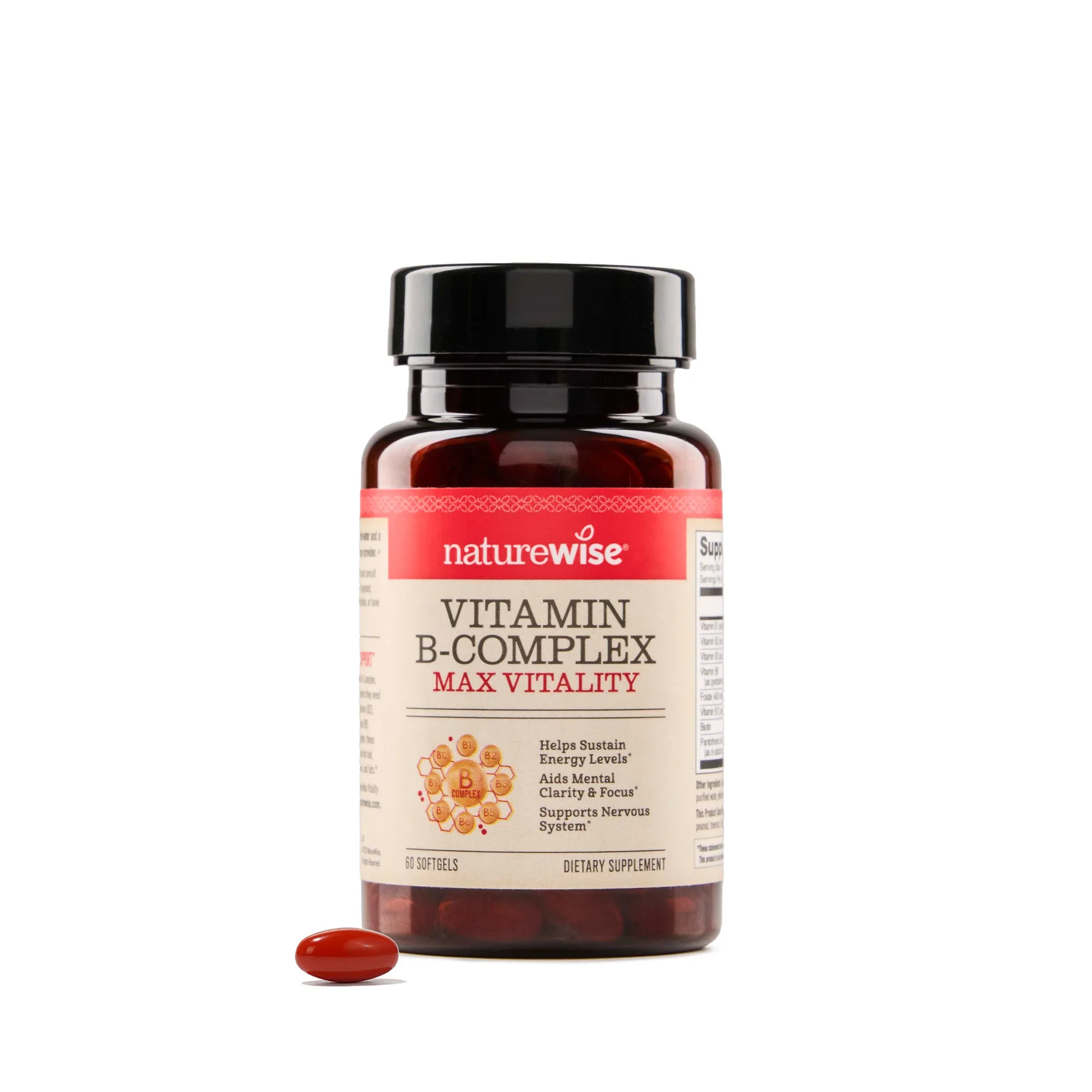
- Vitamin B Complex: Contains B1, B2, B3, B6, biotin (B7), folic acid (B9), and B12; NSF Contents Certified, dairy free, non-GMO, serving size of 1 softgel. B vitamins support energy levels and mental clarity, which matter when you are adjusting your diet or training. A single-softgel serving is easy to keep consistent.
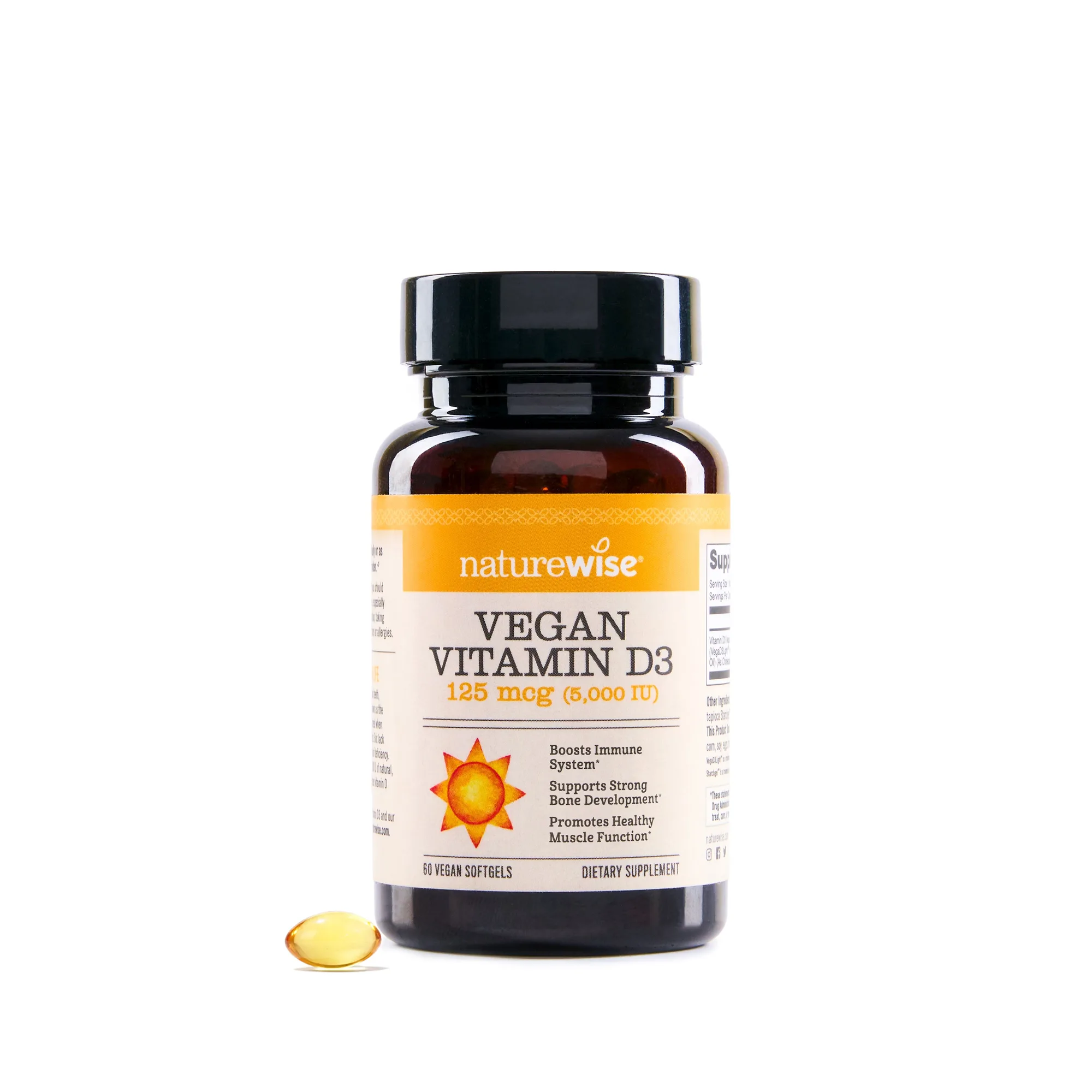
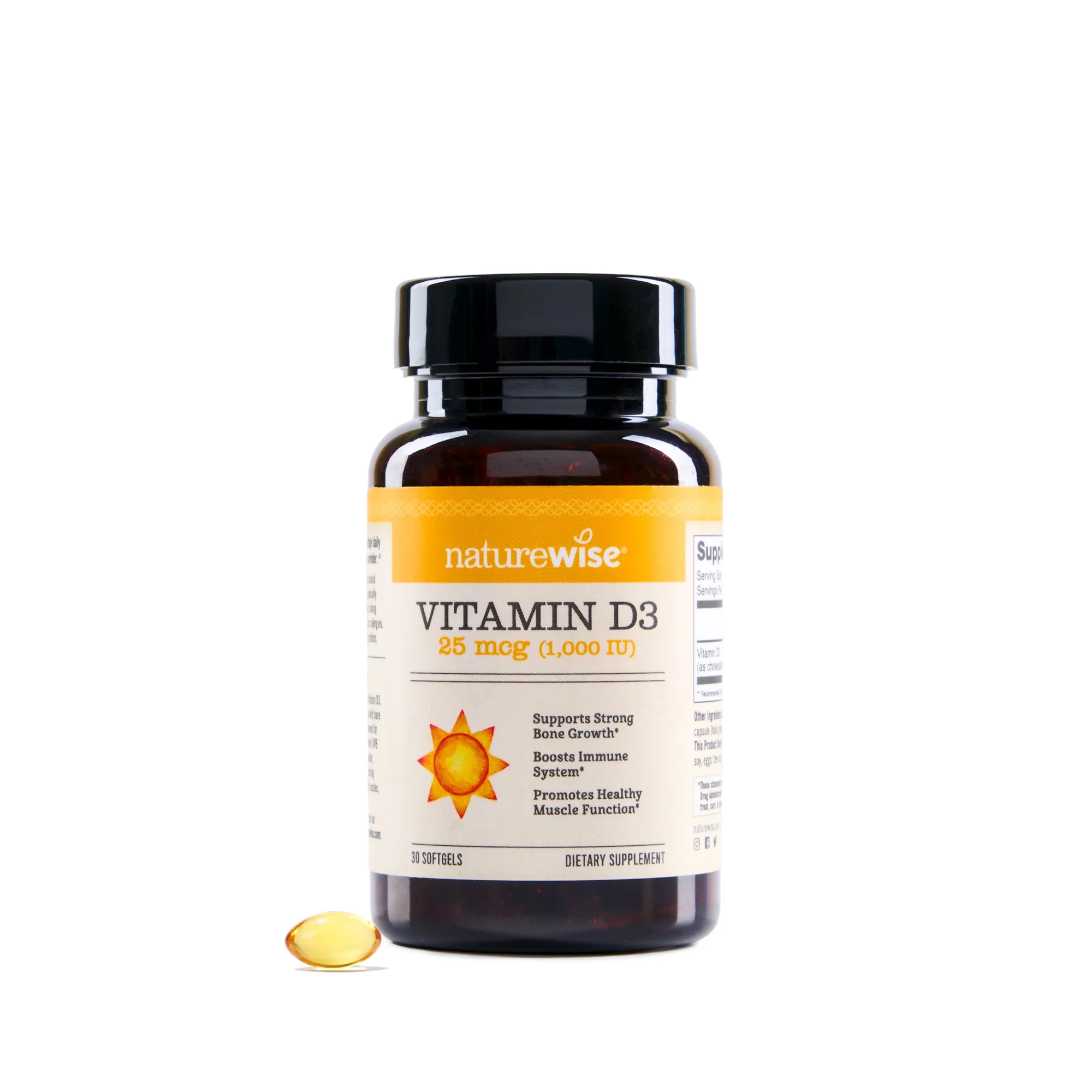
- Vegan Vitamin D3: NSF Contents Certified, vegan, soy free, made with extra virgin olive oil, serving size of 1 vegan softgel. Vitamin D3 supports immune health, bone health, and muscle function. If you are cutting calories or training harder, these are areas you do not want to neglect.
CLA is not a magic pill, but it is also not worthless. The smart move is to ignore the hype, read the label, and treat it as one small part of a routine that already works. If you decide to try a CLA supplement, buy from a brand that tells you exactly what is in the bottle and why.