Quick answer
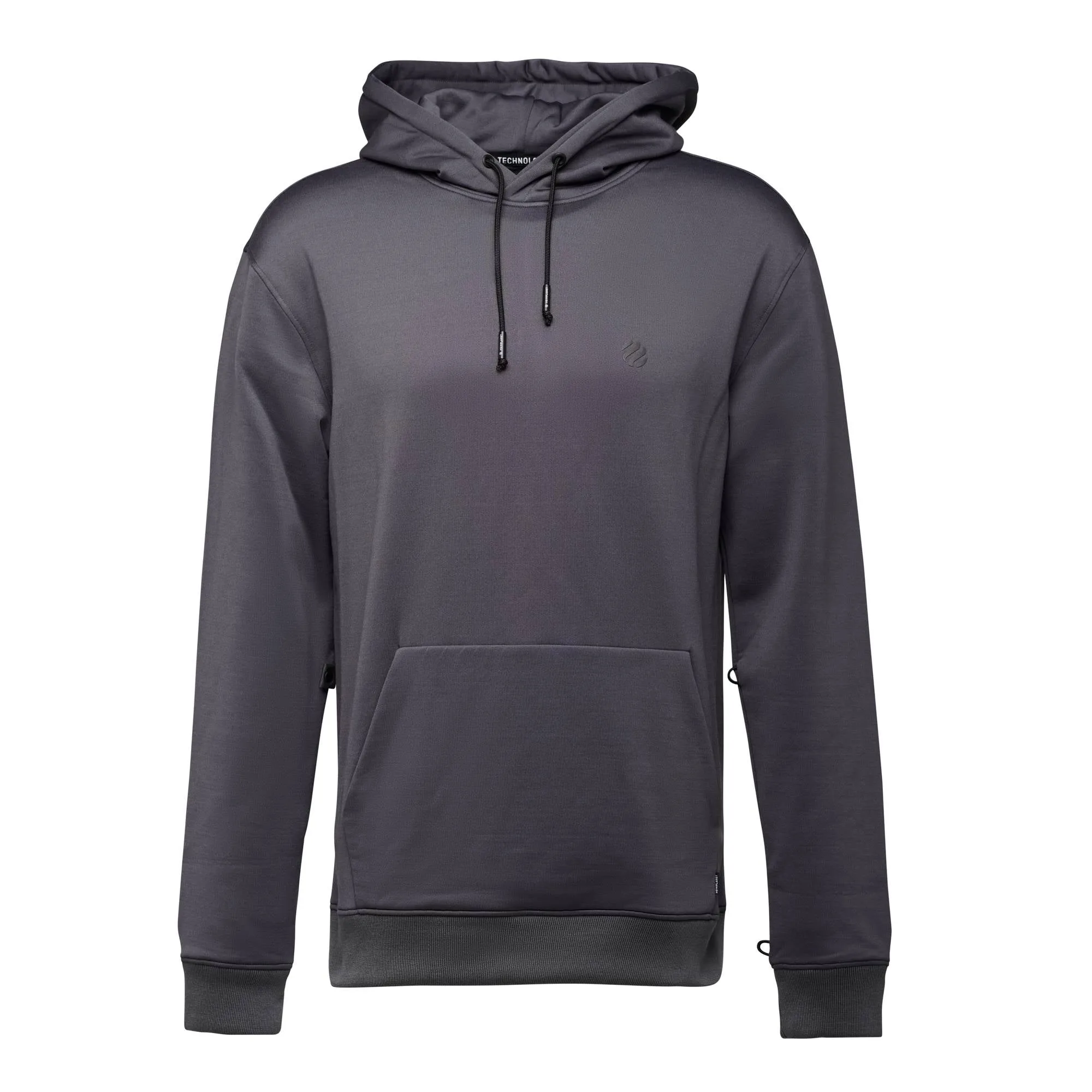
Buy a classic heavyweight hoodie when you want a warm mid layer that blocks light wind and holds its shape under a pack. Choose a trim-but-not-tight fit so it slides under a shell without bunching, and treat it as a mid layer, not a rain layer. If you need weatherproofing or serious packability, a hoodie alone will not replace a dedicated shell.
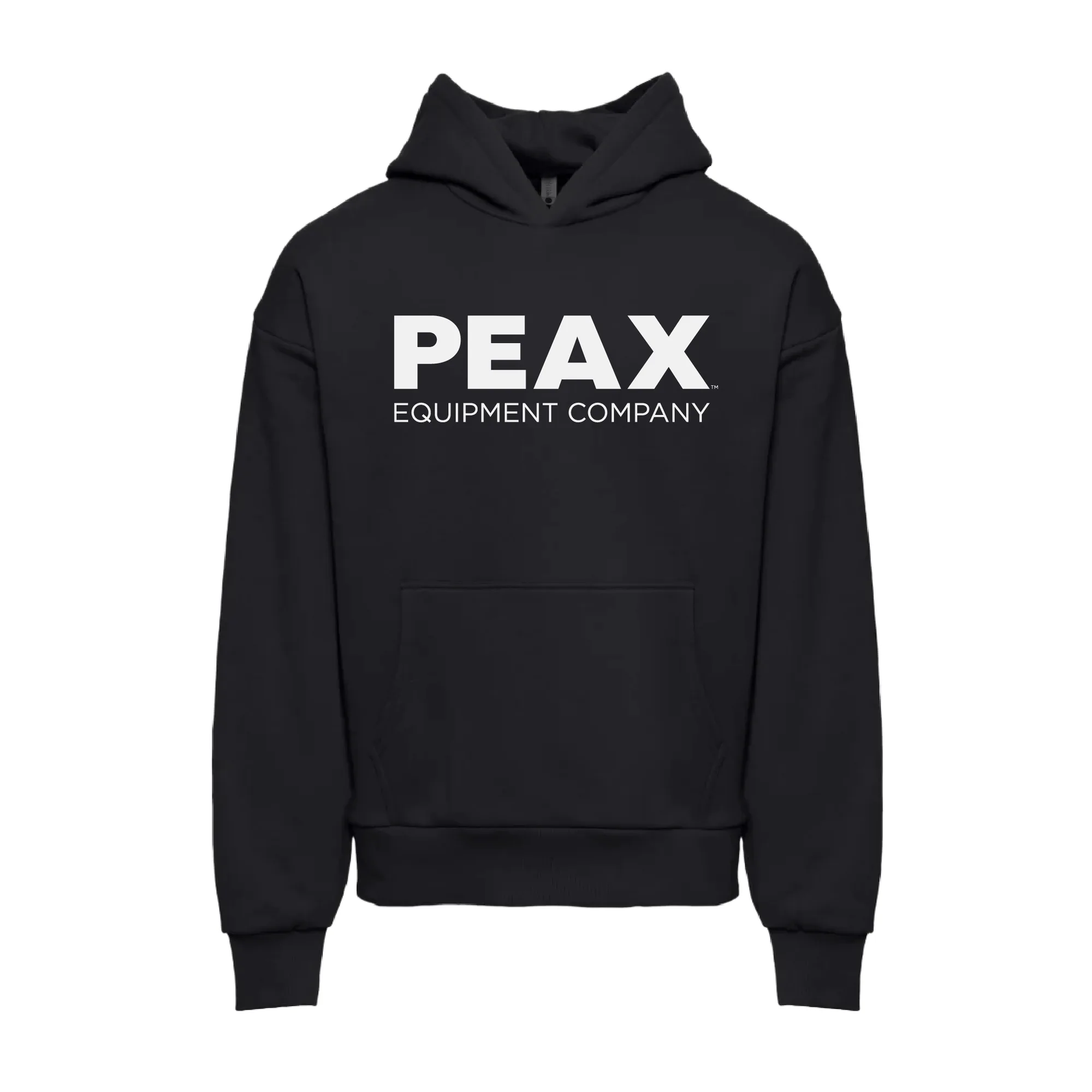
classic heavyweight hoodie
A heavyweight hoodie is one of the most useful pieces in a backcountry kit because it works in three places: around camp, under a jacket on a cold morning, and as a standalone layer when you stop moving. The catch is that heavyweight means different things to different brands, and the wrong fit can ruin an otherwise good layer.
This guide covers what fabric weight actually changes, how to read fit before you order, how hunting hoodie layering works under a shell, and how to wash a heavyweight hoodie so the fleece does not mat down after a season.
What heavyweight fabric actually changes
Heavyweight hoodie fabric is denser and usually lofted on the inside, which traps more warm air and resists light wind better than a thin cotton or poly tee. That density is why a good heavyweight hoodie feels substantial in hand and keeps its shape after repeated wear. It also means the hoodie takes longer to dry and packs down larger than a midweight fleece.
For hunting hoodie layering, that trade-off matters. A denser hoodie is a better mid layer in cold, dry conditions, but it is a poor choice for wet brush or heavy sweat climbs where a lighter grid fleece dries faster. Match the fabric to the conditions you actually hunt, not the coldest day you can imagine.
- Denser fabric equals more warmth and wind resistance, but slower drying and more pack volume.
- If you run hot on the climb, a heavyweight hoodie may be too much for the approach.
- Check the blend: cotton-poly holds shape well; high cotton content dries slowly when wet.
How to read fit before you order
Fit is the most common reason a hoodie gets left at home. A hoodie that is too loose bunches under a pack strap and lets cold air move around your core. One that is too tight restricts reach when you glass or climb and pulls at the shoulders. The sweet spot is a trim-but-not-tight fit with room for a base layer underneath.
Use your normal shirt size as a starting point, then size up only if you plan to wear the hoodie over a heavy base layer. If you are between sizes, size up for layering and size down for a standalone camp layer. Sleeve length matters too: you want the cuff to reach the base of your hand without covering your fingers when you grip a trekking pole.
- Try the hoodie on over your actual base layer, not a t-shirt.
- Raise your arms overhead; if the hem climbs above your belt, it is too short.
- Check the hood: it should sit over a beanie without pulling the collar tight.
Layering a hoodie under a jacket
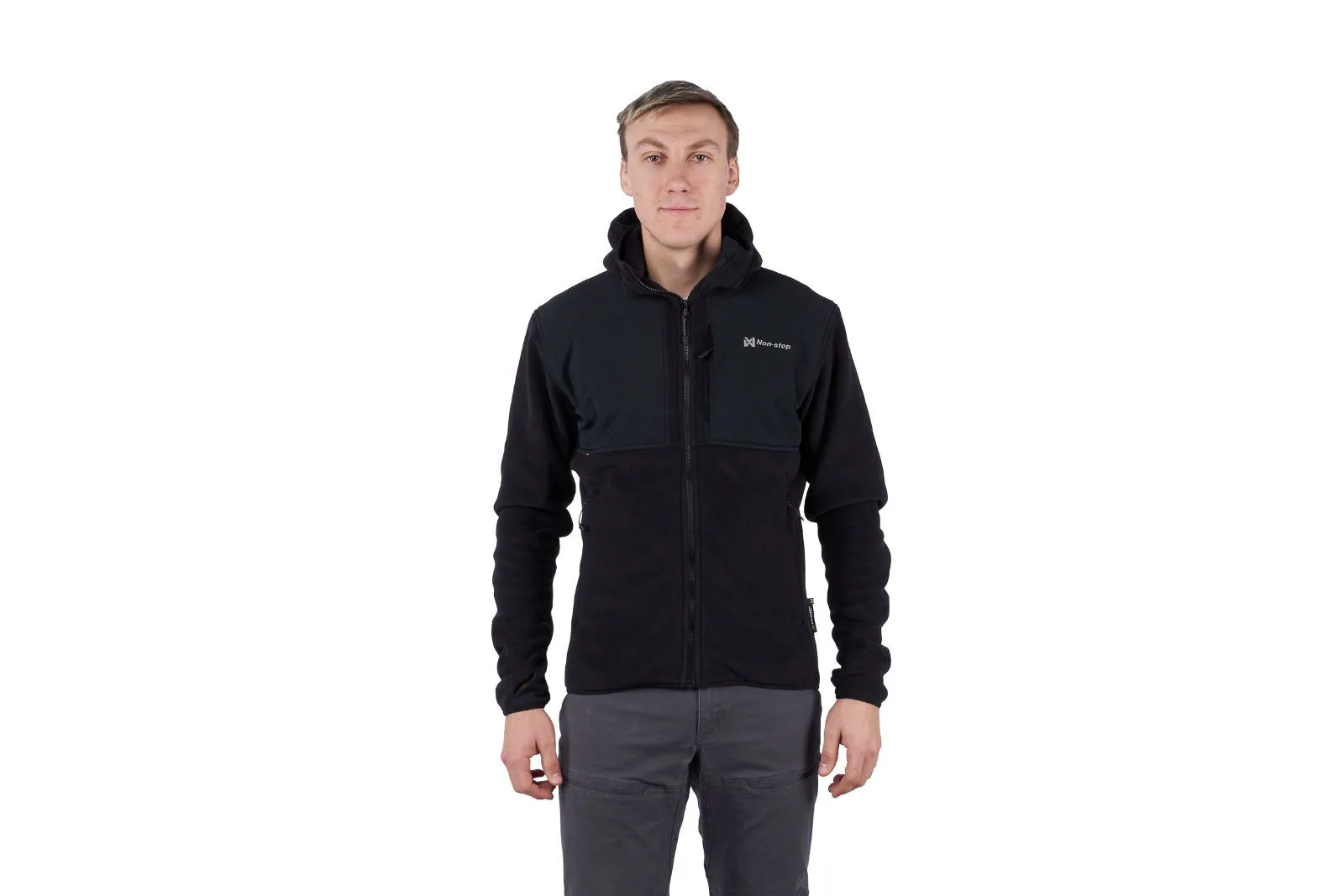
The layering hoodie under jacket setup works best when each layer has a clear job. Base layer moves sweat away, the hoodie traps warmth, and the shell blocks wind and rain. If the hoodie is too bulky, it compresses the insulation in your shell and you end up colder than if you wore less.
A practical test: put on your full system, then reach across your body and bend forward. If you feel tightness across the back or the hoodie rides up, the fit is wrong for layering. In camp, the same hoodie can be worn alone over a base layer, which is why it earns pack space on most trips.
- Wear the hoodie as the mid layer, never as the outermost layer in rain.
- If you overheat on the climb, vent the shell first before removing the hoodie.
- Keep a dry bag for the hoodie if you expect river crossings or heavy rain.
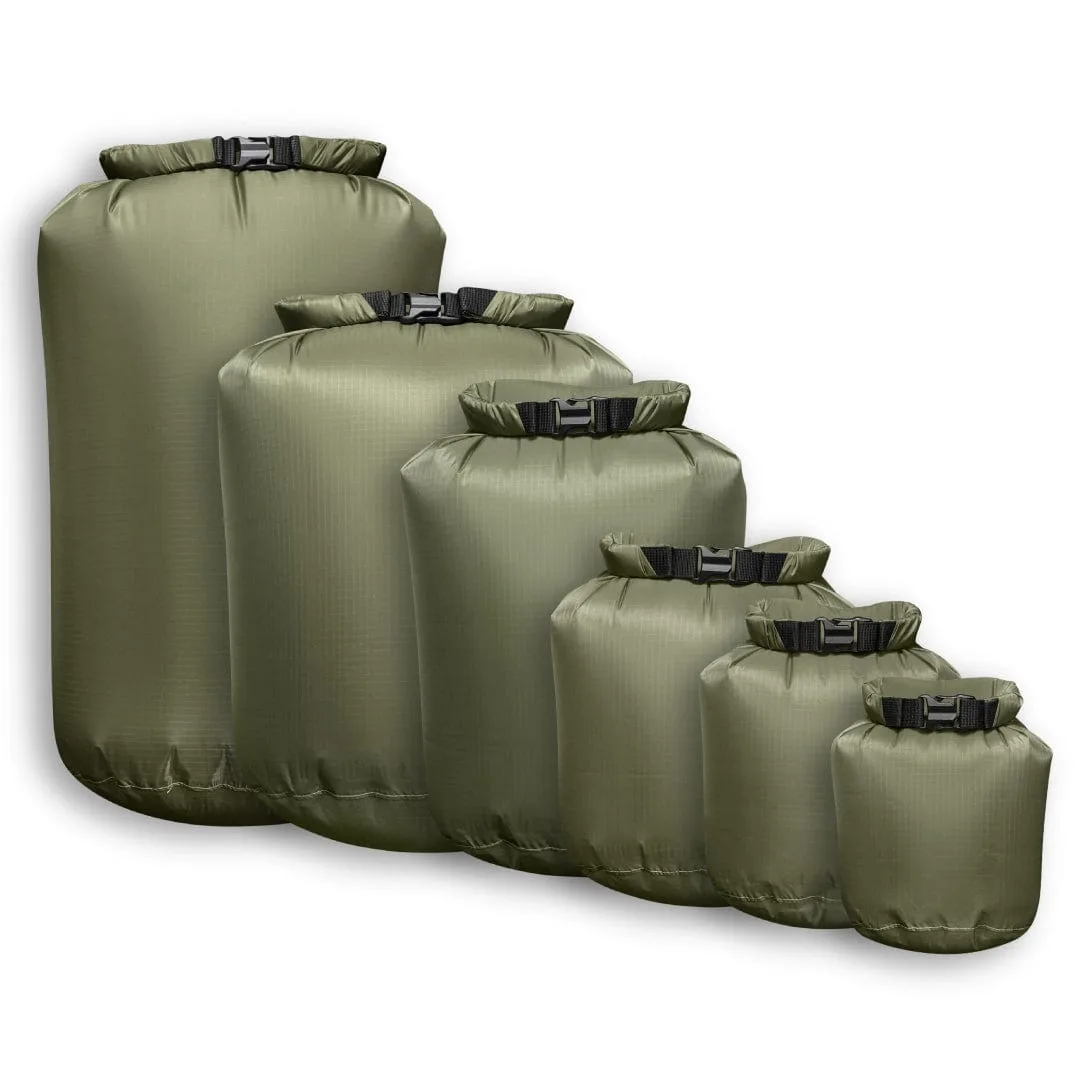
dry bag
Care that keeps heavyweight fleece alive
Heavyweight hoodie care is mostly about avoiding heat and friction. Wash cold, turn it inside out, and skip fabric softener, which coats the fleece and reduces loft. Tumble dry low or hang dry; high heat is what shrinks cuffs and mats the inside face.
If the hoodie gets muddy or bloody, rinse it soon rather than letting residue dry into the fabric. For long storage, fold it rather than hanging it on a wire hanger, which stretches the shoulders over time. A hoodie treated this way will keep its warmth and shape for several seasons.
- Wash cold, inside out, with like colors and no softener.
- Air dry or tumble low; never high heat.
- Store folded, not hung, to protect the shoulders.
Decision rules for choosing a heavyweight hoodie
- If you mostly hunt cold and dry: Choose a denser heavyweight hoodie with a lofted interior and a trim fit for layering under a shell. Warmth and wind resistance are the priority; pack size is secondary.
- If you hunt wet or humid country: Choose a lighter, faster-drying hoodie or carry a dry bag so the hoodie stays dry until you stop moving. A soaked heavyweight hoodie is heavy and cold; dryness beats thickness.
- If you run hot on the climb: Size for a base layer only and plan to add the hoodie at glassing points rather than wearing it on the move. Use the hoodie as a stop layer, not a start layer.
- If you are between sizes: Size up for layering under a jacket and size down for standalone camp use. Fit decides whether the hoodie actually gets worn.
- If you want one hoodie for everything: Pick a midweight-to-heavyweight blend with a classic fit and wash it cold to preserve the fleece. One good hoodie beats three that fit poorly.
Gear that pairs with a heavyweight hoodie
- DRY BAG: The PEAX watertight Dry Bag protects clothing, food, electronics, and other essential gear from rain, snow, river crossings, and unexpected moisture in the backcountry. Your hoodie is only warm when it is dry, so a dry bag is the cheapest way to protect it on wet hunts.
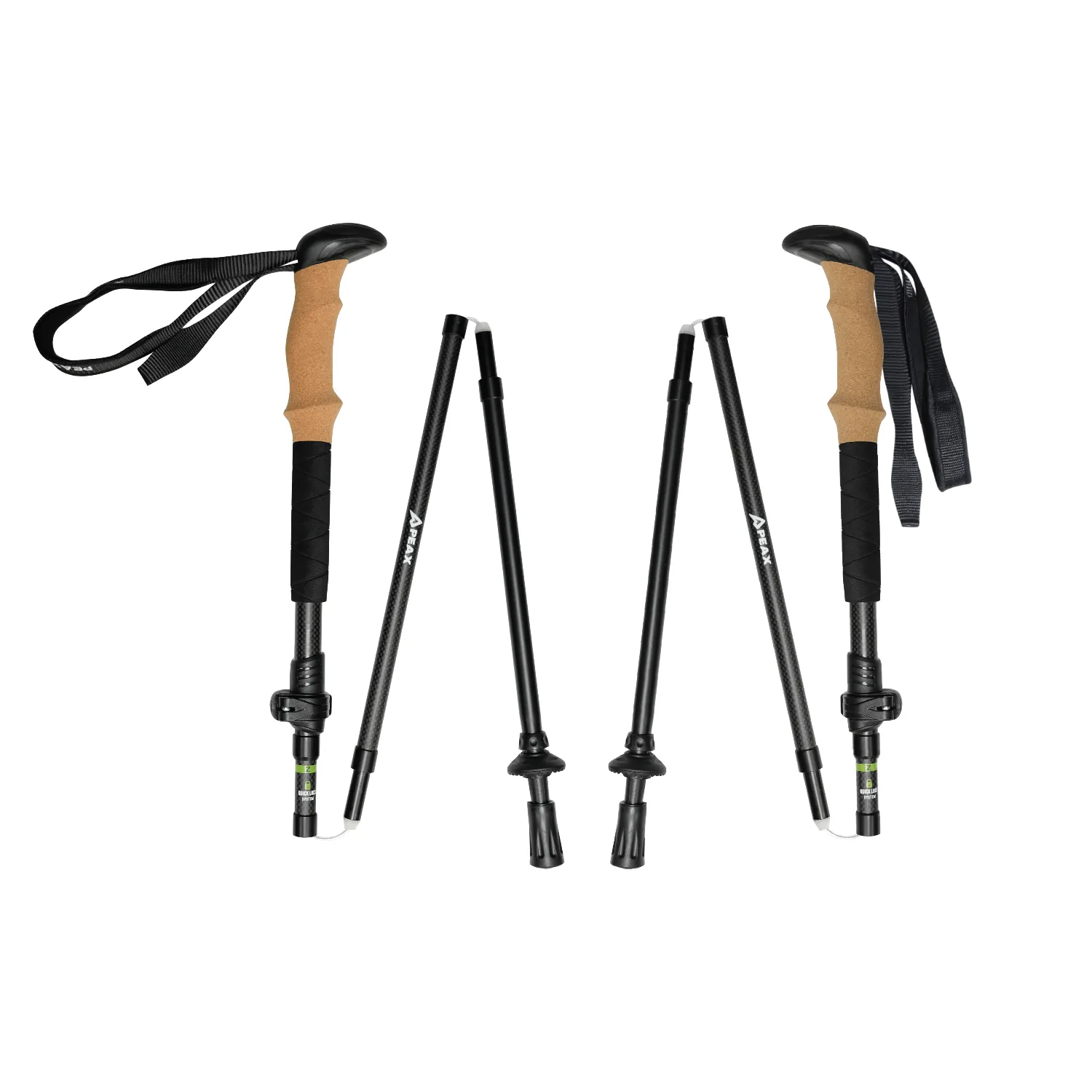
- PEAX BACKCOUNTRY Z (CORK) TREKKING POLES: The PEAX Backcountry Z cork trekking poles provide added stability and confidence while packing down small when they're no longer needed, with lightweight performance, compact storage, and all-day comfort in demanding mountain terrain. Poles reduce the effort of steep climbs, which means you sweat less and rely less on your hoodie for warmth on the move.
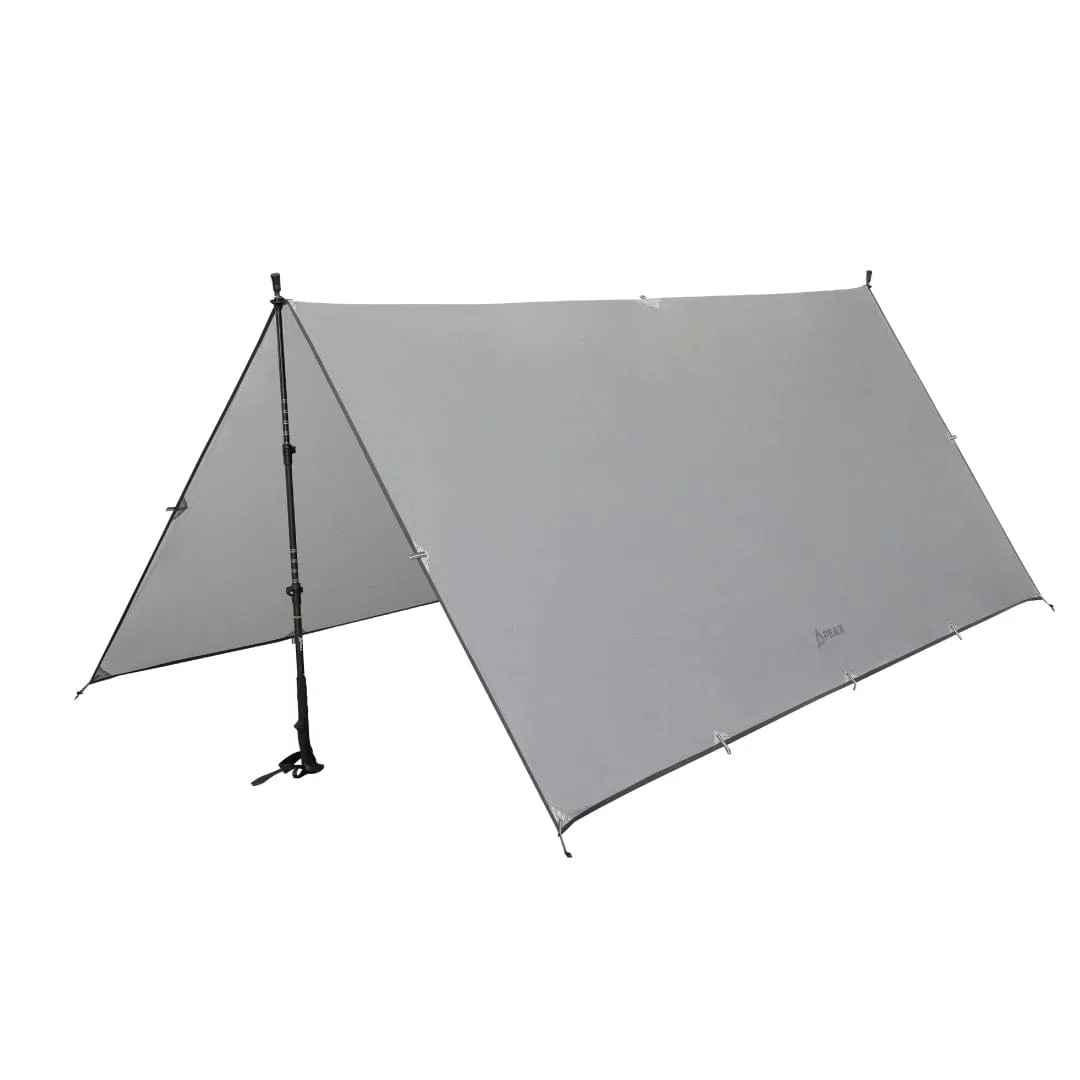
- SOLITUDE TARP [SILNYLON]: The PEAX Solitude is a hunting tarp built to provide lightweight weather protection, versatile shelter options, and dependable coverage without adding unnecessary pack weight. A tarp gives you a dry place to change layers and store a hoodie overnight, which protects the fleece from dew and rain.
Who a classic heavyweight hoodie is for
Best for
- Hunters who want a warm mid layer for cold, dry mornings and camp evenings
- Anyone layering under a shell who needs a trim-but-not-tight fit
- Hunters who value shape retention and wind resistance over packability
Not for
- Hunters who need a waterproof outer layer in sustained rain
- Warm-weather or high-exertion hunts where fast drying matters most
- Anyone who wants a compressible layer that disappears into a small pack pocket
A classic heavyweight hoodie earns its place when the fabric, fit, and layering plan match your conditions. Get the fit right, keep it dry, wash it cold, and it will be the layer you reach for from the truck to the glassing point.