Quick answer
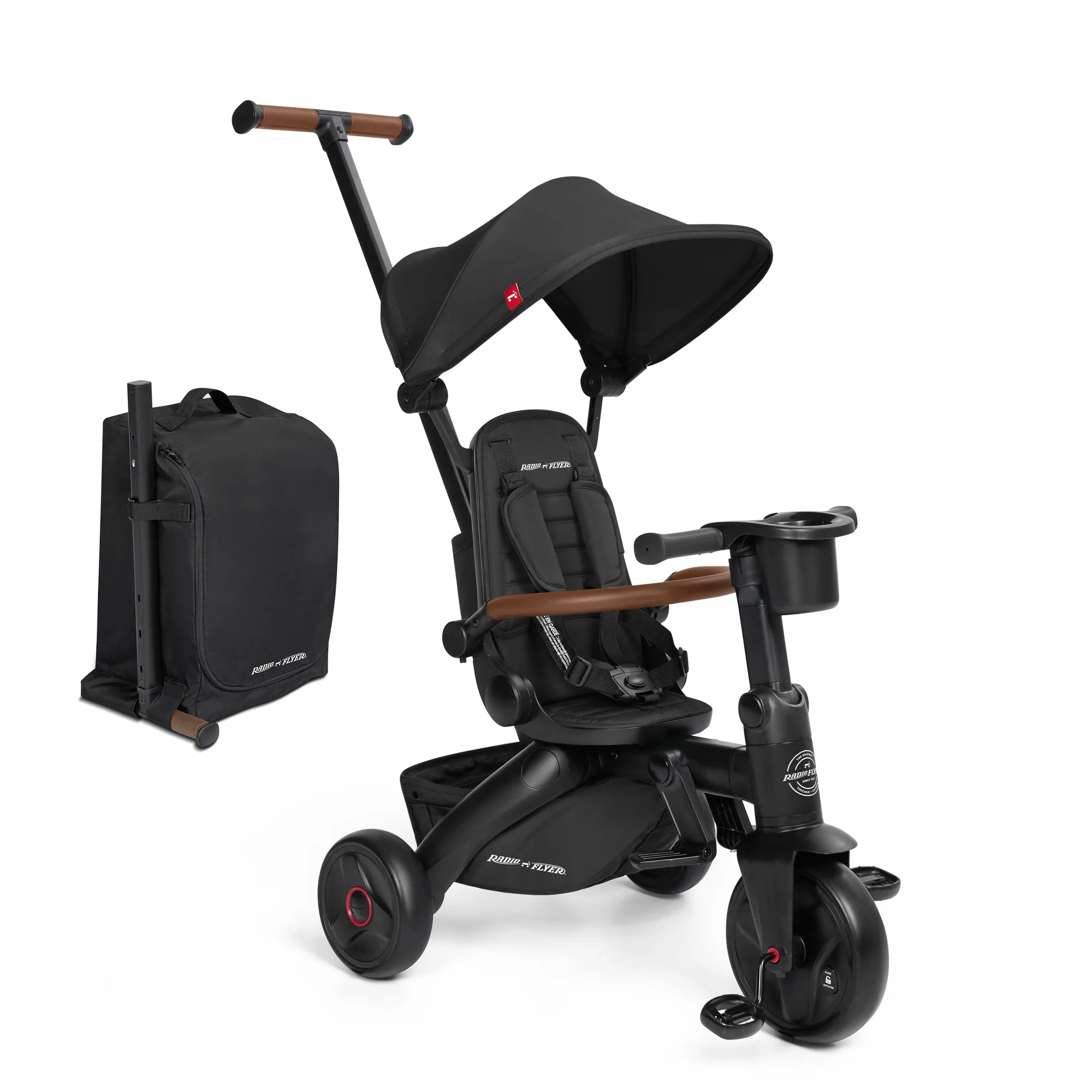
A classic pedal tricycle is best for toddlers who already have good leg strength and coordination (typically ages 3 and up) and are ready to pedal independently. A push tricycle with a parent handle is better for younger toddlers (ages 1-2) or cautious children who still need guidance and a bit of steering help. If you want a single ride-on that grows with your child, look for a convertible model that transitions from push to pedal.
How they differ in independence and control
The main difference between a classic tricycle and a push tricycle comes down to who controls the steering and speed. On a classic pedal tricycle, your child pedals and steers entirely on their own. That builds confidence and coordination, but it also means they can roll into trouble if they haven't mastered stopping or turning. A push tricycle has a long parent handle so you can steer and brake for them, which is ideal for walks around the neighborhood or busy sidewalks. The trade-off is that your child gets less practice with independent steering and pedaling.
Age and skill considerations
Most classic tricycles are sized for children ages 3 to 5, when leg length and pedaling ability are developed enough. Push tricycles often fit children as young as 12 months, with adjustable seats and canopies that make them practical for longer outings. If your toddler is still unsteady on their feet or hasn't shown interest in pedaling, a push tricycle is the safer, more comfortable starting point. Once they outgrow the need for a handle, you can transition them to a classic tricycle or a convertible model.
Trade-offs at a glance
- Classic tricycle gives full independence: Your child learns to pedal, steer, and stop on their own. Great for confidence and coordination, but you lose the ability to intervene quickly. Best for confident 3+ year-olds who are ready to ride solo.
- Push tricycle keeps you in control: You steer and brake via the parent handle, making walks safer and less stressful. Your child sits back and enjoys the ride, but they get less pedaling practice. Ideal for younger toddlers (1-2 years) or cautious riders.
- Convertible models offer the best of both: Some tricycles start as a push model and later convert to a classic pedal trike. This extends the usable life but often costs more and may have a more complex fold. Consider a convertible if you want one ride-on to last from age 1 to 4.
Product facts to consider
- Pathfinder 4-Seat Stroller Wagon: The Radio Flyer Pathfinder 4-Seat Stroller Wagon is designed for families who love outdoor adventures and everyday outings. This versatile wagon offers comfortable seating for up to four children, making it an ideal choice for trips to the park, neighborhood strolls, or family excursions. If your priority is transporting multiple children together (not just one toddler on a tricycle), this wagon gives you a stroller-like push experience with room for up to four kids, plus cargo space for gear.
- Trav'ler Stroll 'N Wagon with Protective Cover: Radio Flyer’s Trav’ler Stroll ‘N Wagon™ makes traveling a… Convenient push or pull steering. Easy one-hand fold; wagon folds flat for easy storage. Durable rubber wheels with bearings provide a smooth ride. 5-point safety harnesses and rear brake. Removable UV protection canopy with peek-a-boo mesh window. For parents who want a pushable ride that's more enclosed and stable than a tricycle, this wagon offers a smooth ride, sun protection, and a fold-flat design for storage. It's a strong alternative to a push tricycle for outings with a single toddler.
Which one fits your toddler?
Best for
- Toddlers age 3+ who already show interest in pedaling and steering independently
- Parents who want a simple, no-fuss ride-on that encourages self-directed play
Not for
- Toddlers under 2 or those who still need a parent to guide steering and speed
- Families who need a ride-on that can also carry groceries or a second child