Quick Answer
Conversation cards are a simple, effective tool for sparking meaningful student discussion in any classroom. Start with clear objectives, model the process, and use structured activities to build confidence and engagement.
Engaging students in discussion can be one of the biggest challenges teachers face. Whether you're leading a morning meeting, a social studies unit, or a team-building session, conversation cards offer a low-pressure way to get every student talking.
Unlike open-ended prompts that can feel intimidating, conversation cards provide a clear starting point. They work across grade levels and subjects, helping students practice communication skills while building a more connected classroom community.
Why Conversation Cards Work in the Classroom
Conversation cards are effective because they lower the barrier to participation. A student who might hesitate to answer a broad question like 'What did you learn today?' often responds well to a specific, relatable prompt like 'What is one thing you'd like to know more about?'
They also create structure. When every student has a card, discussions become more equitable—shy students get a turn, and dominant voices learn to listen. This structure is especially useful for teaching communication skills like turn-taking, active listening, and asking follow-up questions.
- Use cards as a warm-up activity to get students focused and ready to learn.
- Pair cards with group work to encourage collaboration and peer-to-peer interaction.
Choosing the Right Conversation Cards for Your Class
Not all conversation cards are created equal. For younger students or those new to structured discussion, look for decks with simple, lighthearted prompts that build confidence. The 'Small Talk' edition is designed to break the ice and help students connect at the start of the year or when new students join the class.
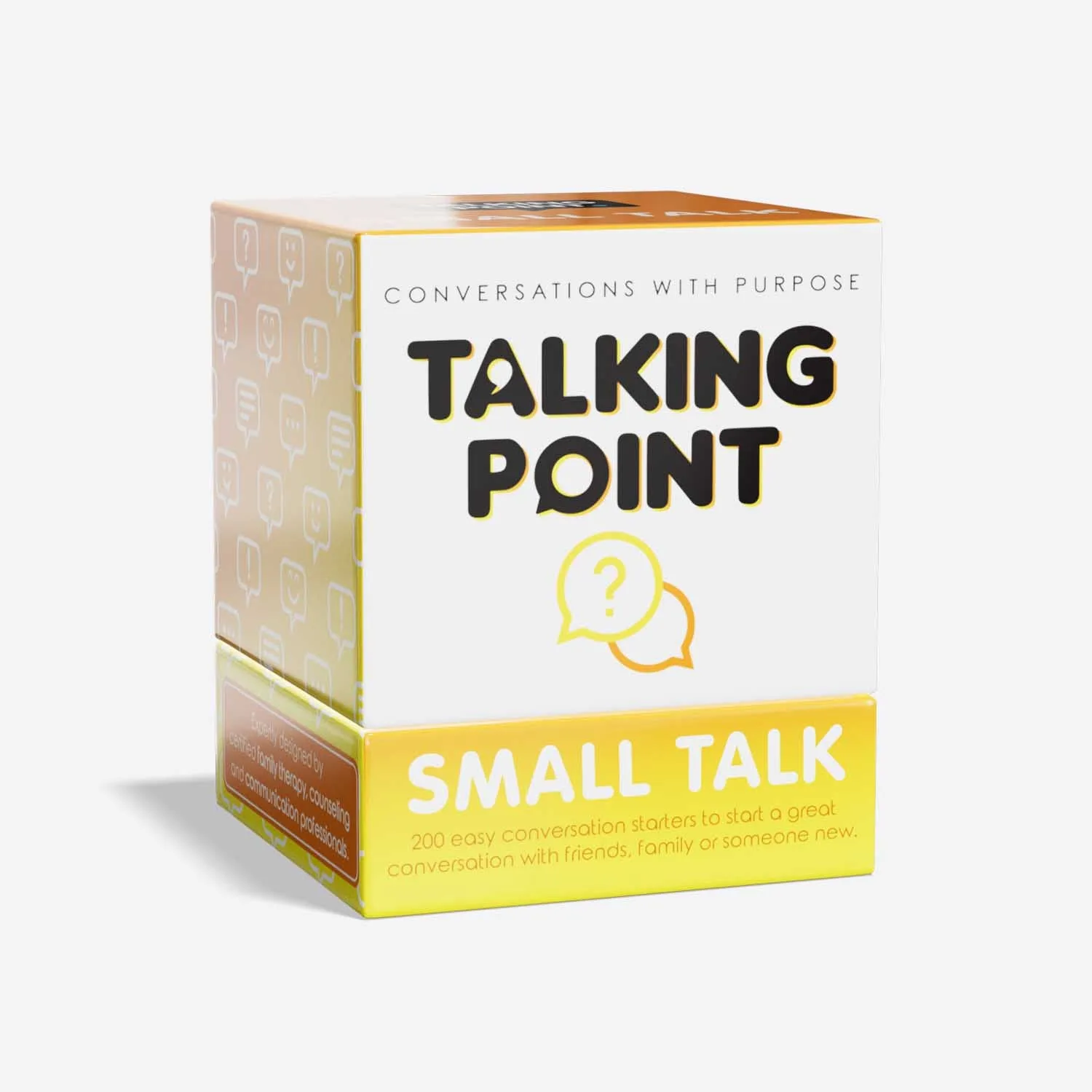
Small Talk
For older students or more focused discussions, consider decks that encourage deeper reflection. The 'Teens' edition is crafted to help quiet teenagers open up without awkwardness, making it a great fit for middle and high school advisory periods or SEL lessons.
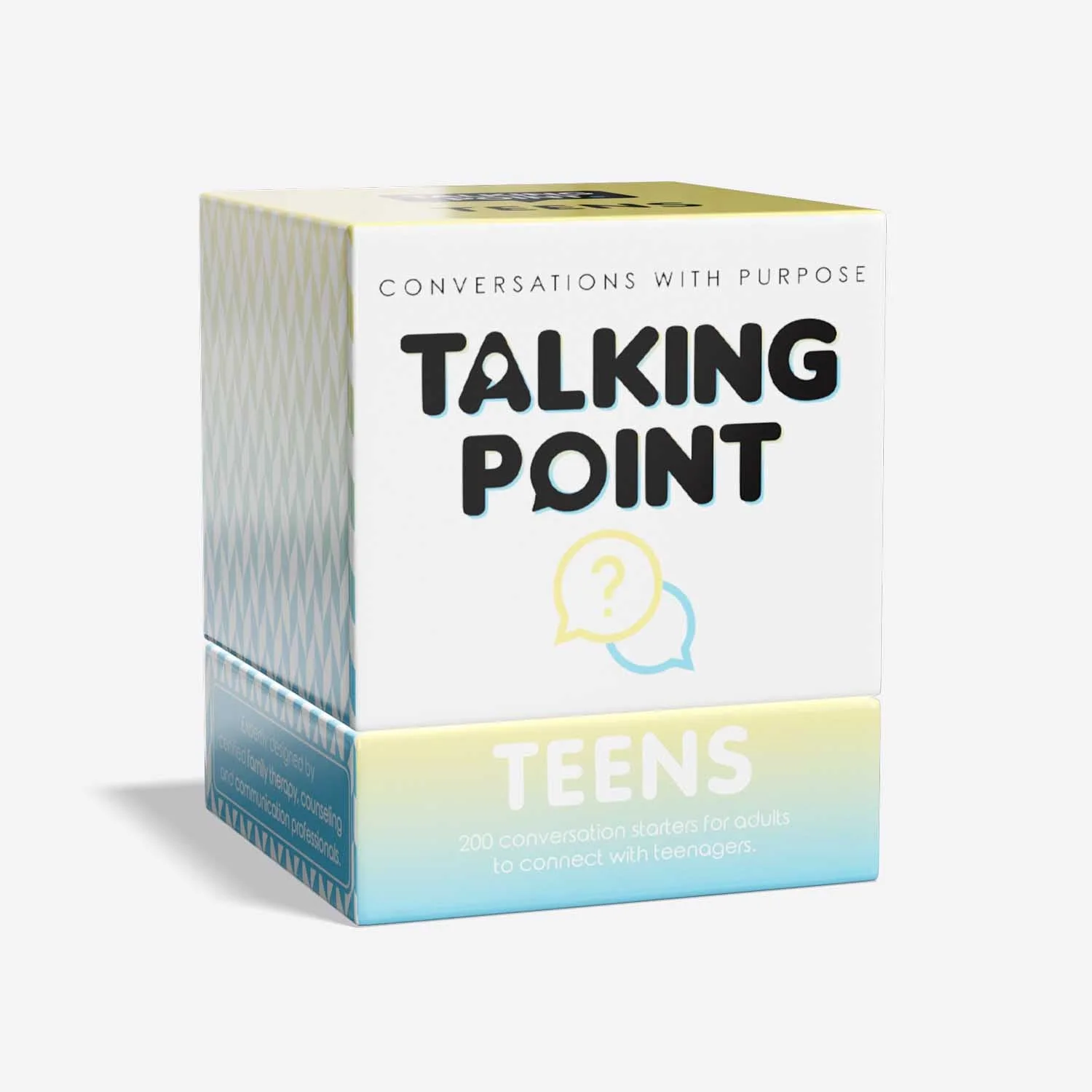
Teens
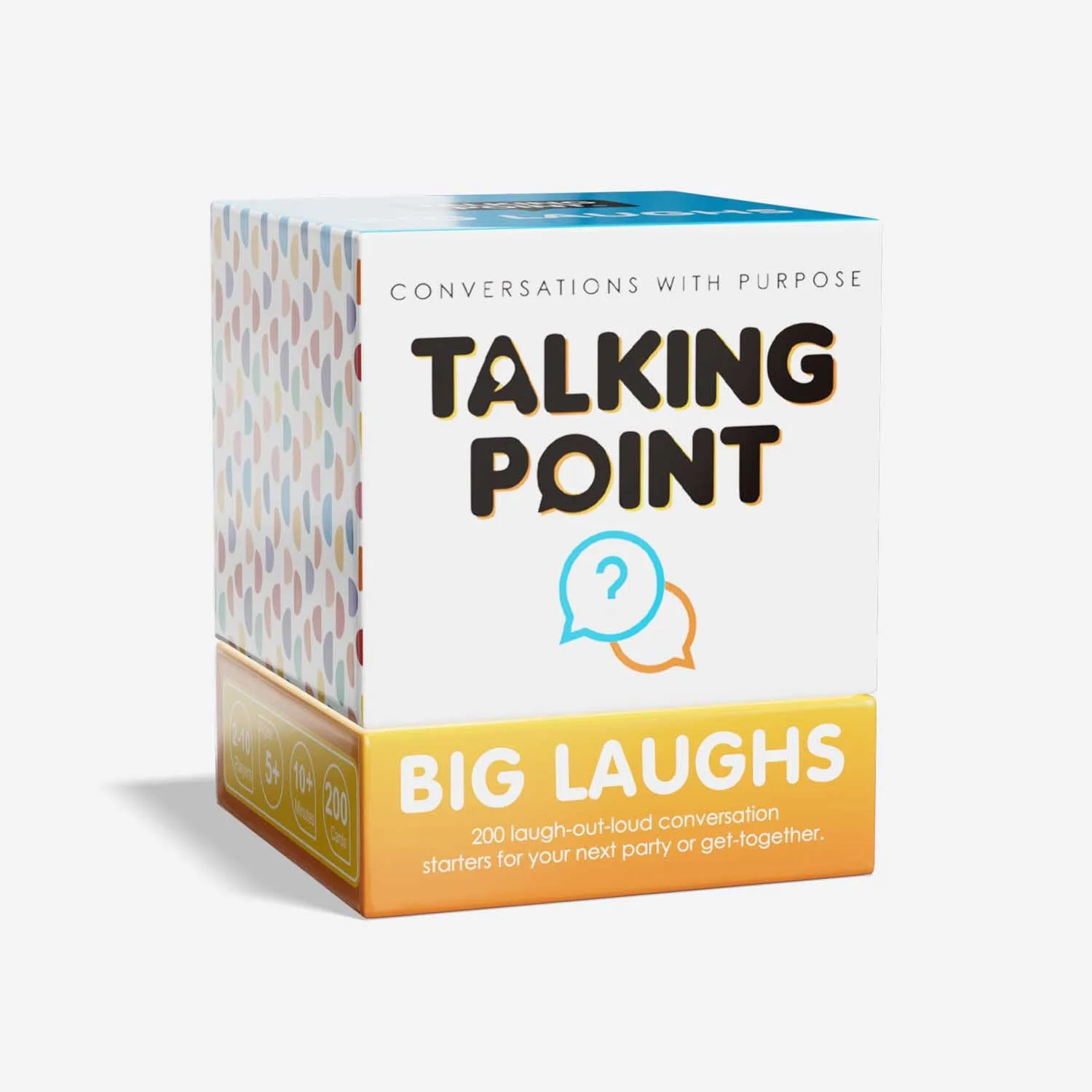
If your goal is to inject energy into the room, a deck like 'Big Laughs' can lighten the mood and get students comfortable with speaking aloud. It's perfect for community-building days or as a reward activity.
- Review the prompts to ensure they're age-appropriate and align with your learning objectives.
- Consider the size of your class—some decks come in different sizes or can be split into small groups.
Setting Up a Successful Discussion Activity
Before you hand out cards, define the purpose. Are you reviewing content, building relationships, or practicing debate skills? Communicate this to students so they understand why they're discussing.
Model the process. Demonstrate how to read a prompt, think aloud, and respond. Show what good listening looks like. This is especially important for younger students or those new to structured discussions.
Decide on the format: whole class, small groups, or pairs. Smaller groups often work best for shy students. Set clear time limits and expectations for participation.
- Create a safe environment by establishing norms like 'no wrong answers' and 'respect all ideas.'
- Use a talking piece or a timer to ensure everyone gets a chance to speak.
Integrating Conversation Cards into Your Curriculum
Conversation cards aren't just for icebreakers. They can be tied to specific subjects. For example, in a history class, use prompts like 'What would you ask a historical figure?' to spark critical thinking.
In language arts, cards can serve as writing prompts or discussion starters for literature circles. In science, they can help students explain concepts in their own words, reinforcing understanding.
Use cards as an assessment tool. Listen to student responses to gauge comprehension and identify misconceptions. This informal assessment can guide your instruction.
- Keep a deck on hand for substitute teachers or unexpected extra time.
- Align prompts with your curriculum standards to make discussions purposeful.
How to Use Conversation Cards in the Classroom: Step-by-Step
- Choose the right deck: Select a deck that matches your students' age and your goal. For icebreakers, choose Small Talk; for teens, choose Teens; for fun, choose Big Laughs. Checkpoint: Does the deck align with your objectives and student comfort levels?
- Introduce the purpose: Explain why you're using the cards. For example, 'We're going to practice sharing our ideas and listening to others.' Checkpoint: Make sure students know the 'why' behind the activity.
- Model the process: Pick a card and demonstrate how to respond. Think aloud to show your reasoning. Then, ask a student to model with you. Checkpoint: Modeling reduces anxiety and sets clear expectations.
- Set discussion norms: Establish rules like 'everyone gets a turn' and 'we respect all opinions.' Write them on the board if needed. Checkpoint: Clear norms prevent chaos and ensure inclusivity.
- Run the activity: Decide on small groups or pairs. Give each group a set of cards and a time limit. Circulate to keep discussions on track. Checkpoint: Monitor participation and step in if some students dominate.
- Reflect and debrief: After the discussion, ask students to share one thing they learned or enjoyed. This reinforces the value of the activity. Checkpoint: Reflection helps cement learning and gives you feedback for next time.
Conversation Card Decks for the Classroom
- Small Talk: Break the ice and build instant connections at any event. Perfect for the first days of school or when you want to create a welcoming classroom environment.
- Teens: Get quiet teenagers to happily open up without the awkward cringe. Ideal for middle and high school teachers who want to engage reluctant students in meaningful discussion.
- Big Laughs: Guarantee non-stop laughter and hilarious debates at your next party. A fun way to build classroom community and help students feel comfortable speaking in front of peers.
Conversation cards are a versatile tool that can transform classroom discussions from awkward silences into lively exchanges. By choosing the right deck, setting clear expectations, and modeling good communication, you'll help students develop skills they'll use for a lifetime. Try incorporating them into your next lesson and watch your classroom engagement soar.