Wood floors add warmth and beauty to any home, but keeping them clean without damaging the finish can be tricky. Many conventional cleaners contain harsh chemicals that strip the sealant or leave a dull residue. Switching to a natural wood floor cleaner not only protects your floors but also reduces your household's chemical load. Refillable options make it easy to maintain a consistent cleaning routine while cutting down on plastic waste.
In this guide, we'll walk through the best practices for cleaning hardwood floors naturally, including how to use floor cleaner refills effectively. Whether you have prefinished hardwood, engineered wood, or bamboo, these tips will help you keep your floors looking their best for years to come.
Why Choose a Natural Wood Floor Cleaner?
Natural wood floor cleaners are formulated without ammonia, bleach, or synthetic fragrances that can dull or damage wood finishes. They rely on plant-based surfactants and essential oils to lift dirt and grease while being gentle on the floor's sealant. This is especially important for hardwood floors that are susceptible to moisture damage and scratches. Using a pH-balanced cleaner helps maintain the wood's natural luster without stripping the protective coating.
Another advantage is safety for pets and children. Since natural cleaners don't leave toxic residues, you can feel confident that your family and furry friends are not exposed to harmful chemicals. Plus, many natural cleaners are biodegradable and come in concentrated refills, reducing packaging waste. For example, https://kinfillshop.com/products/the-floor-cleaner-refills-93036The Floor Cleaner Refills allow you to mix your own solution in a reusable bottle, saving money and plastic.
- Avoid vinegar and water mixtures on wood floors — vinegar is acidic and can damage the finish over time.
- Always test any new cleaner on a small, inconspicuous area before using it on the entire floor.
How to Set Up a Refillable Floor Cleaning System
Transitioning to a refillable floor cleaning system is simple. Start with a durable spray mop or a bucket and a microfiber mop. Most floor cleaner refills come as concentrated liquid that you dilute with water according to the instructions. For instance, The Floor Cleaner Refills are designed to be mixed with water in a spray bottle or mop bucket. This approach gives you control over the strength of the cleaner and ensures you're not paying for water in a pre-mixed bottle.
To make the process even easier, consider using a trigger sprayer for spot cleaning and a dedicated mop for whole-floor cleaning. The Trigger Sprayer is a great tool for applying cleaner directly to sticky spots before mopping. Always wring out your mop well — excess water is the enemy of wood floors. Damp mopping is safer than wet mopping, as standing water can seep into seams and cause warping.
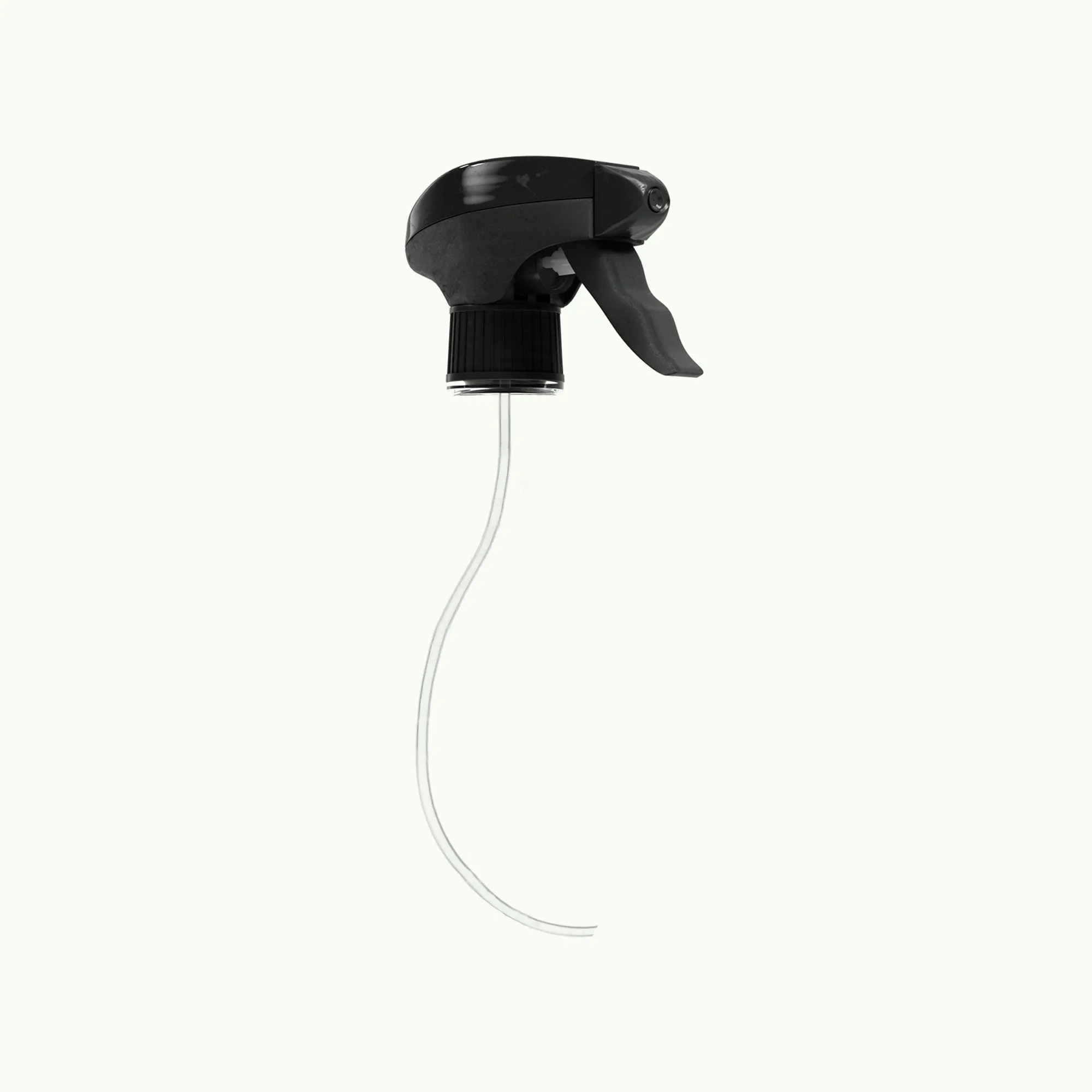
The Trigger Sprayer
- Use a microfiber mop — it attracts dust and dirt better than cotton and requires less water.
- Mix only what you need for each cleaning session to maintain freshness and effectiveness.
Step-by-Step Routine for Cleaning Wood Floors Naturally
Start by removing loose dirt and debris. Sweep or vacuum your wood floors with a soft brush attachment to avoid scratches. This step prevents dirt from being ground into the finish during mopping. Pay special attention to high-traffic areas and corners where dust bunnies accumulate. If you have pets, a quick daily sweep can make a big difference in maintaining cleanliness.
Next, prepare your natural floor cleaner. For a full-floor clean, fill a bucket with warm water and add the recommended amount of floor cleaner refill concentrate. Dip your microfiber mop, wring it until it's just damp, and mop in the direction of the wood grain. Work in small sections, rinsing the mop frequently. For spot cleaning, spray a small amount of diluted cleaner directly onto the spot and wipe with a soft cloth. https://kinfillshop.com/products/the-multi-surface-cleaner-refills-93030The Multi Surface Cleaner Refills can also be used for wood floors if you need a versatile cleaner for other surfaces, but stick to a dedicated floor cleaner for best results.
Finally, let the floor air dry. Avoid walking on it until completely dry to prevent footprints and smudges. If you notice streaks, you may be using too much cleaner or not wringing the mop enough. Adjust your technique next time. A consistent weekly routine will keep your wood floors looking beautiful without the need for harsh chemicals.
- Never use steam mops on hardwood — the heat and moisture can damage the finish and cause cupping.
- For a quick refresh between deep cleans, use a dry microfiber mop or a dusting cloth.
Tips for Long-Term Wood Floor Care
Preventive care is just as important as cleaning. Place doormats at entrances to trap grit and dirt before it reaches your floors. Use felt pads under furniture legs to prevent scratches, and avoid wearing high heels or shoes with cleats indoors. Regularly trim pet nails to minimize scratches. If you have area rugs, shake them out weekly and clean them according to the manufacturer's instructions to avoid transferring dirt to the wood.
When it comes to spills, act quickly. Blot (don't rub) spills with a soft cloth, then clean the area with a mild natural cleaner. For sticky messes like juice or wine, a little diluted floor cleaner on a cloth should do the trick. Avoid using abrasive scrubbers or steel wool. Over time, you may notice the finish dulling in high-traffic areas. In that case, consider using a natural wood polish or a refresher product designed for your floor type. But for everyday cleaning, a simple routine with a quality natural floor cleaner refill is all you need.
- Rotate furniture placement every few years to ensure even wear and sun exposure.
- Keep humidity levels between 30–50% to prevent wood from expanding or contracting excessively.
Cleaning wood floors naturally with refillable floor cleaner is not only better for your home and the environment but also easier than you might think. By choosing a gentle, effective product like The Floor Cleaner Refills and following a simple routine of sweeping, damp mopping, and quick spot cleaning, you can maintain the beauty of your hardwood floors for decades. Plus, with refillable systems, you reduce plastic waste and save money in the long run. Start your natural floor care routine today and enjoy the peace of mind that comes with a clean, healthy home.