Quick answer
Clean conscious diapers are defined less by a single plant-based ingredient and more by what a brand chooses to leave out and how it verifies that choice. The Honest Clean Conscious Diaper® is OEKO-TEX® STANDARD 100 Certified and third-party tested for 350 harmful chemicals, which is a meaningful safety checkpoint. Absorbency still depends on fit, size, and how long a diaper stays on, not on a materials label alone.
What "clean conscious" actually signals on a diaper label
The phrase is a brand promise, not a regulated category, so the useful question is which specific claims sit behind it. On Honest Clean Conscious Diapers®, the claim you can check is OEKO-TEX® STANDARD 100 certification, which means the finished diaper has been third-party tested against 350 harmful chemicals. That is a materials-safety checkpoint, not a performance guarantee.
This matters because parents often read "clean" as "more absorbent" or "rash-proof." It is neither. A diaper can be certified for material safety and still leak if it is the wrong size or left on too long. Treat certification as one filter among several, alongside fit, absorbency, and how your baby's skin actually responds.
Plant-based materials: what they do and do not promise
Plant-based components in diapers are usually about reducing reliance on conventional petroleum-derived materials, not about changing how fast a diaper absorbs. A diaper's core still has to pull liquid away from skin and hold it under pressure, and that job depends on the full absorbent system, not on one plant-derived layer.
If a product page does not list a specific percentage or list of plant-based materials, do not assume one. Honest's supplied catalog facts highlight Comfort Dry Technology, up to 100% leak protection, and OEKO-TEX® STANDARD 100 certification rather than a plant-based percentage, so that is the honest limit of what can be claimed here.
Absorbency myths that lead to leaks
The most common myth is that a thicker or more premium diaper automatically absorbs more. In practice, leaks usually come from a size that is too small or too large, a diaper that is not positioned with the leg cuffs fanned out, or a stretch of sleep that simply exceeds what any diaper is designed to hold. Up to 100% leak protection is a claim about the product's design, not a promise for every baby on every night.
Size 3 and size 4 absorbency questions come up constantly because that is when babies start sleeping longer stretches and moving more. The honest answer is that absorbency differences between sizes are mainly about capacity and fit for a heavier baby, not about one size being inherently more absorbent per ounce. If your baby is between sizes, fit at the legs and waist matters more than the number on the pack.
How to judge a diaper without a lab test
You can evaluate a diaper at home with a simple routine: check for red marks at the waist and thighs after removal, look for gaps at the leg cuffs before fastening, and note whether leaks happen at the front, back, or sides. Front leaks often mean the diaper needs to be pulled higher; side leaks usually point to a sizing or cuff issue.
Change frequency still does most of the work for skin health. No certification or material claim replaces timely changes, gentle cleaning, and letting skin dry. If redness persists despite good fit and frequent changes, that is a conversation for your pediatrician, not a reason to keep switching products blindly.
Myth verdicts
- Myth: "Clean" means more absorbent: Certification addresses material safety, not how much liquid a diaper holds. Honest's own facts separate OEKO-TEX® STANDARD 100 certification from Comfort Dry Technology and up to 100% leak protection. Verdict: false. Judge safety and absorbency as two different questions.
- Myth: Plant-based materials are the whole story: Plant-based components are one part of a diaper, and no specific percentage is supplied for Honest Clean Conscious Diapers®. The verifiable claim is third-party testing for 350 harmful chemicals. Verdict: misleading. Ask for specifics, and accept when a brand does not publish them.
- Myth: Size 3 and size 4 differ mainly in absorbency: The bigger difference is capacity and fit for a heavier, more mobile baby. Leaks in these sizes are usually a fit or change-frequency issue, not proof that one size absorbs better. Verdict: partly true, mostly misunderstood. Fix fit and timing before changing sizes.
Product facts worth knowing
- Honest Clean Conscious Diaper®, Cactus Cuties, Size 4: Honest Clean Conscious Diaper®, Cactus Cuties, Size 4 is OEKO-TEX® STANDARD 100 Certified and third-party tested for 350 harmful chemicals. Gives parents a verifiable materials-safety checkpoint instead of a vague "clean" claim.
- Honest Clean Conscious Diaper®, Space Traveling, Size 3: Honest Clean Conscious Diaper®, Space Traveling, Size 3 uses Comfort Dry Technology and is designed for up to 100% leak protection. Size 3 is a common transition point, so knowing the absorbency design helps parents judge whether leaks are a fit issue or a capacity issue.
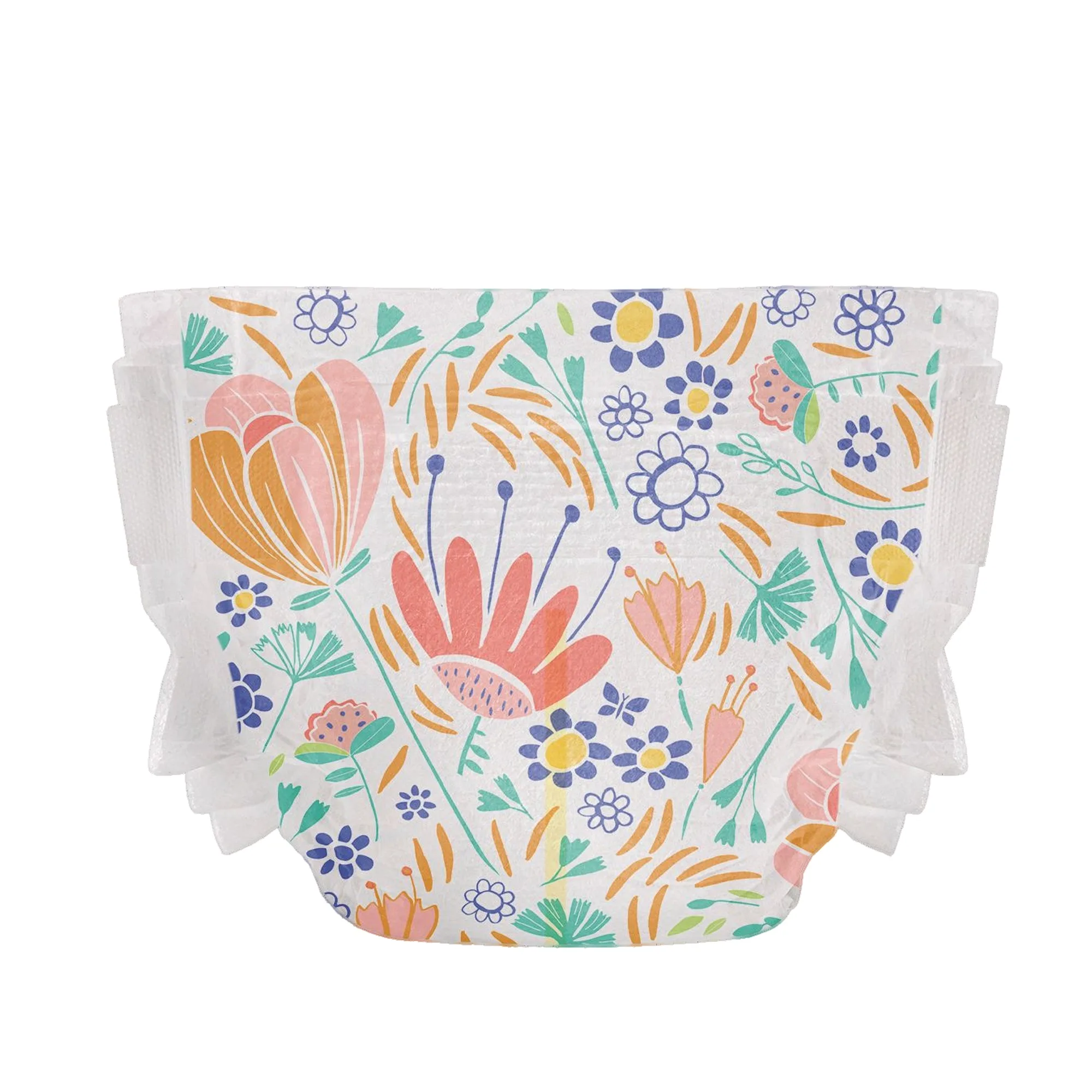
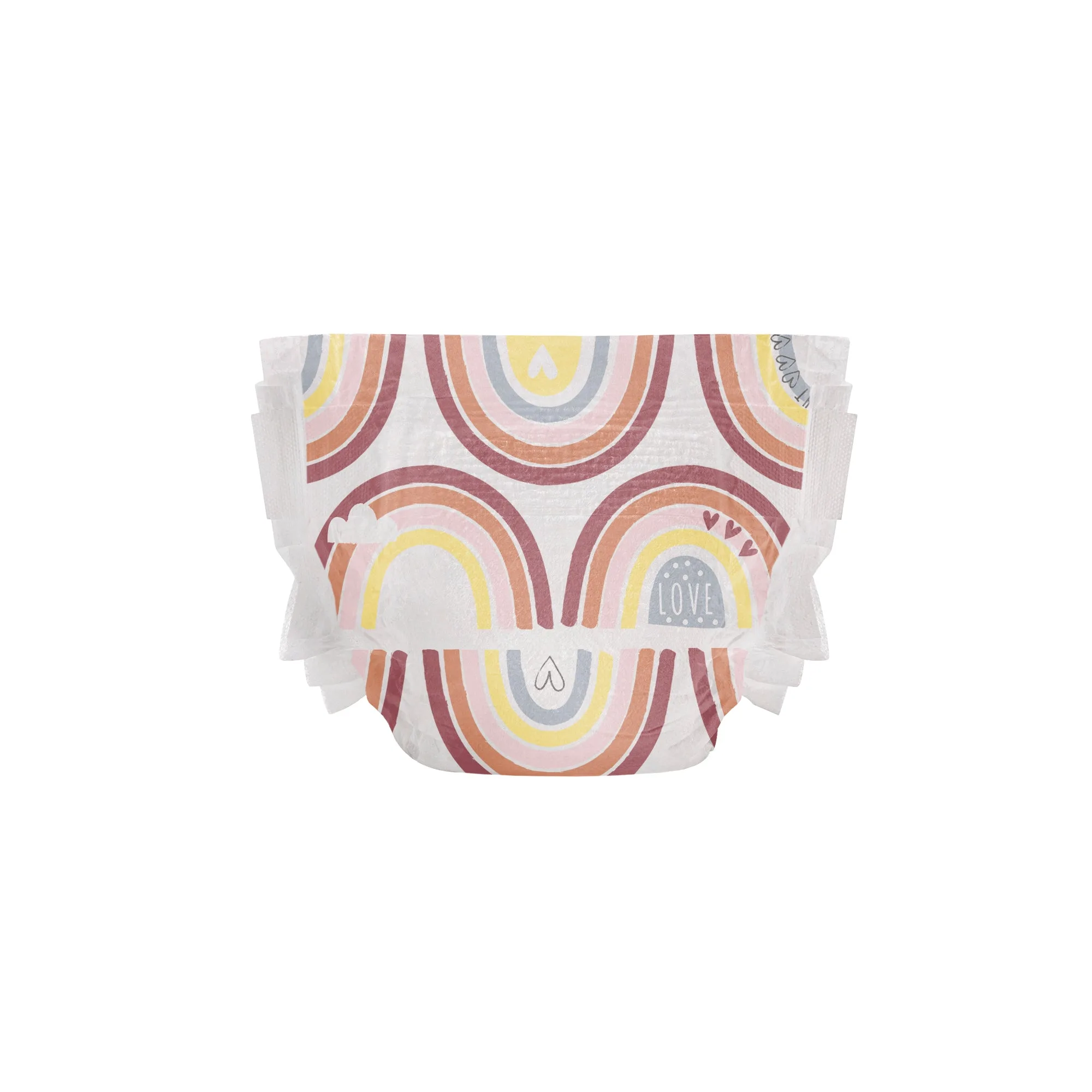
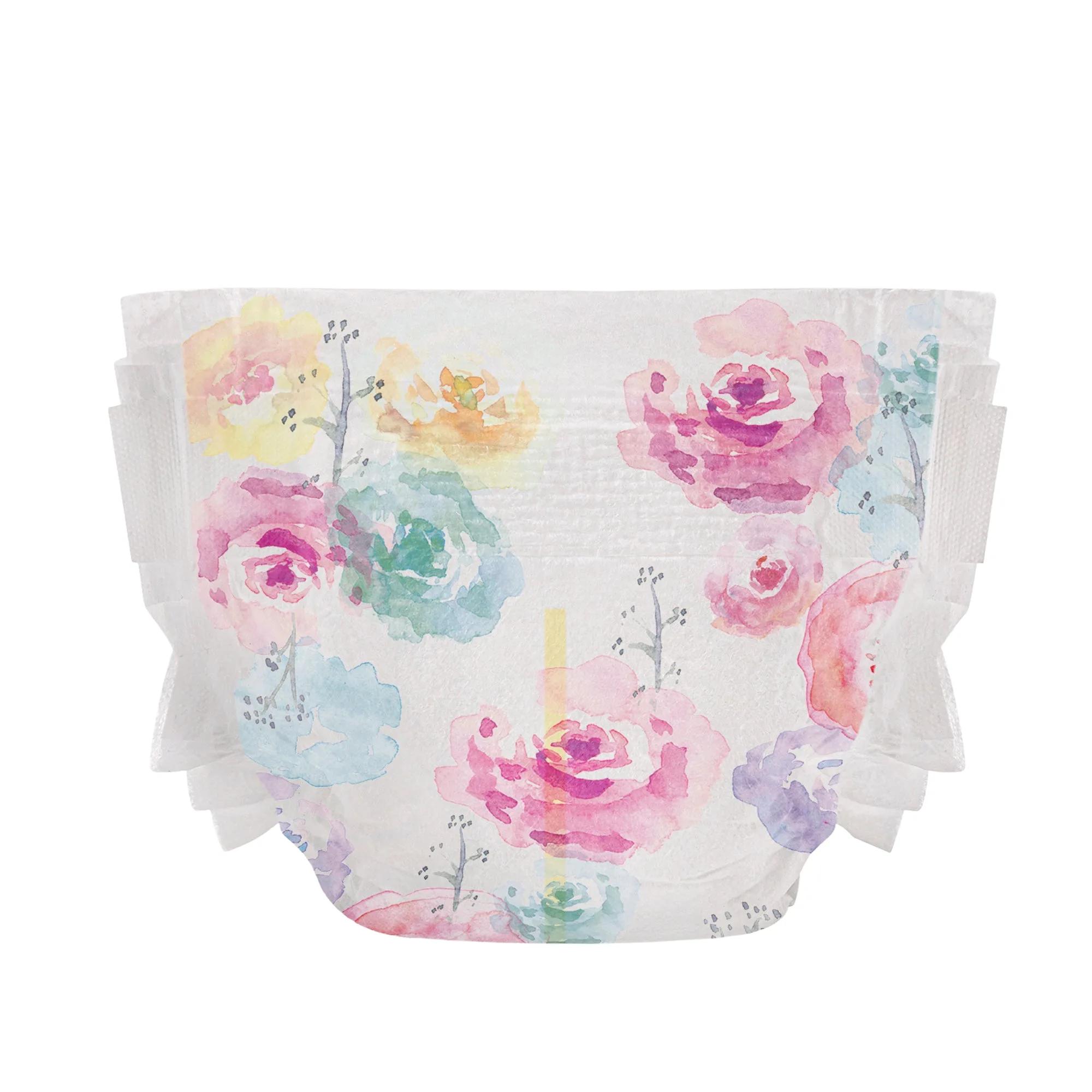
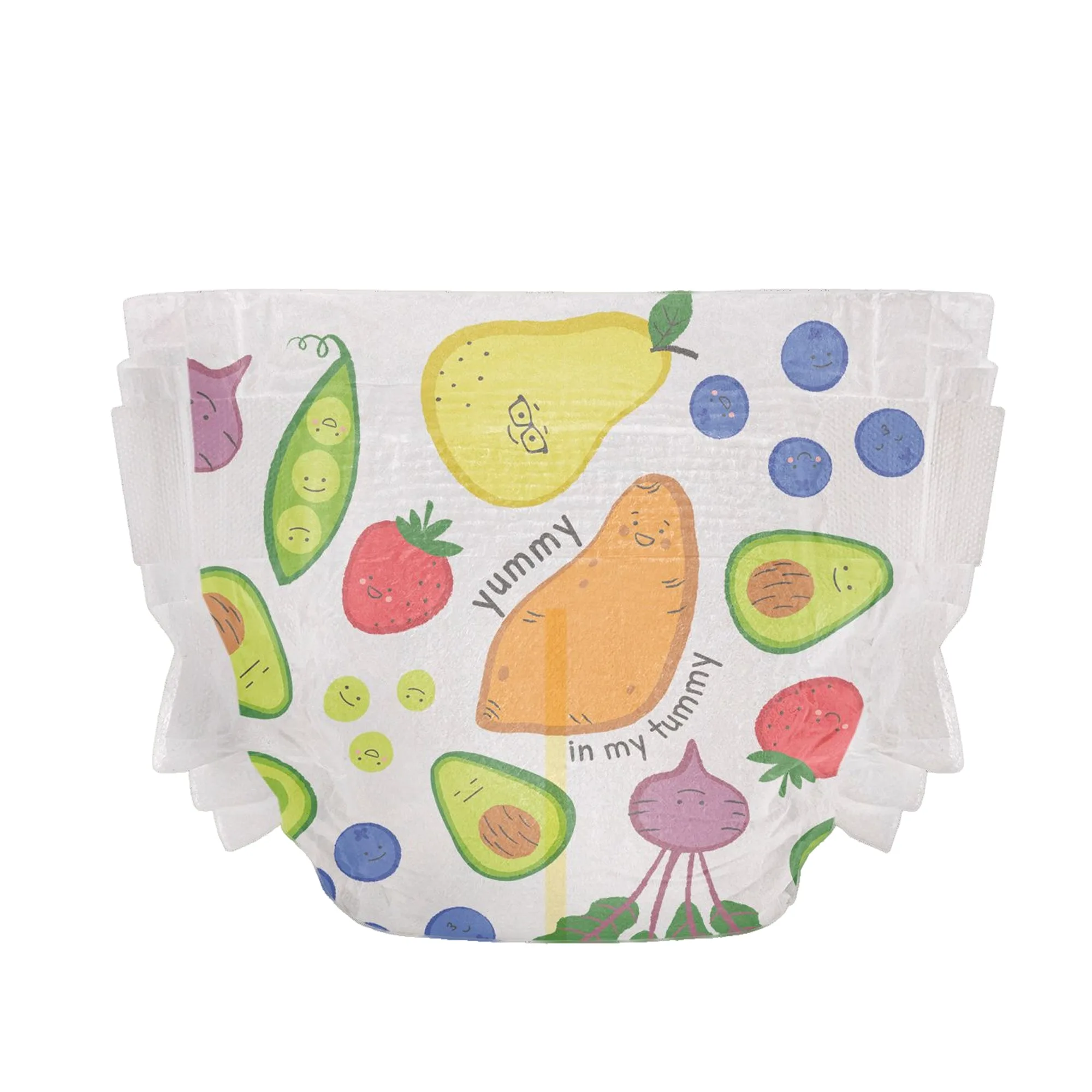
- Honest Clean Conscious Diaper®, Pattern Play, Size 7: Honest Clean Conscious Diaper®, Pattern Play, Size 7 is available in multiple sizes and prints. Print and size options let you keep the same materials and absorbency design as your baby grows, rather than switching brands mid-stream.