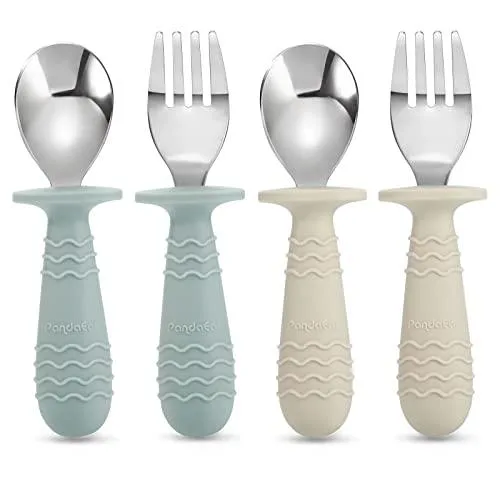
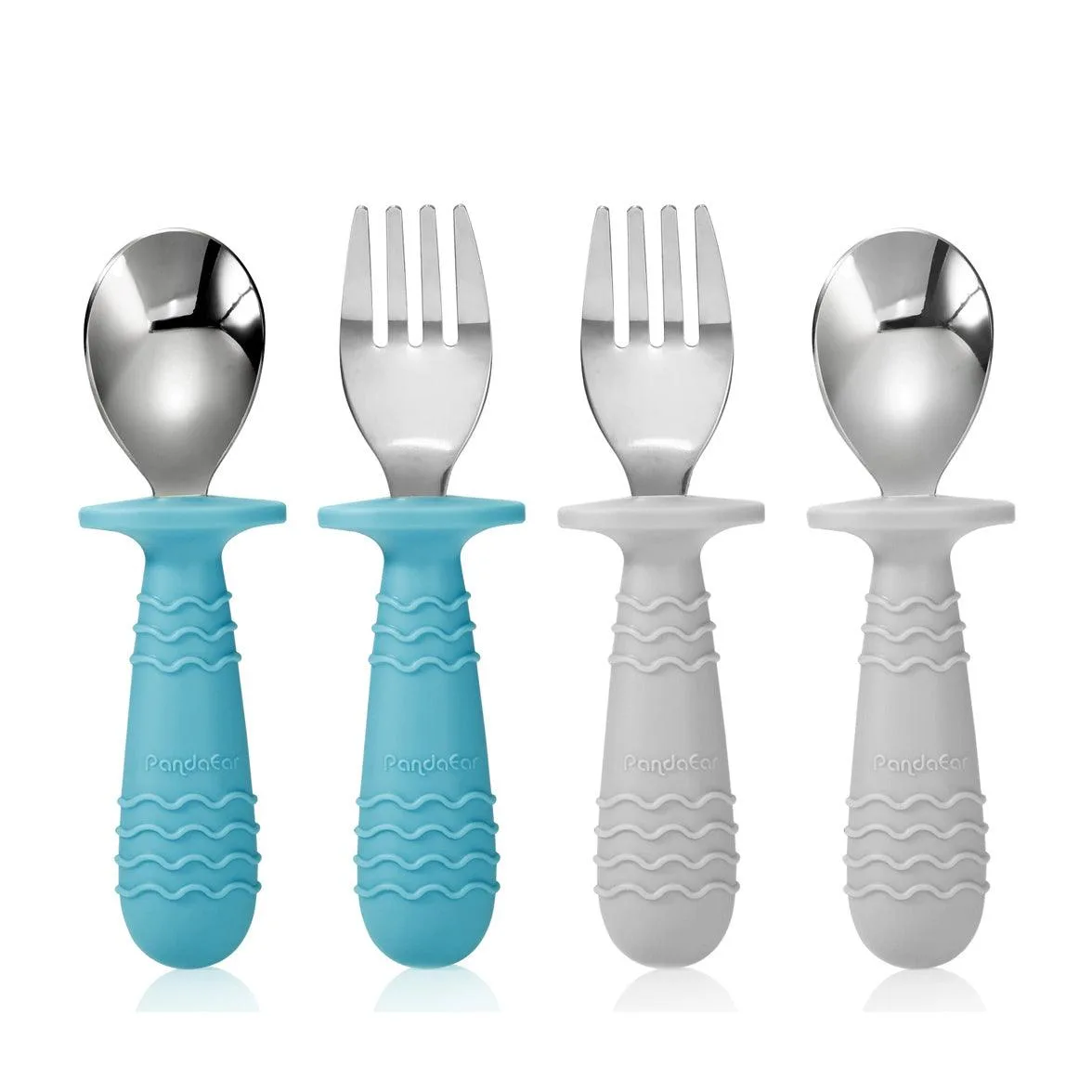
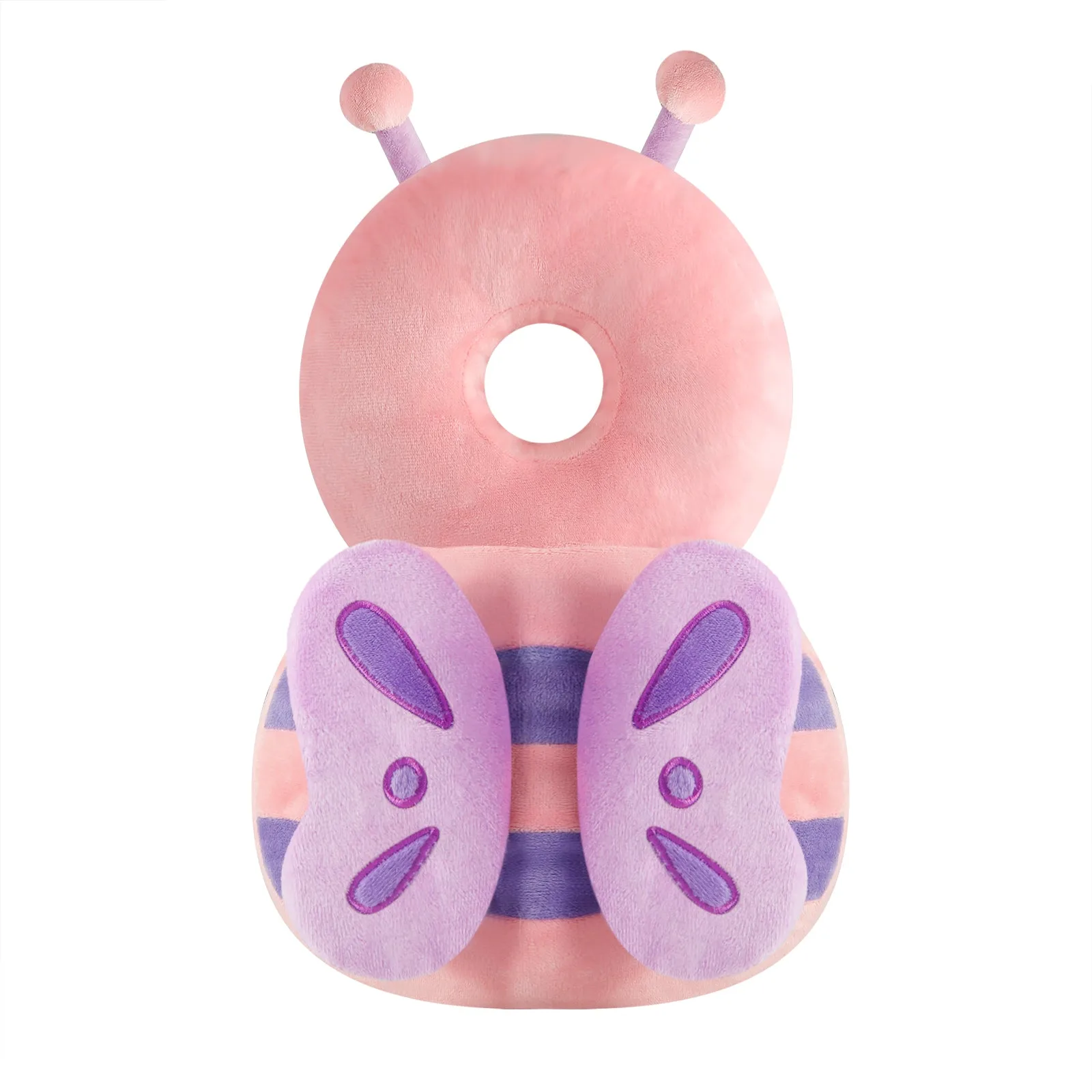
Silicone baby products have become a staple in modern parenting, prized for their durability, flexibility, and safety. From bibs and feeding sets to training cups and teethers, silicone resists stains, odors, and bacteria better than plastic or cloth. However, even the toughest silicone needs proper care to stay in top shape. Without regular cleaning, residue from food, oils, or soap can build up, causing stickiness or discoloration. This guide will walk you through the best practices for cleaning and maintaining silicone baby items, ensuring they remain safe, functional, and long-lasting for your little one.
Whether you're a new parent or a seasoned pro, understanding how to clean silicone baby products properly can save you money and reduce waste. Silicone is non-porous, which means it doesn't harbor mold or bacteria easily, but it can still trap food particles in crevices or textured surfaces. By following a few simple routines—daily rinsing, occasional deep sanitizing, and proper storage—you can keep items like a silicone bib or a training cup looking and performing like new. Let's dive into the step-by-step methods that work for all types of silicone baby gear.
Why Silicone Baby Products Need Special Care
Silicone is a synthetic rubber that is heat-resistant, dishwasher-safe, and free from BPA, phthalates, and latex. However, its non-stick surface can still accumulate soap scum, hard water minerals, and oily residues over time. If you notice your baby's silicone bib or feeding spoon becoming greasy or cloudy, it's a sign that cleaning methods need adjustment. Unlike plastic, silicone is porous at a microscopic level, so harsh scrubbing or abrasive cleaners can damage the surface, making it more prone to holding onto dirt.
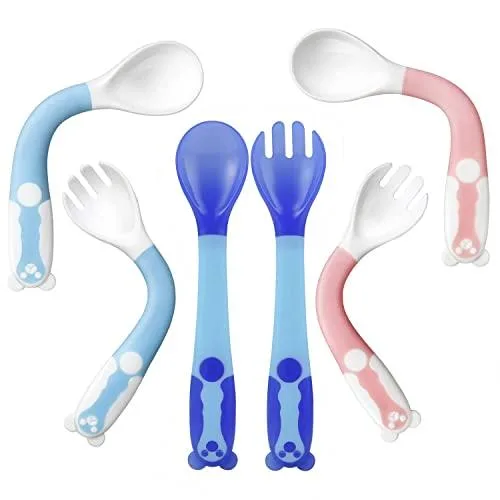
spoon
Another reason to care for silicone is hygiene. While silicone is naturally antimicrobial, leftover food particles can promote bacterial growth if not removed promptly. For items like the Feeding Spoons (7 Pack) or https://terracradle.shop/products/training-cup-2-pack-120787https://terracradle.shop/products/training-cup-2-pack-120788Training Cup (2 Pack), which go directly into your baby's mouth, maintaining a clean surface is essential. Proper care also extends the product's lifespan—silicone can last for years if treated gently. By avoiding common mistakes like using bleach or high heat in the microwave, you can keep your silicone baby products safe and effective.
- Always rinse silicone items immediately after use to prevent residue buildup.
- Avoid using abrasive sponges or scouring pads that can scratch the surface.
- Never expose silicone to direct flame or high oven temperatures (above 500°F).
Daily Cleaning Routine for Silicone Baby Products
For everyday use, the simplest way to clean silicone baby products is with warm, soapy water. Use a mild dish soap and a soft sponge or cloth to gently scrub all surfaces, paying extra attention to textured areas like the inside of a training cup or the food-catching pocket of a bib. Rinse thoroughly under running water to remove all soap residue, as leftover soap can cause a sticky film. After rinsing, air-dry the items on a clean dish rack or pat them dry with a lint-free towel.
Most silicone baby products are dishwasher-safe, which offers a convenient hands-off option. Place items like the Bib (3 Pack) or Feeding Set on the top rack of the dishwasher, away from heating elements that could cause warping. Use a gentle cycle with a mild detergent, and avoid high-temperature drying settings. If you prefer hand washing, you can also boil silicone items for 2-3 minutes to sanitize them—just ensure they are fully submerged and not touching the pot's bottom. This method works well for teethers and small utensils.
- Use a bottle brush to clean narrow openings in training cups or straws.
- For sticky residues, soak items in a mixture of warm water and white vinegar (1:1) for 15 minutes before washing.
- Always check the manufacturer's instructions for dishwasher-safe ratings.
Deep Cleaning and Sanitizing Silicone Items
Over time, silicone can develop a cloudy film or a faint odor, especially if used with fatty foods like avocado or cheese. To restore clarity and freshness, a deep clean is necessary. One effective method is to boil silicone items in water for 5-10 minutes. This kills bacteria and removes stubborn residues. Alternatively, you can bake silicone in the oven at 300°F for 10 minutes—place items on a baking sheet and ensure they are heat-resistant (most silicone products are rated up to 400°F). Avoid microwaving unless the product is explicitly labeled as microwave-safe.
For items like the Healthcare and Grooming Kit or silicone teethers, which may come into contact with saliva and skin oils, a weekly sanitizing routine is recommended. You can use a solution of equal parts water and white vinegar, or a few drops of hydrogen peroxide in water, to soak the items for 30 minutes. Rinse thoroughly afterward. Another tip: if your silicone bib has become sticky, rub it with a slice of lemon or a paste of baking soda and water, then rinse. This natural approach is safe for babies and gentle on the material.
- Never use bleach or chlorine-based cleaners on silicone—they can degrade the material.
- For dishwasher deep cleaning, add a cup of white vinegar to the rinse cycle.
- Test a small area before using any new cleaning method to ensure no discoloration.
Storing Silicone Baby Products to Prevent Damage
Proper storage is just as important as cleaning for maintaining silicone baby products. Silicone is flexible but can be deformed if crushed under heavy objects or folded sharply. Store items like bibs and placemats flat or rolled loosely, avoiding tight folds that can create permanent creases. For training cups and feeding sets, keep them in a dry, well-ventilated area to prevent moisture buildup. Avoid stacking heavy pots or pans on top of silicone items, as the weight can cause warping.
Another storage tip: keep silicone away from direct sunlight for extended periods, as UV rays can cause fading and brittleness over time. If you have multiple silicone items, consider using a dedicated drawer or container with dividers. For travel, use a breathable mesh bag to protect items like the Travel Booster Seat or silicone bibs. By storing them correctly, you ensure they stay flexible and functional for years, making your investment in high-quality silicone baby products worthwhile.
- Separate silicone items from sharp objects like forks or knives to avoid punctures.
- If stacking bowls or cups, place a soft cloth between them to prevent scratches.
- Store silicone teethers in a clean, dry container to keep them dust-free.
Common Mistakes to Avoid When Cleaning Silicone
Many parents unknowingly damage silicone baby products by using the wrong cleaning tools or chemicals. Avoid using steel wool, abrasive scrubbers, or harsh detergents that contain bleach or ammonia. These can scratch the surface or break down the silicone's molecular structure, leading to stickiness or cracks. Another common mistake is putting silicone items in the dishwasher with high-heat drying cycles, which can cause warping. Always use the top rack and choose a no-heat or air-dry setting.
Additionally, don't assume all silicone is the same—some cheaper silicone blends may contain fillers that degrade faster. Stick to high-quality, 100% food-grade silicone products like those from PandaEar. If you notice your silicone items developing a strange smell or becoming sticky despite proper cleaning, it may be time to replace them. Regularly inspect items for signs of wear, such as tears or discoloration, and discard any that show damage to ensure your baby's safety.
- Never use oil-based soaps or conditioners on silicone—they can leave a greasy residue.
- Avoid using the microwave to dry silicone items, as uneven heat can cause hot spots.
- If silicone becomes sticky, try soaking in a baking soda paste before washing again.
By following these simple cleaning and maintenance tips, you can keep your silicone baby products in excellent condition for months or even years. Regular care not only ensures hygiene but also preserves the flexibility and appearance of items like bibs, cups, and feeding sets. For a complete starter kit, check out our Feeding Set, which includes everything you need for mess-free mealtime. Explore PandaEar's collection of durable, baby-safe silicone products and give your little one the best start.