A wooden tea jar board is more than just a functional piece for storing your favorite teas—it's a natural, elegant addition to your tea ritual. Whether you use a raised board to display jars or a flat version for easy access, proper care ensures it stays in top condition for years. Wood is porous and sensitive to moisture, so a little routine maintenance goes a long way.
In this guide, we'll walk you through simple daily habits, deep cleaning methods, and what to avoid so your wooden tea board remains a centerpiece of your tea station. These tips apply to any wooden tea accessory, including the Wooden Jar Board - Raised and similar flat boards.
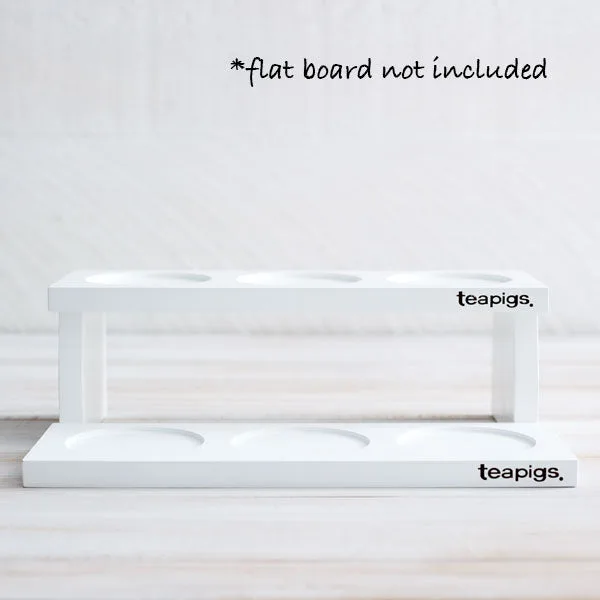
Wooden Jar Board - Raised
Daily Care: Quick Habits That Make a Difference
After each tea session, wipe your wooden tea jar board with a dry or slightly damp soft cloth to remove dust, tea spills, or loose leaves. Avoid soaking the wood—excess water can warp or stain it. If you use a raised board, check underneath for trapped moisture or crumbs. A quick daily wipe prevents buildup and keeps the wood's natural luster.
Place your board away from direct sunlight and heat sources like radiators or stoves. Prolonged exposure can dry out the wood and cause cracking. Also, avoid placing hot teapots or cups directly on the board without a trivet—heat can leave permanent marks. For daily use, a simple habit of dusting and mindful placement is enough.
- Use a dry microfiber cloth for daily dusting.
- Wipe spills immediately with a barely damp cloth, then dry thoroughly.
- Keep board away from direct sunlight and heat.
Deep Cleaning: When and How to Refresh Your Board
Every few months, give your wooden tea jar board a deeper clean. Start by removing all jars and accessories. Mix a mild solution of warm water and a few drops of gentle dish soap. Dip a soft cloth in the solution, wring it out until almost dry, and gently wipe the board's surface. Avoid using abrasive sponges or harsh chemicals that can strip the wood's finish.
For stubborn stains or tea residue, make a paste of baking soda and water. Apply it with a soft cloth, rub gently in the direction of the grain, then wipe clean with a damp cloth. Dry the board immediately with a towel and let it air-dry completely before returning jars. This method works well for both flat and raised boards, including the Wooden Jar Board - Raised.
- Deep clean every 2–3 months or when visibly dirty.
- Use baking soda paste for stubborn stains.
- Always dry thoroughly after cleaning.
Conditioning: Keeping the Wood Moisturized and Protected
Wood can dry out over time, especially in heated homes. To restore moisture and protect the finish, apply a food-safe mineral oil or beeswax conditioner every 3–6 months. Place a small amount on a soft cloth and rub it into the wood following the grain. Let it absorb for a few hours or overnight, then buff off any excess with a clean cloth.
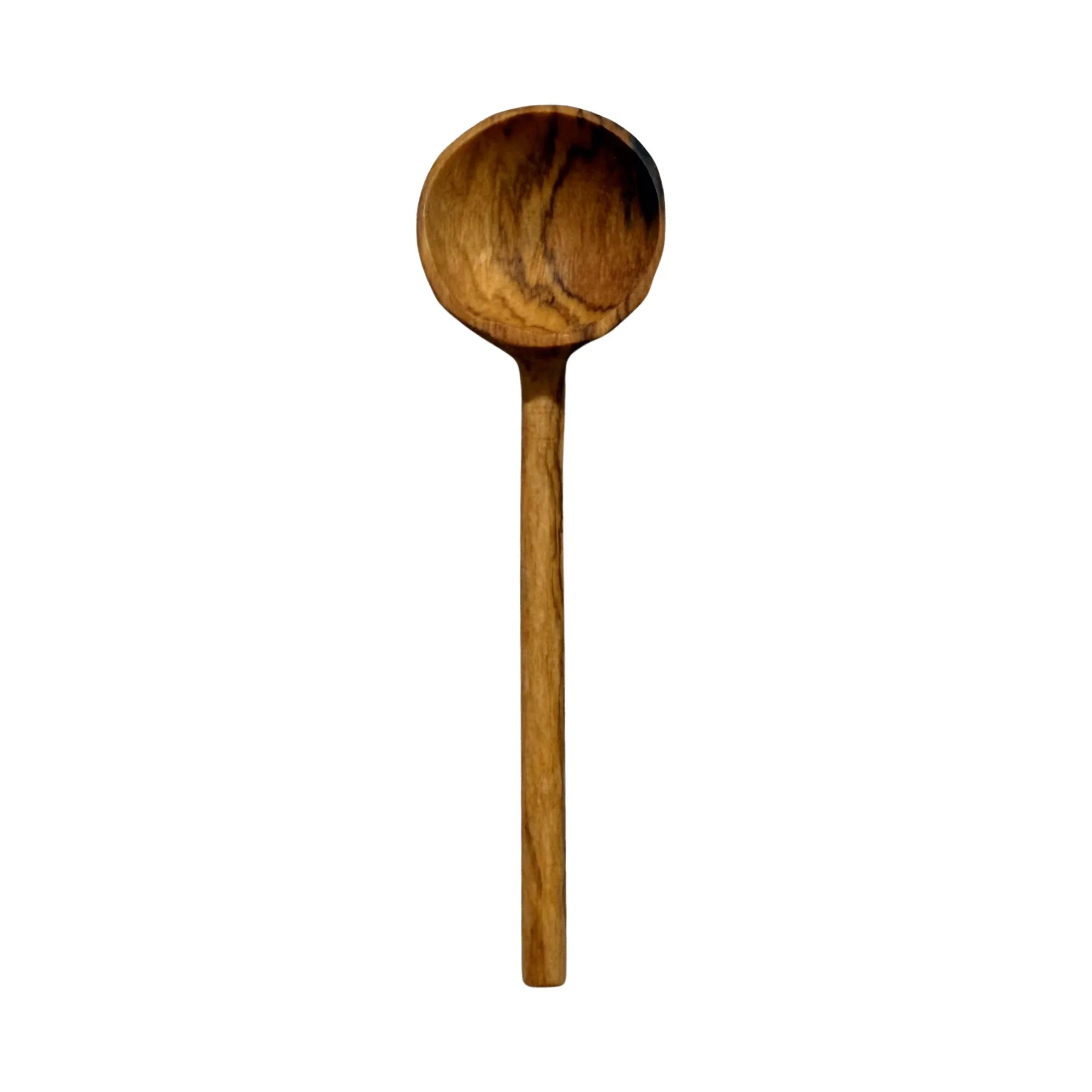
Conditioning not only enhances the wood's natural color but also creates a protective barrier against moisture and stains. Avoid using vegetable oils or olive oil, as they can turn rancid. A conditioned board will resist cracking and stay beautiful. This step is especially important for boards used frequently with tea jars and loose leaf tea infusers.
- Use food-safe mineral oil or beeswax conditioner.
- Apply every 3–6 months or when wood looks dry.
- Buff off excess after a few hours.
What to Avoid: Common Mistakes That Damage Wooden Tea Boards
Never put your wooden tea jar board in the dishwasher or submerge it in water. The heat and moisture will cause irreversible warping, cracking, or glue failure. Also, avoid using vinegar, bleach, or alcohol-based cleaners—they can strip the finish and dull the wood. Even natural cleaners like lemon juice can be too acidic for long-term use.
Don't place wet tea bags or damp leaves directly on the board. Use a small saucer or a loose leaf tea infuser to catch drips. If you have a flat board, consider rotating the jars occasionally to prevent uneven wear. By steering clear of these common pitfalls, your board will remain a functional and attractive part of your tea setup.
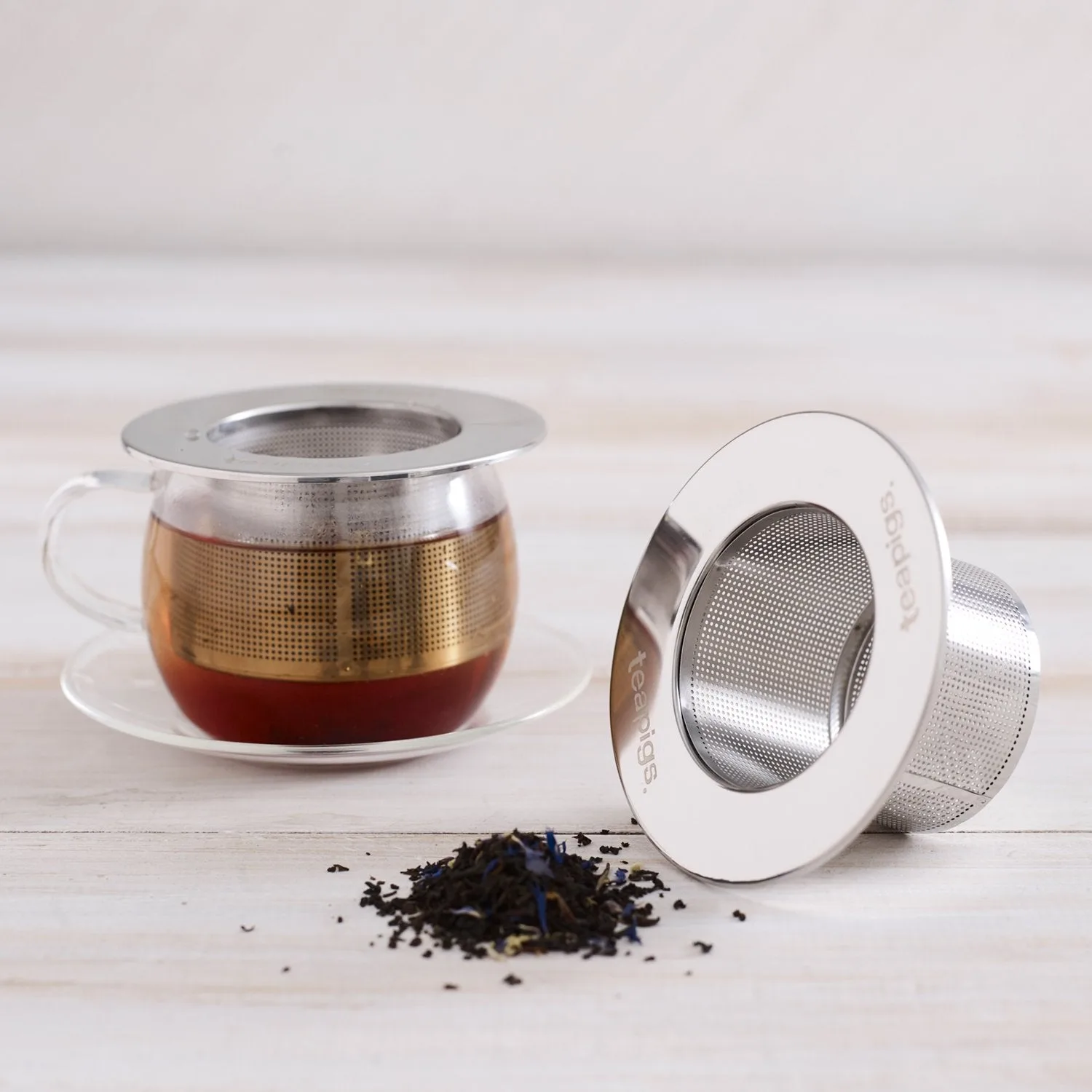
loose leaf tea infuser
- Never submerge or dishwasher clean.
- Avoid vinegar, bleach, and alcohol-based cleaners.
- Use a saucer or infuser to catch drips.
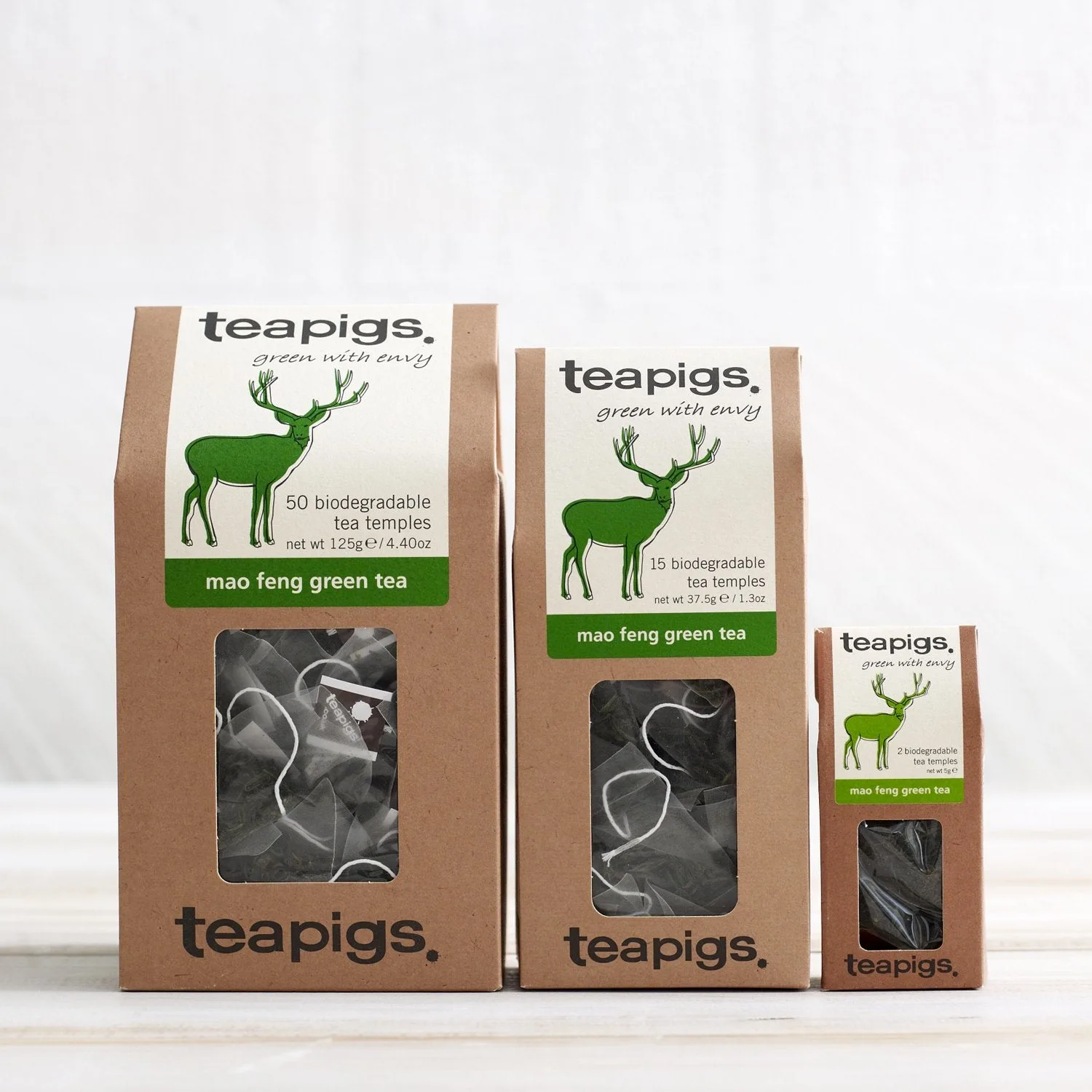
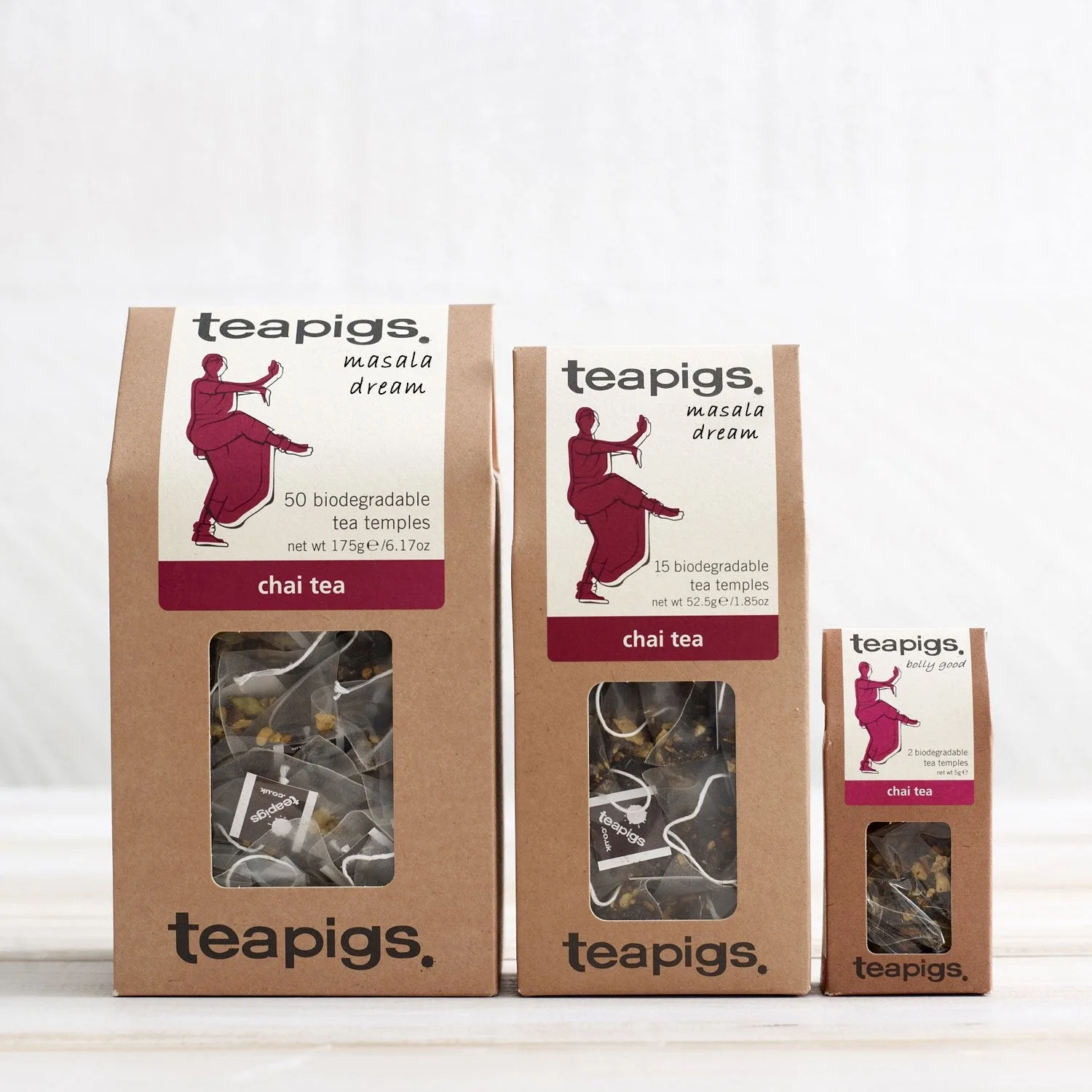
With just a few minutes of care each week, your wooden tea jar board can stay beautiful and functional for years. Regular dusting, occasional deep cleaning, and periodic conditioning will preserve the wood's natural charm. Whether you own a raised board or a flat version, these simple habits ensure your tea station remains a welcoming space for your daily ritual. Pair your board with quality teas like mao feng green tea or chai tea to complete the experience.