Cleansing is the foundation of any skincare routine, but with so many textures and formulas on the market, it's easy to feel overwhelmed. Two of the most popular options are cleansing oils and foaming cleansers. Each offers unique benefits, and the right choice depends on your skin type, concerns, and even the time of day. In this guide, we'll break down the differences, help you choose the best cleanser for your skin type, and show you how to combine them for a thorough yet gentle cleanse.
Whether you have dry, oily, combination, or sensitive skin, understanding how cleansing oils and foams work can transform your routine. Let's dive in and find your perfect match.
What Is a Cleansing Oil?
Cleansing oils are formulated with a blend of oils and emulsifiers that dissolve makeup, sunscreen, and excess sebum on the skin's surface. When massaged onto dry skin, the oil binds to oil-based impurities, lifting them away without stripping the skin's natural moisture barrier. Rinsing with water turns the oil into a milky emulsion that washes off easily, leaving skin soft and hydrated.
This type of cleanser is especially beneficial for dry or dehydrated skin, as it replenishes lipids and prevents the tight, uncomfortable feeling often associated with traditional foaming washes. It's also ideal for removing heavy or waterproof makeup and for a gentle first step in a double-cleansing routine.
- Dissolves makeup and sunscreen effectively
- Maintains the skin's moisture barrier
- Suitable for dry, sensitive, and mature skin
What Is a Foaming Cleanser?
Foaming cleansers are water-based and contain surfactants that create a rich lather. They work by lifting away sweat, dirt, and excess oil from the skin's surface, leaving a clean, refreshed feeling. Foams are often preferred by those with oily or combination skin because they provide a deep clean without heavy residue.
However, not all foaming cleansers are created equal. Some can be overly stripping, leading to dryness and irritation. Look for formulas that include hydrating ingredients like glycerin or hyaluronic acid to balance the cleansing power with moisture retention. A well-formulated foam can be a great daily cleanser for normal to oily skin types.
- Provides a deep, refreshing clean
- Helps control excess oil and shine
- Ideal for oily and combination skin
Key Differences: Oil vs. Foam
The main difference lies in how they interact with your skin. Cleansing oils are lipid-based, so they attract and dissolve oil-based impurities, making them excellent for removing makeup and sunscreen. Foaming cleansers are water-based and target water-soluble debris, such as sweat and environmental pollutants.
In terms of skin feel, oils leave a nourishing, supple finish, while foams often leave skin feeling 'squeaky clean.' If you have dry skin, a cleansing oil like the Moisture Defence – Normal Skin can help maintain hydration. On the other hand, if you have oily or acne-prone skin, a foaming cleanser may help manage shine without over-drying.
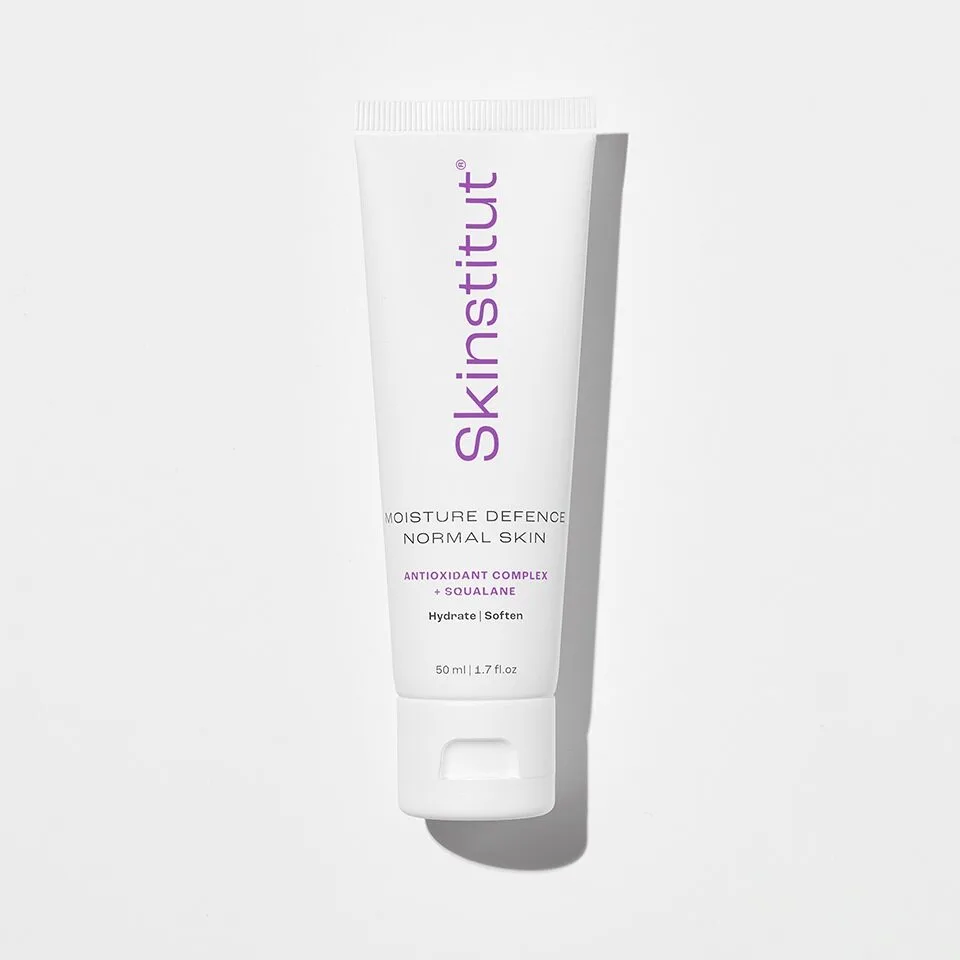
Moisture Defence – Normal Skin
- Oil cleansers: best for makeup removal and dry skin
- Foam cleansers: best for oily skin and a deep clean
- You can use both in a double-cleansing routine for optimal results
How to Choose Based on Your Skin Type
For dry or sensitive skin, a cleansing oil is often the gentler choice. It cleanses without stripping, helping to maintain the skin's natural lipid barrier. Look for oils enriched with soothing ingredients like squalane or jojoba. The Hydrating Mask is a great companion to follow up with after cleansing to lock in moisture.
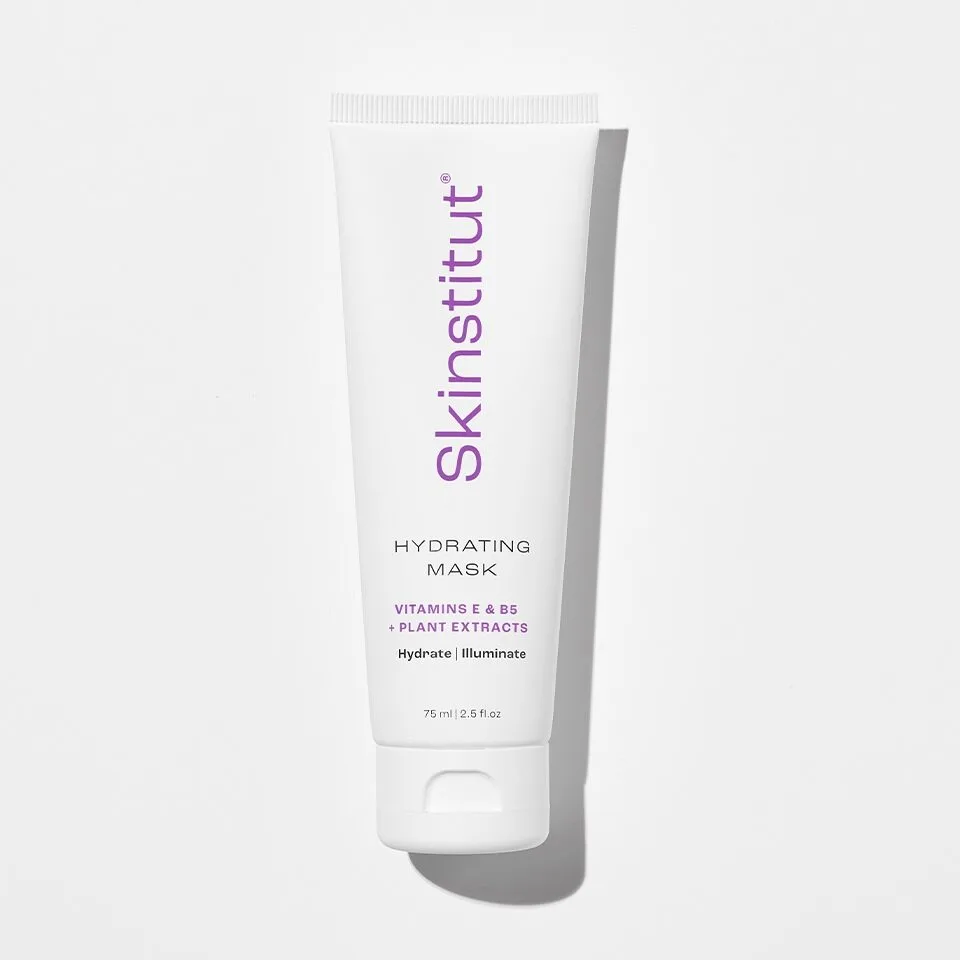
Hydrating Mask
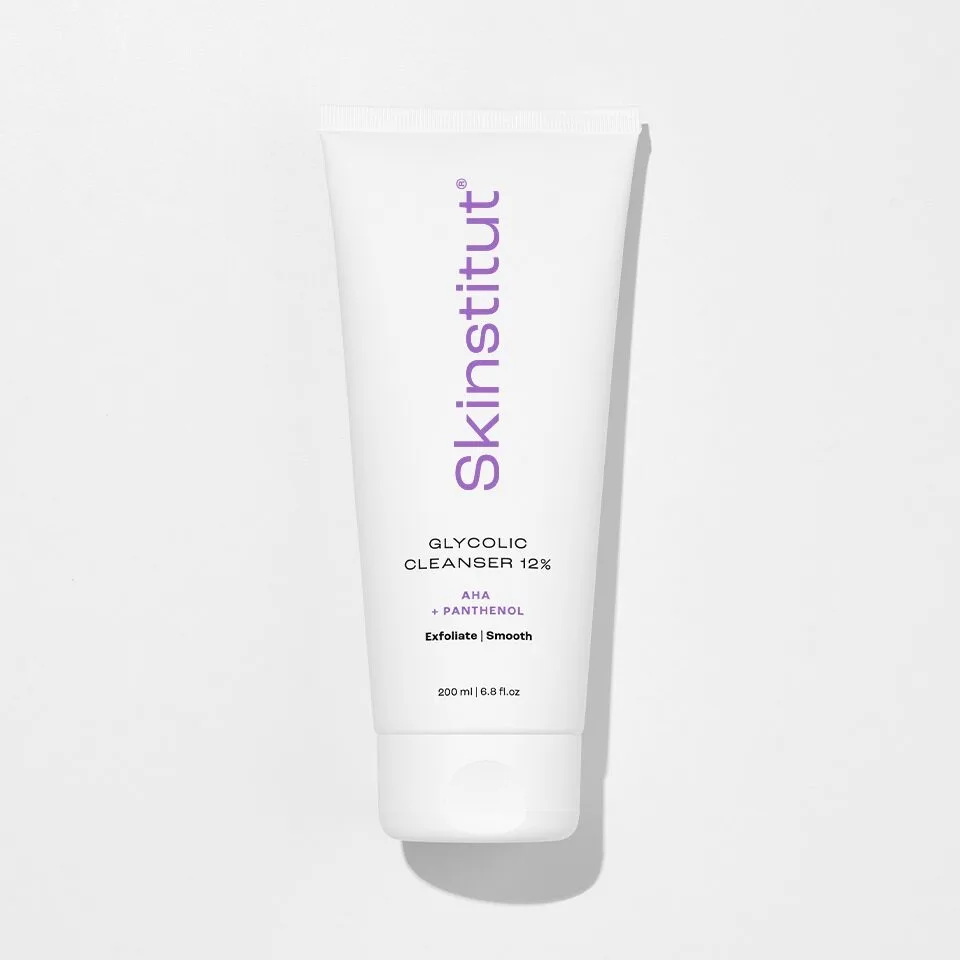
If you have oily or combination skin, a foaming cleanser can help control excess oil and prevent breakouts. However, avoid harsh formulas that can trigger rebound oil production. Instead, opt for a gentle foam that balances pH and includes hydrating agents. For acne-prone skin, a cleanser with salicylic acid or glycolic acid can be beneficial, such as the Glycolic Cleanser 12%.
For normal skin, you have the flexibility to choose based on your preference. Many people enjoy using an oil cleanser in the evening to remove makeup and a foam in the morning for a quick refresh. This combination ensures your skin gets a thorough yet gentle cleanse at every step.
- Dry skin: choose cleansing oil
- Oily skin: choose foaming cleanser
- Combination skin: consider double cleansing or alternating
Double Cleansing: The Best of Both Worlds
Double cleansing is a popular technique that involves using an oil-based cleanser first to dissolve makeup and sunscreen, followed by a water-based cleanser to remove sweat and impurities. This method ensures a deep clean without over-stripping, making it suitable for all skin types.
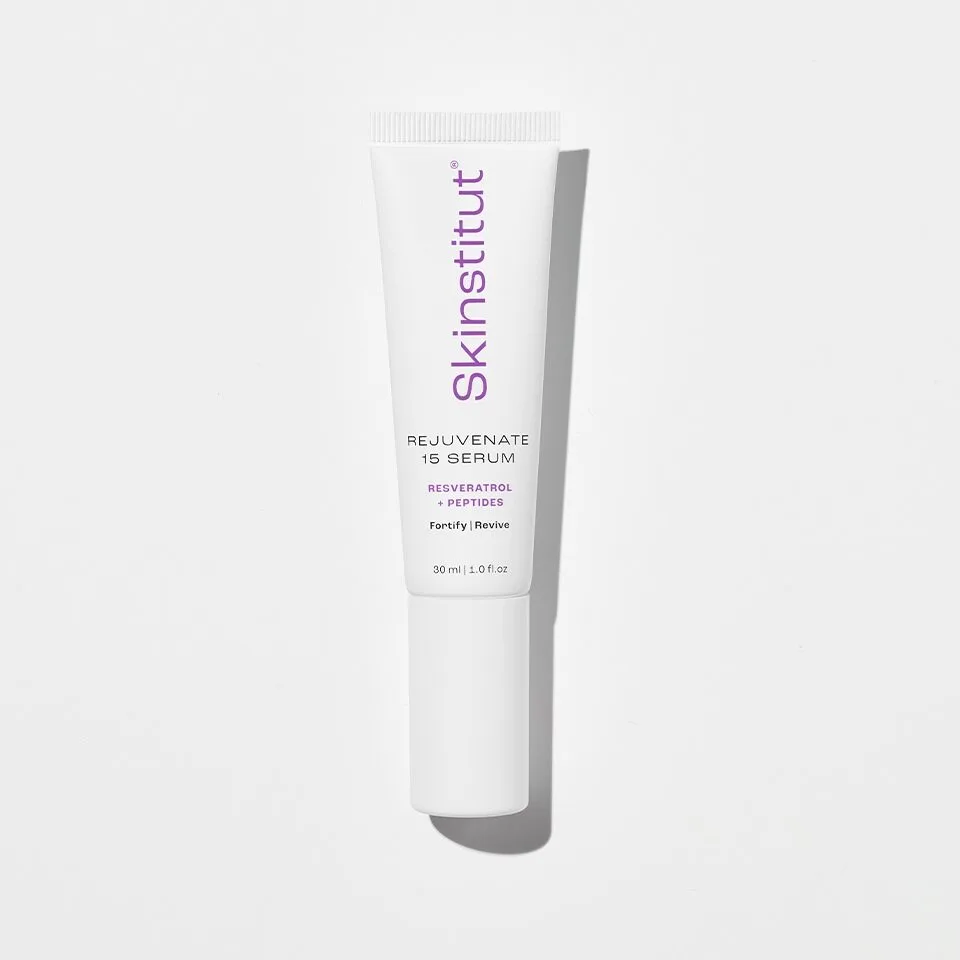
Start by massaging a cleansing oil into dry skin, then rinse. Follow with a foaming cleanser to cleanse the skin thoroughly. This routine is especially beneficial for those who wear heavy makeup or live in polluted areas. For a complete skincare regimen, consider incorporating a serum after cleansing, like the Rejuvenate 15 Serum, to target specific concerns.
- Step 1: Oil cleanser to dissolve makeup and sunscreen
- Step 2: Foam cleanser to remove remaining impurities
- Finish with a hydrating toner and moisturizer
Choosing between a cleansing oil and a foaming cleanser ultimately comes down to your skin type and preferences. For dry or sensitive skin, a nourishing oil cleanser is your best bet, while oily and combination skin types may thrive with a gentle foam. And if you can't decide, why not try double cleansing? It's the ultimate way to get a thorough cleanse while reaping the benefits of both textures. Explore our range of cleansers to find your perfect match and elevate your skincare routine today.