Quick Answer
If you want a subtle, everyday enhancement that blends with your natural eye color, choose a brown shade like Nebula Brown. If you prefer a striking, cool-toned look that stands out, a blue lens like Iceland Blue is your match. Both are hand-painted for realistic depth, but your skin tone and eye color should guide the choice.
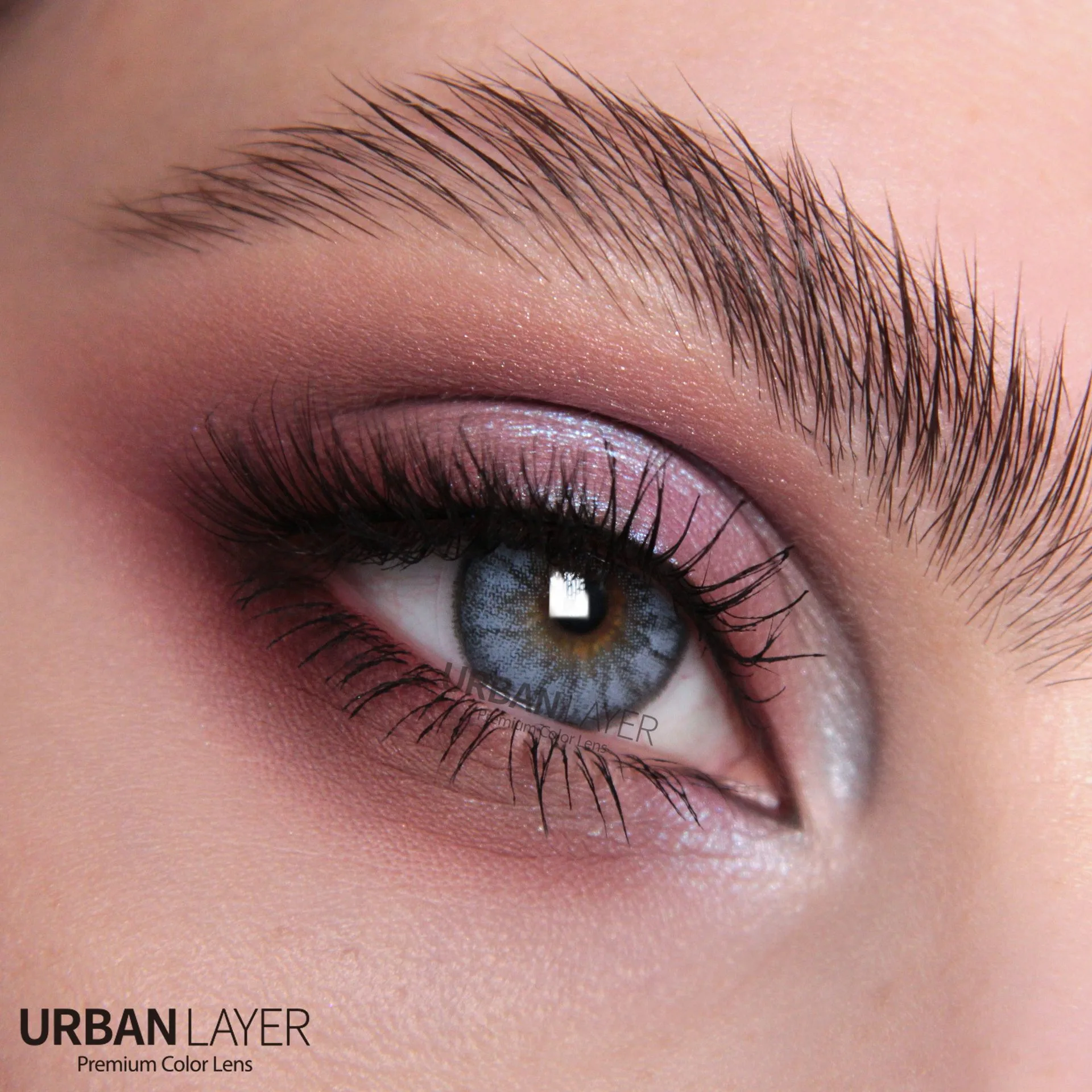
Iceland Blue
Choosing between blue and brown hand-painted contact lenses often comes down to the effect you want: a seamless natural boost or a bold color shift. While Cleopatra Sky Blue and Nile Brown are popular names, the actual lenses you'll find in this store are Iceland Blue and Nebula Brown. Both are hand-painted, meaning the color pattern mimics the iris's natural striations for a more organic look.
In this comparison, we'll break down how each shade performs on different eye colors, what to expect from the fit, and which one suits your style goals. We'll also include practical tips for first-time wearers.
How Blue and Brown Lenses Differ on Your Eyes
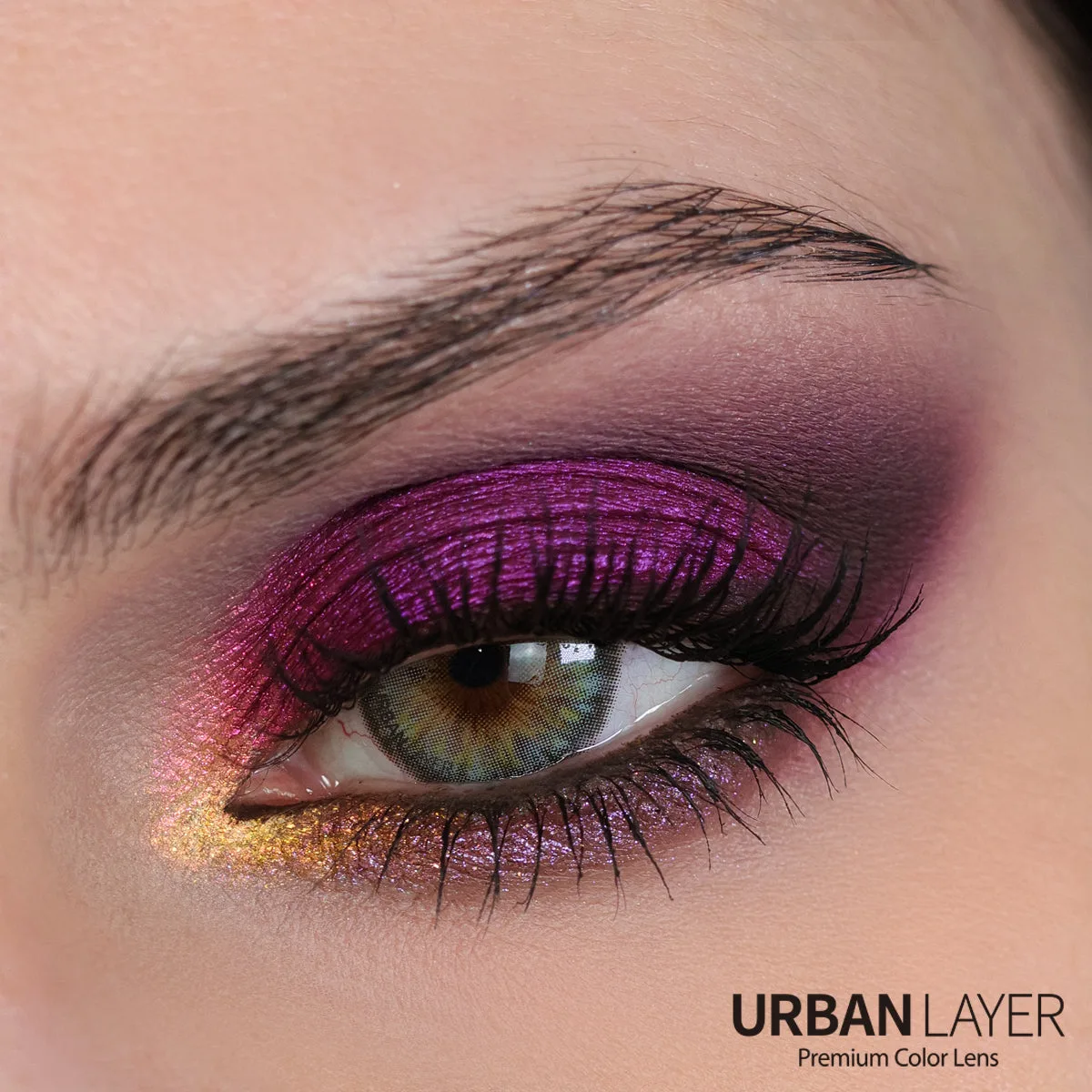
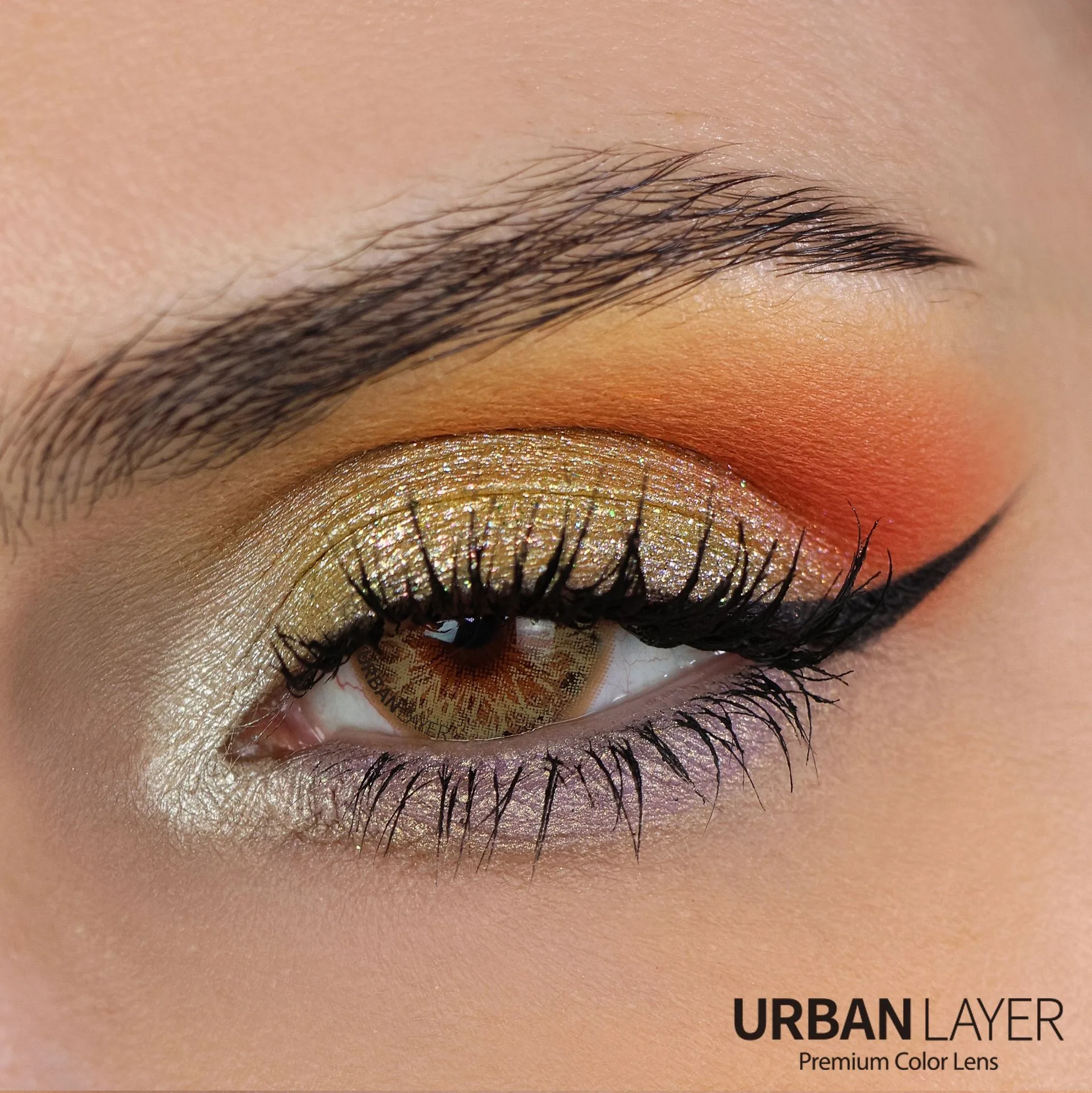
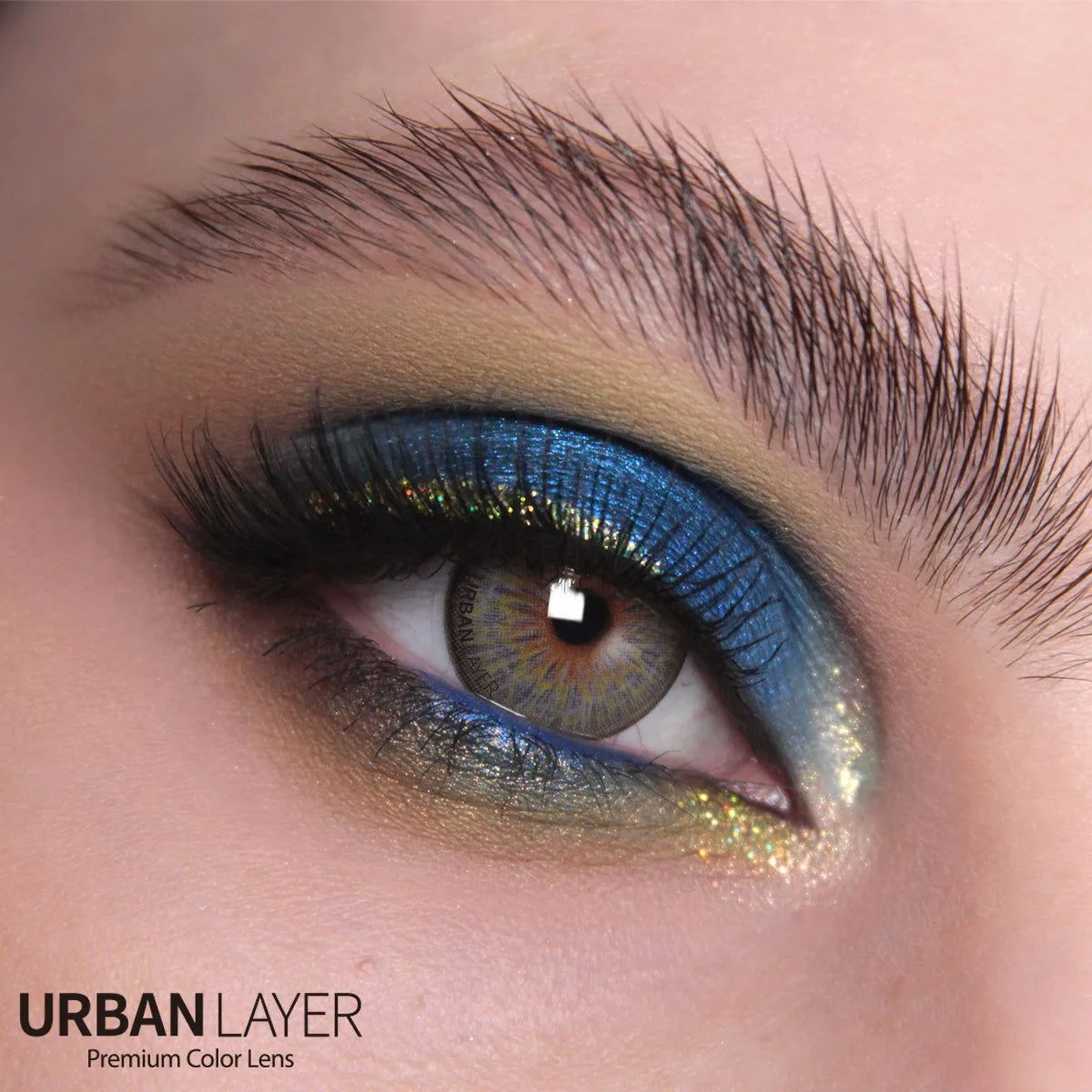
Blue lenses like Iceland Blue are opaque, so they can completely cover a brown iris. This makes them ideal if you want a dramatic transformation. However, the contrast can look stark if your skin tone is warm. Brown lenses, like Nebula Brown, are more translucent and tend to blend with your natural eye color, creating a softer, more believable enhancement.
Your natural eye color plays a big role. On dark brown eyes, a brown lens adds depth and a lighter honey tone without looking artificial. On lighter eyes, a blue lens can brighten and intensify the shade. Consider your wardrobe too: blue lenses pair well with cool tones like gray, navy, and jewel tones, while brown lenses complement earthy colors like olive, rust, and cream.
- For a natural everyday look, choose a brown shade close to your iris color.
- For a noticeable change, pick a blue lens with a dark limbal ring.
Comfort and Fit Considerations for Hand-Painted Lenses
Both Iceland Blue and Nebula Brown share the same base specifications: a diameter of 14.2mm and a base curve of 8.7mm. These are typical for standard colored lenses and should fit most eyes comfortably. They are made from silicone hydrogel or MPC material with 40% water content, which helps maintain moisture during wear.
However, the hand-painted design can affect vision. For instance, Nebula Brown has a smaller pupil hole than normal, which may obstruct vision in low light. If you need lenses for driving at night or for long hours, consider a design with a larger opening. Always get an eye exam and fitting from an eye care professional to ensure the base curve matches your cornea.
- Check the pupil size if you plan to wear lenses in dim settings.
- Follow the recommended replacement schedule—these are one-year lenses.
Matching the Lens to Your Skin Tone and Occasion
Your skin's undertone can make a lens look harmonious or jarring. Blue lenses like Iceland Blue often look best on people with cool undertones—think pink or rosy skin. If you have warm undertones (yellow, golden, or olive), a blue lens might appear grayish or washed out. In that case, a brown lens like Nebula Brown is safer.
Occasion matters too. For everyday wear, work, or school, a brown lens gives a subtle lift. For parties, photoshoots, or cosplay, a blue lens creates a memorable impact. If you're unsure, you can always buy one pair of each and alternate based on your outfit and mood.
- Hold the lens next to your skin in natural light to see the effect.
- Consider buying a trial pair before committing to a year supply.
Trade-Offs to Consider
- Natural vs. Bold: Brown lenses blend with your natural eye color for a subtle enhancement, while blue lenses create a striking change that's more noticeable. If you want a safe, everyday option, go brown. If you want to stand out, go blue.
- Skin Tone Compatibility: Blue lenses often look better on cool undertones, while brown lenses suit warm undertones. If you have neutral undertones, both can work. Check your undertone in natural light before deciding.
- Vision and Comfort: Some hand-painted lenses have smaller pupil openings, which can reduce peripheral vision. Always prioritize a lens that allows clear sight. If you need perfect vision for activities, choose a lens with a larger pupil area.
Product Facts at a Glance
- Iceland Blue: DIA size: 14.2mm, B.C: 8.7mm, 2 pieces in 1 box, 1 year, Silicone Hydrogel or MPC, Water Content: 40%, Made in Korea. Available with prescription. The 14.2mm diameter is a standard size that fits most eyes, and the availability of prescription options makes it easier for those with vision correction needs to enjoy a blue look.
- Nebula Brown: DIA size: 14.2mm, B.C: 8.7mm, 2 pieces in 1 box, 1 year, Silicone Hydrogel or MPC, Water Content: 40%, Made in Korea. Note: pupil hole is smaller than normal, which may obstruct vision. The smaller pupil opening can affect peripheral vision, especially in low light. If you choose this lens, be aware of potential visual obstruction and avoid wearing it while driving at night.
Which Lens Should You Choose?
Best for
- Iceland Blue is best for those with cool skin tones who want a dramatic, icy look for special occasions or cosplay.
- Nebula Brown is best for those with warm skin tones who desire a natural enhancement for daily wear.
Not for
- Iceland Blue is not ideal if you have warm undertones and prefer a subtle look, as it may appear unnatural.
- Nebula Brown is not recommended if you need perfect peripheral vision, especially for night driving, due to its smaller pupil hole.
Ultimately, the choice between blue and brown hand-painted lenses depends on your personal style and comfort. Both Iceland Blue and Nebula Brown offer quality and a realistic iris effect, but they serve different purposes. Consider your skin tone, the occasion, and your vision needs. If you're still unsure, consult an eye care professional or try a daily disposable first to test the look without a long-term commitment.