Quick answer
Choose clip-on earrings for kids by prioritizing comfort and safety: look for smooth, lightweight clips with adjustable tension, avoid small detachable parts for children under three, and treat them as dress-up jewelry rather than everyday wear. Always check the clip strength on your child's earlobe before a long event, and remove them if they pinch, slip, or cause redness.
Clip-on earrings give kids the fun of jewelry without piercing, but they still need a parent's eye. The right pair stays put through a birthday party and comes off without tears; the wrong pair pinches, falls off, or becomes a choking risk for a younger sibling.
This guide walks through a simple, repeatable process for choosing and using earclips for children. You will learn what to check before buying, how to test the fit, and when to choose earring alternatives for kids instead.
Why clip-on earrings are a smart first jewelry choice
Clip-on earrings let children enjoy dress-up jewelry without the commitment or healing time of pierced ears. They are easy to put on and take off, which makes them practical for costumes, parties, and pretend play. For many families, earclips for children are also a way to test whether a child actually enjoys wearing jewelry before considering a piercing later on.
The tradeoff is that clip-on earrings rely on pressure to stay on. That pressure can become uncomfortable if the clip is too tight or the earring is too heavy. Because young children may not explain discomfort clearly, parents need to check the earlobe and adjust the fit rather than assuming the child will speak up.
- Best for short events, costumes, and supervised play.
- Not ideal for babies, toddlers who mouth objects, or sleep.
- Always treat small earrings as a choking hazard for children under three.
What to check before you buy
Start with the clip mechanism. A good clip opens wide enough to slide onto the earlobe without pinching and closes with gentle, even tension. Look for a padded or smooth inner surface, because rough metal or sharp edges can irritate skin. If the product description does not mention the clip material or padding, treat that as a missing detail and inspect the earrings in person if possible.
Next, assess weight and size. Lightweight earrings stay on better and cause less drooping. Oversized or dangling styles may look fun but can pull the lobe and fall off during active play. For earclips and earpins safety, also check that decorative parts are firmly attached. A loose gem or charm can come off in a child's hand or mouth.
- Choose smooth, rounded edges over sharp or pointed details.
- Prefer one-piece designs for children under five.
- Skip earrings with tiny removable backs or charms.
How to test the fit at home
Before a big event, do a five-minute wear test at home. Place the clip on your child's earlobe, then ask them to nod, turn their head, and gently tug. The earring should stay in place without leaving a deep mark. If it slides off, the tension is too loose; if the lobe turns red or your child pulls at it, the tension is too tight.
A common mistake is adjusting the clip once and assuming it will stay comfortable all day. Earlobes can swell slightly with activity or heat, so recheck after 20 to 30 minutes. For dress-up jewelry, it is fine to bend the clip slightly to customize tension, but do it gradually and test after each small adjustment.
- Test on the earlobe, not the finger; earlobes compress differently.
- Remove earrings before sports, rough play, or nap time.
- If the clip leaves a mark that lasts more than a few minutes, loosen it.
Earring alternatives for kids who dislike clips
Some children find any clip uncomfortable, especially if they have sensitive skin or a low tolerance for pressure. In that case, consider earring alternatives for kids such as stick-on earrings, magnetic earrings, or headbands and tiaras that provide the same sparkle without pinching. These options can be especially useful for younger children who still want to participate in dress-up.
If you choose magnetic earrings, follow the same safety rules as clip-ons: check that magnets are securely enclosed and never give them to a child who puts small objects in their mouth. For costume play, a tiara or a decorative headband can deliver the royal look without any earlobe contact at all.
- Stick-on earrings work well for short photo sessions.
- Tiaras and headbands are a safe alternative for toddlers.
- Always supervise magnetic earrings around young children.
Care and storage for kids jewelry
Clip-on earrings last longer when they are stored separately from other dress-up jewelry. Metal clips can bend or tangle, and painted finishes can chip when tossed in a toy bin. A small pouch or compartmented box keeps pairs together and protects the clip mechanism.
Clean earrings with a soft, dry cloth after wear to remove skin oils and lotion. Avoid soaking them in water, especially if they have glued decorations or painted surfaces. Check the clips periodically for loose parts, and retire any pair that becomes sharp, bent, or wobbly.
- Store each pair in its own small pouch or slot.
- Wipe after wear; do not submerge in water.
- Inspect clips monthly for cracks or loose decorations.
Your step-by-step plan for clip-on earrings
- Check the age and stage: Confirm your child is old enough to wear jewelry without mouthing it. For children under three, skip clip-ons entirely and choose fabric headbands or stick-on alternatives. If there is any chance the earring will go in the mouth, it is not the right choice.
- Inspect the clip and materials: Look for smooth, padded clips with even tension and no sharp edges. Check that decorations are firmly attached and that the earring is lightweight enough to stay on without pulling. Missing material details are a reason to wait or inspect in person, not a reason to guess.
- Do a five-minute wear test: Put the earrings on at home before the event. Ask your child to nod, turn, and gently tug. Recheck after 20 minutes for redness or slipping. If the lobe turns red or the earring falls off, adjust the clip or choose a different pair.
- Set clear wear rules: Explain that earrings come off for sports, rough play, bath time, and sleep. Keep them in a dedicated pouch or jewelry box between wears. Children who know the rules are less likely to lose or damage their dress-up jewelry.
- Recheck and retire worn pairs: Inspect clips monthly for bends, cracks, or loose parts. Clean with a dry cloth and store away from heavy toys. A wobbly or sharp clip is a safety risk; replace it rather than repairing it.
Real products that support dress-up jewelry play
- Emae Birthday Tiara- Costume Accessory for Kids - Carnival & Festive Use: The Emae Birthday Tiara is a cheerful, colorful tiara designed for comfort and fun at birthday parties, carnivals, and festive events. If your child dislikes earclips, a tiara gives the same celebratory sparkle without any earlobe pressure, making it a practical earring alternative for kids.
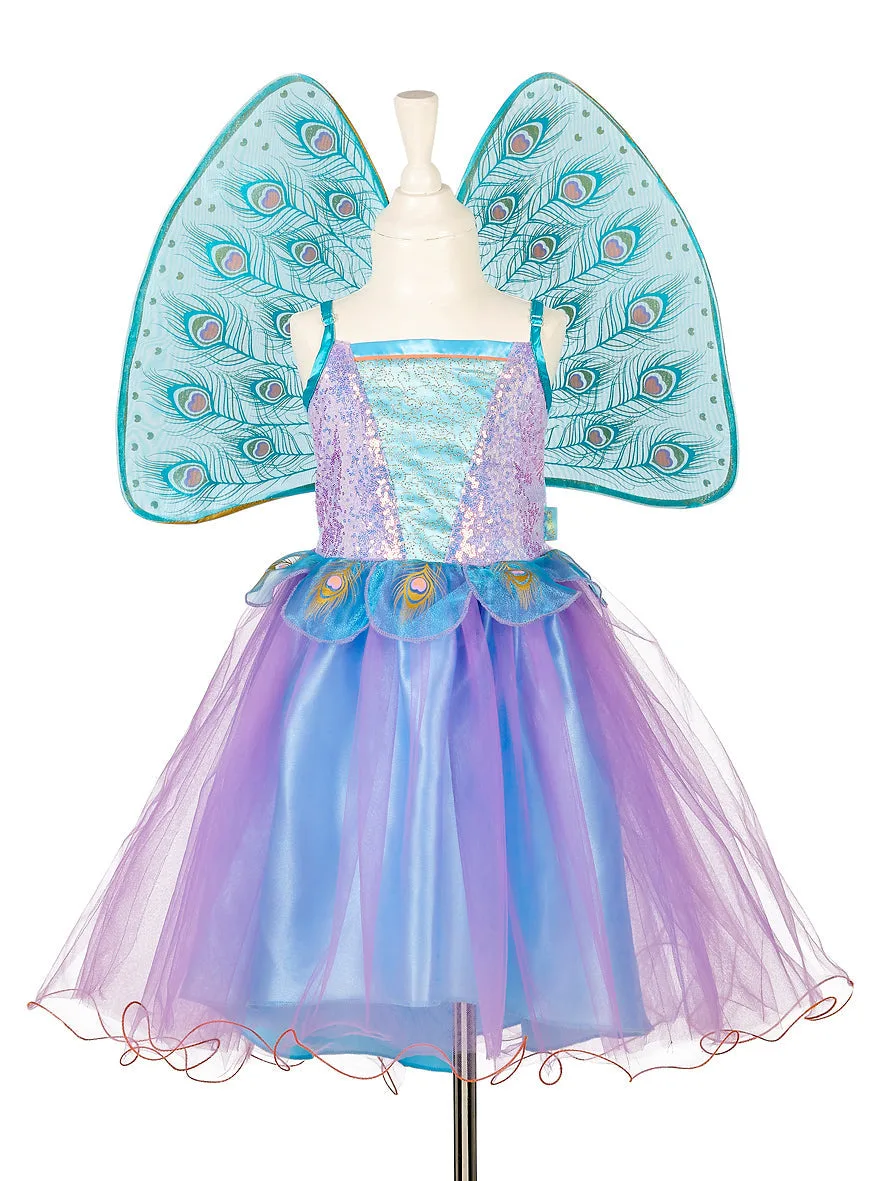
- Tamara Fairy Costume – Dress and Wings Set (multicolor) - Role-Play for Children(2 sizes): The Tamara Dress is made from 100% soft polyester and is available in two sizes, designed for royal balls and imaginative adventures. A complete costume like this pairs well with clip-on earrings for kids because the outfit already sets the theme, so jewelry is an optional accent rather than a necessity.
- Stick'N Fun - 3D Mosaics Jewelry Box - 5y+: This craft kit lets children decorate a sturdy jewelry box with colorful peel-and-stick mosaic pieces, supporting fine motor skills and focus in a mess-free activity. A decorated jewelry box gives kids a dedicated place to store earclips and other dress-up jewelry, which protects the clips from bending and keeps pairs together.
Clip-on earrings can be a comfortable, safe part of dress-up jewelry when you choose lightweight designs, test the fit, and set clear wear rules. Start with a short supervised trial, keep a tiara or headband as a backup, and store earclips carefully so they stay ready for the next celebration.