Keeping your clipper blades clean and well-oiled is the single most important routine for any barber or home groomer. Dull, dirty blades pull hair, cause skin irritation, and shorten the life of your clippers. In this guide, we'll walk you through the proper way to oil and clean your clipper blades, what products to use, and how often to do it.
Whether you're using a professional cordless clipper or a trusty trimmer, regular maintenance not only improves performance but also saves you money in the long run. By following these simple steps, you'll ensure your tools stay sharp and hygienic for every client or personal use.
Why Oiling and Cleaning Your Clipper Blades Matters
Clipper blades are precision tools. They consist of two metal plates that move against each other at high speed. Without proper lubrication, friction increases, causing the blades to heat up, dull faster, and even nick the skin. Oil reduces friction, prevents rust, and flushes out hair and debris that accumulate during use.
Cleaning is equally important. Hair clippings, skin oils, and product residue build up between the teeth, dulling the edge and harboring bacteria. In a professional setting, cross-contamination between clients is a serious concern. Regular cleaning and sanitizing protect both you and your clients.
- Oil prevents overheating and reduces wear on the blade edges.
- Clean blades cut more smoothly and reduce pulling or snagging.
- Hygienic maintenance prevents skin infections and complies with health standards.
What You Need: Essential Supplies for Clipper Maintenance
Before you start, gather the right supplies. You'll need a soft brush (usually included with your clipper), a clean cloth, a spray disinfectant (like clipper spray), and high-quality clipper oil. Avoid using household oils like WD-40 or cooking oil—they can damage the blades or leave harmful residues.
If you're using a detachable blade system, you may also want a small screwdriver to remove the blade for a deeper clean. Many modern clippers have detachable blades for easy maintenance. For example, the Gold Titanium Faper Clipper Blade & Slim Deep Tooth Cutter is designed for quick swapping and cleaning, making it a favorite among barbers who value efficiency.
- Use only clipper-specific oil—never substitute with household lubricants.
- A stiff brush helps dislodge hair from between the teeth.
- Disinfectant sprays kill bacteria and sanitize the blade surface.
Step-by-Step Guide: How to Clean Your Clipper Blades
Start by unplugging your clipper or removing the battery to ensure safety. Use the brush to sweep away loose hair from the blade and the body of the clipper. Be thorough—hair can accumulate in hard-to-reach areas.
If your blade is detachable, remove it according to the manufacturer's instructions. For a deeper clean, soak the blade in a clipper blade cleaner or use a spray disinfectant. Let it sit for a few minutes to break down oils and debris, then brush again. Dry the blade completely with a clean cloth before oiling.
For non-detachable blades, you can still clean them by brushing and spraying disinfectant directly onto the blade, then wiping with a cloth. Be careful not to get liquid into the motor housing.
- Always clean before oiling to avoid mixing dirt with lubricant.
- Use a disinfectant that is safe for metal and won't corrode the blade.
- Let the blade air dry completely to prevent rust.
Step-by-Step Guide: How to Oil Your Clipper Blades
Oiling is a quick process but must be done correctly. Apply 1-2 drops of clipper oil to the front of the blade, between the teeth, and on the side where the two blades meet. Then, turn on the clipper for a few seconds to distribute the oil evenly. Wipe off any excess oil with a cloth to prevent dripping.
How often should you oil? For professional barbers using clippers daily, oiling before each use is recommended. For home users, oiling every few uses or when you notice the clipper pulling is sufficient. Always follow the manufacturer's guidelines for your specific model.
If you're using a replacement blade like the Gold Titanium Single Foil with Echo & Forged Cutters for the Uno 2.0 Shaver, the same principles apply—keep it clean and lubricated for optimal performance.
- Oil before each use for professional settings.
- Use only 1-2 drops—too much oil attracts dirt.
- Run the clipper briefly after oiling to distribute the lubricant.
Common Mistakes to Avoid in Clipper Blade Care
One common mistake is over-oiling. Excess oil can drip onto the skin during a haircut and attract hair clippings, making the clipper dirty faster. Another mistake is using the wrong cleaning agents, such as alcohol or bleach, which can strip the blade's protective coating and cause corrosion.
Skipping regular maintenance is also a problem. Waiting until the clipper tugs or pulls to clean it can lead to permanent damage. Make it a habit to clean and oil after each use, even if it's just a quick brush and a drop of oil.
Finally, don't forget to check for loose screws or parts. A loose blade can cause uneven cutting and increase wear. Tighten any screws gently with the appropriate screwdriver.
- Avoid over-oiling; a drop or two is enough.
- Never use harsh chemicals that can damage the metal.
- Regular maintenance prevents costly replacements.
When to Replace Your Clipper Blades
Even with meticulous care, blades will eventually wear out. Signs that you need new blades include visible nicks or chips, persistent pulling even after oiling, and uneven cuts that you can't fix by adjusting the blade. If you notice these, it's time to invest in a replacement.
Quality replacement blades can restore your clipper's performance. For example, the Stainless Steel Forged Cutters for the Ace Foil Shaver offer durability and precision, making them a great upgrade. Similarly, the Gold Titanium Faper Clipper Blade & Slim Deep Tooth Cutter is designed for fade work and maintains sharpness longer.
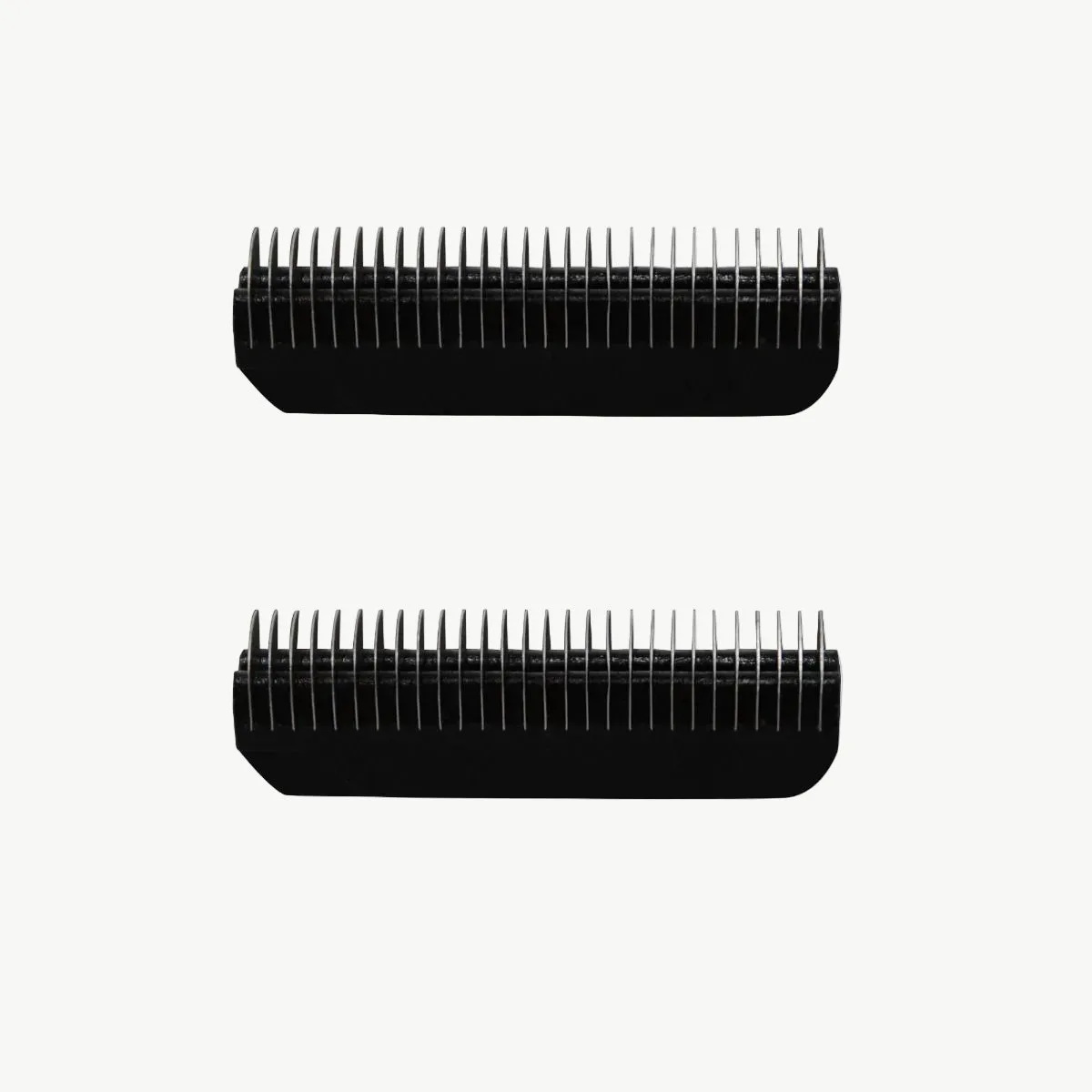
Stainless Steel Forged Cutters for the Ace Foil Shaver
Always choose blades that are compatible with your clipper model. Check the manufacturer's specifications or consult the product page to ensure a perfect fit.
- Inspect blades monthly for signs of wear.
- Replace blades if you see chips, rust, or uneven cutting.
- Consider upgrading to titanium or stainless steel for longer life.
Proper clipper blade care is a small investment of time that pays off in performance, hygiene, and longevity. By incorporating these cleaning and oiling steps into your routine, you'll keep your clippers in top shape and avoid unnecessary replacements. For those ready to upgrade, explore our range of high-quality replacement blades like the Gold Titanium Faper Clipper Blade & Slim Deep Tooth Cutter to elevate your grooming game.