Quick Answer
Choosing the right clipper blade depends on your dog's coat type, not just the clipper. For thick or matted coats, use a larger blade size (#10) for efficient removal; for sensitive areas or fine coats, a smaller blade (#30 or #40) offers precision. Consider the material—ceramic stays cooler but is brittle, while steel is durable but heats up. Always match the blade to the coat's density and your dog's comfort.
When grooming your dog at home or in a professional kennel, the clipper blade you choose can make the difference between a smooth trim and a frustrating, uncomfortable session. But with so many blade sizes and materials, how do you know which one suits your dog's coat? This comparison breaks down the tradeoffs between blade types and offers guidance based on coat characteristics.
We'll examine two popular grooming tools—the Millers Forge Large Dog Nail Clipper and the Easy Clip Mini II—to illustrate how blade design and size affect performance on different coat types. Remember, the right blade isn't just about sharpness; it's about matching the tool to your dog's specific grooming needs.
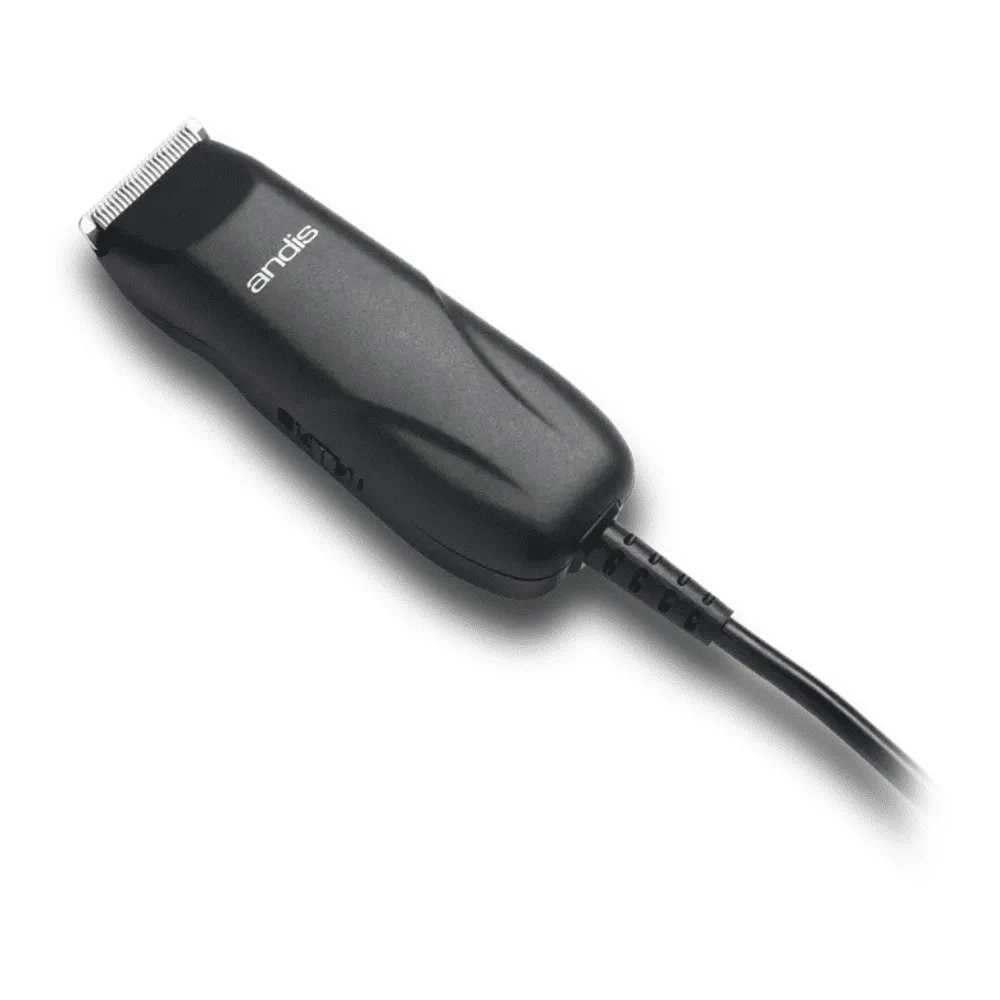
Easy Clip Mini II
Understanding Clipper Blade Sizes
Clipper blades come in numbered sizes, with lower numbers (like #10) leaving a longer cut and higher numbers (like #30 or #40) leaving a very short cut. The size determines how close the blade cuts to the skin, which is crucial for different coat types. For example, a #10 blade is versatile for general body trims on medium-coated dogs, while a #30 blade is ideal for sensitive areas like the face or paws.
For thick, double-coated breeds, a larger blade size may be needed to prevent pulling and discomfort. Conversely, fine or thin coats require a smaller blade to avoid nicking the skin. Understanding these numbers helps you select the right blade for your dog's coat density and the desired finish.
- Always check the blade size before starting; using the wrong size can cause uneven cuts or skin irritation.
Blade Material: Steel vs. Ceramic
Most clipper blades are made from stainless steel, which is durable and easy to sharpen. However, steel blades can heat up during prolonged use, causing discomfort to your dog. Ceramic blades, on the other hand, stay cooler for longer, reducing the risk of overheating, but they are more brittle and can chip if dropped.
For professional kennel use where multiple dogs are groomed in a session, heat management is critical. A ceramic blade might be a better choice for frequent grooming, while steel blades are more cost-effective for occasional home trims. Consider your grooming frequency and your dog's sensitivity when choosing the material.
- If your dog has sensitive skin, test the blade temperature on your wrist before each use.
Matching Blades to Coat Types
Different coat types require different blade approaches. For example, a smooth, short coat like a Boxer's may only need a light trim with a #10 blade, while a curly or woolly coat like a Poodle's benefits from a #30 or #40 blade to achieve a close, even cut. Long, silky coats like a Yorkshire Terrier's often need a #7 or #5 blade to manage length without causing matting.
The key is to assess your dog's coat density and texture. Thick, dense coats require larger blades to remove bulk efficiently, while fine coats need smaller blades for precision. Always brush your dog thoroughly before clipping to remove tangles and reduce the risk of pulling.
- For matted coats, use a blade that is one size larger than what you'd normally use to avoid painful tugging.
Tradeoffs to Consider
- Blade Size vs. Precision: Larger blades (e.g., #10) cut faster but leave more hair, while smaller blades (e.g., #30) offer precision but require more passes. For thick coats, larger blades reduce grooming time; for detailed work, smaller blades are essential. Choose based on the task: bulk removal or detailed trimming.
- Material Durability vs. Heat Retention: Steel blades are durable and affordable but can overheat, causing discomfort. Ceramic blades stay cooler but are more fragile and expensive. If you groom frequently, invest in ceramic; for occasional use, steel is practical. Balance your budget with your dog's comfort and grooming frequency.
- Tool Design vs. Coat Type: A compact clipper like the Easy Clip Mini II is ideal for small areas, but for full-body trims on large breeds, a full-sized clipper with a larger blade is more efficient. Match the tool's design to your dog's size and coat coverage. Consider the grooming area and your dog's size when selecting tools.
Featured Products
- Millers Forge Large Dog Nail Clipper: Built for larger breeds, offering a sturdy and comfortable grip during grooming sessions. Sharp, durable blades help make clean cuts for efficient nail maintenance. While not a clipper blade, this tool's sturdy grip and sharp blades illustrate the importance of quality materials and ergonomic design in grooming tools, which also applies to clipper blades for larger dogs.
- Easy Clip Mini II: Compact and lightweight design for comfortable handling during grooming tasks. Ideal for small to medium areas, such as face, paws, and sanitary trims. This clipper's compact size and precision make it perfect for detailed work on sensitive areas, showing how tool design complements blade selection for different coat types.
Which Blade is Right for Your Dog?
Best for:
- Dogs with thick, dense coats that need efficient bulk removal without overheating.
- Professional groomers or owners who groom multiple dogs and need durable, cool-running blades.
Not for:
- Dogs with sensitive skin or those prone to irritation, where a smaller blade size is safer.
- Pet owners on a tight budget who may prefer a single versatile blade over multiple specialized ones.
Choosing the right clipper blade for your dog's coat type is about balancing size, material, and your grooming routine. Whether you're dealing with a thick double coat or a delicate face trim, understanding the tradeoffs helps you make an informed decision. For personalized advice, consider your dog's specific needs and consult with a professional groomer if unsure.