Quick answer
A closed emitter (enclosed) red dot seals the LED behind glass on all sides, so rain, dust, and mud can't block the dot. An open emitter leaves the LED exposed, which cuts weight and cost but demands more care. Choose closed for carry, duty, or bad weather; choose open for a light, affordable range or competition gun.
How the two emitter designs actually differ
The difference is physical, not electronic. On an open emitter red dot, the LED sits in a small exposed housing and projects the dot onto a single angled lens. On an enclosed red dot sight, that same LED is fully contained inside a tube or box with a front and rear window. The dot reaches your eye the same way, but the emitter is shielded from the outside world.
That shield changes three things: how the sight handles weather, how much it weighs, and how much it costs. It does not change the core job—putting a bright aiming point where you look—so the decision is about your conditions and priorities, not about one design being more accurate than the other.
What closed emitter benefits cost you
Closed emitters shine when the sight is exposed to the elements or carried every day. Rain, snow, dust, and mud can't settle on the emitter itself, and the sealed body is easier to wipe clean with a gloved hand. That reliability is why duty and defensive setups often lean enclosed.
The trade-off is weight, bulk, and price. A closed emitter typically adds ounces and a larger footprint, which can matter on a slim carry pistol. It also usually costs more than a comparable open emitter. If your gun lives in a dry range bag and never sees rain, you may be paying for protection you don't use.
Open emitter red dot advantages
Open emitters keep the sight small and light, which preserves slide speed and holster compatibility on compact pistols. They also tend to be the more affordable path to a red dot, so you can put more budget into ammunition and training.
The catch is maintenance. The exposed lens and emitter collect lint, dust, and moisture, and a dirty emitter can dim or distort the dot. You need to check and clean the lens regularly, especially if you carry close to the body or shoot in dusty environments.
Which red dot sight fits your use
Match the emitter design to your worst conditions, not your best. If your pistol or carbine might get rained on, dropped in mud, or carried against clothing all day, the sealed design removes a failure point. If your shooting is mostly fair-weather range sessions and you value a light, low-cost slide setup, an open emitter is a sensible choice.
Also consider your mounting footprint and how you train. A larger enclosed sight can change how the gun balances and how it draws from a holster, so handle one before committing if you can.
The real trade-offs
- Weather protection vs weight: A closed emitter like the Apollo Lumen seals the LED behind glass, so rain and dust can't block the dot, but the sealed body adds ounces and bulk compared with an open emitter. Pick sealed if your gun sees weather or daily carry; pick open if you want the lightest slide setup.
- Cost vs convenience: Open emitters generally cost less, which leaves more budget for ammo and training, but you'll spend more time cleaning the exposed lens and emitter. Budget for maintenance time, not just the purchase price.
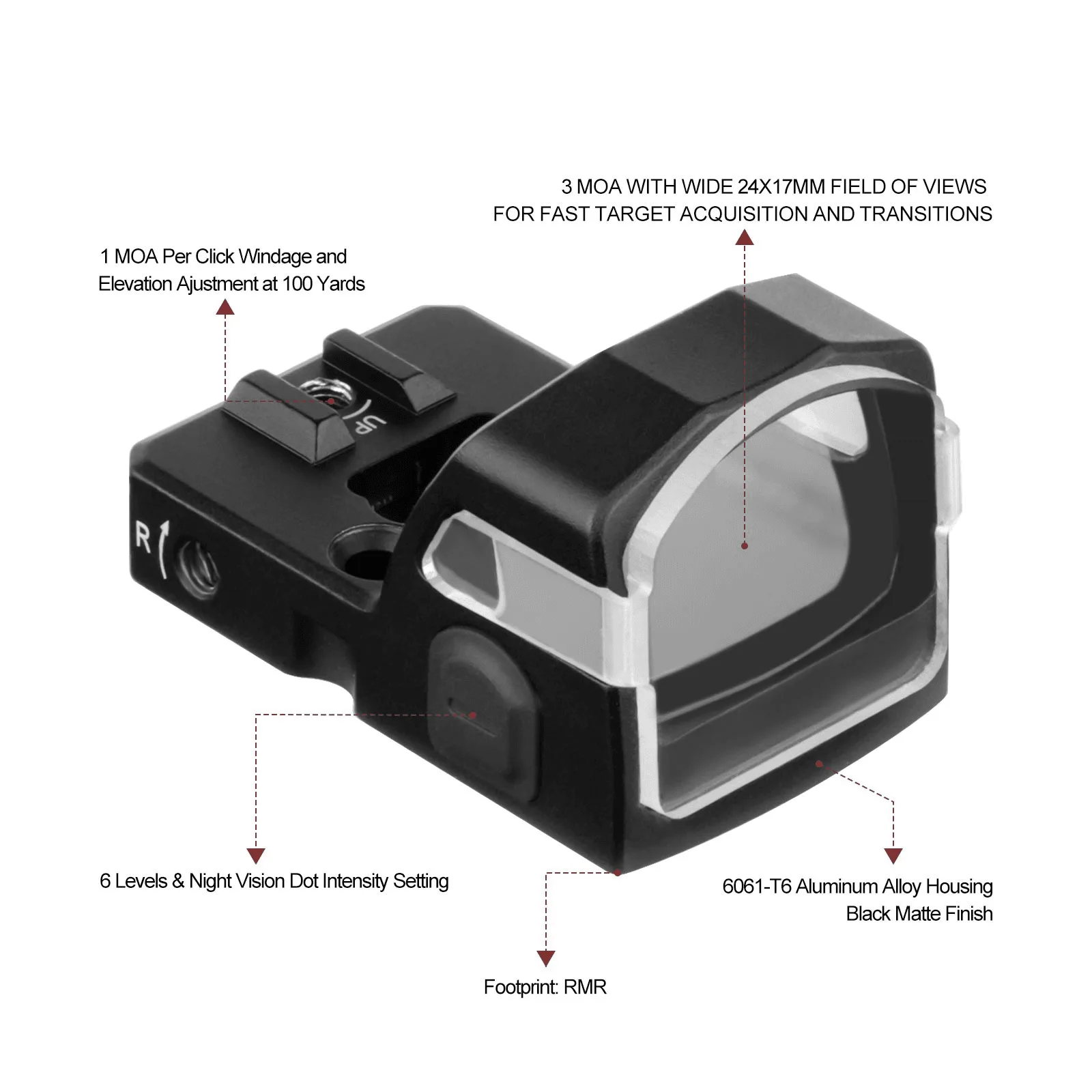
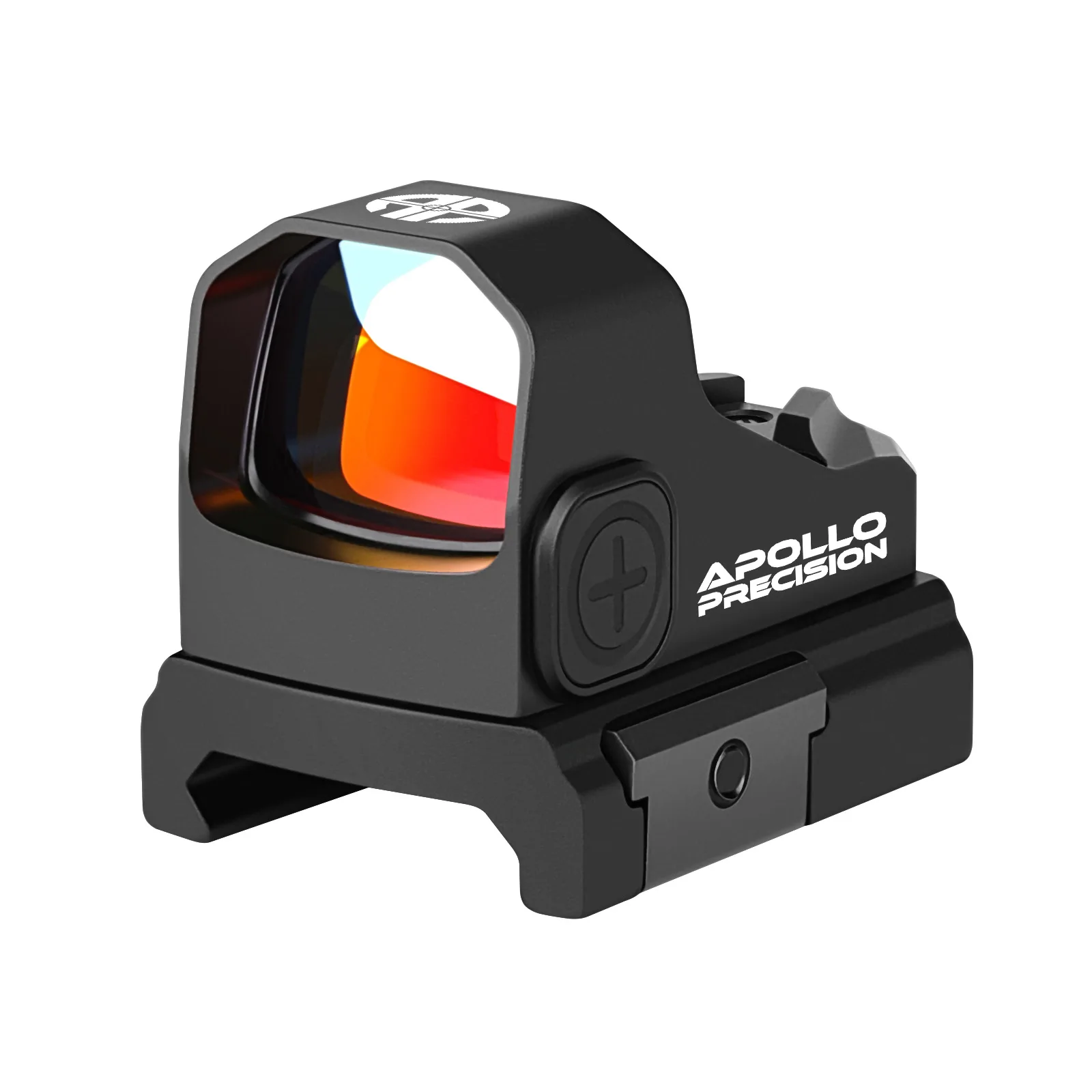
- Footprint and mounting: The Nova Green uses an RMR footprint for direct pistol mounting, the Ember uses an RMSc footprint with an included Picatinny mount, and the Polaris Solar mounts directly to Picatinny rails. Confirm your slide cut or rail before buying; the wrong footprint means an adapter plate or a different sight.
Apollo options that show the difference
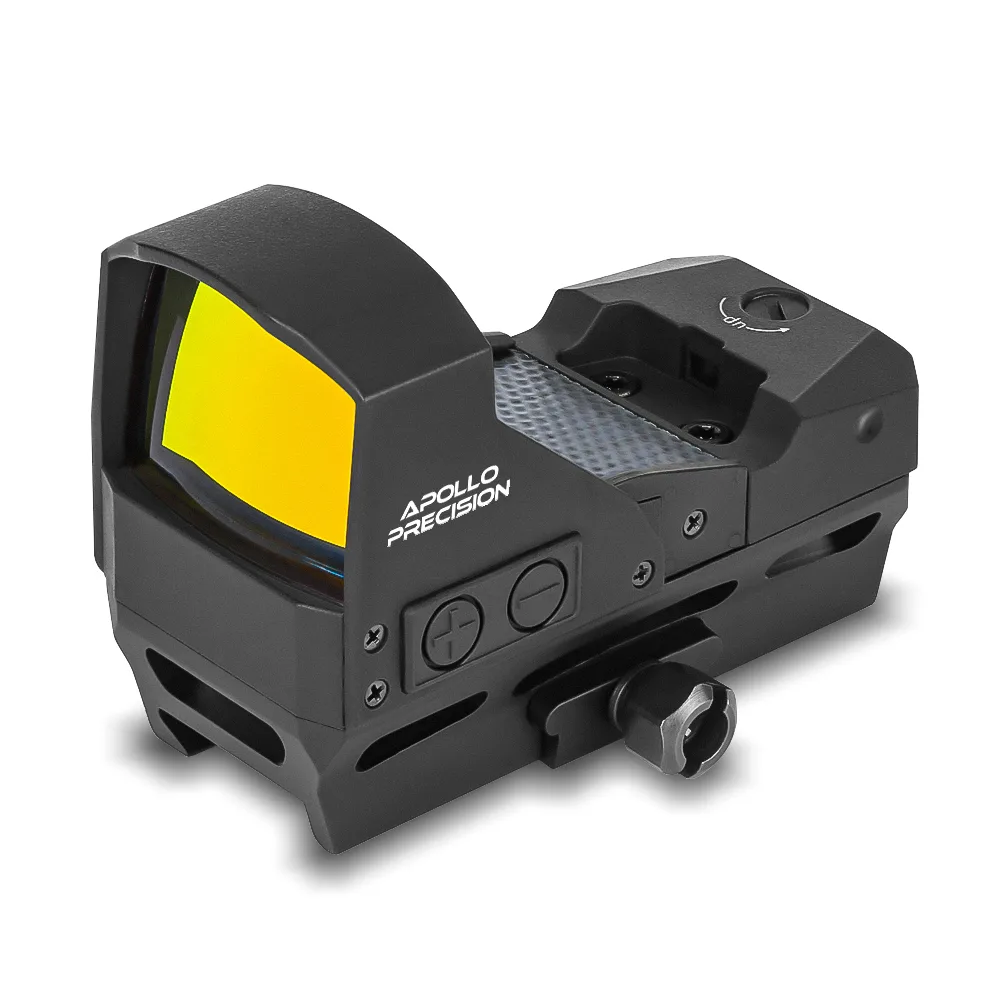
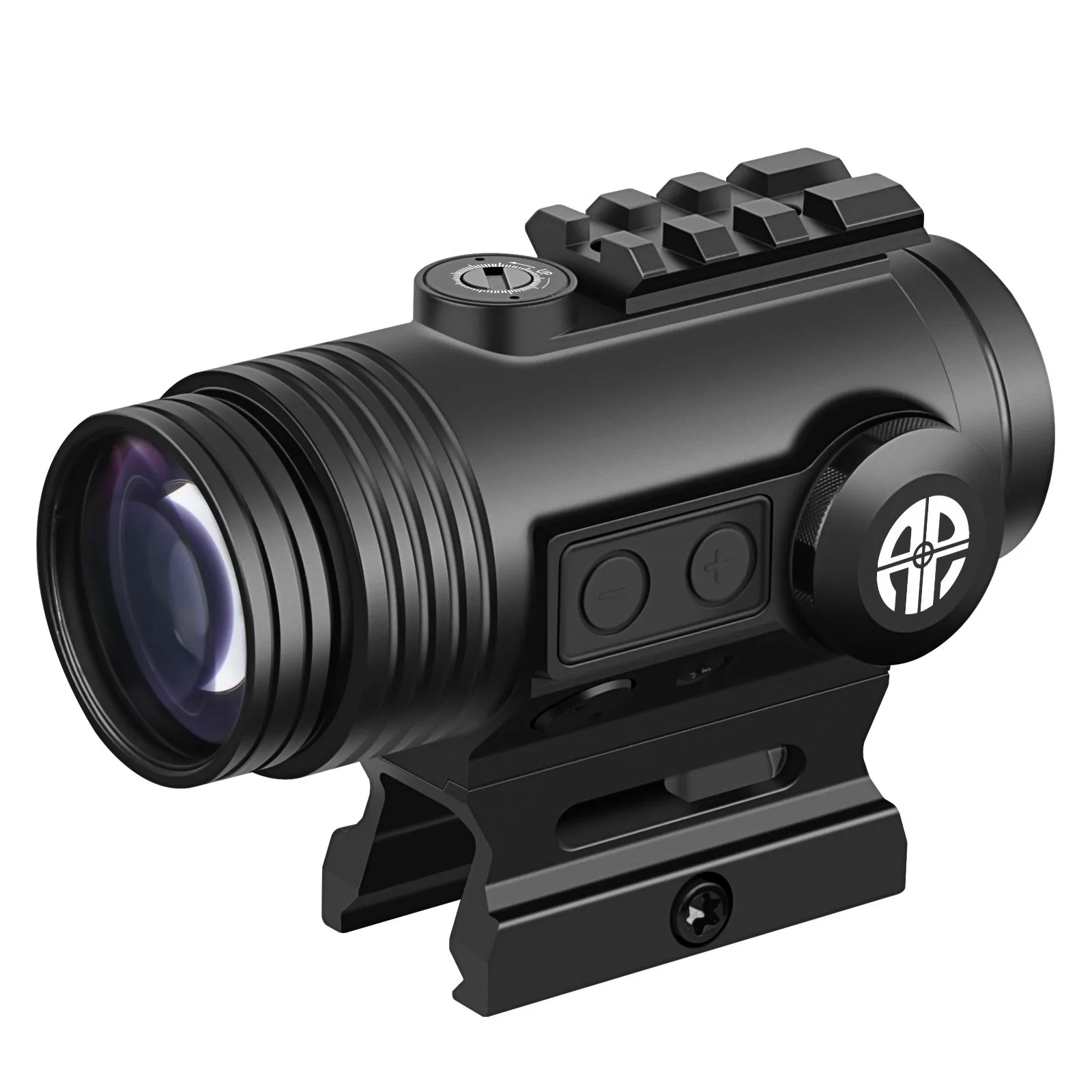
- Apollo Lumen: The Apollo Lumen is a closed emitter optic with fully multi-coated optics, dual-color reticle options, a 70 ft field of view at 100 yards, 6061 aluminum construction, and IPX5 waterproofing. The sealed body and IPX5 rating suit rifles and carbines used in rain or dust, while the wide field of view and dual-color reticle help with fast target acquisition.
- Nova Green: The Apollo Nova Green is a pistol green dot with an RMR footprint, a crisp 3 MOA green dot, easy brightness control, and lightweight construction. Its light build and RMR direct fit make it a good match for carry pistols where slide weight and mounting simplicity matter more than a sealed emitter.
- Polaris Solar: The Apollo Polaris Solar combines solar power efficiency with a 38mm lens, mounts directly to Picatinny rails, and offers multiple reticle options for rifles and shotguns. The large lens and rail mount favor fast, open-style aiming on long guns, while solar power reduces reliance on a battery during long range days.
- Ember: The Apollo Ember is a compact RMSc-footprint pistol red dot with a larger protective hood, brighter emitter, crisp 3 MOA point of aim, multi-reticle system, and an included Picatinny mount. The enlarged hood adds some protection without a fully sealed body, and the included mount lets you move the same sight between a pistol and a rail-equipped firearm.
Which should you choose?
Choose closed emitter if
- You carry daily or use the gun for duty and want the dot protected from rain, dust, and mud.
- You run a rifle or carbine in harsh conditions and want a sealed body like the Apollo Lumen.
- You prefer wiping the sight clean with a gloved hand instead of detail-cleaning an exposed emitter.
Choose open emitter if
- You want the lightest possible slide setup for a compact carry pistol.
- You are building a budget range or competition gun and want to spend more on ammunition.
- Your shooting is mostly fair-weather and you don't mind routine lens cleaning.