Quick answer
Hook and loop covers usually fail because the hook strip is clogged with lint, diaper cream, or dryer heat damage, not because the cover is worn out. Fasten the tabs onto the laundry tabs before every wash, air dry instead of machine drying, and clear the hooks with a stiff brush whenever grip weakens. If the loop fabric is torn or the hook strip has lost its shape, stop repairing and replace the cover.
Why hook and loop covers stop gripping
Hook and loop is a mechanical closure, so it depends on two textures staying open and clean. The hook side is a dense field of tiny plastic hooks; the loop side is a softer, fuzzier fabric. When lint, fibers, or oily residue pack into the hooks, they cannot grab. When the loops get matted or torn, there is nothing left to grab onto. Heat is the third factor: repeated hot drying can warp the plastic hooks so they curl instead of catching.
- Lint and fiber buildup in the hook strip is the most common cause of weak grip.
- Diaper cream and fabric softener leave a film that makes hooks slide instead of catch.
- High dryer heat can deform plastic hooks and shrink the loop fabric.
- Pilling on the loop side reduces the surface the hooks can latch onto.
Wash routine that protects the closure
Before the cover goes in the pail, fasten the tabs onto their laundry tabs or fold them onto the loop panel. This keeps the hooks from snagging other diapers and from collecting lint off everything in the load. Wash covers with a normal cloth diaper routine using a detergent without fabric softener or optical brighteners, and skip dryer sheets entirely. If you wash covers with prefolds or flats, use a mesh bag so the rougher fabrics do not scrub the loop panel.
- Always secure tabs to laundry tabs before washing.
- Use a cloth-diaper-safe detergent with no softener or brighteners.
- Wash covers with similar fabrics or in a mesh bag to reduce abrasion.
- Rinse thoroughly; detergent residue makes hooks slippery.
Drying and storage habits that add months
Air drying is the single easiest way to extend cloth diaper cover life. Hang covers over a rack or drape them over a drying line, loop side up, so the hook strip is not pressed against anything. If you must use a dryer, choose low or no heat and pull covers out while slightly damp. Store covers with tabs fastened so hooks do not pick up lint in the drawer, and keep them away from towels or other linty fabrics.
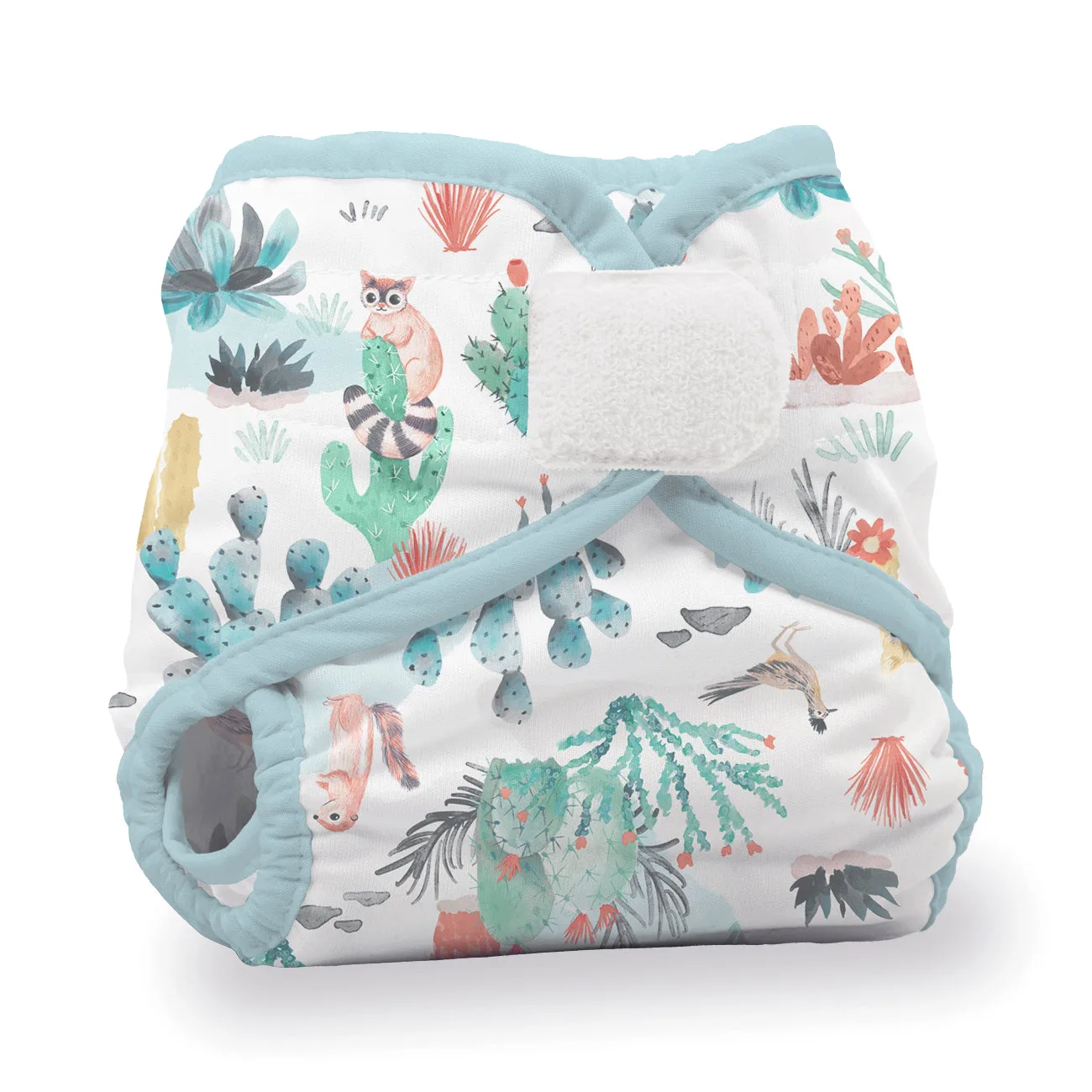
diaper cover
- Air dry whenever possible; heat is the enemy of plastic hooks.
- If machine drying, use low heat and remove covers while damp.
- Store with tabs fastened to prevent lint pickup.
- Keep covers separate from towels and fleece in storage.
Fixing weak grip without replacing the cover
When grip starts to slip, first try a dry fix. Use a stiff-bristled brush or a clean toothbrush to comb lint and fuzz out of the hook strip. A lint roller over the loop side can lift embedded fibers. If residue from diaper cream is the problem, wash the cover with a small amount of grease-cutting dish soap, rinse well, and air dry. For loop fabric that has pilled, a fabric shaver or fine-grit nail file used gently can restore some texture, but go slowly and test on a hidden area first.
- Brush the hook strip with a stiff brush to remove lint.
- Use a lint roller on the loop side to lift embedded fibers.
- For cream residue, wash with a drop of grease-cutting dish soap and rinse.
- De-pill loop fabric gently with a fabric shaver; test first.
When to stop repairing and switch to snaps
If the hook strip is visibly deformed, the loop panel is torn, or the cover no longer stays fastened through a full nap, repairs will not hold. At that point, replacing the cover is more reliable than fighting it. If you keep running into the same failure, consider whether snaps would suit your routine better. Snaps do not clog with lint or lose grip with heat, but they offer less fine-tuning for chunky and slender babies alike. The right choice depends on whether you value adjustability or durability more.
- Replace the cover when hooks are deformed or loops are torn.
- Choose snaps if you want a closure that never needs de-linting.
- Choose hook and loop if you want the closest, most adjustable fit.
- Do not keep a failing cover in rotation; it will leak and frustrate you.
Diagnose your hook and loop problem
- Tabs pop open during wear: Check the hook strip for lint, fuzz, or cream residue. Brush it out with a stiff brush, then test the grip on the loop panel. If grip returns, the cover is fine; if not, move to the next diagnosis.
- Loop panel feels smooth or matted: This is pilling or fiber damage. Gently de-pill with a fabric shaver and test again, but stop if the fabric thins or tears. If the loop panel is torn or bald, replace the cover.
- Hooks look curled or warped: Heat damage from the dryer. Switch to air drying immediately, but the shape will not recover once the plastic has deformed. Replace the cover and air dry all future hook and loop covers.
- Cover still fails after all fixes: The closure has reached the end of its life. Choose a replacement hook and loop cover if you want adjustability, or switch to snaps if you want zero maintenance. Do not keep a failing cover in rotation; it will leak.
Covers that work with this care routine
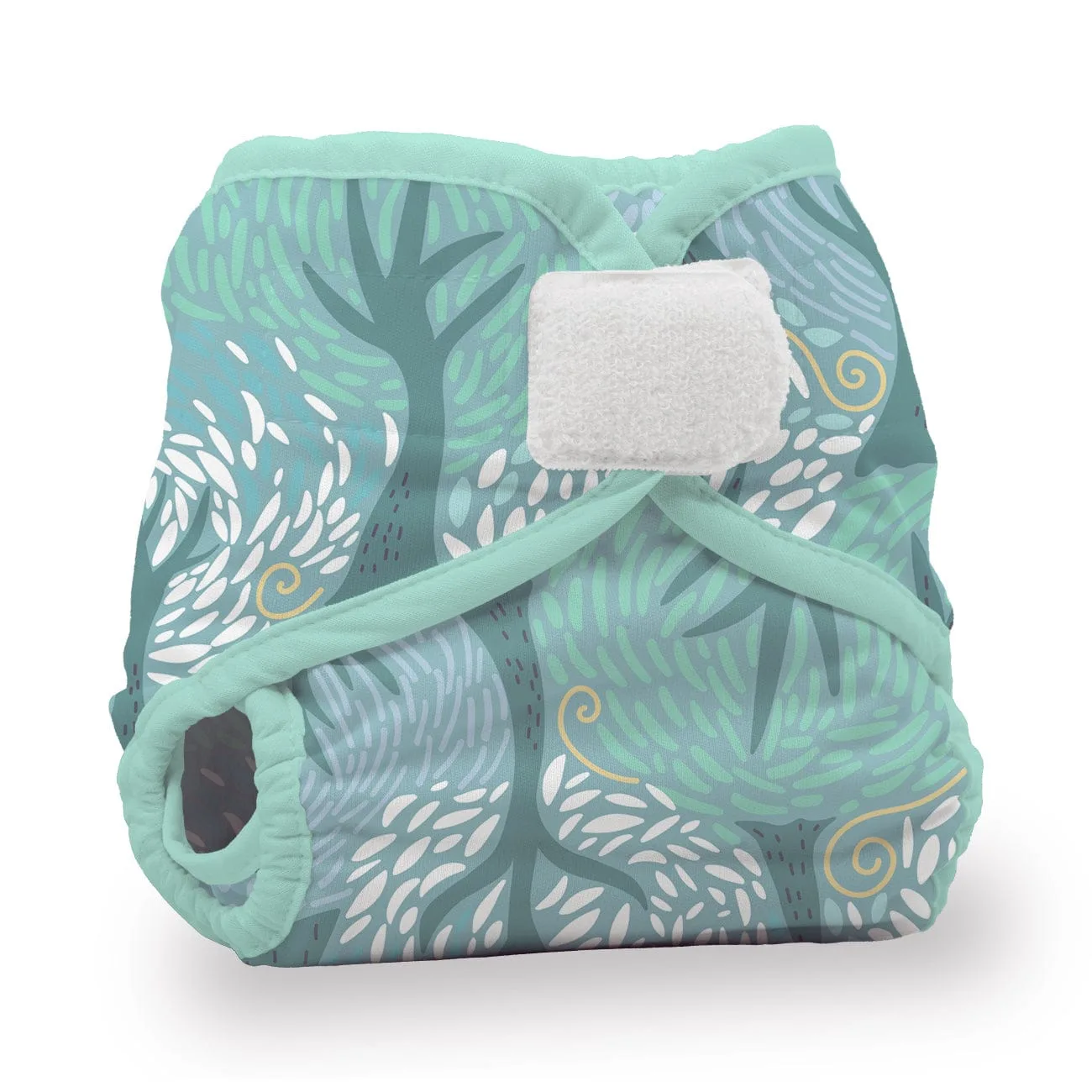
- Outlet Diaper Cover - Hook & Loop - Breezy - Sz Newborn 4-10 lbs (LAST CALL): Outlet Diaper Cover - Hook & Loop - Breezy - Sz Newborn 4-10 lbs (LAST CALL) offers affordability and a perfect fit for chunky and slender babies alike, and works with any type of flat, prefolded, contoured, or fitted diaper. A low-cost newborn cover lets you practice the laundry and drying habits above without much risk, and the hook and loop closure is the exact type this care routine protects.
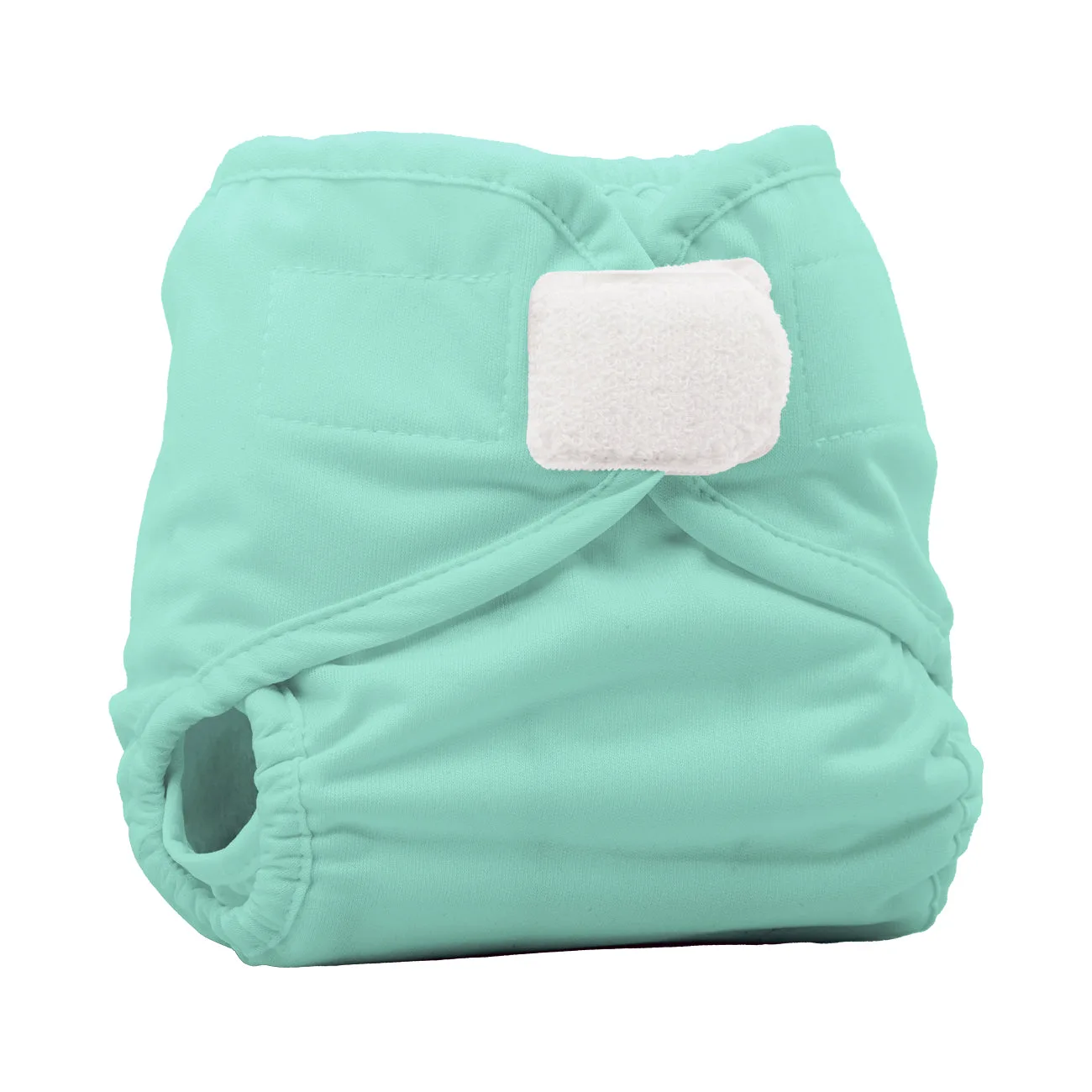
- Outlet Diaper Cover - Hook & Loop - Opal - Sz Small 12-18 lbs (LAST CALL): Outlet Diaper Cover - Hook & Loop - Opal - Sz Small 12-18 lbs (LAST CALL) offers affordability and a perfect fit for chunky and slender babies alike, and works with any type of flat, prefolded, contoured, or fitted diaper. The small size gives you a second hook and loop cover to rotate while one air dries, which is the simplest way to extend cloth diaper cover life.
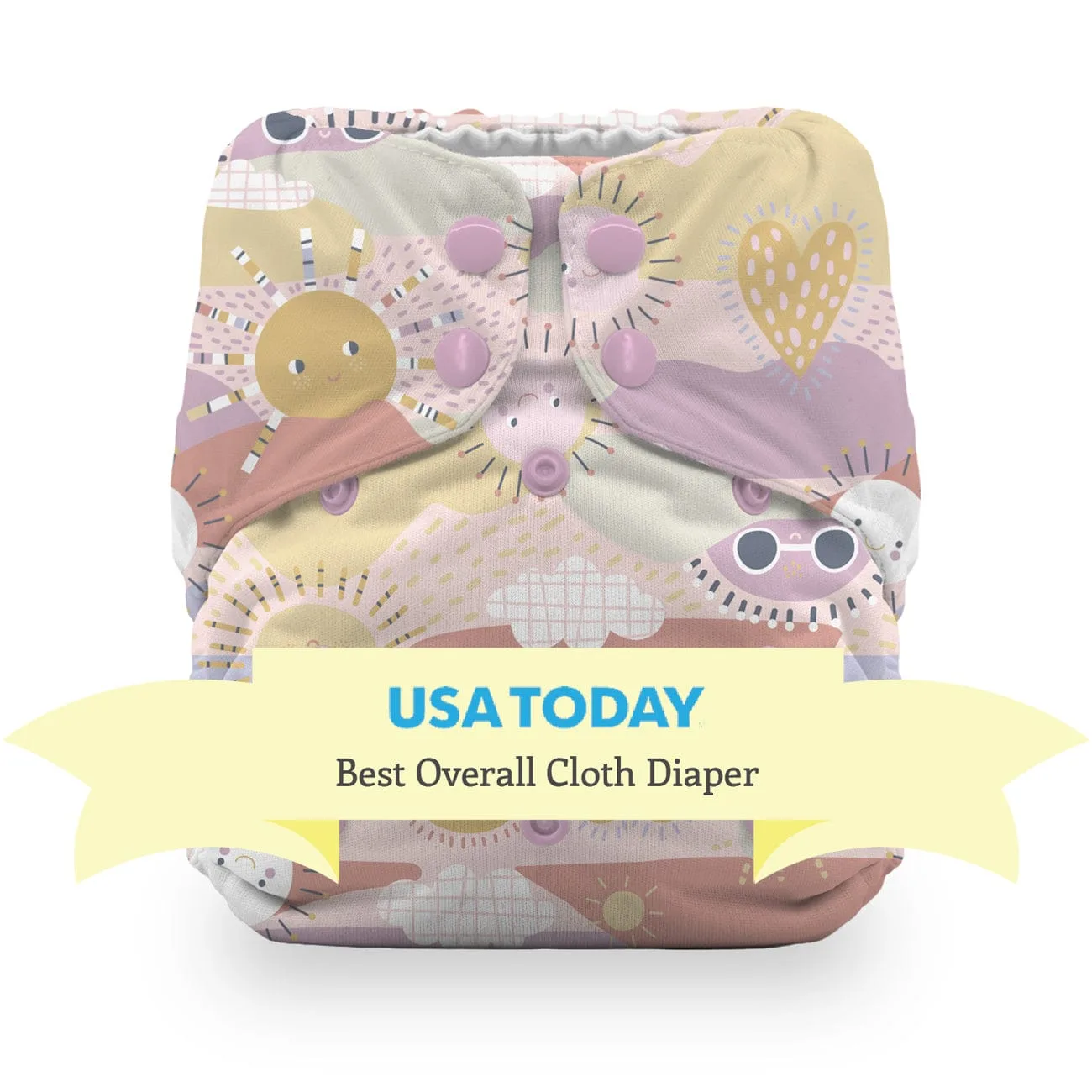
- One Size All In One: One Size All In One has multiple absorbent layers, a dry layer that keeps your baby comfortable even when the diaper gets wet, a waterproof outer layer, and an adjustable rise that grows with your little one. If you prefer a closure that never needs de-linting, this all-in-one is a snaps-style alternative that skips the hook and loop maintenance entirely.