Quick Answer
Most cloth diaper myths come from outdated products or one bad experience. Modern cloth trainers and diapers are easier to use, more adjustable, and more absorbent than many parents expect. The real challenge isn't the cloth itself—it's finding the right fit and building a simple wash routine that works for your family.
Myth: Cloth Diapering Is Complicated and Time-Consuming
The idea that cloth diapering is hard often comes from stories about folding flats and using pins. Today's options are different. Many cloth trainers, for example, are designed with features that make them as easy to pull up and down as disposables. They may include snaps and an opening to add extra absorbency if needed, which means you can adjust them as your child grows or their needs change.
The daily routine is straightforward: put the trainer on, change when wet or soiled, and wash. The time you spend washing is offset by fewer late-night diaper runs to the store. For parents who are already doing laundry, adding a small load every other day is manageable.
Myth: Cloth Diapers Leak More Than Disposables
Leaks usually happen because of fit or absorbency issues, not because cloth is inherently leaky. A well-fitting cloth trainer with enough absorbency can handle typical daytime wetness. Look for features like wide front and back elastic, which help create a secure fit and make it easy for little ones to pull them up and down themselves.
If you do experience leaks, check the fit first. A trainer that's too loose around the legs or waist will leak regardless of how much absorbency it has. Also consider whether you need to add extra absorbency—some trainers have an opening specifically for that purpose.
Myth: Cloth Diapers Are One-Size-Fits-All
Many cloth diapers and trainers are designed to fit a range of weights, but that doesn't mean they fit every child perfectly at every stage. For example, some trainers fit roughly 12-50lbs. That range covers a lot of growth, but you may need to adjust the fit as your child changes shape.
The key is to check the fit regularly. A trainer that fit well last month might need a snap adjustment or a different fold as your baby becomes more mobile. Don't assume that because it fit at 15 pounds, it will fit the same way at 30 pounds.
Myth: Cloth Diapers Are Uncomfortable for Babies
Comfort depends on the materials. Many cloth trainers are lined with soft fabrics like bamboo terry, which is gentle against sensitive skin. They also come pre-padded with layers of absorbent material, so they feel soft and dry against the skin.
Babies who are used to cloth from an early age often don't know any different. If you're transitioning from disposables, give your child a few days to adjust. The snug, pull-up style of many cloth trainers can actually feel more like underwear, which can help with potty training.
Myth vs. Fact: Quick Verdicts
- Cloth diapering is hard: Modern trainers with snaps and pull-up styles simplify changes. The wash routine is the main adjustment, not the diapering itself. Verdict: False for most families once they find the right fit.
- Cloth diapers always leak: Leaks are usually a fit or absorbency issue. Features like wide elastic and optional extra absorbency layers can solve most problems. Verdict: False with proper fit and absorbency.
- One size fits all: Weight ranges like 12-50lbs cover many stages, but you'll still need to adjust snaps or folds as your child grows. Verdict: False—expect to adjust over time.
Cloth Trainer Features That Bust the Myths
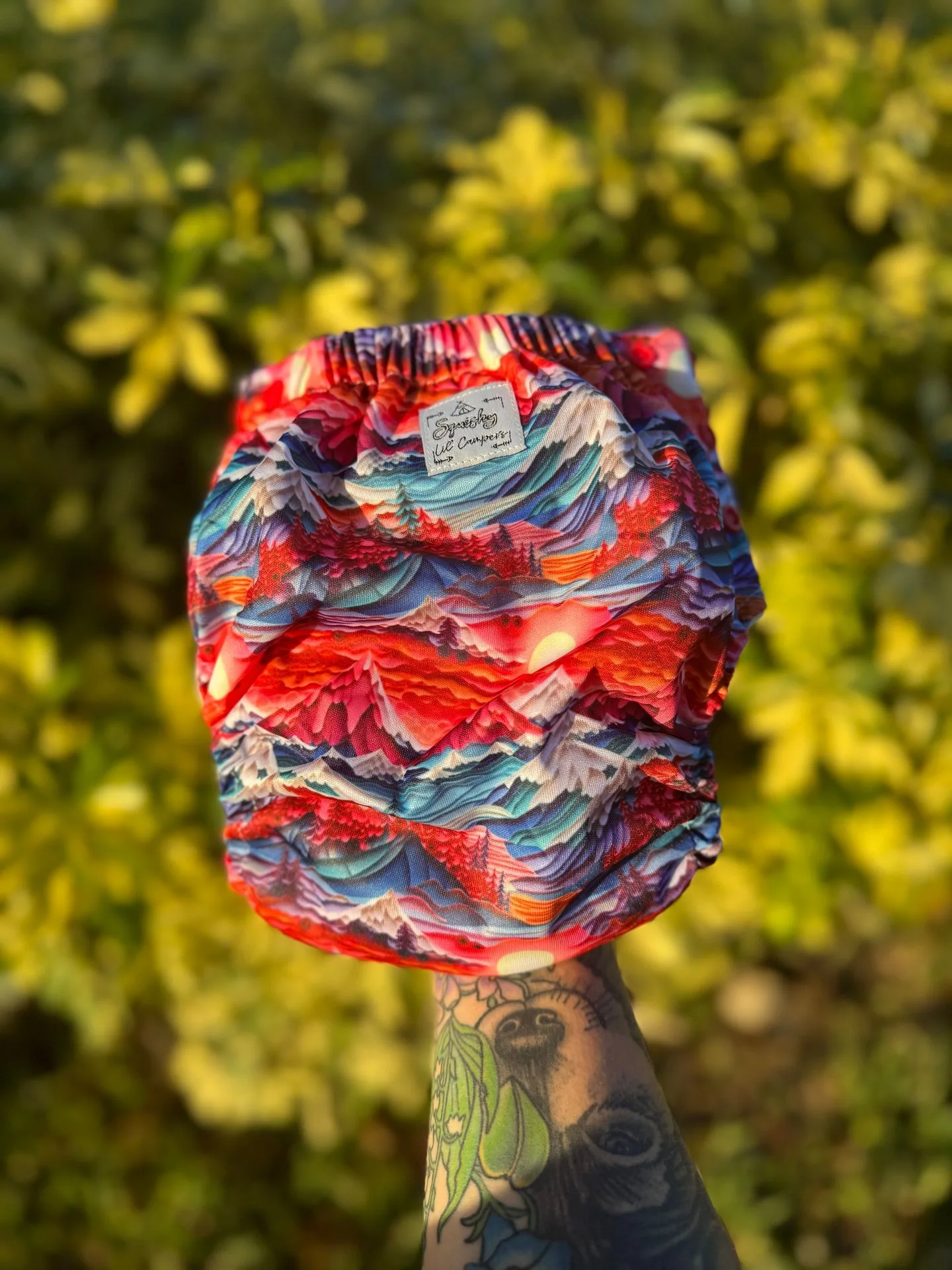
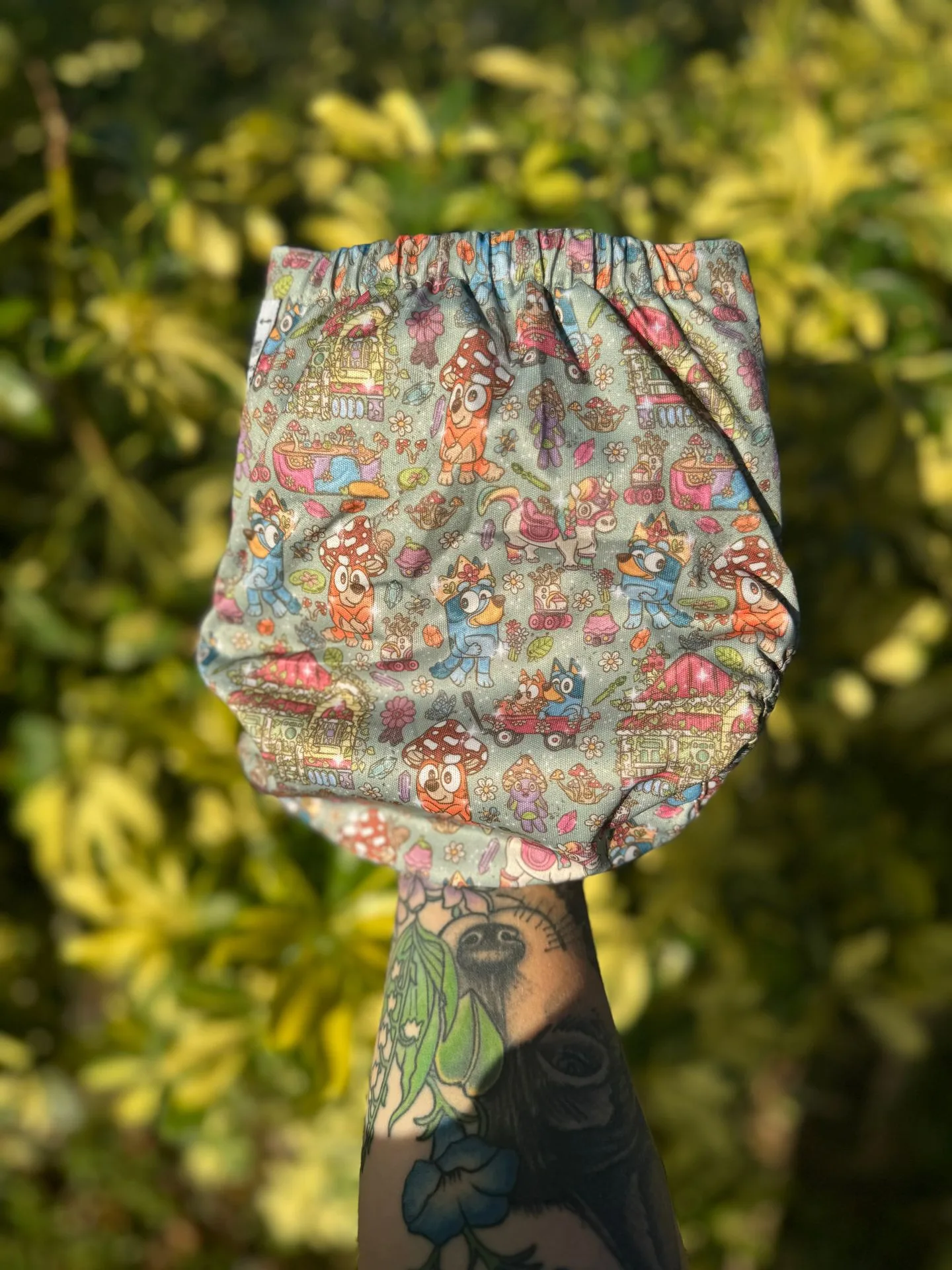
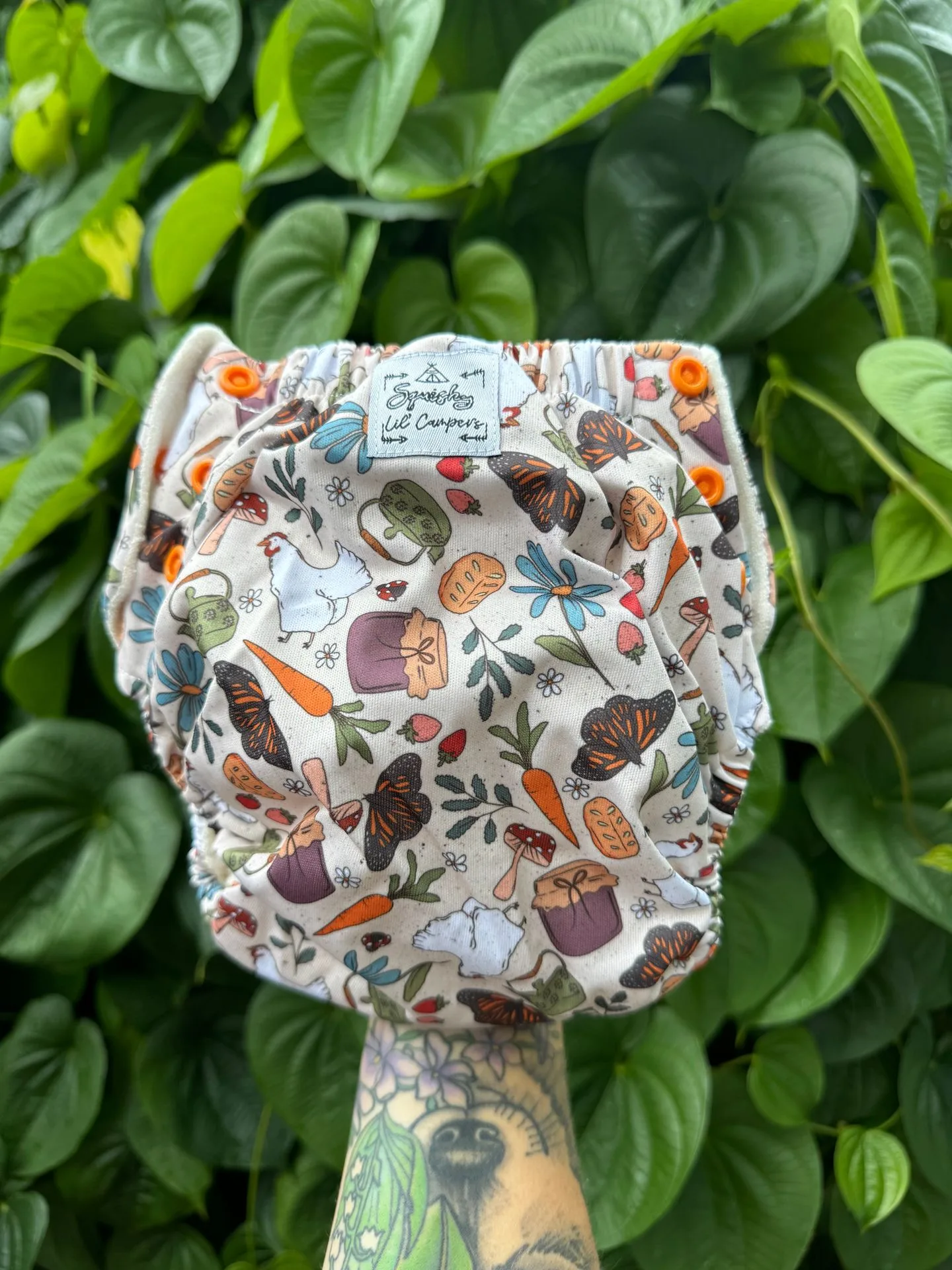
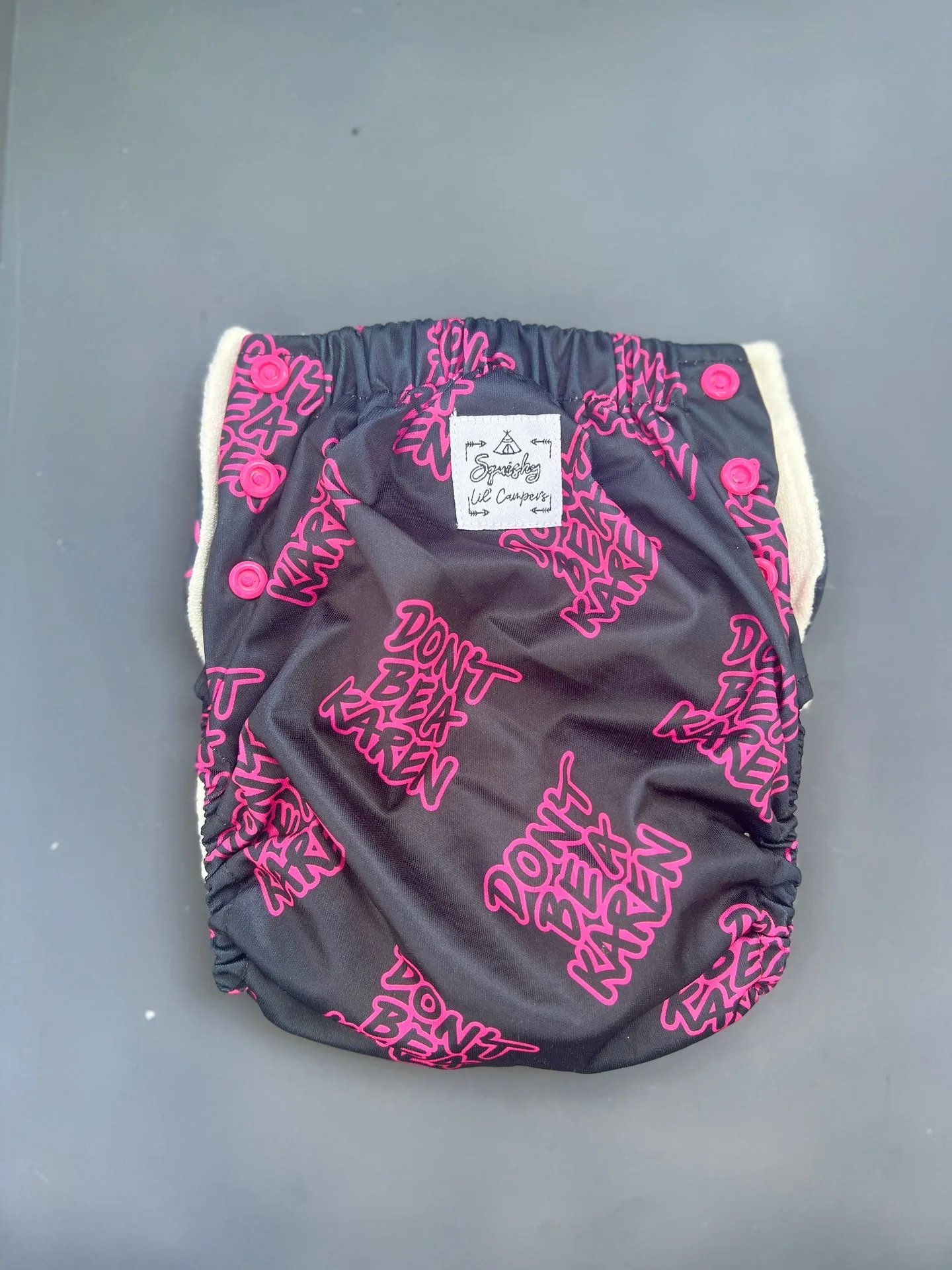
- He Can Fly-Trainer (old style): These trainers have snaps and an opening to add extra absorbency if needed. They are lined with bamboo terry and come pre-padded with 3 layers of bamboo. Adjustable absorbency means you can customize for naps or outings without switching to a different product.
- Cottage Pups-Trainer (old style): They have a wide front and back elastic making it easy for those littles to still pull up and down. These fit roughly 12-50lbs. The wide elastic helps prevent leaks and supports independence for toddlers learning to use the potty.