Quick answer
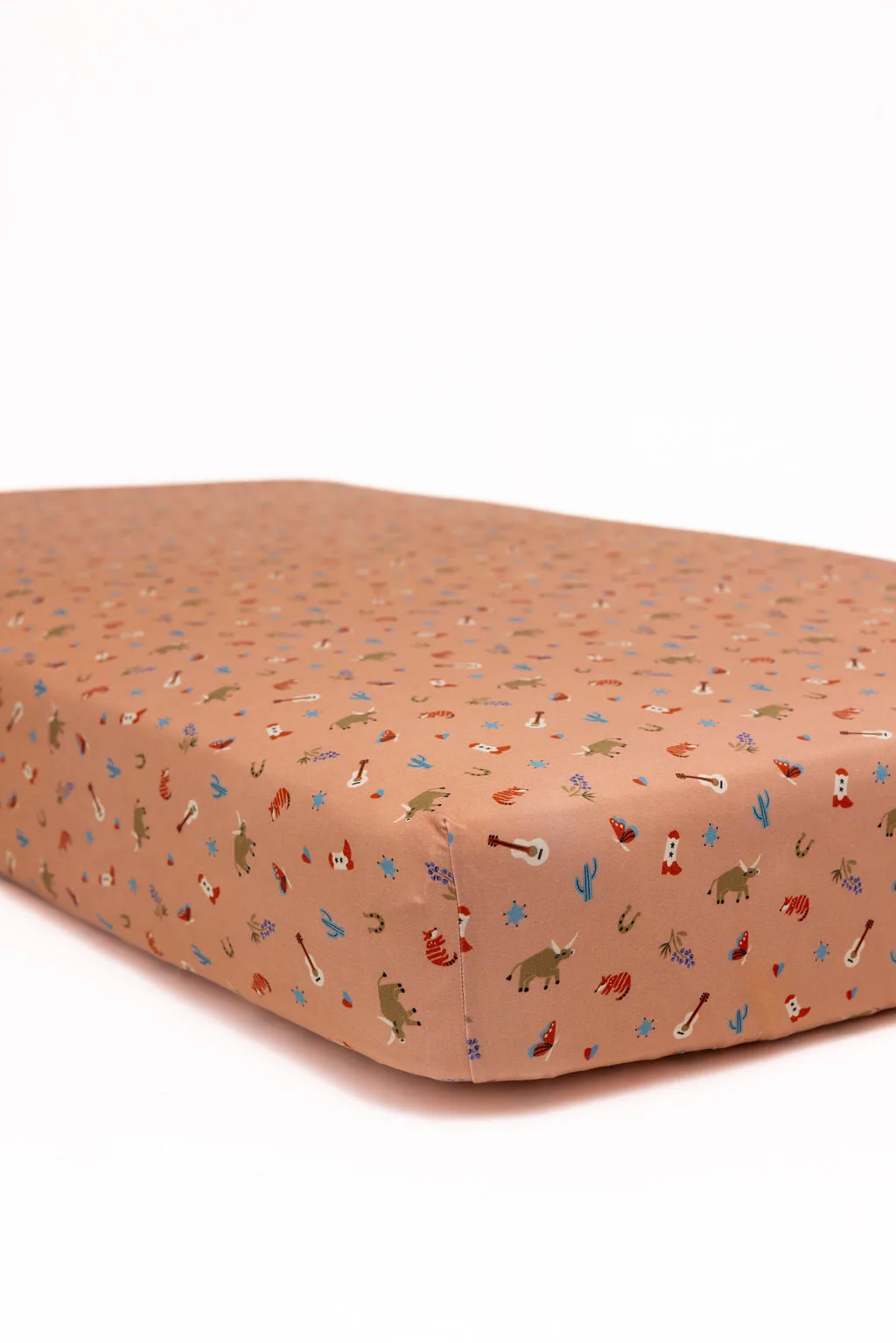
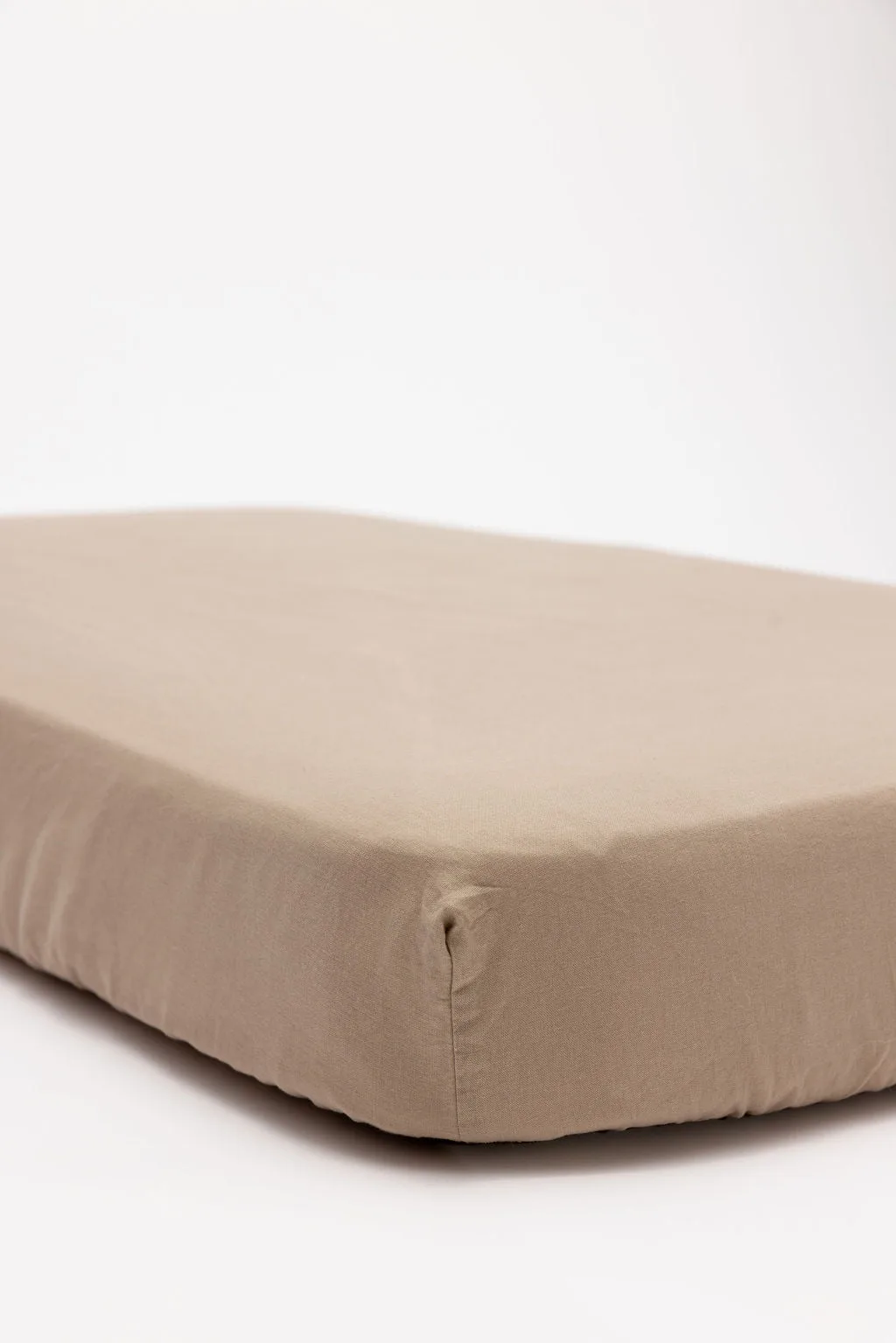
Start with one calm base sheet, add one stronger accent, and choose a third sheet that bridges both. With CloudBlend crib sheet colors, that usually means a neutral like Dove as the base, a warm pattern like Dallas as the bridge, and a saturated color like Cherry as the accent.
Why a three-sheet palette beats a single perfect color
A crib sheet is one of the largest blocks of color in a nursery, but it is also the item that gets washed and changed most often. Buying three sheets that relate to each other gives you a rotation that still looks intentional on laundry day, and it lets you shift the room's mood without repainting or replacing curtains.
The trade-off is cost and storage. Three sheets take more drawer space than one, and a bold accent sheet can look heavy if the rest of the room is already busy. If your nursery already has a strong rug or wallpaper, keep two of the three sheets quiet and let the third carry the color.
Where neutral nursery bedding fits, and where it does not
Neutral nursery bedding is the safest base because it survives hand-me-downs, future toddler bedding, and a change of mind about the accent color. A soft blue grey like Dove reads neutral without being stark white, so it pairs with wood tones and warm textiles.
Neutral is not automatically better. In a room with beige walls and light wood, an all-neutral crib can disappear. In that case, use the neutral sheet as the base and let a patterned or saturated sheet do the visible work rather than adding more beige.
Decision rules for choosing crib sheet colors
- Choose the base first: Pick the sheet you will use most often. If the walls, rug, or curtains are already patterned, make the base a quiet solid like Dove; if the room is plain, a patterned sheet like Dallas can serve as the base instead. The base should be the sheet you are happiest seeing on an ordinary Tuesday.
- Add one accent, not three: Choose a single stronger color, such as Cherry, and keep the other two sheets calmer. Two saturated sheets in the same crib rotation compete for attention and make the room feel smaller.
- Test the bridge: Lay the three sheets next to each other in the room's light. If the accent and the base look disconnected, let the patterned sheet sit between them in the rotation rather than pairing the two extremes directly. If no sheet bridges the other two, drop the accent rather than adding a fourth color.
- Buy the spare in the base color: When you add a second or third sheet for laundry rotation, repeat the base color before repeating the accent. The base is the sheet that will be in use most often and the one you will want clean on short notice.
CloudBlend crib sheet colors in the current lineup
-
Cherry - CloudBlend™ Crib Sheet: Cherry is a vibrant, rich red in the CloudBlend fitted crib sheet. Use it as the accent that gives a neutral nursery a clear focal point rather than as the everyday base.
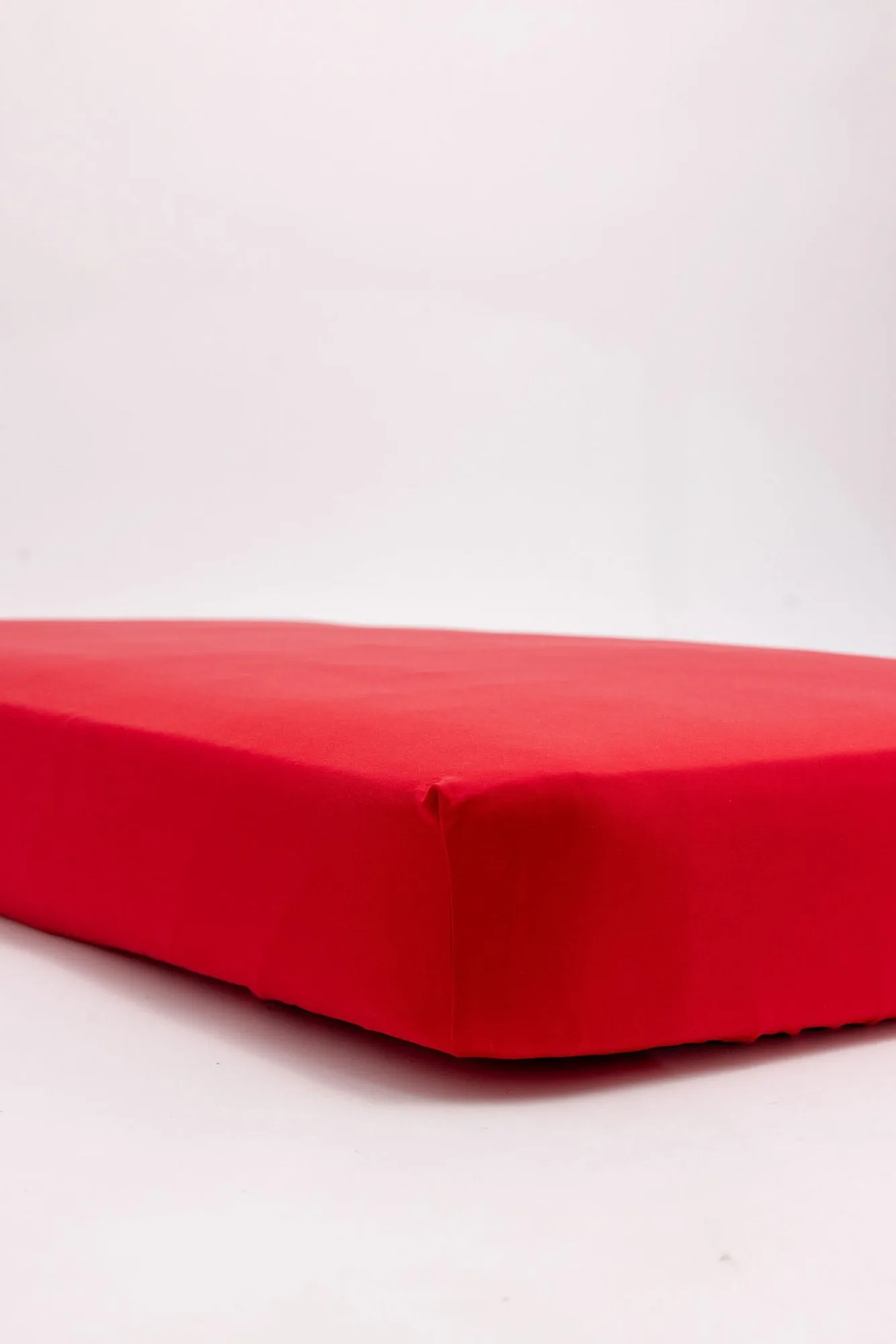
Cherry - CloudBlend™ Crib Sheet
-
Dove - CloudBlend™ Crib Sheet: Dove is a blue grey CloudBlend fitted crib sheet. It works as the calm base layer that lets warmer or brighter sheets stand out without clashing.
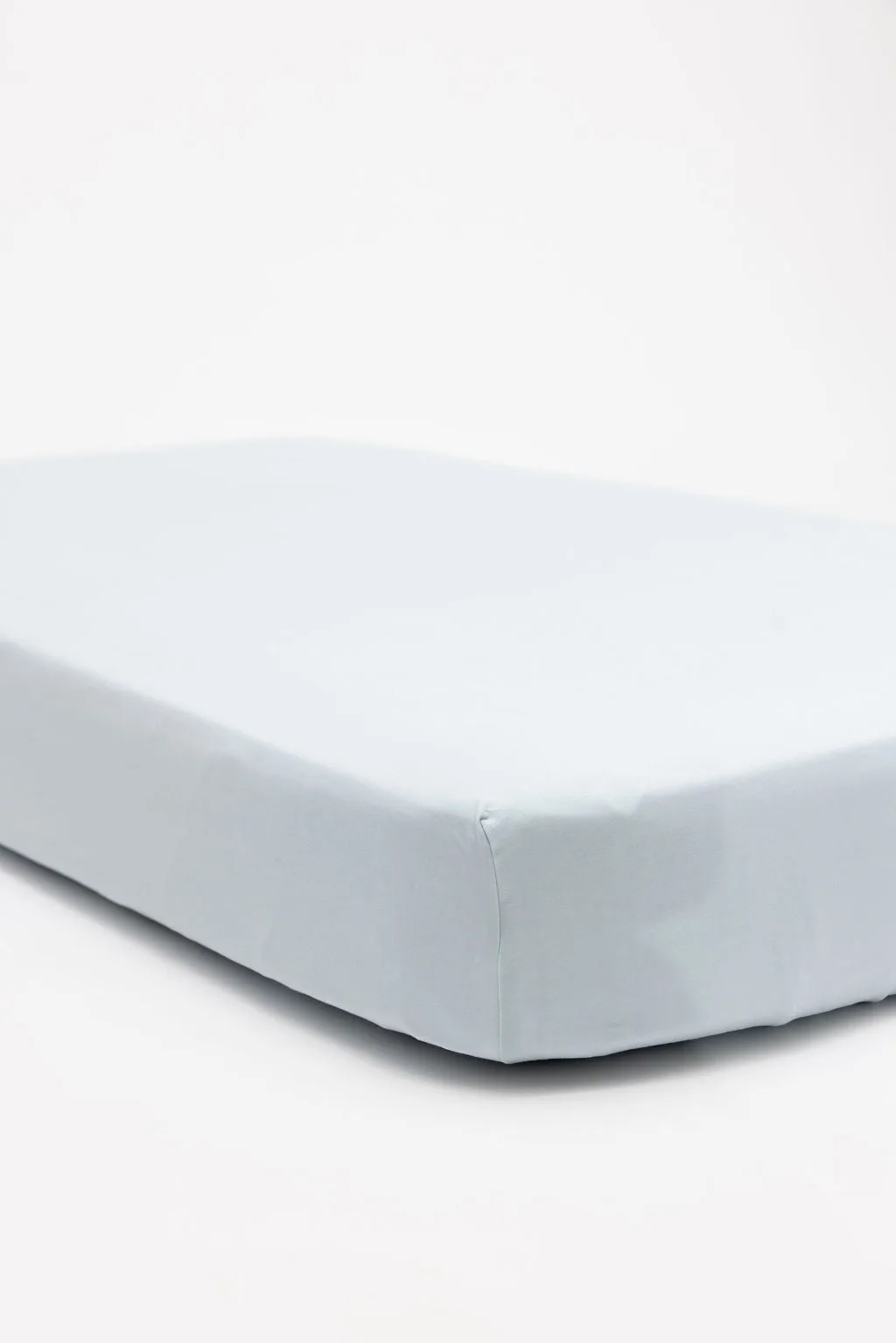
Dove - CloudBlend™ Crib Sheet
-
Dallas - CloudBlend™ Crib Sheet: Dallas pairs a warm camel base with soft, earthy pops. The earthy pattern bridges a cool neutral and a saturated red, so the three sheets can rotate without looking mismatched.
Who this palette approach suits
Best for
- Parents planning a nursery from scratch who want sheets that work together, not just individually
- Families who expect to keep the same crib bedding through a room update or a second child
Not for
- Shoppers who want a single statement sheet and do not plan a rotation
- Nurseries where the bedding is meant to be invisible against an already colorful room