Quick Answer
A CO2 leak in a Byrna launcher is usually caused by a loose or damaged CO2 cap, a worn seal, or improper cartridge seating. Start by checking the cap for cracks and tightening it securely. If the leak persists, inspect the piercing pin and replace the CO2 cap if needed.
Common Signs of a CO2 Leak
You load a fresh 12-gram CO2 cartridge into your Byrna CL-XL or TCR, pull the trigger, and get a weak puff instead of a solid shot. Or you hear a steady hiss after piercing the cartridge. These are classic signs of a gas leak. A slow leak can drain a cartridge in minutes, wasting CO2 and leaving your launcher unusable.
Other symptoms include frost forming around the grip or CO2 cap area, a sudden drop in power after the first few shots, or the sound of gas escaping without firing a projectile. If you notice any of these, stop using the launcher and diagnose the source.
Step-by-Step Diagnosis and Fixes
Start with the simplest check: the CO2 cap. On a Byrna CL-XL, the cap threads into the grip and seals the cartridge. If it's cross-threaded or loose, gas escapes immediately. Remove the cap, inspect the threads for damage, and reinstall it firmly by hand—don't overtighten. A cracked cap is a common failure point and should be replaced.
Next, examine the rubber seal inside the cap. Over time, the seal can dry out, crack, or become misaligned. A damaged seal won't hold pressure. If the seal looks worn, replacing the CO2 cap is the most reliable fix. The Byrna CL-XL uses the same cap design as the CL, so a replacement cap is a straightforward swap.
If the cap and seal look good, check the piercing pin. A bent or dull pin may not puncture the cartridge cleanly, causing a partial seal and a slow leak. Inspect the pin for damage. This repair is less common and may require professional service if you're not comfortable disassembling the grip.
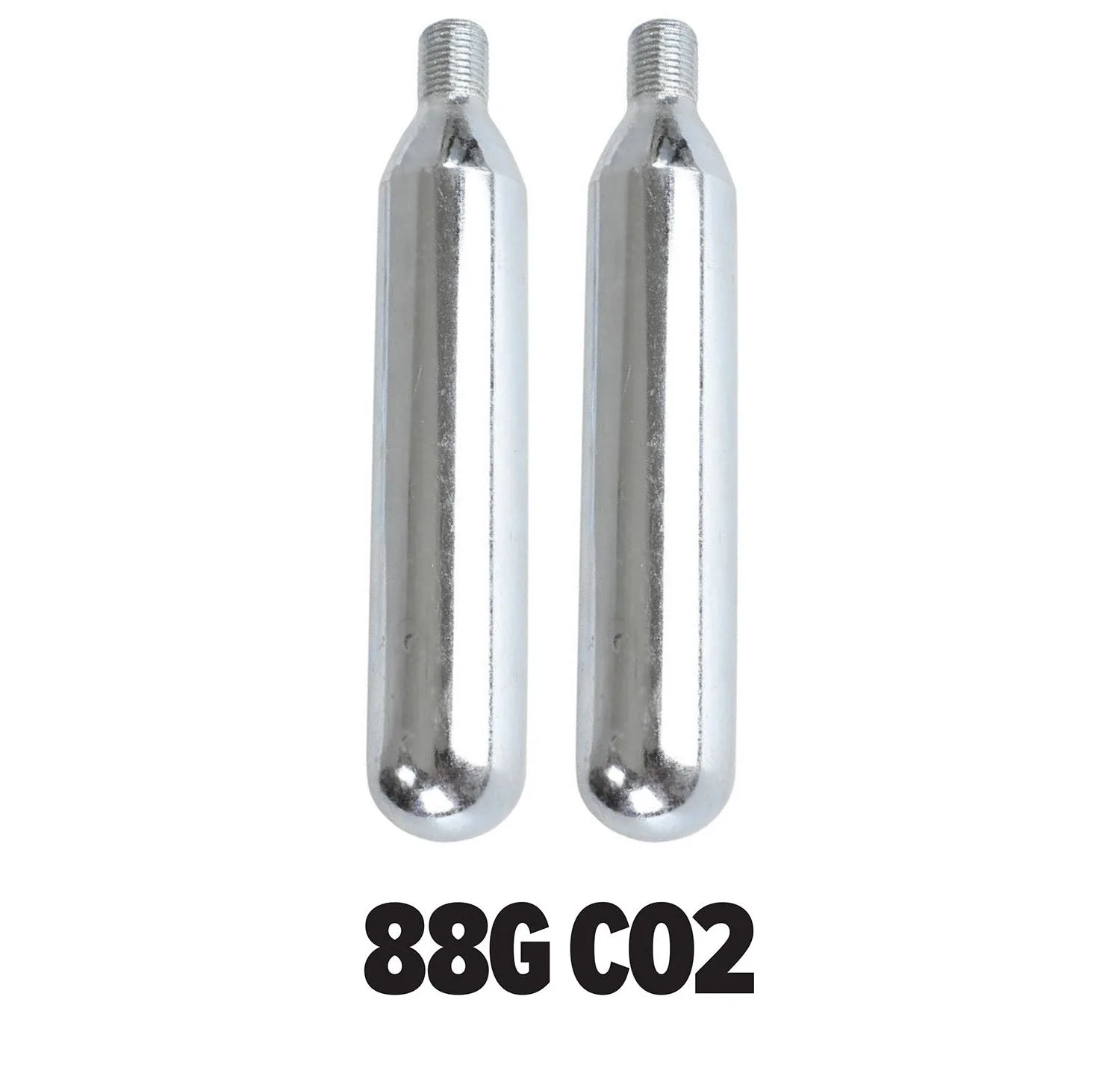
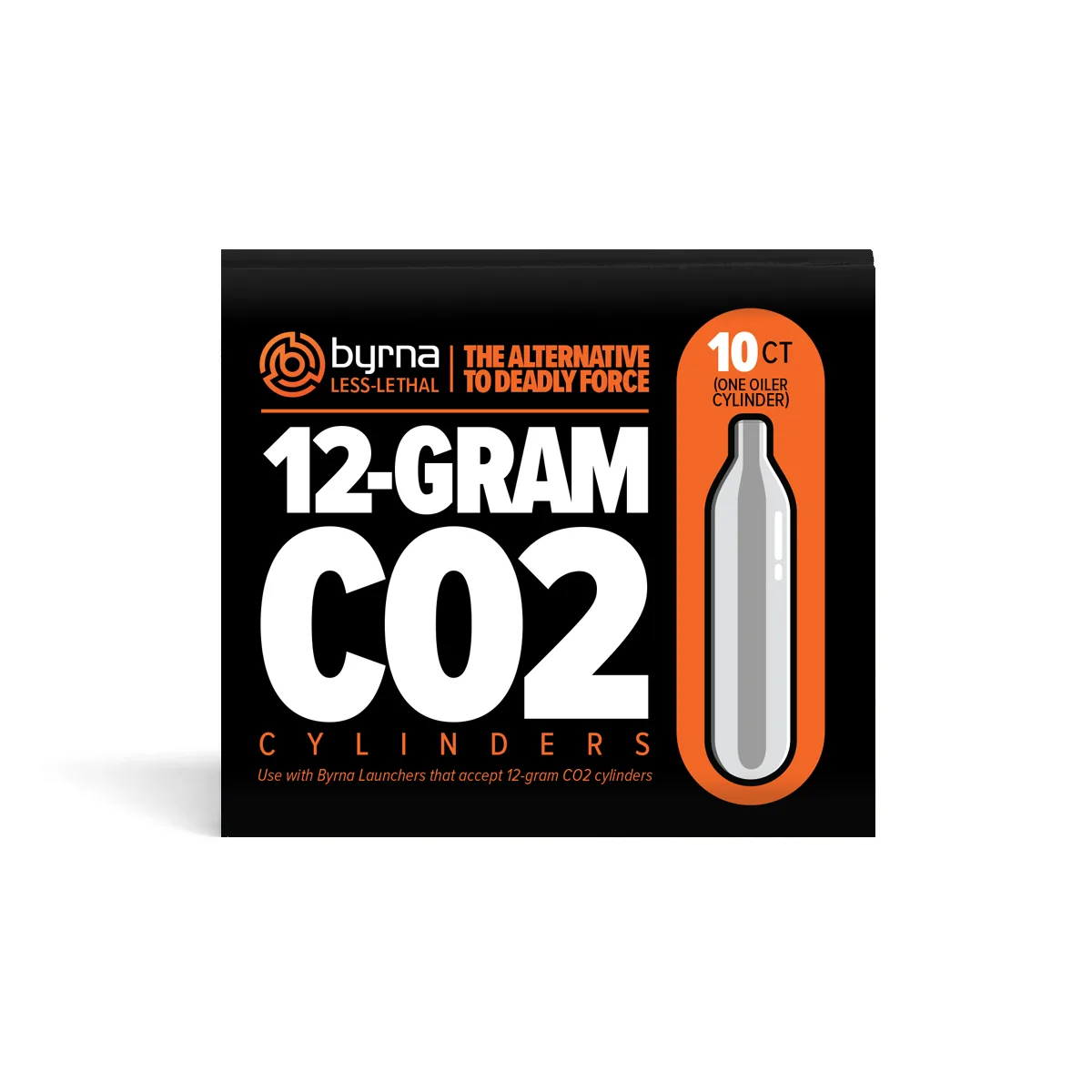
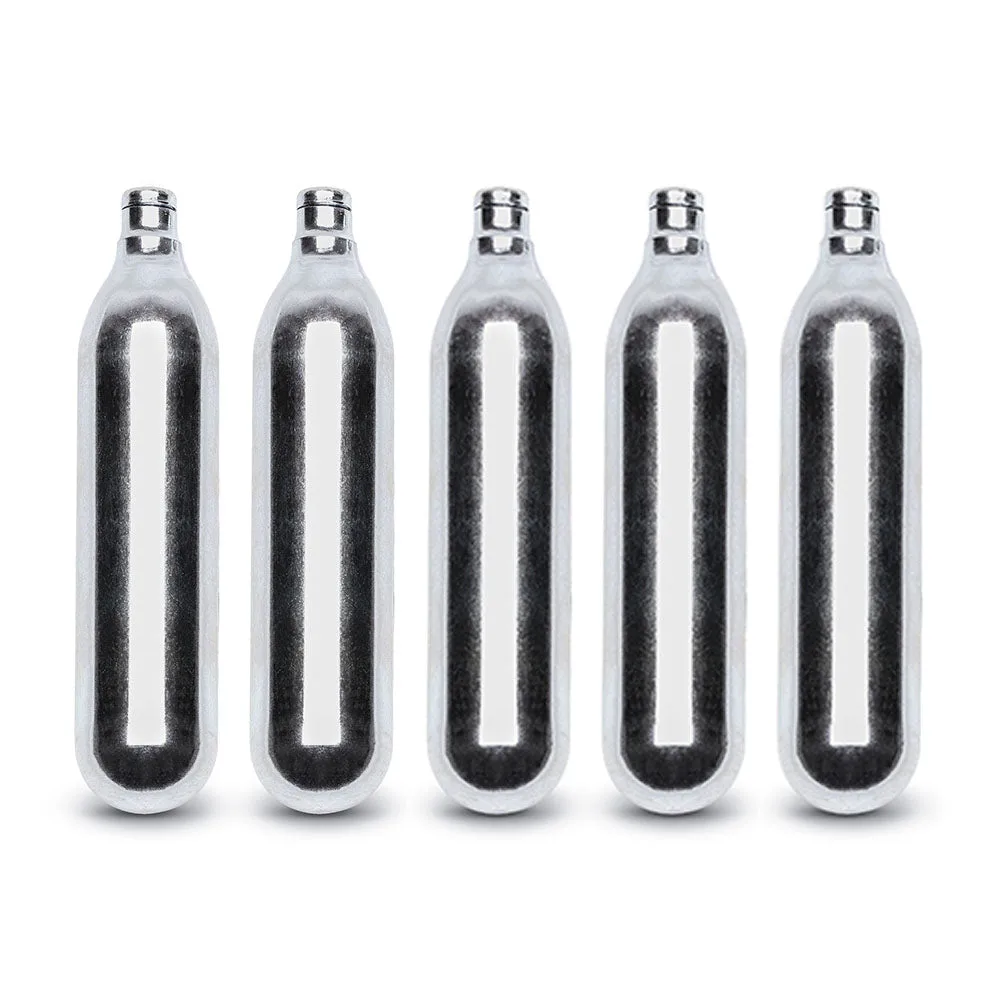
Finally, ensure you're using the correct CO2 cartridge. The CL-XL and TCR are designed for standard 12-gram threaded cartridges. Non-standard sizes or damaged cartridges can cause poor seating. Try a fresh cartridge from a different batch to rule out a bad cartridge.
When to Replace vs. Repair
Most CO2 leaks are resolved by replacing the CO2 cap—a low-cost, user-serviceable part. If the cap and seal are fine and the leak persists, the issue may be internal (piercing pin or valve). For internal problems, contact Byrna support or a qualified technician. Attempting to disassemble the valve assembly without experience can void the warranty.
A quick note on the Byrna TCR: its magazine-fed design uses the same CO2 system as the CL-XL, so the same diagnosis applies. The TCR ships without CO2 or projectiles, so ensure you're using fresh, quality cartridges.
Diagnosis Quick Reference
- Symptom: Hissing sound after piercing, weak shots, frost on grip. Likely a CO2 leak; stop using and inspect.
- Likely Cause: Loose or cracked CO2 cap, worn seal, bent piercing pin, or bad cartridge. Start with the cap—it's the most common cause.
- Corrective Action: Tighten cap, inspect seal, replace cap if damaged. Test with a fresh cartridge. Replace the CO2 cap if seal is worn or cap is cracked.
- Stop / Next Step: If leak continues after cap replacement, the issue may be internal (piercing pin or valve). Contact Byrna support or a technician. Do not disassemble the valve yourself.
Product Facts
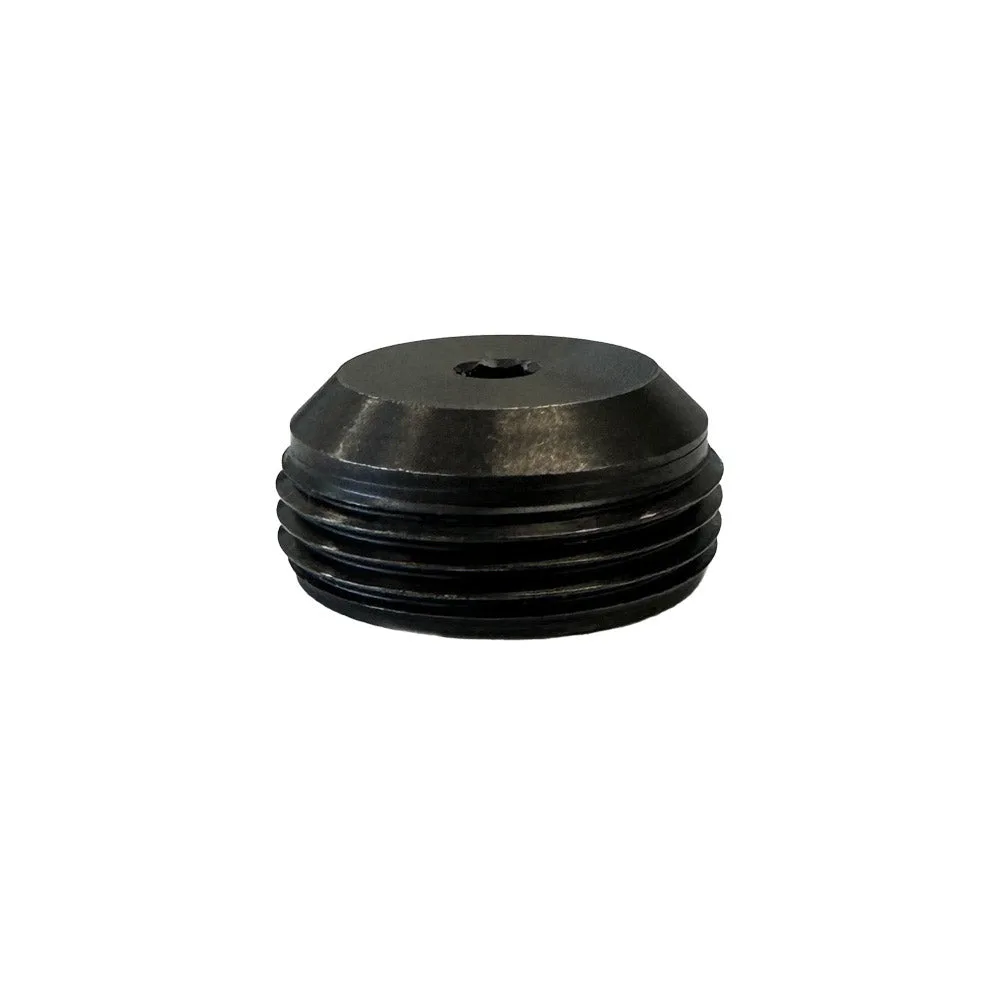
- Replacement CO2 Cap for Byrna CL: The CO2 replacement cap is a replacement cap for Byrna CL. Its secure fit prevents gas leakage, ensuring that your Byrna pistol operates safely and efficiently. If your current cap is cracked or the seal is worn, swapping in a new cap is the most direct fix for a CO2 leak. It's a low-cost part that restores a tight seal without tools.