Quick answer
You need both: the CO2 regulator reduces and stabilizes high-pressure tank output, while the solenoid valve lets you automate CO2 injection with a timer. If you want consistent gas delivery and hands-off control, pair a regulator with a solenoid valve.
Why you can't skip the regulator
The regulator is the core of any CO2 system. It takes the high pressure from your CO2 cylinder and drops it to a safe, usable level for your aquarium. Without one, you risk over-pressurizing your equipment or delivering erratic gas flow that stresses fish and plants.
A model with a dual gauge display, like the Castle Dawn Aquatics Double-Meter CO2 Regulator, lets you monitor both tank pressure and output pressure at a glance. The integrated bubble counter and fine-tune needle valve give you precise control over the bubble rate, which is essential for stable plant growth.
When the solenoid valve becomes essential
A solenoid valve is an on/off switch for your CO2 line. It uses an electromagnetic coil to open or close the gas flow. When paired with a timer, it automatically shuts off CO2 at night (when plants don't photosynthesize) and turns it back on during the day. This prevents pH swings and wasted gas.
The Castle Dawn Aquatics CO2 Solenoid Valve is a compact, corrosion-resistant unit designed for safe, energy-efficient operation. It's a practical add-on if you want to automate your system without manually turning a knob twice a day.
The trade-off between control and convenience
A regulator gives you manual control over pressure and bubble count, but it won't turn itself off. A solenoid valve adds automation, but it cannot regulate pressure on its own. The real trade-off is that a regulator alone requires you to be present to manage CO2 timing, while adding a solenoid valve means a slightly more complex setup and an extra component to maintain.
If you have a small, low-tech tank or only run CO2 occasionally, a regulator alone might suffice. For any planted tank where you want consistent growth and stable water chemistry, the combination of both components is the practical choice.
CO2 regulator vs solenoid valve: trade-offs to consider
- Regulator with dual gauge and bubble counter: Controls pressure and bubble rate; essential for safe, precise CO2 delivery. Works alone if you manually manage timing. Choose this if you want fine control over gas flow and don't mind turning CO2 on/off yourself.
- Solenoid valve inline magnetic regulator: Automates on/off cycles with a timer; reduces pH swings and saves gas. Must be paired with a regulator. Add this if you want a hands-off, consistent CO2 schedule.
- Using both together: Regulator handles pressure and metering; solenoid handles timing. Most reliable setup for planted tanks aiming for lush growth. Best for serious hobbyists who want stable CO2 without daily manual adjustments.
Product facts at a glance
-
Aquarium CO2 Regulator with Double Gauge & Bubble Counter – W21.8 Valve: Dual gauge display lets you monitor both tank pressure and output pressure at a glance, with a fine-tune needle valve for stable CO2 delivery. You can instantly see if your cylinder is running low and precisely adjust the bubble rate without guesswork.
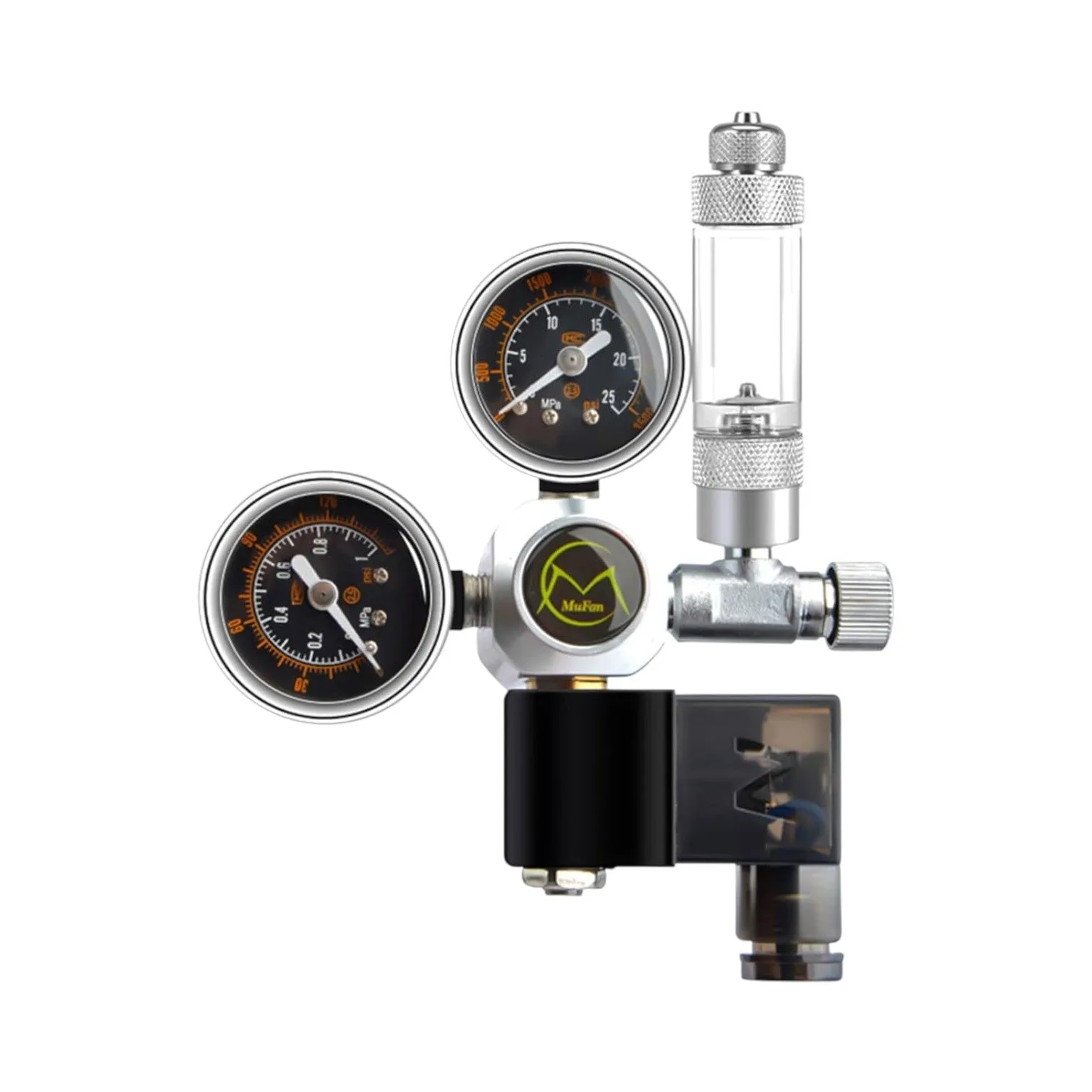
Aquarium CO2 Regulator with Double Gauge & Bubble Counter – W21.8 Valve
-
CO2 Solenoid Valve – Inline Magnetic Regulator: Compact solenoid valve designed for safe, energy-efficient control over CO2 injection, with a leak-proof aluminium alloy body. It reliably automates your CO2 schedule when paired with a timer, so you don't have to remember to turn the gas on and off.
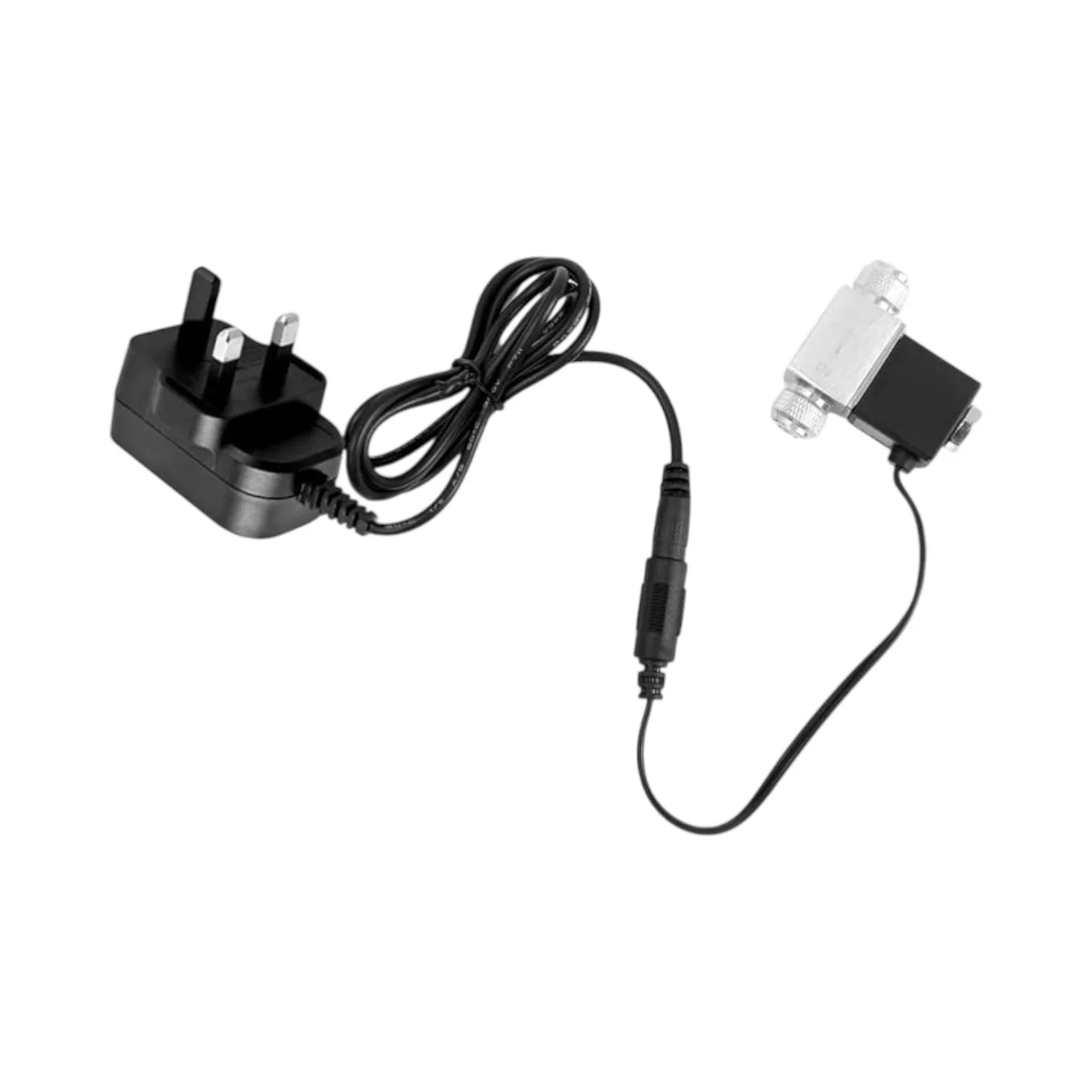
CO2 Solenoid Valve – Inline Magnetic Regulator
Which setup fits your tank?
Best for
- Hobbyists who want precise control over CO2 output and are okay with manual timing
- Planted tank owners who want automated, worry-free CO2 injection with stable pH
Not for
- Low-tech tanks that don't use pressurized CO2 at all
- Anyone looking for a single device that both regulates and automates (you need two components)