Quick answer
Choose a coat when you need full-length coverage for cold, wind or rain, and choose a jacket when you need a shorter, more flexible layer you can move in. If you want one piece that covers the widest range of temperatures, a hooded wool vest is the most versatile starting point because it adds warmth to the torso without adding sleeve bulk.
The real difference between a coat and a jacket
The words are often used interchangeably, but the practical difference comes down to length and coverage. A coat generally reaches from the shoulders to the knee or below, which protects the thighs and traps more warm air. A jacket stops at the hip or waist, so it is easier to move in, easier to layer over a bag or backpack, and less likely to feel heavy indoors.
That length difference changes how each piece behaves in daily life. A long coat blocks wind and rain across more of your body, but it can feel like overkill on a mild day or when you are in and out of shops and trains. A shorter jacket is quicker to put on and take off, but it leaves your legs and lower back exposed unless you add another layer.
How to judge warmth before you buy
Warmth is not only about thickness. Fabric, lining and construction matter just as much. A brushed wool layer holds heat close to the body and feels soft against the skin, while a thin cotton or synthetic shell mainly blocks wind. If two pieces look similar in weight, check what they are made of and whether the seams and edges are finished in a way that keeps cold air out.
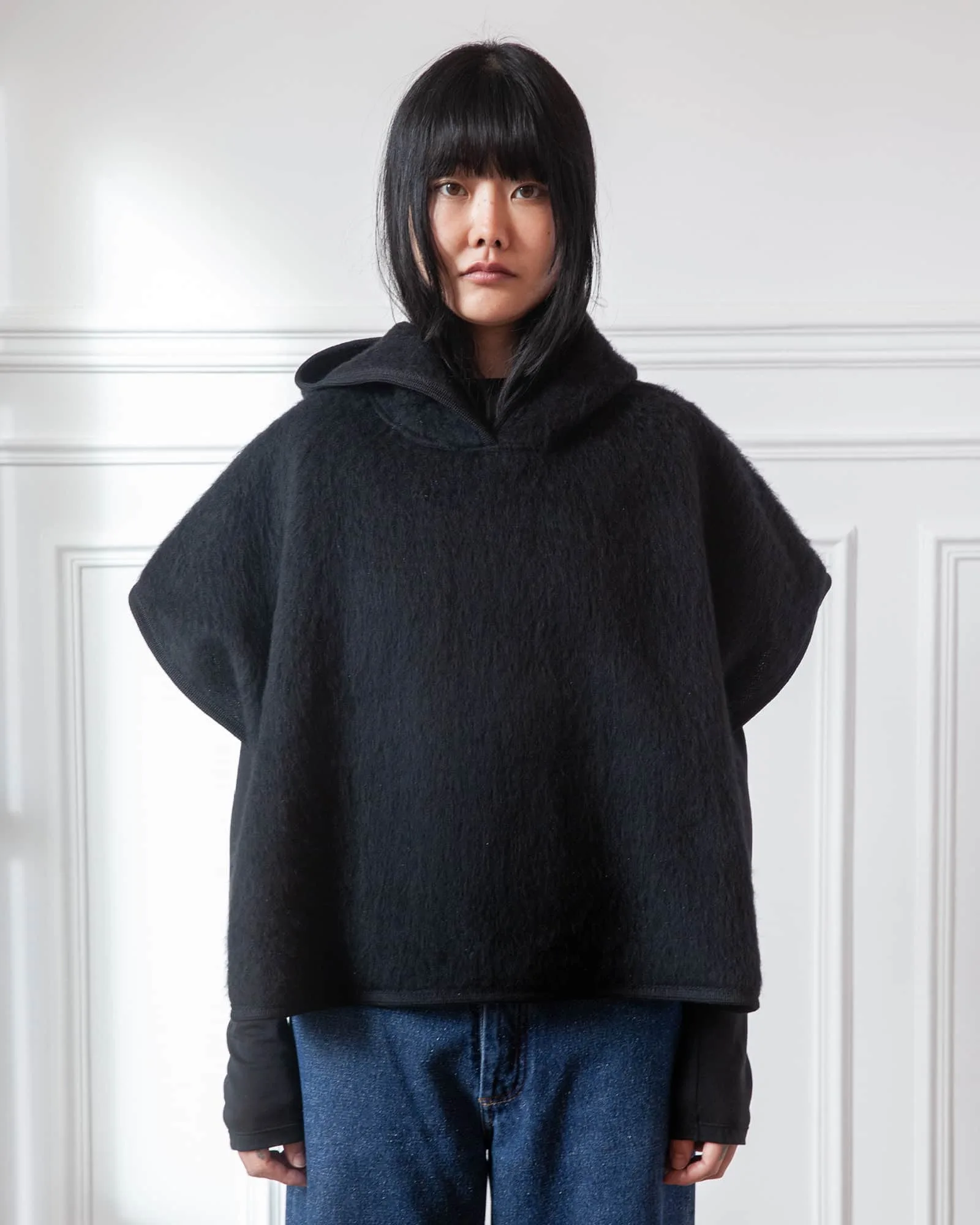
For in-between weather, a mid-layer does more work than a heavier outer layer. A hooded vest in brushed wool, for example, keeps your core warm while your arms stay free, so you can wear it under a coat on cold days or on its own when the temperature is mild. That flexibility is why layering pieces often get worn more often than a single heavy coat.
When to wear a coat vs. a jacket
Reach for a coat when the temperature is consistently low, when you will be outside for long stretches, or when wind and rain are part of the forecast. A knee-length coat also works well over dresses, skirts and wider trousers because it does not cut your silhouette at the hip.
Reach for a jacket when you are moving between indoors and outdoors, when you need your arms free for cycling or carrying, or when the day starts cold and warms up by afternoon. A jacket also layers more easily under a backpack strap or over a thick knit without feeling restrictive.
Fit checks that decide which one you keep
A coat should close comfortably over your thickest sweater without pulling across the back or shoulders. Check that you can raise your arms and drive or reach overhead without the hem riding up. If the coat is too tight in the shoulders, sizing up usually helps more than hoping the fabric relaxes.
A jacket should sit close enough to keep warmth in but leave room for a base layer and a mid-layer. Pay attention to the sleeve length and the hem: a jacket that ends at the widest part of your hip can look bulky, while one that ends just above or below that point tends to sit better. If a jacket runs small, size up rather than relying on stretch.
Trade-offs at a glance
- Coverage vs. freedom of movement: A knee-length coat protects more of your body from cold and rain, but it is heavier and less flexible for cycling, driving or carrying a bag. A hip-length jacket moves with you but leaves your legs and lower back exposed. If you spend more time outside than in, the coat wins. If you are in and out all day, the jacket wins.
- Warmth vs. packability: A brushed wool layer like the Fortu Hooded Vest holds heat well and can be worn alone or under a coat, but it still takes up space in a bag. A thin cotton rib long sleeve packs down small but adds only light warmth. For a single do-everything layer, choose wool. For travel or a just-in-case layer, choose the thinner knit.
- One heavy piece vs. several lighter layers: Buying one heavy coat solves cold weather but leaves you overdressed in mild conditions. Building from a base layer, a mid-layer and a shell lets you adjust, but it costs more upfront and takes more closet space. If your winters are long and cold, invest in the coat. If your climate swings, invest in layers.
Pieces that show the trade-off in practice
- Fortu Hooded Vest: Fortu Hooded Vest is made from 100% wool with a brushed finish, a hood and bound edges, and is made in France. The brushed wool adds torso warmth without sleeve bulk, so it works as a mid-layer under a coat or as a standalone piece in mild weather. The bound edges keep the shape clean when you wear it open.
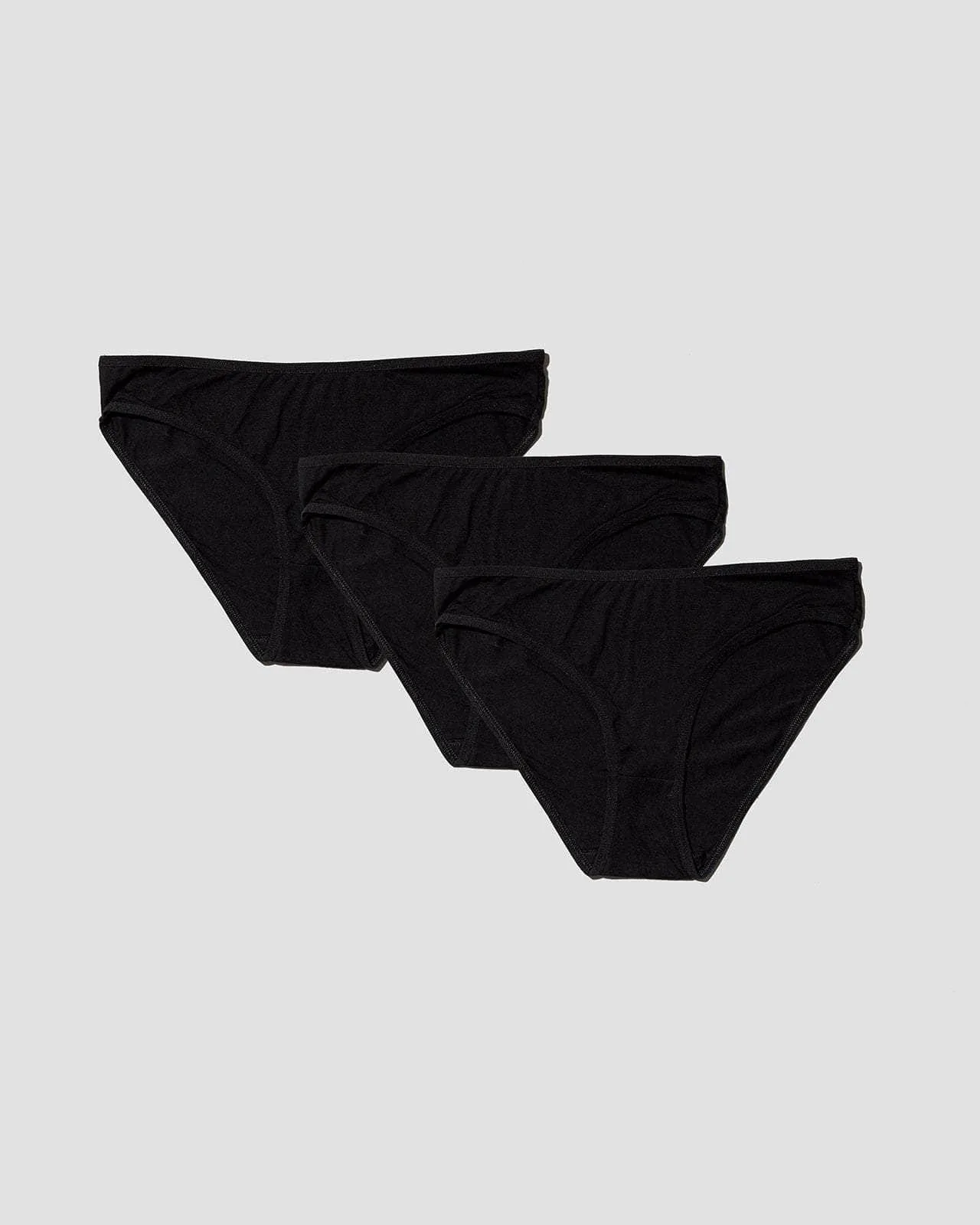
- Pack - 3 Bell Pants (Black / black): Pack - 3 https://baserangepin.com/products/bell-pants-lyocell-in-aural-23ee7249e35f913f5a2d2441-1102459https://baserangepin.com/products/bell-pants-exaw26-in-black-62462560cb838d75d1861d81-1102468Bell Pants are 93% bamboo lyocell and 7% elastane, with elastic trim at the waist and leg, made in Portugal, and sold as a three-pack with a 15% unit price saving. A smooth, close-fitting base layer reduces bulk under a coat or jacket, which matters when you are layering for cold weather. The pack format lowers the cost per pair if you are rebuilding your base layers at the same time.
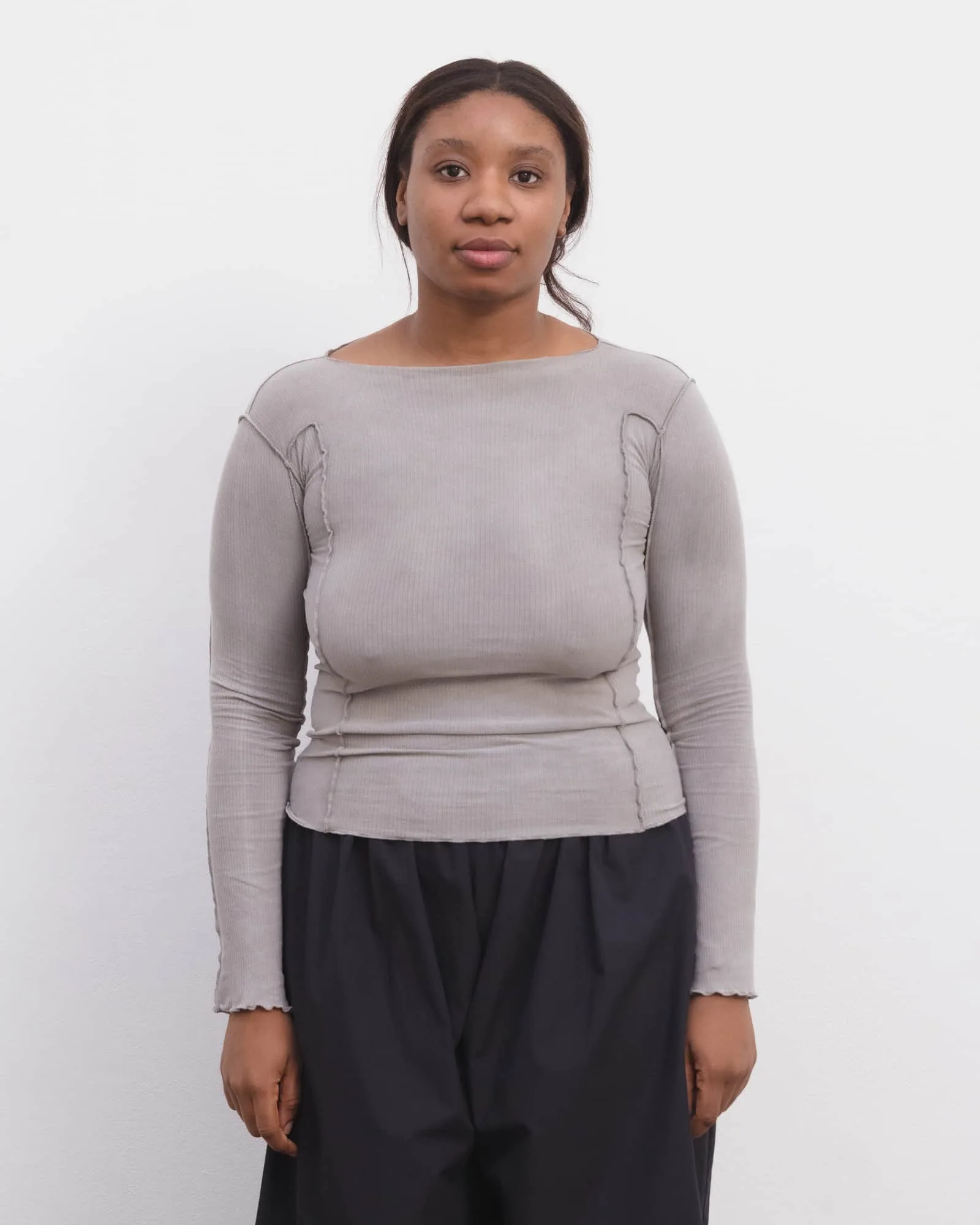
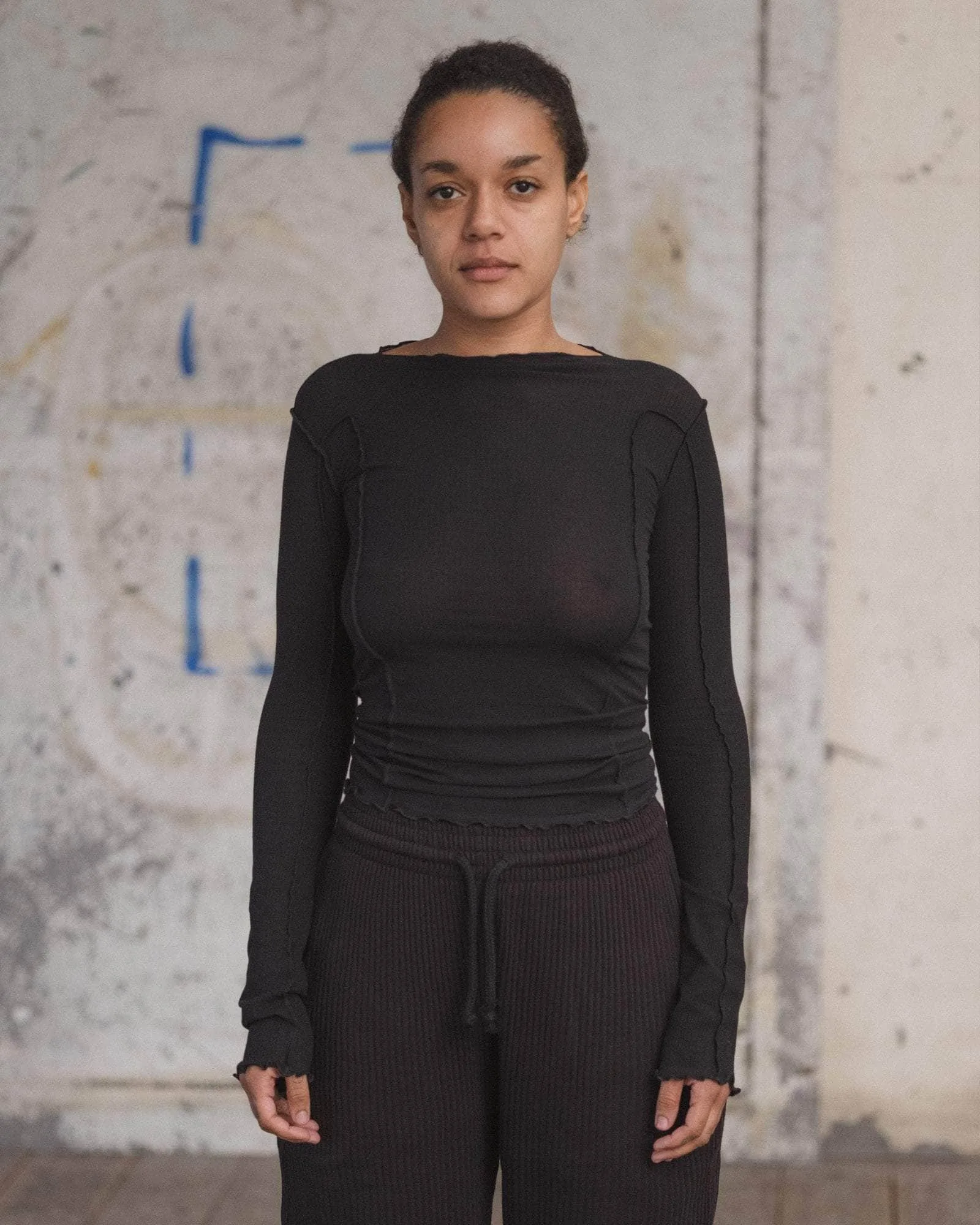
- Omato Long Sleeve Tee: Omato Long Sleeve Tee is a fine cotton rib with a boatneck, exposed seams and a lettuce edge, made in Portugal, and it runs small, so sizing up is advised. A ribbed long sleeve adds warmth without much thickness, making it a useful first layer under a jacket. Because it runs small, sizing up keeps the shoulders comfortable when you wear it under another layer.
Which should you choose?
Choose a coat if you
- Face consistently cold, windy or wet weather and spend long stretches outside
- Want one piece that covers your legs and works over dresses, skirts and wide trousers
- Prefer a polished, full-length silhouette for commuting or formal occasions
Choose a jacket or vest instead if you
- Move between indoors and outdoors all day and want to avoid overheating
- Need your arms free for cycling, driving or carrying, and prefer a shorter hem
- Live in a mild or highly variable climate where layering gives you more control