Coconut oil has earned a reputation as a versatile health staple, praised for its unique fatty acid profile and wide range of applications. From cooking to skincare, this tropical oil has been used for centuries, and modern research continues to uncover its potential benefits. Whether you're looking to boost your energy, support heart health, or simply improve your daily wellness routine, understanding how to use coconut oil effectively can make a significant difference.
Coconut oil
In this guide, we'll explore the various benefits of coconut oil, its many uses, and how to incorporate it into your lifestyle. We'll also discuss coconut oil supplements, including MCT oil, and provide practical tips on dosage and selection. By the end, you'll have a clear understanding of how to make the most of this natural powerhouse.
What Is Coconut Oil and Why Is It Good for You?
Coconut oil is extracted from the meat of mature coconuts and is rich in medium-chain triglycerides (MCTs), a type of fat that is metabolized differently than long-chain fatty acids. MCTs are quickly absorbed and converted into energy, making coconut oil a popular choice for those seeking a natural energy boost. Additionally, coconut oil contains lauric acid, which has antimicrobial and anti-inflammatory properties.
The health benefits of coconut oil are numerous. It may support heart health by improving cholesterol levels, aid in weight management by promoting satiety, and even benefit brain function due to the ketogenic effects of MCTs. While more research is needed, many people incorporate coconut oil into their diets for its potential to enhance overall well-being.
- Rich in MCTs for quick energy
- Contains lauric acid with antimicrobial properties
- May support heart health and weight management
Top Uses of Coconut Oil for Health and Beauty
Coconut oil is incredibly versatile, with uses that extend beyond the kitchen. In the kitchen, it's a stable cooking oil suitable for sautéing and baking, and it can be used as a dairy-free substitute for butter. Its mild flavor makes it a great addition to smoothies, coffee, and salad dressings.
For skin and hair, coconut oil acts as a natural moisturizer, helping to soothe dry skin and condition hair. It can be used as a makeup remover, a lip balm, or even as a gentle massage oil. Its antibacterial properties make it a popular ingredient in homemade skincare products, and it's often used to support scalp health and reduce dandruff.
- Cooking and baking: use as a healthy oil for high-heat cooking
- Skin care: apply as a moisturizer or makeup remover
- Hair care: use as a deep conditioning treatment
Coconut Oil Supplements: Capsules, Softgels, and MCT Oil
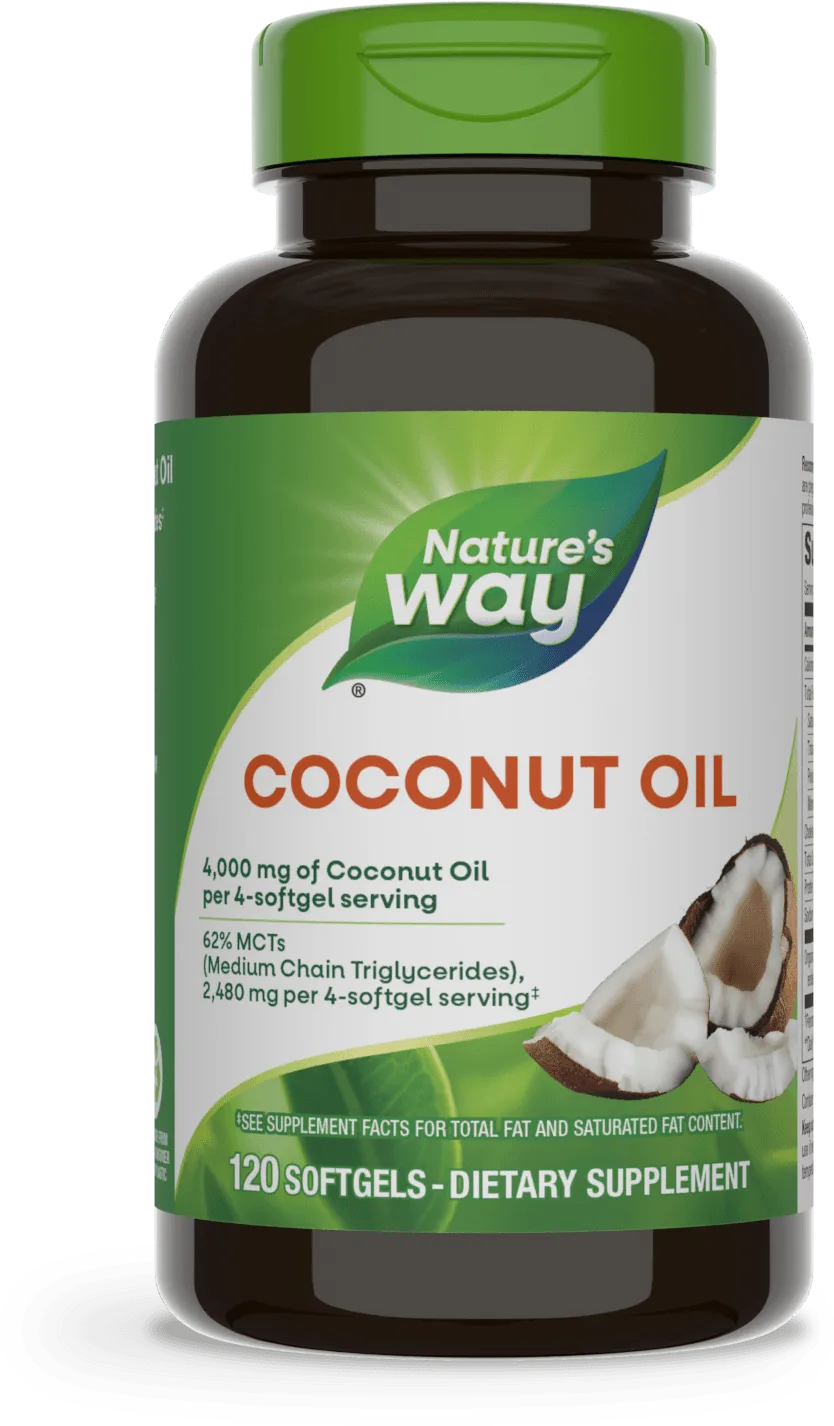
While coconut oil can be consumed directly, supplements offer a convenient way to incorporate its benefits, especially for those who don't enjoy the taste or texture. Coconut oil supplements typically come in capsule or softgel form, providing a measured dose of the oil. MCT oil supplements are also popular, offering a concentrated source of medium-chain triglycerides that can be easily added to beverages.
When choosing a coconut oil supplement, consider factors such as purity, extraction method, and whether it's organic. Look for products that are free from additives and fillers. MCT oil is often derived from coconut oil and is available in liquid form, making it easy to mix into coffee, smoothies, or salad dressings. Both options can be beneficial, but your choice may depend on your specific health goals and preferences.
- Capsules and softgels: convenient and tasteless
- MCT oil: versatile and easy to incorporate into drinks
- Look for organic, cold-pressed options for maximum quality
How to Incorporate Coconut Oil into Your Daily Routine
Incorporating coconut oil into your daily routine is simple. You can start by using it as your primary cooking oil for sautéing vegetables or frying eggs. Adding a teaspoon to your morning coffee or smoothie is a popular way to get a quick energy boost. For skincare, apply a small amount to damp skin after a shower to lock in moisture.
If you prefer supplements, take them with meals to enhance absorption. For MCT oil, start with a small dose, such as one teaspoon, and gradually increase to avoid digestive discomfort. Always follow the recommended dosage on the product label, and consult with a healthcare professional if you have any underlying health conditions.
- Start with 1-2 tablespoons of coconut oil per day in your diet
- For MCT oil, begin with 1 teaspoon and increase slowly
- Use topically as needed for skin and hair
Potential Side Effects and Precautions
While coconut oil is generally safe for most people, it is high in saturated fat, so moderation is key. Consuming excessive amounts may lead to digestive issues, such as diarrhea or stomach cramps. Some people may also experience allergic reactions, though this is rare. If you have a history of heart disease or high cholesterol, consult your doctor before adding coconut oil to your diet.
When using coconut oil topically, do a patch test first to ensure you don't have a sensitivity. For supplements, always adhere to the recommended dosage and avoid combining with other supplements without professional guidance. Pregnant or nursing women should also seek medical advice before use.
- Moderation is important due to high saturated fat content
- Start with small amounts to avoid digestive upset
- Consult a healthcare provider if you have health concerns
Coconut oil is a versatile and beneficial addition to any wellness routine, offering support for energy, heart health, skin, and hair. Whether you choose to use it in cooking, as a topical treatment, or in supplement form, there are many ways to enjoy its advantages. As with any supplement, it's important to choose high-quality products and use them responsibly. For those interested in exploring high-quality supplements, consider checking out our selection of natural health products to support your journey.