Cod liver oil has been a staple in traditional medicine for centuries, valued for its rich nutrient profile and health benefits. From its origins in Northern European fishing communities to its modern incarnation as a dietary supplement, cod liver oil has stood the test of time. In this article, we explore the historical use of cod liver oil and what current research and recommendations say about incorporating it into your wellness routine.
Today, cod liver oil is recognized for its high content of omega-3 fatty acids, vitamin A, and vitamin D. These nutrients play crucial roles in heart health, immune function, and bone health. As we delve into the past and present of this remarkable oil, we'll also look at how to choose a quality supplement and integrate it into your daily regimen.
The Historical Roots of Cod Liver Oil
The use of cod liver oil dates back to the Viking era, where it was consumed to promote overall health and vitality. In the 18th and 19th centuries, it became a popular remedy for rickets, a condition caused by vitamin D deficiency. Physicians in Europe and North America prescribed cod liver oil to children and adults alike to prevent and treat this debilitating bone disease.
By the early 20th century, cod liver oil was a household name, often given daily to children as a preventive measure. Its popularity waned with the advent of synthetic vitamins, but modern research has rekindled interest in this natural source of essential nutrients.
- Traditional use: Cod liver oil was used for centuries in Northern Europe for general health and to combat winter ailments.
- Rickets prevention: In the 1800s, cod liver oil became a standard treatment for rickets due to its vitamin D content.
Nutritional Profile and Health Benefits
Cod liver oil is unique among fish oils because it naturally contains vitamins A and D in addition to omega-3 fatty acids (EPA and DHA). Vitamin A supports vision, immune function, and skin health, while vitamin D is essential for calcium absorption and bone health. Omega-3s are well-known for their anti-inflammatory properties and cardiovascular benefits.
Current recommendations from health organizations suggest that omega-3 fatty acids can help reduce the risk of heart disease, support brain health, and reduce inflammation. Vitamin D deficiency is widespread, and cod liver oil can be an effective way to maintain adequate levels, especially in regions with limited sunlight.
- Heart health: Omega-3s in cod liver oil may help lower triglycerides and reduce blood pressure.
- Bone health: Vitamin D and vitamin A work together to support strong bones and teeth.
- Immune support: Vitamins A and D play key roles in maintaining a healthy immune response.
How to Choose and Use Cod Liver Oil Today
When selecting a cod liver oil supplement, quality is paramount. Look for products that are purified to remove heavy metals and other contaminants, and that specify the amounts of EPA, DHA, vitamin A, and vitamin D per serving. The form—liquid or capsules—can affect convenience and taste; many prefer capsules to avoid the strong flavor of the oil.
For those who prefer a more palatable option, consider alternatives like our Omega Gummies for Kids, Lemon & Orange Flavors, 60ct, which provide omega-3s in a tasty gummy form. Additionally, Black Seed Oil + DHA Liquid Capsules, 60 ct combine the benefits of black seed oil with DHA for a unique wellness boost.
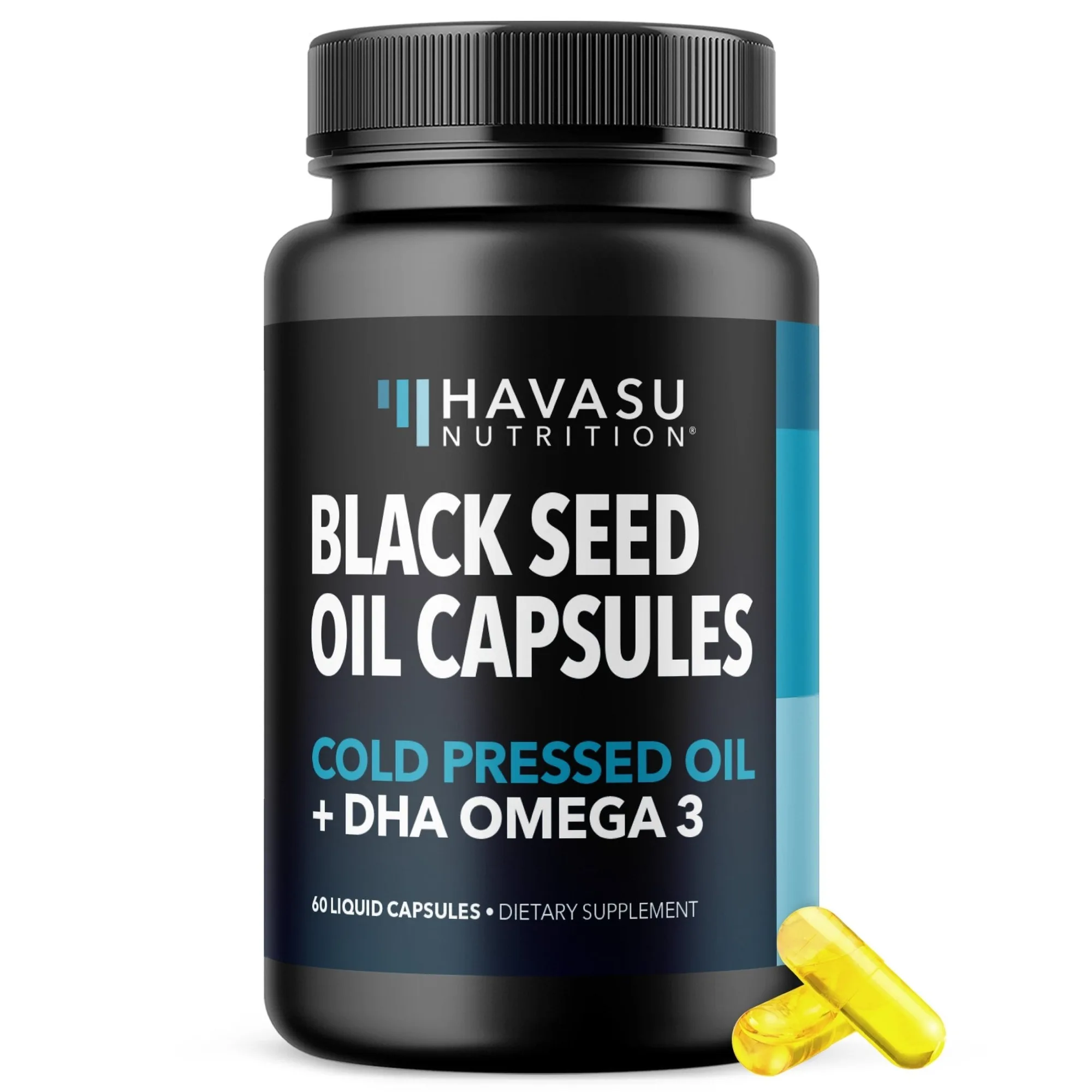
Black Seed Oil + DHA Liquid Capsules, 60 ct
- Check purity: Ensure the product is molecularly distilled to remove toxins.
- Dosage: Follow the recommended dosage on the label, typically 1-2 teaspoons or capsules daily.
- Storage: Keep cod liver oil in a cool, dark place to prevent oxidation.
Current Research and Recommendations
Recent studies continue to explore the health benefits of cod liver oil, particularly its role in reducing inflammation and supporting mental health. Some research suggests that adequate omega-3 intake may help alleviate symptoms of depression and anxiety. Additionally, vitamin D's role in immune function has gained attention, especially in the context of respiratory health.
Health experts generally recommend getting nutrients from food first, but supplements like cod liver oil can fill gaps. The American Heart Association suggests eating fish at least twice a week, but for those who don't, a fish oil supplement may be beneficial. Always consult with a healthcare provider before starting any new supplement, especially if you are pregnant, nursing, or taking medications.
- Consult your doctor: Especially if you have a medical condition or take blood thinners.
- Balance with diet: Use cod liver oil to complement a healthy diet, not replace it.
Cod liver oil's journey from ancient remedy to modern supplement is a testament to its enduring value. Whether you choose a traditional liquid or a convenient capsule, incorporating this nutrient-rich oil can support your overall health. Explore our selection of high-quality supplements to find the right fit for your wellness journey.