For many coffee lovers, the ritual of brewing a fresh cup is sacred. But when you start exploring pour-over methods, you quickly encounter two terms that seem interchangeable: coffee filter cone and coffee dripper. Are they the same thing? Not quite. Understanding the differences can help you choose the right tool for your brewing style and taste preferences.
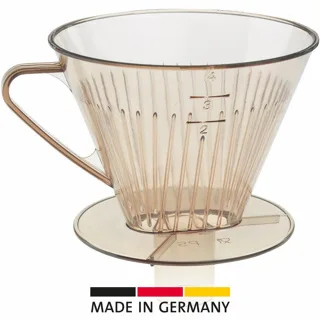
coffee filter cone
In this guide, we'll break down the design, functionality, and brewing results of coffee filter cones versus drippers. Whether you're a beginner or a seasoned home barista, this comparison will clarify which device deserves a spot on your kitchen counter.
What Is a Coffee Filter Cone?
A coffee filter cone is a cone-shaped brewing device that holds a paper or reusable filter. You place it atop your mug or carafe, add ground coffee, and pour hot water over it. The cone's shape allows water to flow through the grounds and extract flavors as it drips into your cup. Common materials include plastic, ceramic, stainless steel, and glass.
Filter cones are known for their simplicity and affordability. They come in various sizes, typically designed for 1-2 cups or larger batches. The classic V60-style cone has a single large hole, while others may have multiple smaller holes. The hole size and shape affect the flow rate and extraction, giving you control over the brew strength.
- Simple and portable: just place on a mug and brew
- Available in a wide range of materials and colors
- Requires a separate kettle and filter paper
What Is a Coffee Dripper?
A coffee dripper is a broader term that encompasses any device designed for pour-over brewing. In many contexts, 'dripper' and 'filter cone' are used interchangeably, but a dripper can also refer to devices with a more complex design, such as the Chemex or the Kalita Wave. These often have flat bottoms or unique ridges that influence water flow and extraction.
Drippers may come with a built-in carafe or be designed to sit on a separate server. Some models feature a valve or a special filter shape to control the brewing time. The key difference is that a dripper often offers more precision and consistency, making it a favorite among coffee enthusiasts who want to fine-tune their brew.
- Often includes a carafe or server for multiple cups
- Design variations allow for different extraction profiles
- May require specific filters (e.g., Chemex filters)
Key Differences Between Filter Cone and Dripper
While both are used for pour-over coffee, the main differences lie in design, flow rate, and the final cup profile. A filter cone typically has a steeper angle and a single hole, which can lead to a faster flow and a lighter body. Drippers with a flat bottom, like the Kalita, create a more even extraction and a richer, fuller taste.
Another difference is the material and heat retention. Ceramic and glass cones retain heat better than plastic, which can affect the brewing temperature. Drippers often come with a carafe, making them more suitable for serving multiple people. Additionally, the filter type varies: cones usually use #2 or #4 paper filters, while drippers may have proprietary filters.
When choosing between them, consider your brewing habits. If you prefer a quick, single cup with minimal fuss, a filter cone is ideal. If you enjoy experimenting with different recipes and want a more consistent brew, a dripper might be worth the investment.
- Flow rate: cones are faster, drippers are more controlled
- Brew strength: cones yield lighter cups, drippers can produce richer ones
- Serving size: cones are for single cups, drippers often pair with carafes
Which One Should You Choose?
Your choice ultimately depends on your priorities. If you value simplicity and portability, a basic filter cone is hard to beat. It's easy to clean, takes up little space, and is perfect for camping or travel. On the other hand, if you're a coffee geek who loves to dial in the perfect extraction, a dripper with a flat bottom or a design like the Chemex offers more control.
Consider your budget as well. Filter cones are generally more affordable, while drippers with carafes can be pricier. Also, think about the filters: some drippers require special filters that may be harder to find. For most home brewers, a high-quality filter cone is more than sufficient to make an excellent cup of coffee.
If you're still unsure, why not try both? Start with a simple cone to master the basics, then graduate to a dripper to explore different flavor profiles. Either way, you'll be on your way to brewing better coffee at home.
Practical Tips for Using Your Filter Cone or Dripper
Regardless of which device you choose, the brewing technique is similar. Always use freshly ground coffee, ideally medium-coarse. Rinse the paper filter with hot water before adding coffee to remove any paper taste and preheat the cone or dripper. Use a gooseneck kettle for a controlled pour, and bloom the coffee by adding a small amount of water and waiting 30 seconds before the main pour.
For a filter cone, keep the water level just below the rim to avoid overflow. For a dripper, follow the manufacturer's guidelines for the ideal water-to-coffee ratio. Experiment with grind size and pour speed to find your perfect cup.
- Use a gooseneck kettle for precise pouring
- Always rinse the filter to preheat and remove paper taste
- Adjust grind size to control extraction time
In the end, the coffee filter cone vs dripper debate comes down to personal preference. Both methods can produce delicious coffee, but they offer different experiences. A filter cone is straightforward and budget-friendly, while a dripper provides more control and consistency. Whichever you choose, the joy of brewing your own pour-over is a rewarding ritual. Explore our collection of coffee brewing tools to find the perfect fit for your kitchen.