Quick answer
Store coffee beans whole in an airtight, opaque container at room temperature, away from the stove, and grind them right before brewing. Keep tea leaves in a separate airtight container away from coffee, light, heat, and moisture. For everyday drinking, buy coffee in amounts you will finish within a few weeks and tea within a few months.
Why coffee and tea go stale in the first place
Coffee and tea both lose quality through oxidation, moisture, heat, and light. Coffee beans also release carbon dioxide for several days after roasting, which is why a one-way valve on a coffee bag helps. Tea leaves are more delicate: they readily absorb surrounding odors and can flatten in aroma when stored near spices, coffee, or strong-smelling foods.
The practical result is that the same pantry shelf is rarely ideal for both. Coffee wants a dark, dry, room-temperature spot with minimal air. Tea wants the same, plus separation from anything strongly scented. If your coffee tastes flat or your tea smells like the spice rack, the storage setup is usually the first thing to check.
How to store coffee beans without losing the roast
Buy whole beans and keep them in an airtight, opaque container. A clear jar on the counter looks nice, but light degrades the oils that carry coffee's flavor. If you prefer a clear container, store it inside a closed cabinet rather than on an open shelf. Keep the container away from the stove, the dishwasher, and the coffee maker itself, since those spots run warm and humid.
Only grind what you are about to brew. Pre-ground coffee has far more surface area exposed to air, so it stales much faster. If you use a hopper grinder, avoid filling it for the week; store the rest of the beans sealed. For freezing, portion beans into small airtight bags or containers, squeeze out excess air, and use them within about a month. Do not repeatedly thaw and refreeze the same batch.
- Whole beans in an airtight, opaque container at room temperature
- Keep away from heat, light, and moisture
- Grind immediately before brewing
- Freeze only in small portions you will use within about a month
Keeping tea fresh: leaves, bags, and daily habits
Tea leaves need an airtight container that blocks light and odors. Tins with double lids work well; a simple clasp jar in a dark cabinet is fine too. Keep tea away from coffee, spices, and anything else with a strong smell. If you store tea in the same cabinet as your coffee beans, give each its own sealed container rather than sharing one open bin.
Loose leaf tea and tea bags both benefit from being kept in their own sealed packaging until you are ready to use them. Do not store tea in the refrigerator unless it is fully sealed and you are prepared for condensation when it comes out; repeated temperature swings and moisture are worse than a steady cool cupboard. Buy smaller amounts more often if you drink tea slowly, and label the container with the date you opened it.
- Airtight, opaque, odor-free container
- Separate from coffee, spices, and strong foods
- Skip the fridge unless the tea is sealed and you avoid temperature swings
- Label with the open date and use within a few months
Pantry coffee organization that actually works
A workable pantry setup uses three zones: a sealed container for the coffee you are drinking now, a separate sealed container for tea, and a small overflow area for unopened bags. Keep the daily containers within easy reach and the overflow in a darker, cooler spot. This reduces the number of times you open the main container, which limits air exchange.
Do not pour new beans on top of old ones. Finish the open batch first, then refill. If you use a scoop, keep it dry and dedicated to coffee or tea, not shared with spices or flour. A quick wipe of the container between refills removes old oils that can turn rancid and taint the next batch.
Diagnose your stale coffee or tea
- Coffee tastes flat or papery: Most likely cause: oxygen exposure from a clear or loosely sealed container, or pre-ground coffee sitting out. Move whole beans to an airtight, opaque container away from heat and light, and grind right before brewing. If the beans were roasted more than a few weeks ago, finish them in cold brew or baking rather than expecting a better cup.
- Tea smells like spices or coffee: Most likely cause: shared storage with strong odors. Give tea its own airtight container and keep it away from coffee, spices, and open food packages. If the tea already tastes tainted, replace that batch; odor absorption does not reverse.
- Both go stale within days: Most likely cause: heat and moisture from a spot near the stove, dishwasher, or kettle. Move the containers to a dry, room-temperature cabinet. If you cannot find a cool, dark spot, buy smaller amounts and refill more often instead of investing in a larger container.
A note on pantry-adjacent display
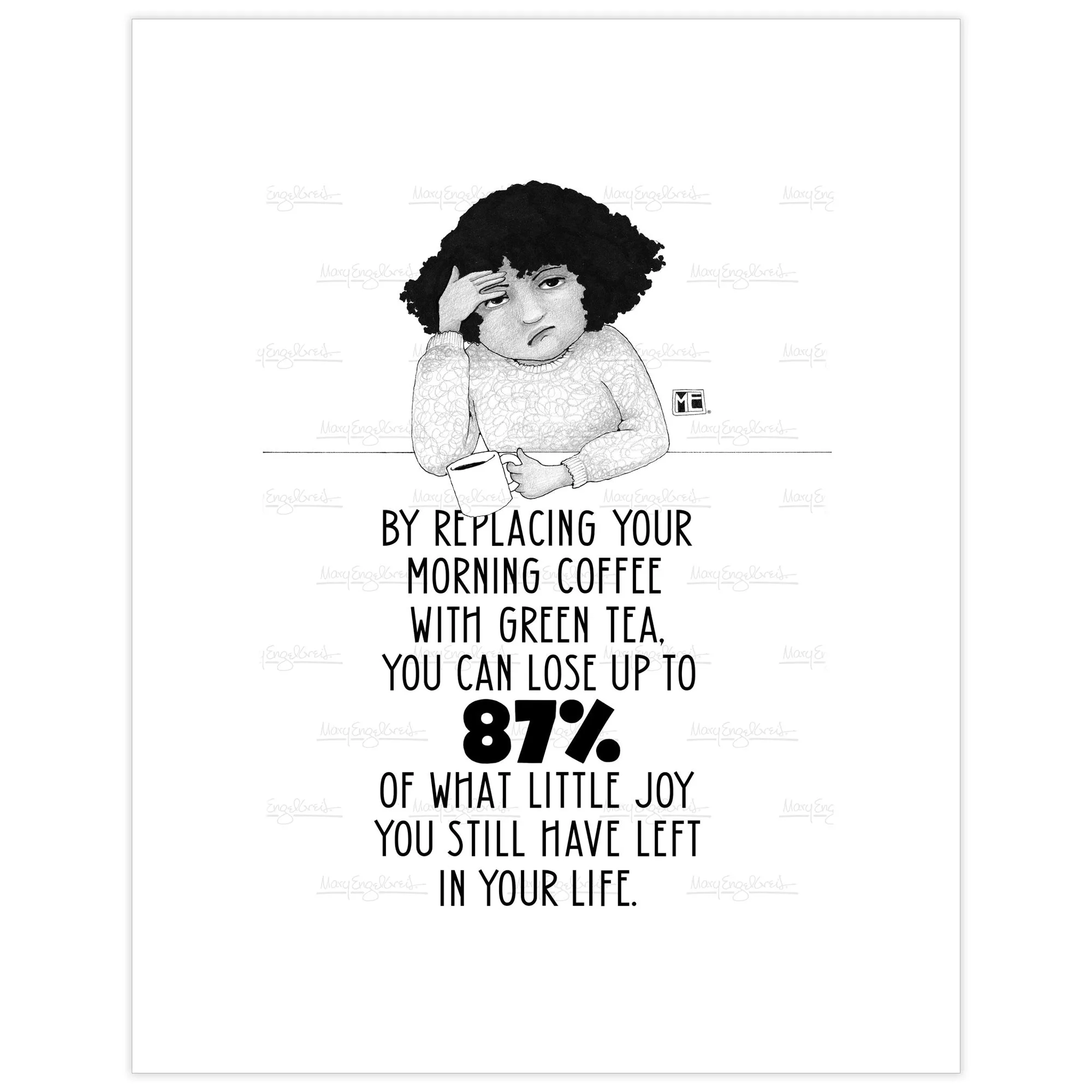
- Green Tea Fine Art Print: The Green Tea Fine Art Print reads: "By replacing your morning coffee with green tea you can lose up to 87% of what little joy you still have left in your life." It is printed on high-quality, textured paper in standard frame sizes and is available with Mary's signature. If you keep coffee and tea in the kitchen, this print gives the pantry wall a lighthearted focal point without taking up counter space you need for containers.
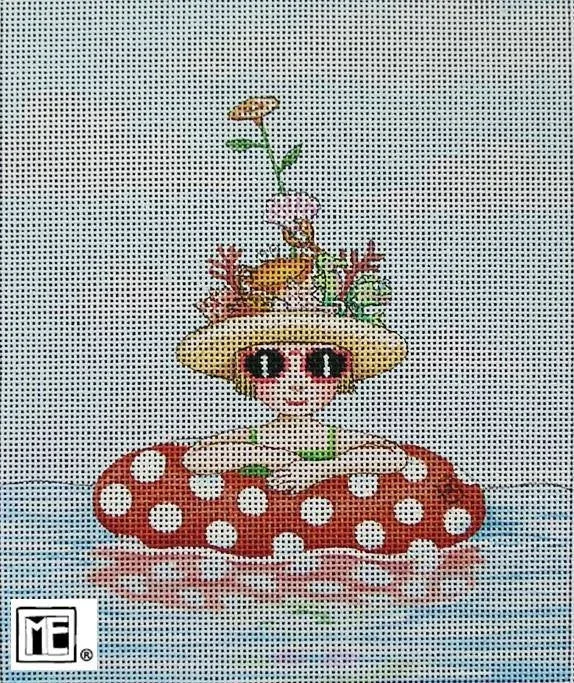
- Needlepoint Canvas: This is the Life: The Needlepoint Canvas: This is the Life is a hand-painted 18 count canvas measuring 5.75" x 7". Threads and a stitch guide are not included, and the canvas is painted to order, which can take up to 6 weeks. A finished needlepoint piece can become a small, washable tray liner or drawer liner near your coffee and tea area, but plan ahead for the production time if you want it for a specific occasion.