When the temperature rises, many coffee lovers turn to chilled coffee drinks to stay refreshed and caffeinated. Two of the most popular options are cold brew and iced coffee, but despite their similar appearances, they are remarkably different in taste, preparation, and caffeine content. Understanding these differences can help you choose the perfect drink for your palate and brewing setup.
At WatchHouse, we believe that great coffee starts with knowledge. Whether you prefer the smooth, low-acid profile of cold brew or the bold, aromatic kick of iced coffee, knowing what sets them apart will elevate your home brewing game. In this guide, we'll break down the science and simplicity behind each method, so you can enjoy the best iced coffee experience possible.
What Is Cold Brew?
Cold brew is made by steeping coarsely ground coffee beans in cold or room-temperature water for an extended period, typically 12 to 24 hours. This slow extraction process yields a smooth, concentrated coffee that is less acidic and naturally sweeter than hot-brewed coffee. Because heat is not involved, many of the bitter compounds and oils that can cause acidity remain locked in the grounds, resulting in a mellow, full-bodied beverage.
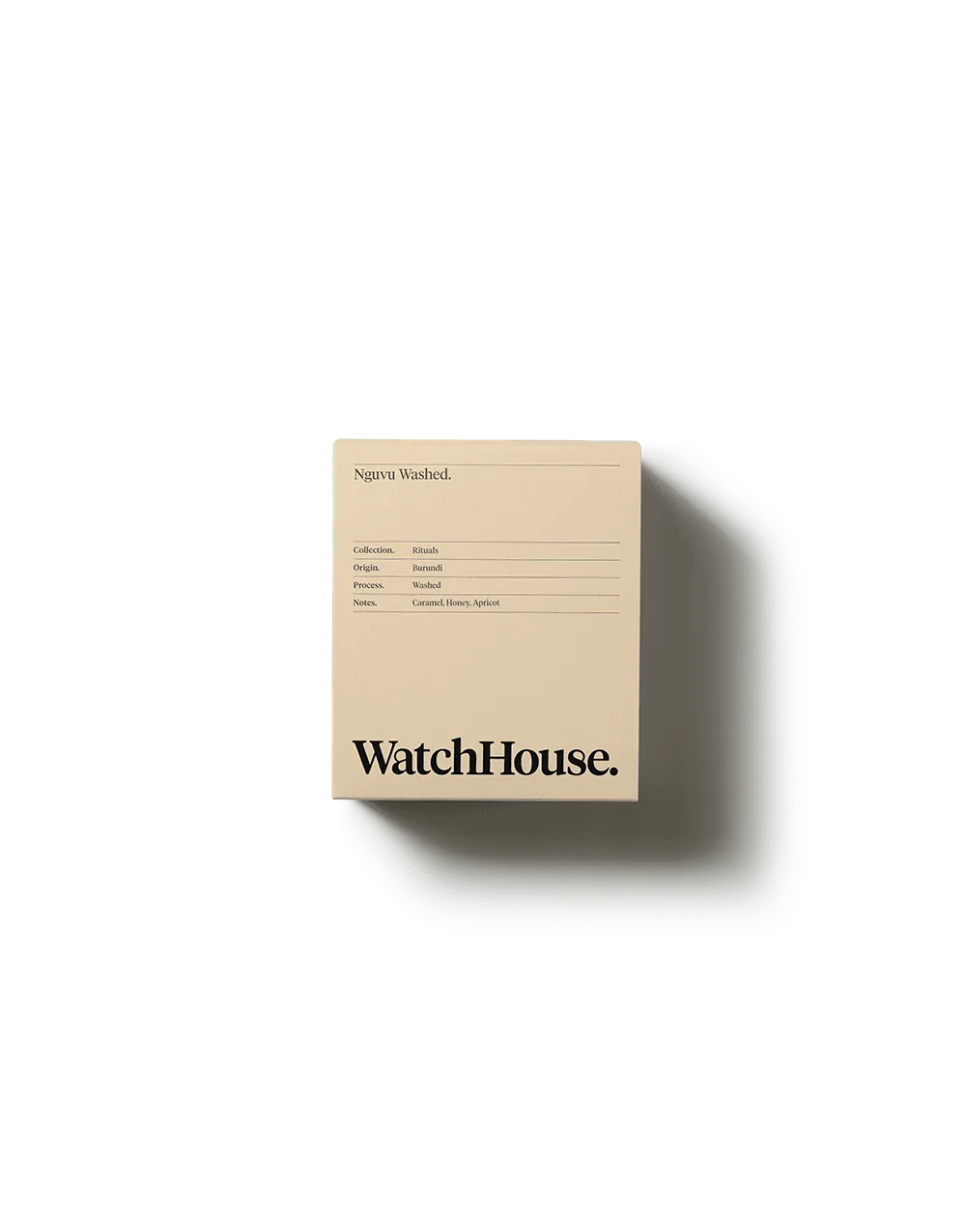
The result is a concentrate that can be diluted with water or milk and served over ice. Cold brew's low acidity makes it a favorite among those with sensitive stomachs, and its concentrated nature means you can customize the strength to your liking. For a truly exceptional cold brew experience, try using a high-quality coffee like the Nguvu Washed, which offers bright, fruity notes that shine even after long steeping.
- Steeping time: 12–24 hours at room temperature or in the fridge.
- Grind size: Coarse, similar to French press grind.
- Flavor profile: Smooth, low acidity, naturally sweet.
- Caffeine: Often higher per ounce due to concentration.
What Is Iced Coffee?
Iced coffee is simply hot-brewed coffee that has been chilled and served over ice. The brewing process is identical to making a regular cup of hot coffee—using drip, pour-over, or espresso methods—but the final step involves cooling it down quickly to avoid dilution. Some enthusiasts use a Japanese iced coffee technique, which involves brewing hot coffee directly onto ice, locking in volatile aromatics that can be lost during slow cooling.
Because iced coffee starts as a hot extraction, it retains the bright acidity, complex flavors, and aromatic oils that hot coffee drinkers love. The rapid cooling method helps preserve these characteristics, making iced coffee a vibrant and refreshing option. For a quick and delicious iced coffee at home, consider using the Aeropress Papers for a clean, sediment-free cup that cools beautifully over ice.
- Brewing method: Hot extraction (drip, pour-over, espresso).
- Cooling: Chill quickly, either by refrigerating or brewing onto ice.
- Flavor profile: Bright, acidic, aromatic, complex.
- Caffeine: Similar to hot coffee, but dilution from ice can vary.
Cold Brew vs. Iced Coffee: Key Differences at a Glance
To help you decide which drink to make, here’s a side-by-side comparison of the most important factors. While both are served cold, their preparation and taste profiles diverge significantly.
Understanding these differences can also guide your equipment choices. For instance, if you love the precision of cold brew, a grinder like the WatchHouse Comandante C40 MK4 Grinder ensures a consistent coarse grind that maximizes extraction without bitterness.
- Brewing Time: Cold brew takes 12–24 hours; iced coffee takes minutes.
- Acidity: Cold brew is low; iced coffee retains hot-brew acidity.
- Flavor: Cold brew is smooth and mellow; iced coffee is bright and complex.
- Caffeine: Cold brew concentrate is stronger per ounce; iced coffee is standard.
- Best For: Cold brew for smoothness and low acid; iced coffee for aromatic complexity.
How to Make the Perfect Cold Brew at Home
Making cold brew at home is simple and rewarding. Start with a coarse grind of your favorite coffee beans—about 1 cup of grounds to 4 cups of cold, filtered water. Combine them in a large jar or pitcher, stir gently, and cover. Let it steep at room temperature for 12–24 hours, then strain through a fine-mesh sieve or a coffee filter. The resulting concentrate can be stored in the fridge for up to two weeks.
For best results, use freshly roasted beans and a consistent grind. A quality grinder ensures even extraction, which is key to avoiding over-extraction and bitterness. Once you have your concentrate, dilute it with equal parts water or milk, pour over ice, and enjoy. You can also experiment with adding a splash of milk or a sweetener like vanilla syrup.
- Use a 1:4 coffee-to-water ratio for concentrate.
- Steep at room temperature for 18 hours for optimal flavor.
- Strain through a coffee filter or cheesecloth for clarity.
- Dilute to taste—start with a 1:1 ratio of concentrate to water.
How to Make Quick and Delicious Iced Coffee
For a fast iced coffee, brew your coffee using your preferred hot method—drip, pour-over, or French press—at double strength. This compensates for the dilution from ice. Fill a glass with ice, pour the hot coffee directly over it, and stir. For an even better result, try the Japanese iced coffee method: place ice in the carafe before brewing, then brew hot coffee directly onto the ice. This locks in aromatics and chills the coffee instantly.
If you use an Aeropress, the process is even faster. The Aeropress Papers ensure a clean, sediment-free cup, and you can brew directly over a glass of ice for a smooth, flavorful iced coffee in under two minutes. Add milk or sweetener if desired, and serve immediately for the freshest taste.
- Brew at double strength to avoid watery coffee.
- Use the Japanese iced coffee method for maximum aroma.
- Pour hot coffee over ice immediately to lock in flavor.
- Experiment with different beans—light roasts work wonderfully.
Whether you're drawn to the silky smoothness of cold brew or the vibrant complexity of iced coffee, both offer a refreshing way to enjoy your daily caffeine fix. Experiment with different beans and brewing techniques to find your perfect summer sip. Ready to elevate your cold brew game? Explore the Nguvu Washed for a fruity, balanced concentrate that will transform your iced coffee routine.