When the temperature rises, nothing beats a refreshing cold coffee drink. But with two popular options—cold brew and iced coffee—many coffee lovers find themselves wondering what truly sets them apart. Is cold brew just fancy iced coffee, or is there a real difference in taste, caffeine, and brewing technique?
At Union Coffee, we believe understanding these distinctions helps you choose the perfect cold coffee for your palate. Whether you prefer a smooth, low-acid cold brew or a bold, quick iced coffee, this guide breaks down everything you need to know.
What Is Cold Brew?
Cold brew is made by steeping coarsely ground coffee beans in cold or room-temperature water for an extended period—typically 12 to 24 hours. The result is a smooth, concentrated coffee that is less acidic and naturally sweet. Because heat is never applied, the extraction process is gentle, pulling out rich flavors without the bitterness often associated with hot brewing. For the best cold brew, start with a high-quality single origin like Yirgacheffe, Organic Ethiopia, which offers bright, fruity notes that shine in cold extraction.
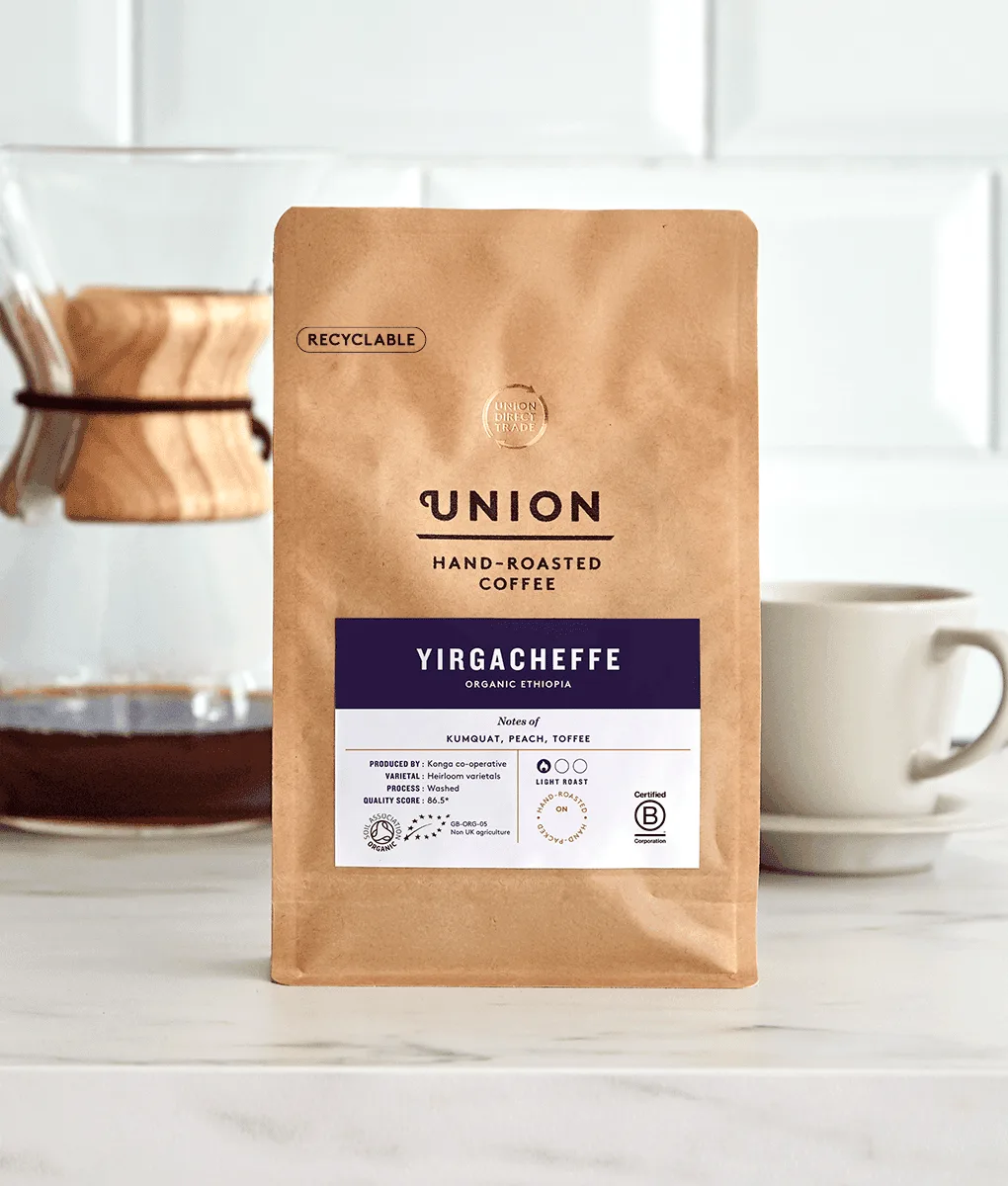
Yirgacheffe, Organic Ethiopia
The long steeping time means cold brew is typically served over ice or mixed with milk or water. It's a favorite among those who find traditional coffee too acidic or bitter. Plus, because it's concentrated, you can store it in the fridge for up to two weeks, making it a convenient option for busy mornings.
- Uses cold water and long steeping (12-24 hours)
- Lower acidity and smoother flavor profile
- Can be stored for up to two weeks in the fridge
- Best with coarsely ground beans for optimal extraction
What Is Iced Coffee?
Iced coffee, in contrast, is simply hot-brewed coffee that is cooled down and poured over ice. The brewing process is identical to a regular hot cup—using hot water and a shorter extraction time (usually 4-5 minutes). Once brewed, the coffee is chilled, either by refrigeration or by directly pouring it over ice cubes. This method retains the full flavor profile of the beans, including the bright acidity and complex aromas that hot brewing brings out.
Because iced coffee is brewed hot, it can sometimes taste more bitter or acidic when cooled, especially if the coffee is over-extracted. To avoid this, many coffee enthusiasts use a slightly coarser grind and brew a stronger concentrate to compensate for dilution from the ice. For a balanced iced coffee, try a blend like Bright Note, Blend, which offers a clean, vibrant taste that holds up well over ice.
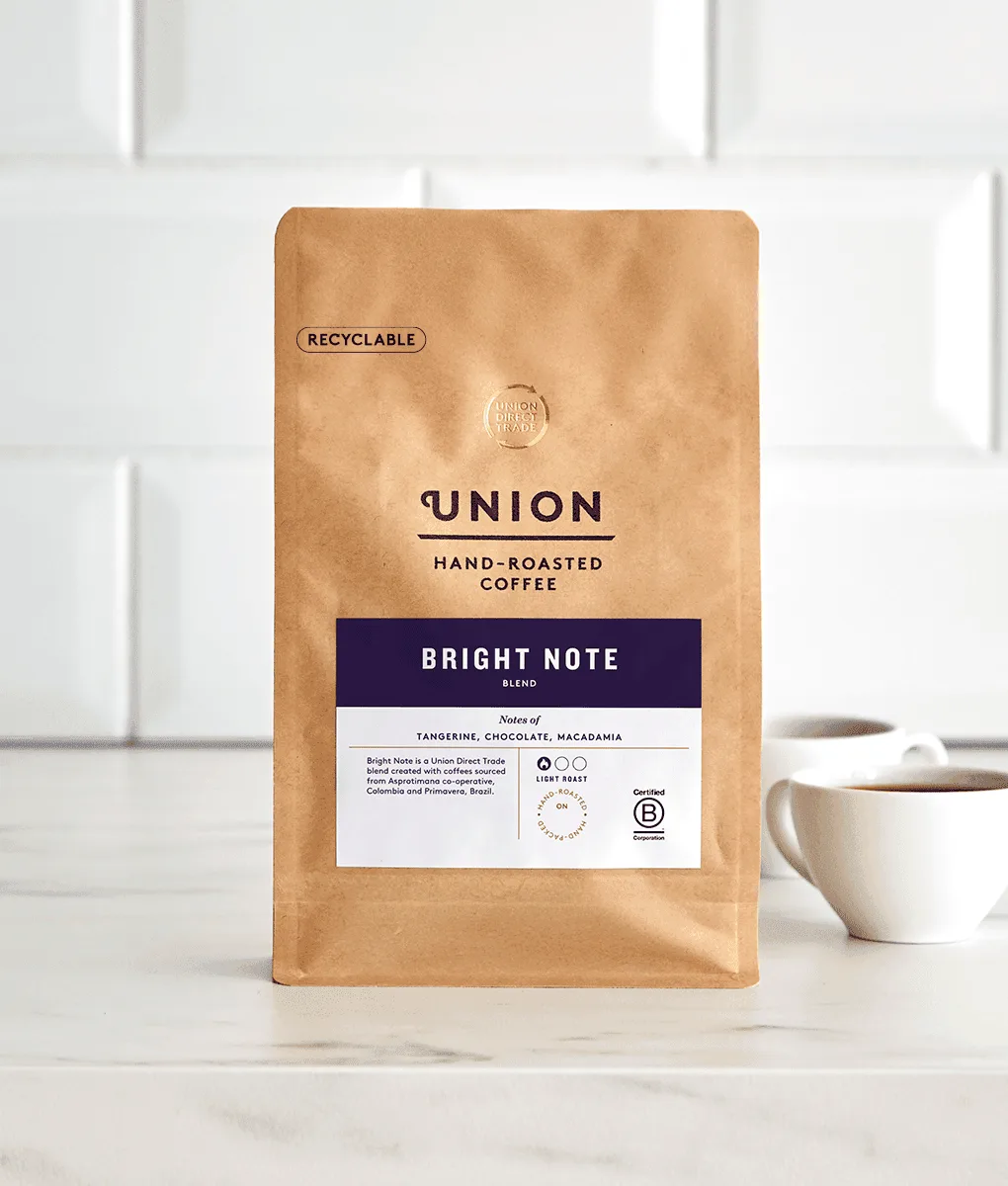
Bright Note, Blend
- Brewed hot, then cooled and served over ice
- Retains the full flavor and acidity of hot coffee
- Quick to make—no waiting 12+ hours
- Best with a stronger brew ratio to avoid watery taste
Key Differences: Cold Brew vs Iced Coffee
The primary difference lies in the brewing method: cold brew uses cold water and time, while iced coffee uses hot water and speed. This leads to distinct flavor profiles. Cold brew is smoother, less acidic, and often sweeter, making it ideal for those with sensitive stomachs or a preference for mellow coffee. Iced coffee, on the other hand, is brighter, more acidic, and retains the nuanced flavors of the bean origin.
Caffeine content is another factor. Cold brew is typically more concentrated, so ounce for ounce, it contains more caffeine than iced coffee. However, since cold brew is often diluted with water or milk, the actual caffeine per serving can vary. Iced coffee, being less concentrated, generally has less caffeine per volume but can be adjusted by brewing a stronger batch. Texture also differs: cold brew feels heavier and silkier on the palate, while iced coffee is lighter and more refreshing.
- Cold brew: smooth, low-acid, concentrated, longer brew time
- Iced coffee: bright, acidic, quick to make, lighter body
- Cold brew has higher caffeine concentration but is often diluted
- Choose based on your flavor preference and time available
How to Make the Perfect Cold Brew at Home
Making cold brew at home is simple and rewarding. Start with coarsely ground coffee—about 1 cup of grounds to 4 cups of cold water. Combine them in a large jar or French press, stir gently, and let it steep at room temperature or in the fridge for 12-24 hours. After steeping, strain the mixture through a fine-mesh sieve or a coffee filter to remove the grounds. The result is a concentrate that you can store in the fridge.
For a truly exceptional cold brew, use freshly roasted beans from a single origin like Yayu Wild Forest, Ethiopia. Its floral and berry notes translate beautifully into a cold brew with a clean, fruity finish. Serve the concentrate over ice with equal parts water or milk, and adjust to your taste. You can also experiment with different steeping times to find your preferred strength.
- Use a coarse grind to avoid over-extraction
- Steep for 12-24 hours for optimal flavor
- Filter thoroughly to remove all coffee grounds
- Store concentrate in the fridge for up to two weeks
How to Make the Perfect Iced Coffee at Home
For iced coffee, the key is to brew a stronger batch than usual to account for ice dilution. Use a 1:15 coffee-to-water ratio (e.g., 20 grams of coffee to 300 grams of water) and brew using your preferred method—pour-over, French press, or drip. Once brewed, let it cool slightly, then pour it over a glass filled with ice. For an extra flavor boost, try brewing directly over ice using the Japanese iced coffee method, which locks in aromatics.
A great iced coffee starts with quality beans. Consider using a bright, medium roast like Bright Note, Blend, which offers a lively acidity that cuts through the ice. You can also add a splash of milk or a sweetener like simple syrup to balance the flavors. For a quick morning fix, brew a double-strength batch the night before and chill it in the fridge.
- Brew a stronger ratio (1:15 or 1:12) to prevent watery taste
- Use the Japanese iced coffee method for optimal flavor
- Chill coffee before serving to avoid melting ice too fast
- Experiment with different beans to find your favorite profile
Which One Should You Choose?
Your choice between cold brew and iced coffee ultimately depends on your taste preferences and lifestyle. If you enjoy a smooth, low-acid coffee that you can prepare in advance and enjoy over several days, cold brew is the way to go. It's perfect for lazy weekends or meal prep. On the other hand, if you crave the bright, complex flavors of freshly brewed coffee and want a quick caffeine fix, iced coffee is your best bet.
For those new to cold coffee, we recommend trying both methods to see which one resonates with you. Start with a small batch of cold brew using a single origin like Yirgacheffe, Organic Ethiopia, and a classic iced coffee using a versatile blend. You might even find that you enjoy both for different occasions—a smooth cold brew for a relaxing afternoon and a zesty iced coffee to kickstart your morning.
- Cold brew: best for smooth, low-acid, make-ahead coffee
- Iced coffee: best for bright, quick, and fresh flavor
- Try both to discover your personal preference
- Adjust strength and dilution to suit your taste
Ready to elevate your cold coffee game? Explore our selection of freshly roasted beans perfect for both cold brew and iced coffee. Whether you're drawn to the smoothness of cold brew or the brightness of iced coffee, Union Coffee has the perfect beans to craft your ideal cup. Visit our shop to discover single origins and blends that will transform your cold coffee experience—start with our Bright Note, Blend for a vibrant iced coffee or our Yirgacheffe, Organic Ethiopia for a silky cold brew.