Quick answer
For cold weather trail running, start with a moisture-wicking base layer, add a breathable wind-resistant shell, and choose shoes with reliable grip and room for thicker socks. Manage sweat to stay warm, and clean and dry your shoes after every wet or muddy run.
Start with a moisture-wicking base layer
The base layer sits against your skin, so its job is to move sweat away from your body. Merino wool or a synthetic blend works well because it insulates even when damp. Avoid cotton—it holds moisture and gets cold. If you tend to overheat, a lightweight base layer plus a breathable shell is more versatile than one heavy layer.
Add insulation and wind protection in the right places
Your core needs more insulation than your arms and legs, which generate heat as you move. A vest or a light jacket with a wind-resistant front and breathable back panel lets you regulate temperature without stopping to change. For your lower body, tights or wind-resistant pants work for most winter conditions; add a second layer only if you run in extreme cold or stop frequently.
Choose shoes and socks for cold, wet trails
Trail shoes with aggressive, sticky rubber outsoles give you confidence on wet roots and rocks. If you run in slush or snow, a shoe with a waterproof membrane keeps feet drier, but it also traps sweat—so pair it with a thin, moisture-wicking sock. For cold but dry conditions, a breathable trail shoe with a roomy toe box lets you wear thicker socks without restricting circulation. Merino wool socks add warmth without bulk and stay warm when damp.
Protect your extremities and manage sweat
Gloves, a hat or headband, and a buff are easy to adjust as your body warms up. Start slightly cool—you’ll heat up within the first mile. If you sweat heavily, unzip your shell or remove a layer before you start to feel chilled. On longer runs, carry a dry pair of gloves or a spare buff in a waterproof pouch.
Care for your trail shoes after every cold, wet run
Mud and road salt break down shoe materials, and wet shoes lose insulation. Rinse mud off with cool water, stuff shoes with newspaper or a towel to absorb moisture, and air-dry them away from direct heat. Never put trail shoes in a dryer or on a radiator—heat can warp the midsole and shrink the upper. If your shoes have a waterproof membrane, clean it with a damp cloth and mild soap, then let it dry completely before storing.
Your cold-weather trail running routine, step by step
- Check the forecast and trail conditions: Look at temperature, wind, precipitation, and trail surface. Wet roots and rocks demand more grip; snow may call for waterproof shoes or gaiters. If trails are icy, consider shoes with metal studs or carry traction devices.
- Dress in moisture-wicking layers: Start with a synthetic or merino base layer, add a breathable wind-resistant shell, and keep your core warmer than your limbs. Wear a hat and gloves you can easily remove. Avoid cotton next to your skin—it stays wet and chills you.
- Choose shoes and socks for the conditions: For wet, muddy trails, pick aggressive outsoles like Vibram Megagrip. For cold but dry days, a breathable shoe with a roomy toe box lets you wear thicker merino socks without cutting off circulation. If you wear waterproof shoes, pair them with thin, moisture-wicking socks to reduce sweat buildup.
- Warm up gradually and adjust layers: Start slightly cool and let your body heat build. Unzip your shell or remove a layer before you start sweating heavily. If you feel a chill, add a layer immediately—don’t wait until you’re shivering.
- Clean and dry your shoes after the run: Rinse off mud and salt with cool water, stuff shoes with newspaper, and air-dry at room temperature. Never use direct heat. Proper drying prevents odors, extends shoe life, and keeps waterproof membranes working.
Trail shoes and socks that work for cold weather
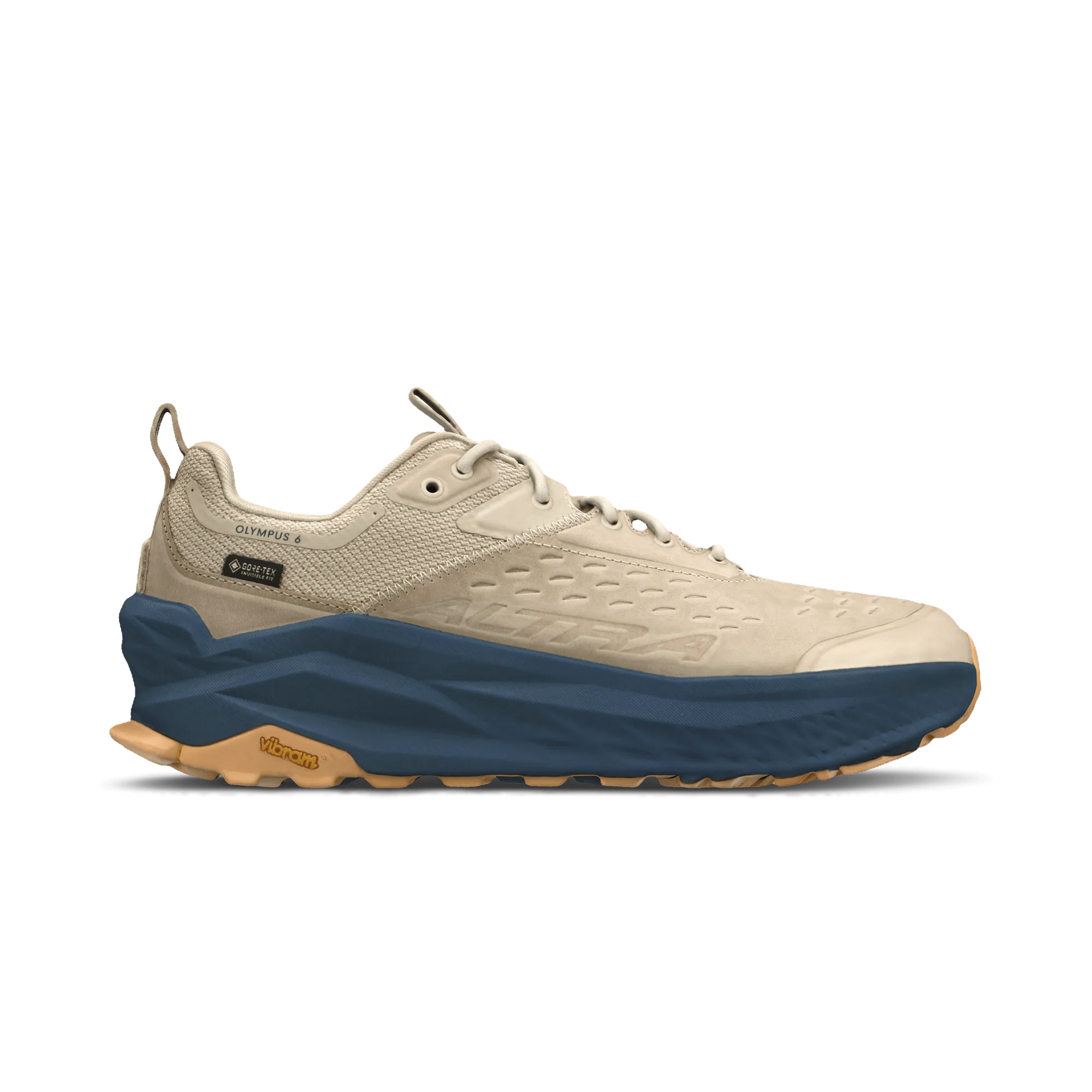
- Men's Olympus 6 Hike Low GTX: The Men's Olympus 6 Hike Low GTX features GORE-TEX Invisible Fit waterproof lining, a leather upper, and a grippy outsole. Waterproof protection and a stable collar help on technical, wet terrain, but the membrane reduces breathability—so wear a thin, moisture-wicking sock to manage sweat.
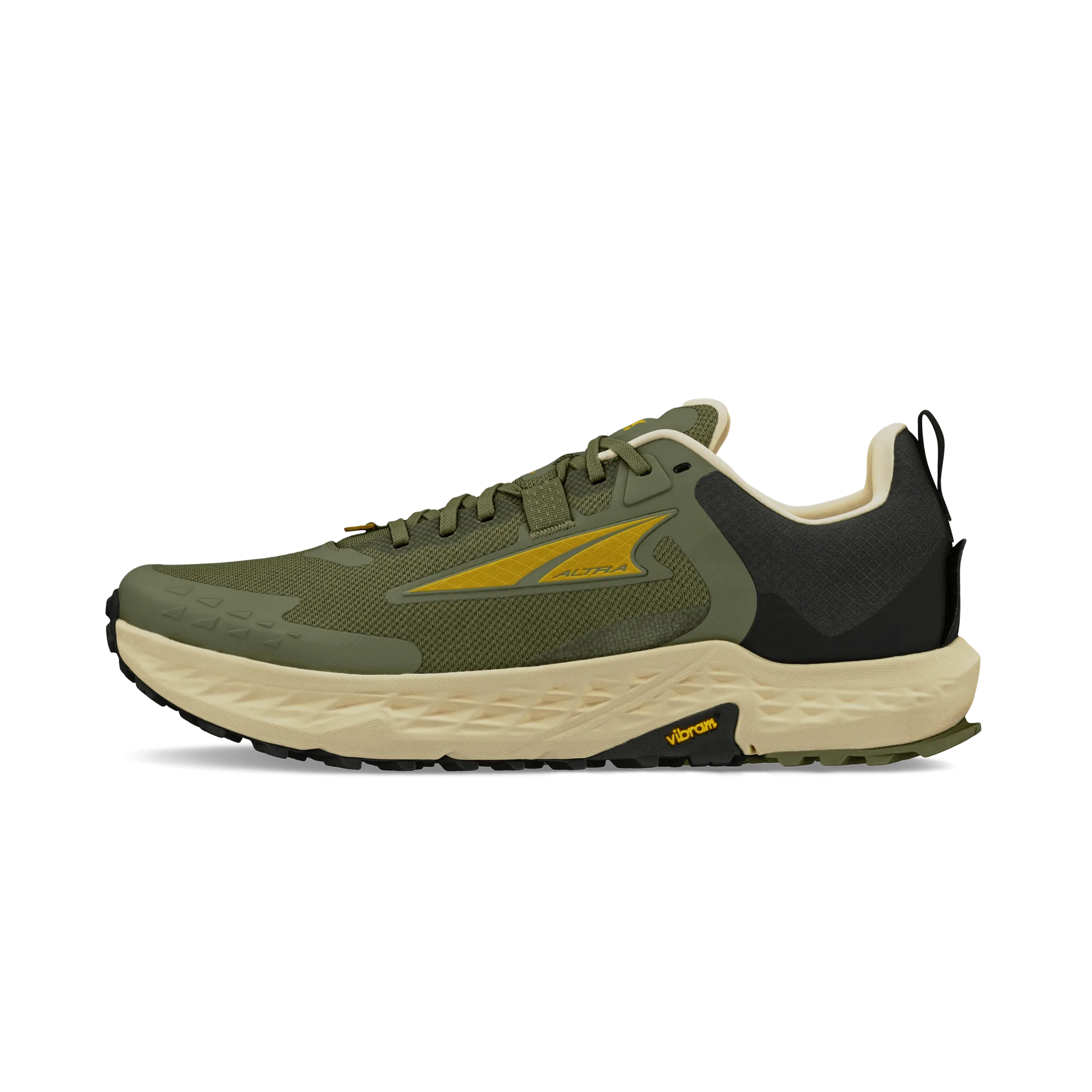
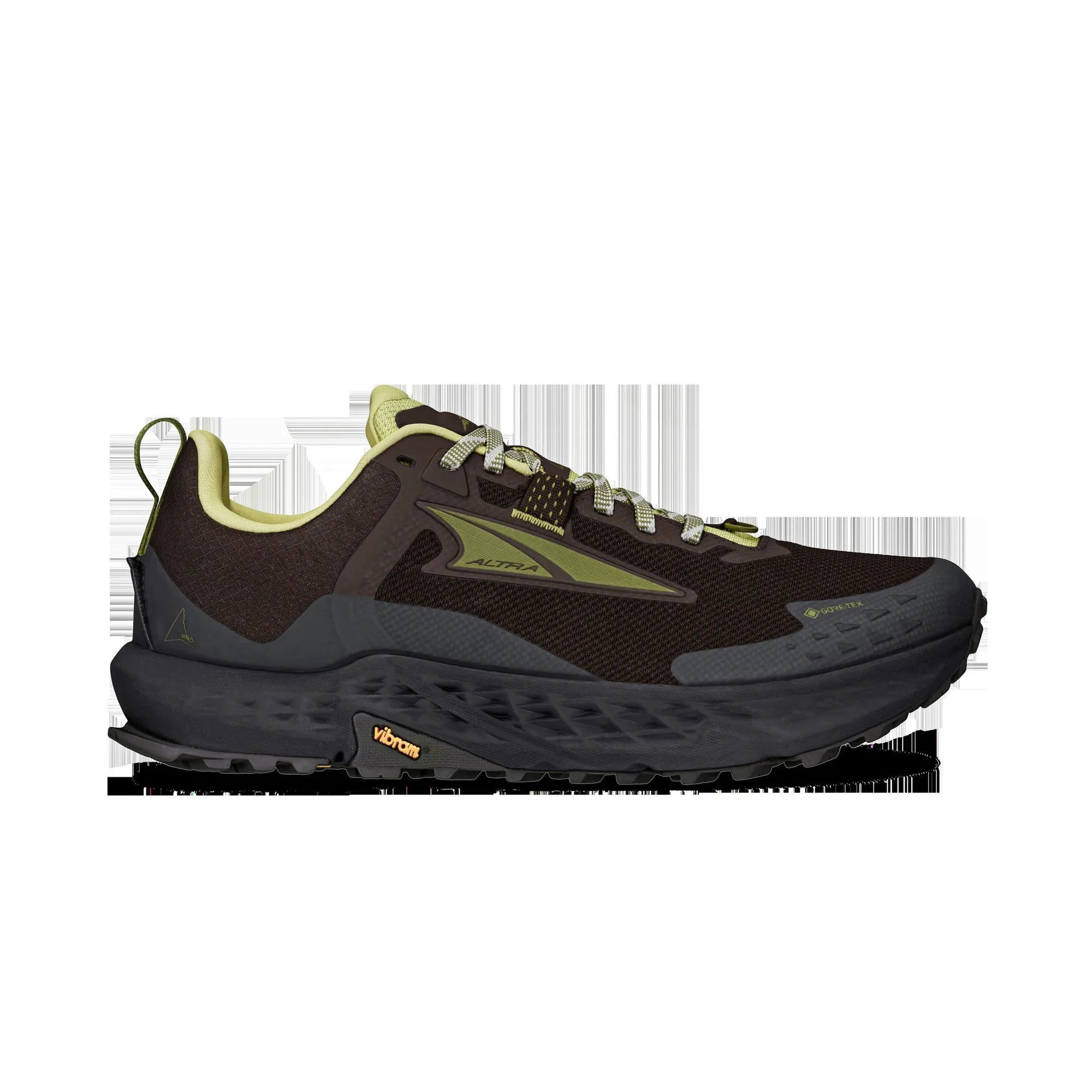
- Men's Timp 5: The Men's Timp 5 has a Vibram Megagrip outsole and is lighter than previous versions. The sticky rubber gives confidence on wet rocks and roots, and the lighter weight reduces fatigue on long winter runs.
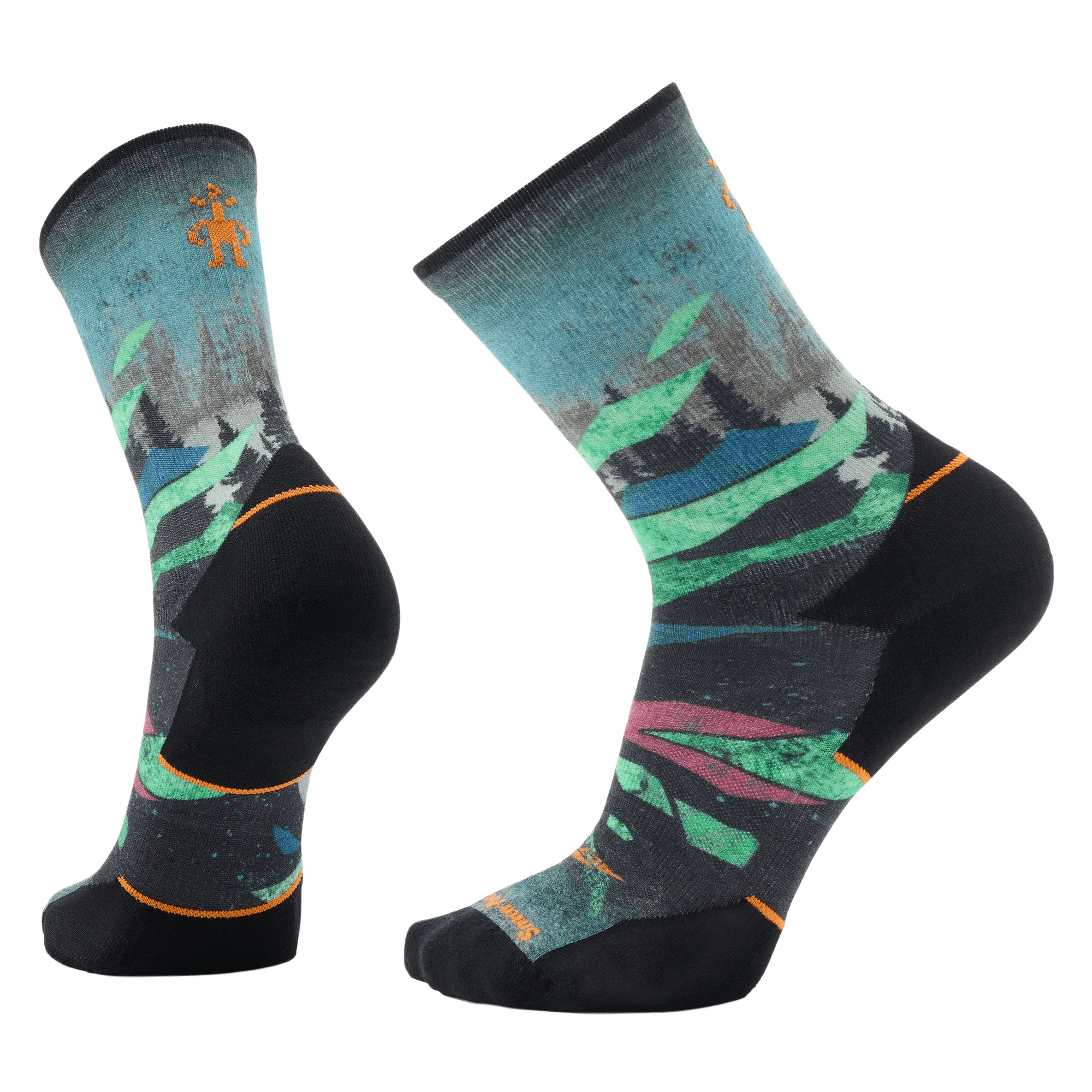
- Cold Weather Run Altra Print Crew Socks: The Cold Weather Run Altra Print Crew Socks are made with merino wool for warmth. Merino wool insulates even when damp, keeping feet warmer than cotton or some synthetics in cold, wet conditions.