Quick answer
Choose a collagen peptide product that lists its collagen type, source, and peptide form, then take it consistently once daily with or without food. Most people see the best results when they pair collagen for skin and collagen for joints with adequate protein, vitamin C, and strength training. Start with a single product for at least eight weeks before judging whether it works for you.
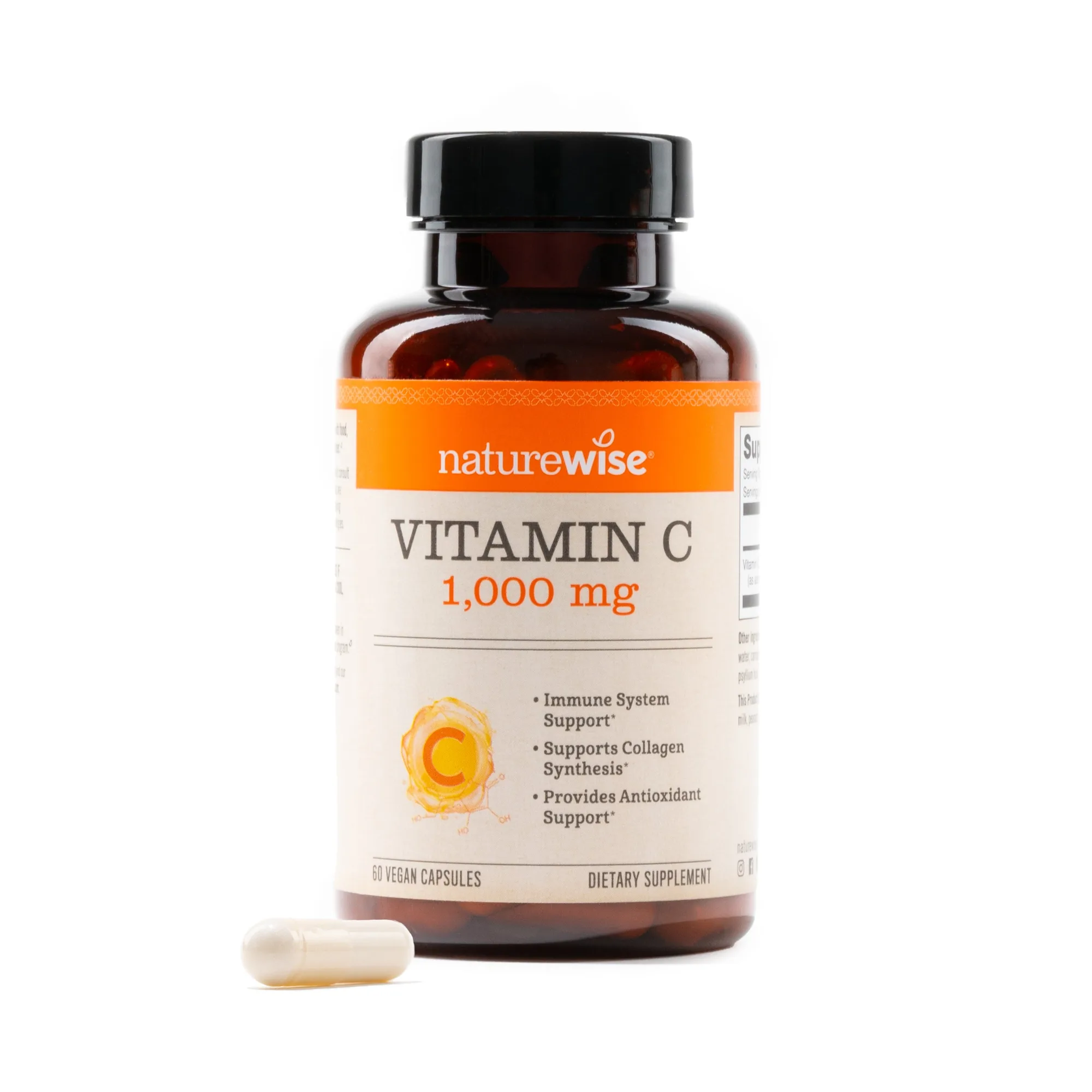
vitamin C
Collagen peptides are short chains of amino acids made by breaking down collagen protein from sources like bovine hide, fish skin, or eggshell membrane. Because the peptides are smaller, they dissolve more easily in liquids and are often easier to digest than intact collagen. That convenience is why collagen peptides have become a popular daily add-on for skin elasticity, joint comfort, and overall protein intake.
But the supplement aisle can be confusing. Labels shout about types, sources, and grams per scoop, and it is hard to tell which details actually matter for your goal. This guide walks through a practical process for choosing a collagen peptide product and using it consistently, with checkpoints to help you avoid the most common mistakes.
Step 1: Match the collagen type to your goal
Collagen comes in several types, and the two you will see most often in peptide products are type I and type III. Type I is the most abundant in skin, tendons, and bone, so it is the type most often studied for skin elasticity and hydration. Type III is found alongside type I in skin and also in blood vessels and internal organs. Many bovine collagen peptides naturally contain both type I and type III.
If joint comfort is your main reason for taking collagen, look for products that also include type II or mention joint-specific research. Type II is the primary collagen in cartilage. Some products combine type I and III with type II, while others focus on one type. A product that lists its types clearly is easier to match to your goal than a vague 'multi-collagen' blend.
- Checkpoint: If the label does not state the collagen type, treat that as a gap. You can still use the product, but you cannot tell whether it fits your skin or joint goal.
Step 2: Choose a source and form that fit your diet and routine
Collagen peptides come from animal sources. Bovine (cow) and porcine (pig) collagen are common and usually the most affordable. Marine collagen comes from fish skin and is popular for skin-focused products. Eggshell membrane collagen is another option. If you follow a pescatarian diet, marine collagen may fit better; if you avoid animal products entirely, collagen peptides are not suitable for you and you would need a different approach to support collagen production.
The form matters for consistency. Powders dissolve into coffee, smoothies, or soup and let you adjust the dose, but they require a scoop and a shaker. Capsules and softgels are portable and pre-measured, which helps if you travel or dislike the taste of collagen powder. Neither form is inherently better; the one you will actually take every day is the better choice.
- Common mistake: Buying a large tub of unflavored powder before testing whether you like the taste or texture in your usual drink.
Step 3: Read the label for dose, added ingredients, and testing
Collagen peptide doses in research often range from about 2.5 grams to 15 grams per day, with skin and joint studies commonly using 5 to 10 grams. Check how many grams of collagen peptides are in one serving, not just the total weight of the scoop. A product that lists 10 grams of collagen peptides per serving gives you a clearer starting point than one that lists a proprietary blend without amounts.
Look at what else is in the product. Some collagen powders add vitamin C, which is involved in normal collagen formation in the body. Others add flavorings, sweeteners, or extra ingredients you may not want. If you are comparing products, check whether the collagen is hydrolyzed (broken into peptides) and whether the manufacturer states that the product is tested for heavy metals or purity. If a brand does not share that information, you can still use the product, but you are accepting a higher level of uncertainty.
- Checkpoint: Aim for a product that clearly states grams of collagen peptides per serving and whether it is hydrolyzed.
Step 4: Start with a consistent daily routine
Consistency matters more than timing. Pick a time you will remember, such as your morning coffee, afternoon smoothie, or evening tea. Collagen peptides can be taken with or without food. Some people prefer taking them with a meal that contains vitamin C, since vitamin C supports normal collagen formation in the body. If you take a powder, measure the serving with the scoop that came with the product rather than estimating.
Start with the serving size on the label. If you are new to collagen, you can begin with half a serving for the first week to see how your digestion responds, then move to the full serving. Set a reminder on your phone for the first two weeks. After that, the habit usually sticks on its own.
- Common mistake: Taking collagen only on days you remember. Collagen is not a quick fix; it works as a daily background input.
Step 5: Support results with protein, vitamin C, and movement
Collagen peptides are a protein source, but they are not a complete protein. They are low in some essential amino acids, so do not rely on collagen alone to meet your daily protein needs. Include other protein sources such as meat, fish, eggs, dairy, beans, or tofu. Vitamin C is also involved in normal collagen formation, so include citrus, berries, peppers, or another vitamin C source in your day.
For joints, movement matters. Strength training and weight-bearing activity send signals that support joint and bone health. For skin, sun protection and hydration have a bigger effect than any single supplement. Think of collagen peptides as one part of a routine that includes these basics, not a replacement for them.
- Checkpoint: If your diet is very low in protein or vitamin C, fix that first. Collagen peptides work best on top of a solid foundation.
Step 6: Give it time and track what changes
Collagen is not an overnight ingredient. Most studies that show skin or joint benefits use daily collagen for eight to twelve weeks. Pick one or two things to track, such as how your skin feels in the morning, how your knees feel after a walk, or how your nails look. A simple note on your phone once a week is enough.
After eight to twelve weeks, review your notes. If you notice no difference and you have been consistent, you can decide whether to continue, switch to a different type or source, or stop. If you notice a benefit, keep going. There is no standard 'best collagen' for everyone; the best one is the one that fits your goal, your diet, and your daily routine.
- Common mistake: Switching products every two weeks. That makes it impossible to tell what is working.
Your collagen peptide checklist
- Step 1: Define your goal: Write down whether you want collagen for skin, collagen for joints, or both. This determines whether you prioritize type I and III, or look for type II as well. Checkpoint: If you cannot name your goal, you cannot judge whether a product fits it.
- Step 2: Pick a source and form: Choose bovine, marine, or eggshell membrane based on your diet, and choose powder or capsules based on where and when you will take it. Common mistake: Choosing a form you will not use consistently.
- Step 3: Check the dose and label: Look for grams of collagen peptides per serving, hydrolyzed peptides, and any added ingredients like vitamin C or sweeteners. Checkpoint: If the label does not state the collagen type or grams per serving, note that as a limitation.
- Step 4: Start daily and stay consistent: Take the labeled serving at the same time each day, with or without food. Use a reminder for the first two weeks. Common mistake: Taking collagen only occasionally and expecting cumulative results.
- Step 5: Support with protein and vitamin C: Include other protein sources and vitamin C-rich foods in your day. Collagen peptides are not a complete protein. Checkpoint: If your overall diet is low in protein or vitamin C, address that first.
- Step 6: Review after 8 to 12 weeks: Track one or two simple markers and review your notes after two to three months. Decide whether to continue, adjust, or stop. Common mistake: Switching products too often to see what works.
Product facts to know
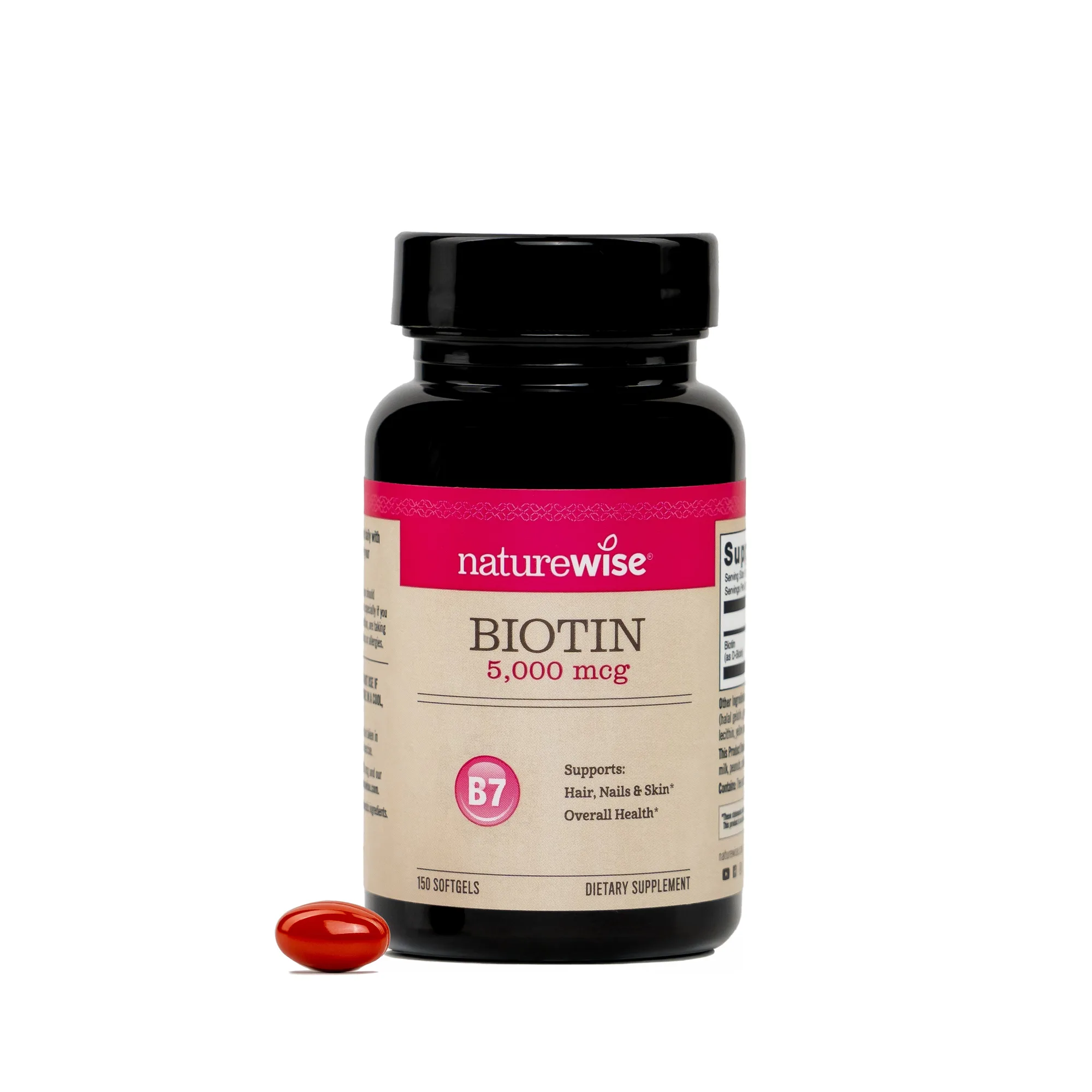
- biotin-a86dd9f16a9231fa29db786c-2610955">Vegan Biotin: 10,000 mcg biotin per serving, vegan formulation, made with cold-pressed coconut oil, one softgel serving; supports hair, skin, and nails and cellular energy production. If your main goal is hair, skin, and nail support, biotin is a complementary nutrient that some people include alongside collagen. It is not a collagen product, so it does not replace collagen peptides, but it can fit into the same daily routine.
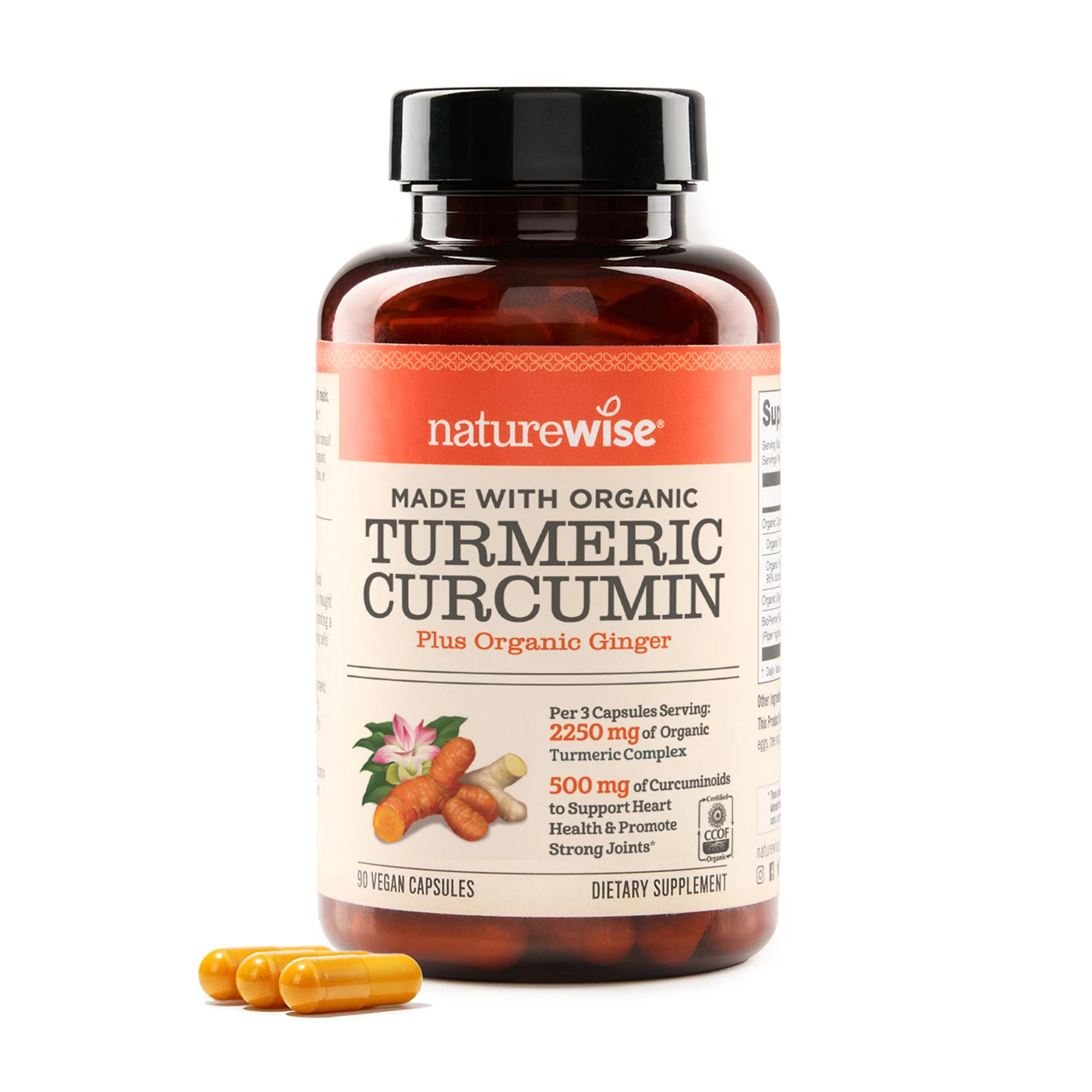
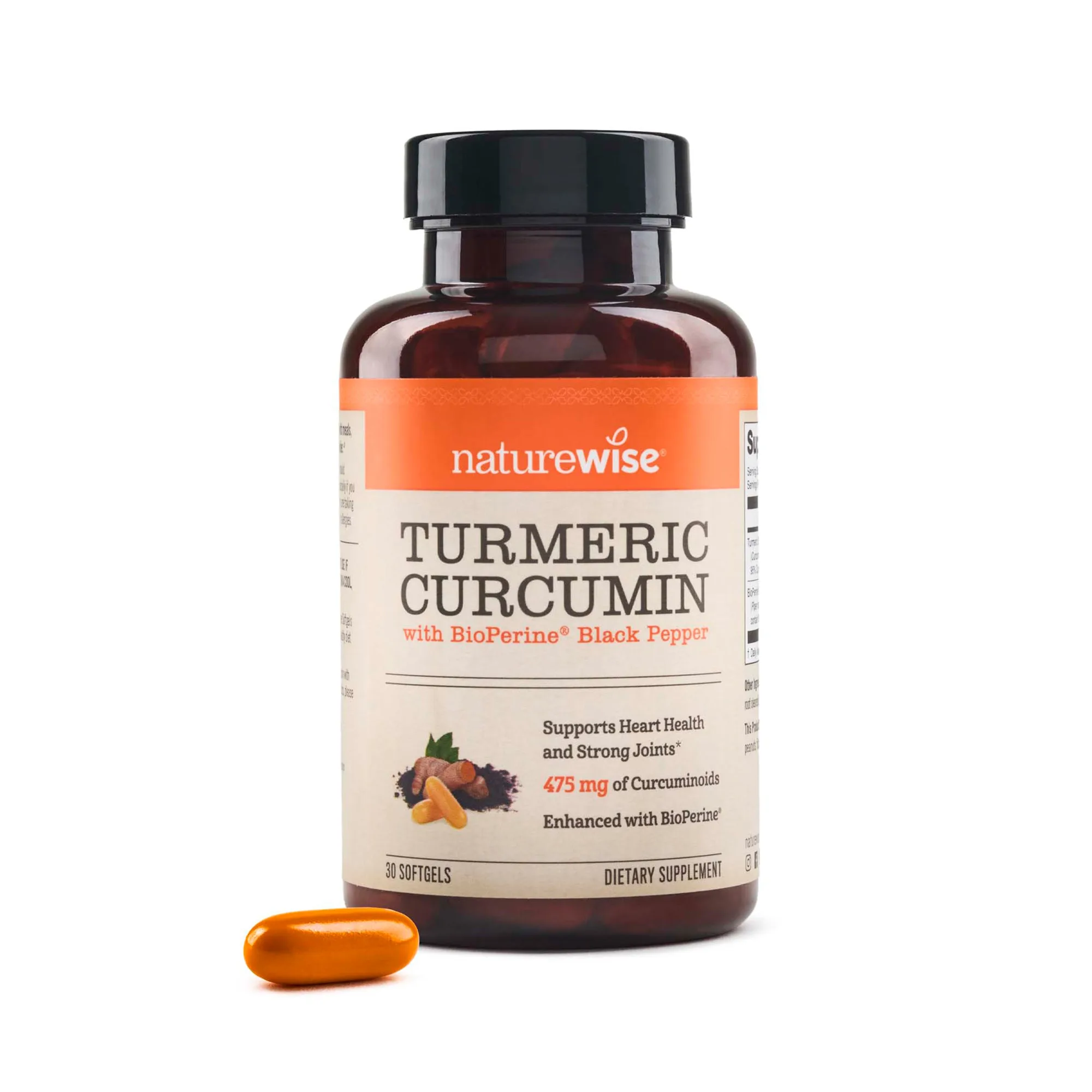
- Turmeric Softgels: 475 mg curcuminoids per softgel, one-per-day formula; supports immune health and joint health. For joint-focused routines, turmeric curcumin is another option some people use. It works differently from collagen peptides, so it can be considered alongside collagen if joint comfort is your priority.
- Extra Strength Turmeric Curcumin: Added BioPerine for absorption, whole root synergy, vegan; supports heart health, antioxidant, and immune support. This is a turmeric option with an absorption enhancer. If you are building a joint-support routine, you can compare it with the Turmeric Softgels based on format and added ingredients.
Choosing collagen peptides comes down to matching the type and source to your goal, checking the dose on the label, and taking it consistently for at least eight weeks. Pair it with enough protein, vitamin C, and regular movement, and track what changes. If you want hair, skin, and nail support alongside your collagen routine, NatureWise Vegan Biotin is a complementary option to consider.