Quick answer
Collagen peptides dissolve in cold and hot liquids without gelling, making them ideal for smoothies, coffee, and no-cook recipes. Gelatin requires heat to dissolve and sets into a gel when cooled, so it's better for puddings, gummies, and baked goods. Your choice depends on whether you need a mix-and-drink supplement or a cooking ingredient.
What makes collagen peptides and gelatin different?
Both collagen peptides and gelatin come from the same source: animal collagen. The key difference is how they are processed. Collagen peptides are hydrolyzed further, breaking the protein into smaller fragments that stay dissolved in liquid without forming a gel. Gelatin is partially hydrolyzed, so it dissolves only in warm liquid and thickens or sets as it cools.
This structural difference affects how you use each form. Collagen peptides mix easily into cold drinks, hot coffee, or soups without changing texture. Gelatin is a traditional gelling agent used in desserts, marshmallows, and savory terrines. Neither is better overall — each serves a distinct purpose in the kitchen or supplement routine.
Cooking and baking with each form
If you want to add protein to a smoothie or iced latte, collagen peptides are the straightforward choice. They stir in clear and don't clump. For recipes that need structure — like homemade gummies, panna cotta, or stabilized whipped cream — gelatin is the ingredient you need. It creates a firm, bouncy texture that collagen peptides cannot replicate.
Gelatin also works well in savory dishes such as bone broth, aspic, or chilled soups. Collagen peptides are more versatile for everyday drinks and no-cook meals. Keep both on hand if you enjoy experimenting in the kitchen.
Supplement forms: powder vs capsules
Collagen supplements come in both powder and capsule forms. Powders give you flexibility to mix into foods and drinks, while capsules offer convenience when you're on the go. Gelatin is almost always sold as a powder or sheet, not in capsules, because its gelling property is the main reason to buy it.
If you prefer a no-mix option, capsules like Collagen Peptides - Capsules provide a straightforward way to get collagen without any preparation. Just remember that capsules contain a smaller serving size per dose compared to a scoop of powder.
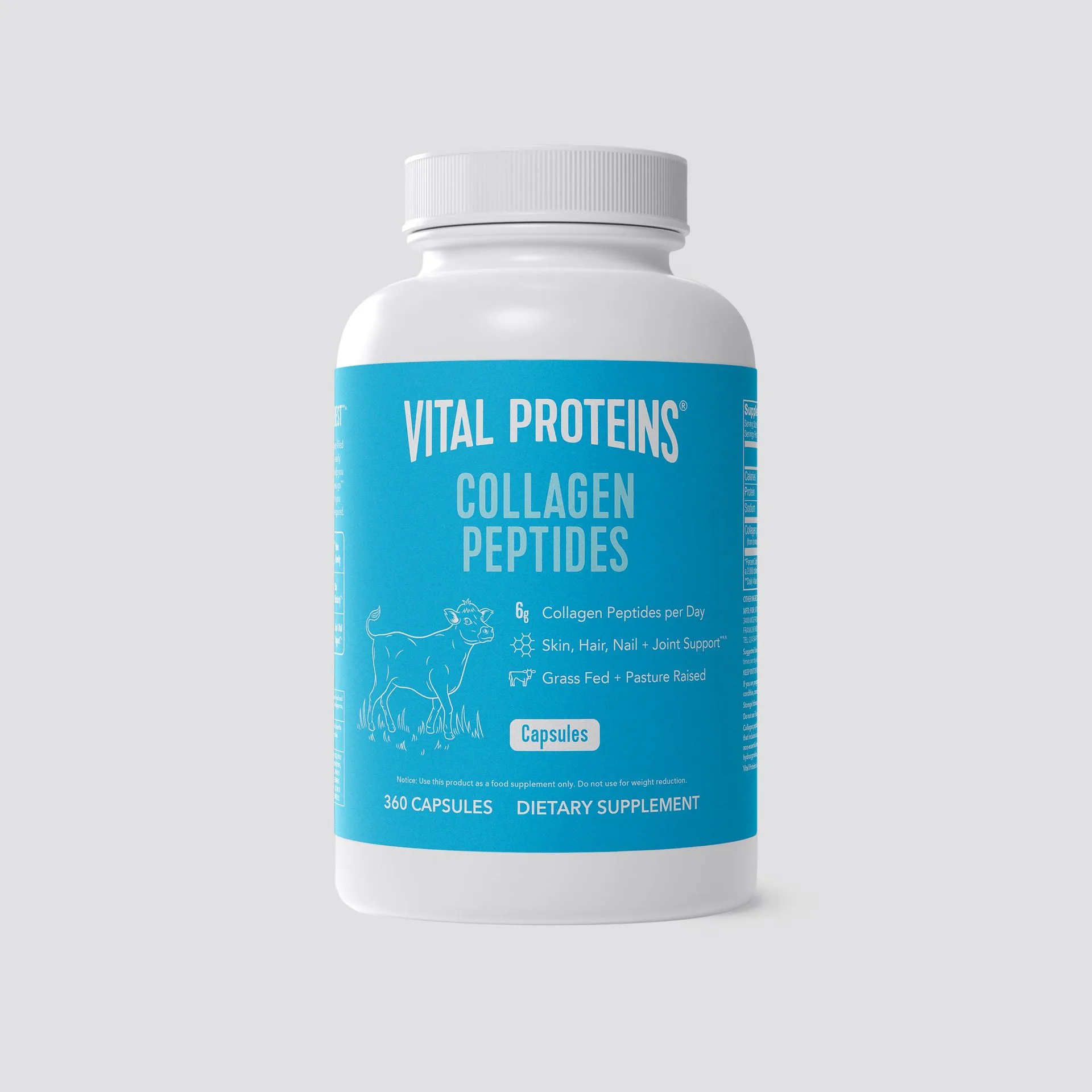
Collagen Peptides - Capsules
Trade-offs at a glance
- Solubility: Collagen peptides dissolve in cold and hot liquids. Gelatin needs heat and thickens when cooled. Choose peptides for no-cook drinks; choose gelatin for set desserts.
- Cooking uses: Gelatin creates structure in gummies, puddings, and terrines. Collagen peptides add protein without changing texture. Keep both if you cook and supplement.
- Supplement convenience: Powders (collagen peptides) mix into any drink. Capsules offer a quick, no-prep option but have a smaller serving size. Use capsules for portability; use powder for versatility.
Product facts
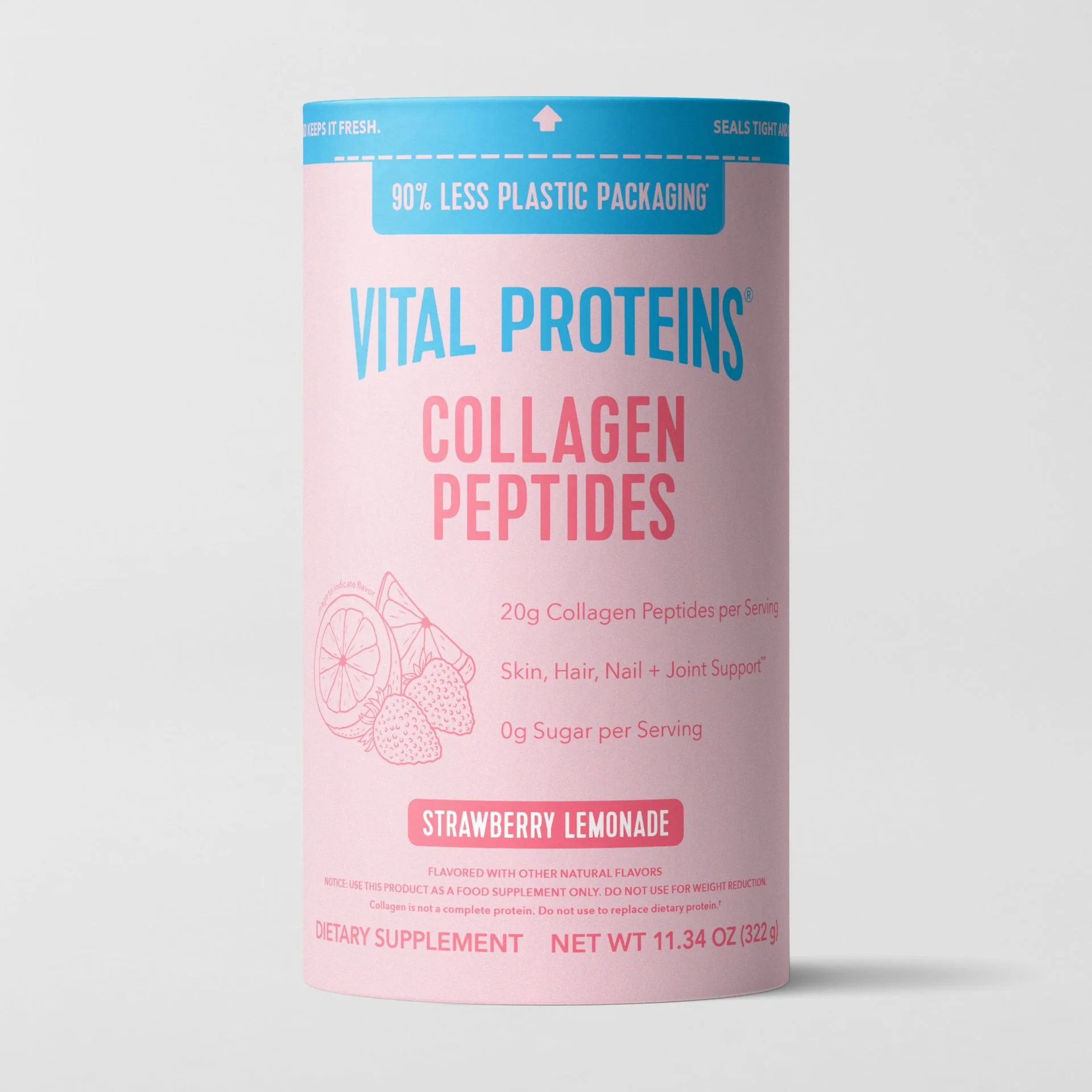
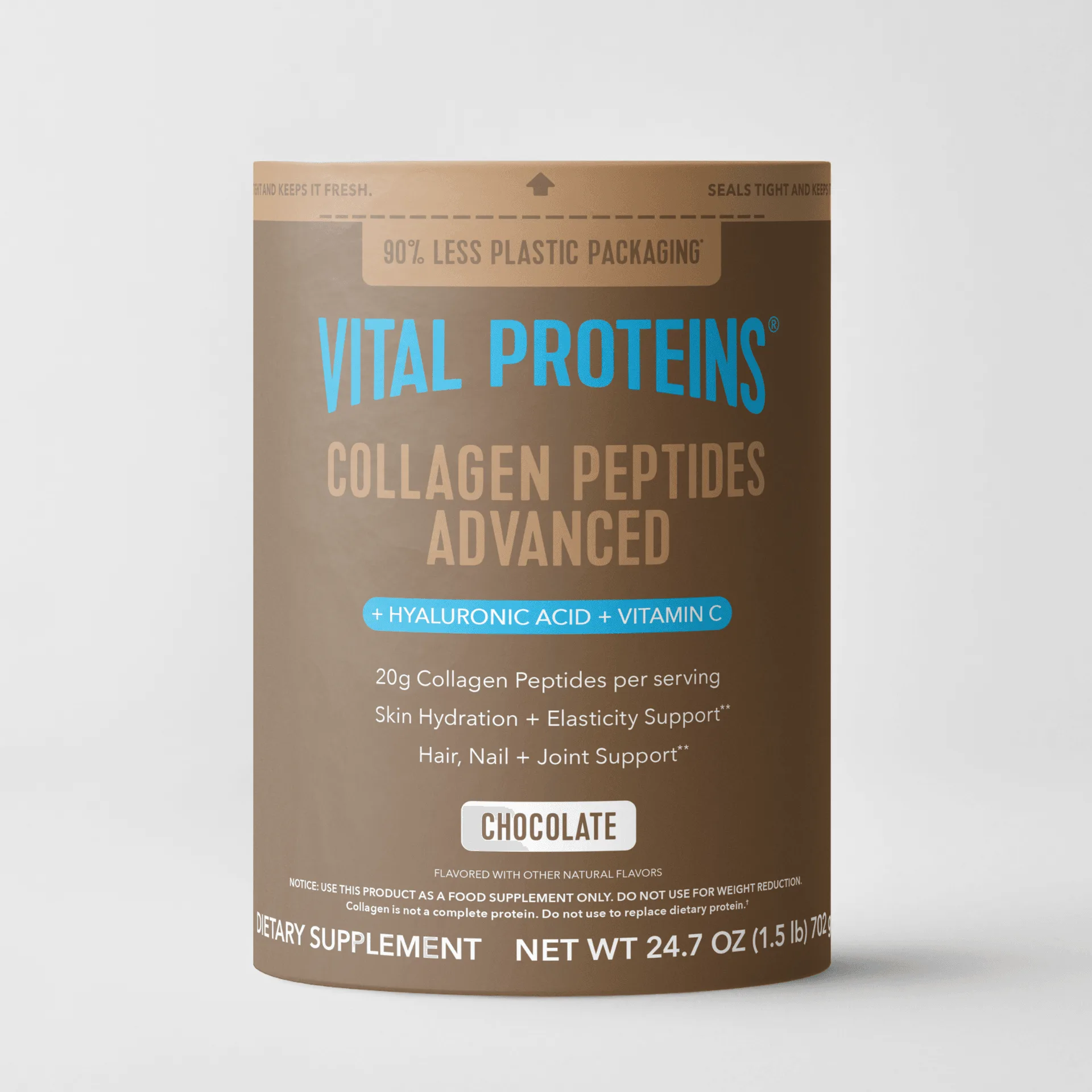
- Collagen Peptides Advanced - with Hyaluronic Acid & Vitamin C: Collagen Peptides Advanced - with Hyaluronic Acid & Vitamin C supports healthy hair, nails, skin, bones and joints.** It also contains hyaluronic acid and vitamin C. This powder dissolves in both hot and cold liquids without gelling, so you can add it to coffee, smoothies, or even cold water for a daily collagen boost.
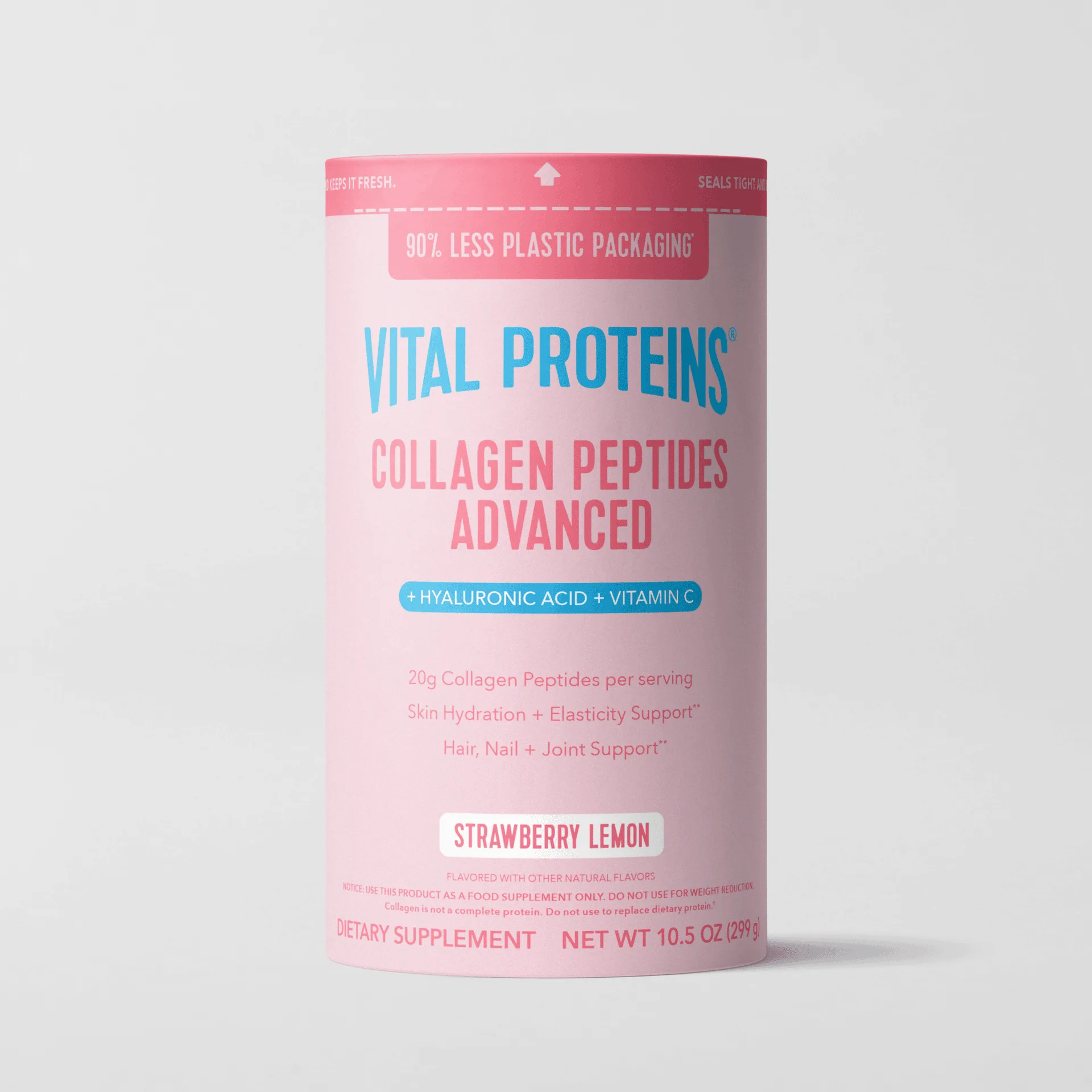
- Strawberry Lemon Collagen Peptides Advanced - with Hyaluronic Acid & Vitamin C: Strawberry Lemon Collagen Peptides Advanced - with Hyaluronic Acid & Vitamin C is a flavored collagen powder that provides the same benefits in a fresh strawberry lemon taste. If you prefer a flavored option that mixes easily into water or seltzer, this gives you the same collagen peptides plus a pleasant taste without any gelling.
Which should you choose?
Best for
- Daily collagen supplementation in coffee, smoothies, or cold water
- No-cook recipes where you want added protein without texture change
Not for
- Recipes that require a firm gel or set texture (choose gelatin instead)