Walk down the supplement aisle and you’ll see two giants staring back at you: collagen and vegan protein. Both promise to support your body, but they work in very different ways. Collagen is the structural protein that keeps skin firm and joints cushioned, while vegan protein—usually from peas, rice, or hemp—is a complete protein source that helps build and repair muscle. Choosing between them isn’t about which is “better” overall; it’s about which aligns with your specific goals, diet, and lifestyle. In this guide, we’ll break down the key differences so you can make an informed decision.
Whether you’re a gym-goer focused on recovery, someone chasing that glow, or simply curious about how to optimize your nutrition, understanding the distinct roles of collagen and vegan protein is the first step. We’ll compare their benefits, limitations, and how they fit into a women’s wellness routine. By the end, you’ll know exactly which one—or which combination—deserves a spot in your daily regimen.
What Is Collagen and What Does It Do?
Collagen is the most abundant protein in your body, acting as the glue that holds skin, bones, muscles, and tendons together. As we age, our natural collagen production slows down—starting as early as our mid-20s—which can lead to fine lines, sagging skin, and joint discomfort. Supplementing with collagen peptides provides the building blocks your body needs to maintain elasticity and support connective tissue.
Collagen is unique because it contains high amounts of the amino acids glycine, proline, and hydroxyproline, which are less abundant in other protein sources. These amino acids are specifically used by your body to produce new collagen. That’s why collagen is often praised for its beauty and joint benefits, even though it’s not a complete protein—it lacks tryptophan, one of the essential amino acids. For skin and joint support, collagen is a targeted choice.
- Supports skin elasticity and hydration
- Promotes joint health and mobility
- May improve hair and nail strength
What Is Vegan Protein and How Does It Differ?
Vegan protein powders are typically made from plant sources like peas, brown rice, soy, or hemp. These proteins are often blended to create a complete amino acid profile, meaning they provide all nine essential amino acids your body cannot produce on its own. This makes vegan protein an excellent choice for muscle building, recovery, and overall daily protein intake—especially for those following a plant-based diet.
Unlike collagen, vegan protein is rich in branched-chain amino acids (BCAAs) like leucine, which directly stimulate muscle protein synthesis. If your goal is to build lean muscle, improve athletic performance, or simply hit your daily protein targets, vegan protein is a more effective all-around protein source. It also tends to be higher in fiber and contains beneficial plant compounds, making it a great addition to a balanced diet.
- Complete amino acid profile for muscle support
- High in BCAAs to stimulate muscle growth
- Suitable for vegans and those with dairy allergies
Collagen vs. Vegan Protein: Key Differences at a Glance
To make the right choice, it helps to see the differences side by side. Collagen focuses on structural support, while vegan protein covers your general protein needs. Here’s a quick breakdown:
- Amino acid profile: Collagen is incomplete (lacks tryptophan); vegan protein is complete when blended.
- Primary benefits: Collagen for skin, joints, and hair; vegan protein for muscle recovery and satiety.
- Digestibility: Both are easy to digest, but some people find collagen gentler on the stomach.
- Dietary compatibility: Collagen is animal-derived (usually bovine or marine); vegan protein is plant-based.
- Best time to take: Collagen anytime for beauty; vegan protein post-workout for recovery.
Which One Is Better for Skin and Beauty Goals?
When your primary goal is glowing skin, collagen takes the lead. Studies suggest that collagen peptides can improve skin elasticity, hydration, and reduce the appearance of wrinkles. The specific amino acids in collagen—especially glycine and proline—are direct precursors to the collagen your skin needs. While vegan protein provides general nutrition, it doesn’t offer the same targeted benefits for skin structure.
If you’re plant-based but still want skin support, look for vegan-friendly alternatives like silica, vitamin C, or products that combine plant collagen boosters. However, for most women, a dedicated collagen supplement like our Multivitamins with Collagen can be a game-changer. It combines essential vitamins with collagen to support both beauty and overall health.
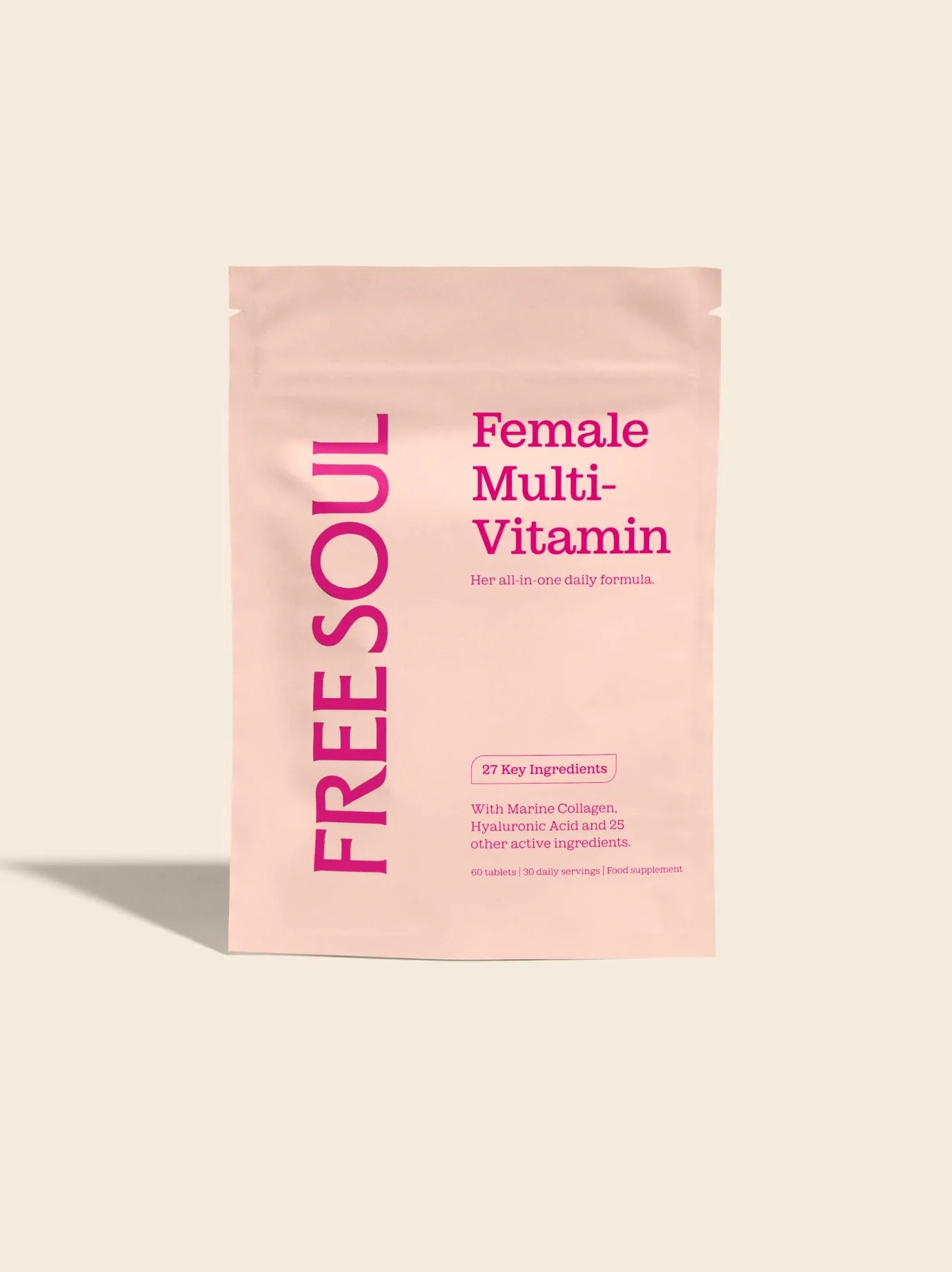
Multivitamins with Collagen
- Collagen peptides are proven to boost skin hydration and elasticity.
- Vegan protein focuses on muscle, not skin-specific amino acids.
- Pair collagen with vitamin C for enhanced absorption.
Which One Is Better for Muscle Building and Recovery?
For muscle growth and recovery, vegan protein is the clear winner. Its complete amino acid profile and high leucine content trigger muscle protein synthesis more effectively than collagen. If you’re lifting weights, running, or doing any form of strength training, a vegan protein shake post-workout can help repair muscle fibers and reduce soreness.
Collagen does play a role in recovery by supporting tendons and ligaments, but it shouldn’t be your primary post-workout protein. Instead, consider a hybrid approach: use vegan protein for your daily protein needs and collagen for joint and skin support. Our Clear Whey Protein Powder with Marine Collagen offers a unique blend that combines whey (a complete protein) with marine collagen, giving you the best of both worlds—though it’s not vegan, it’s a great option for those who consume dairy.
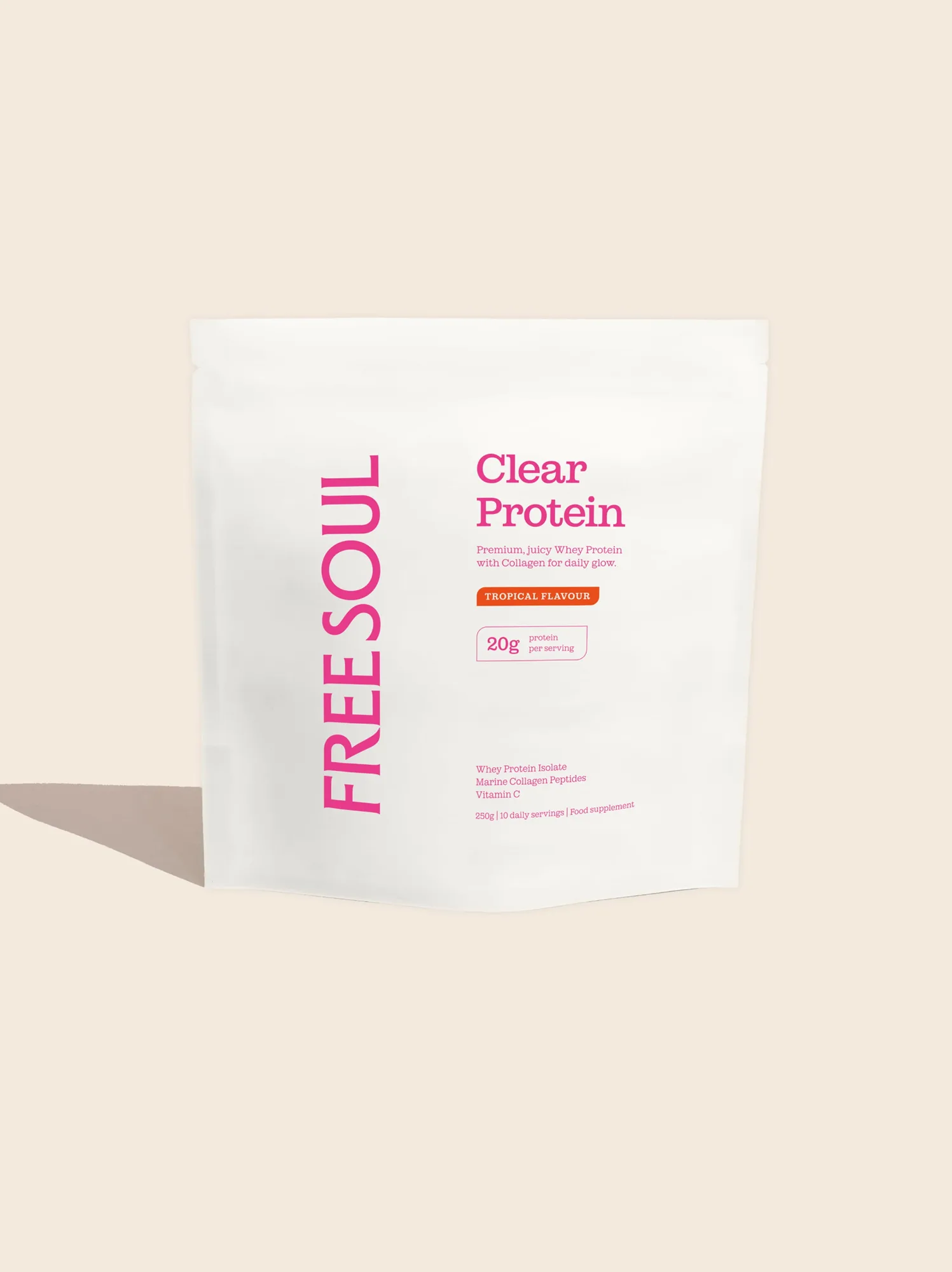
Clear Whey Protein Powder with Marine Collagen
- Vegan protein provides BCAAs essential for muscle repair.
- Collagen supports connective tissue but not muscle synthesis.
- Consider a blend like whey with collagen for dual benefits.
Can You Take Both Collagen and Vegan Protein Together?
Absolutely! In fact, combining both can be a smart strategy. Vegan protein covers your complete protein needs, while collagen provides targeted support for skin and joints. You can take them at different times of the day—for example, vegan protein after a workout and collagen in the morning or before bed. This way, you’re not sacrificing one benefit for another.
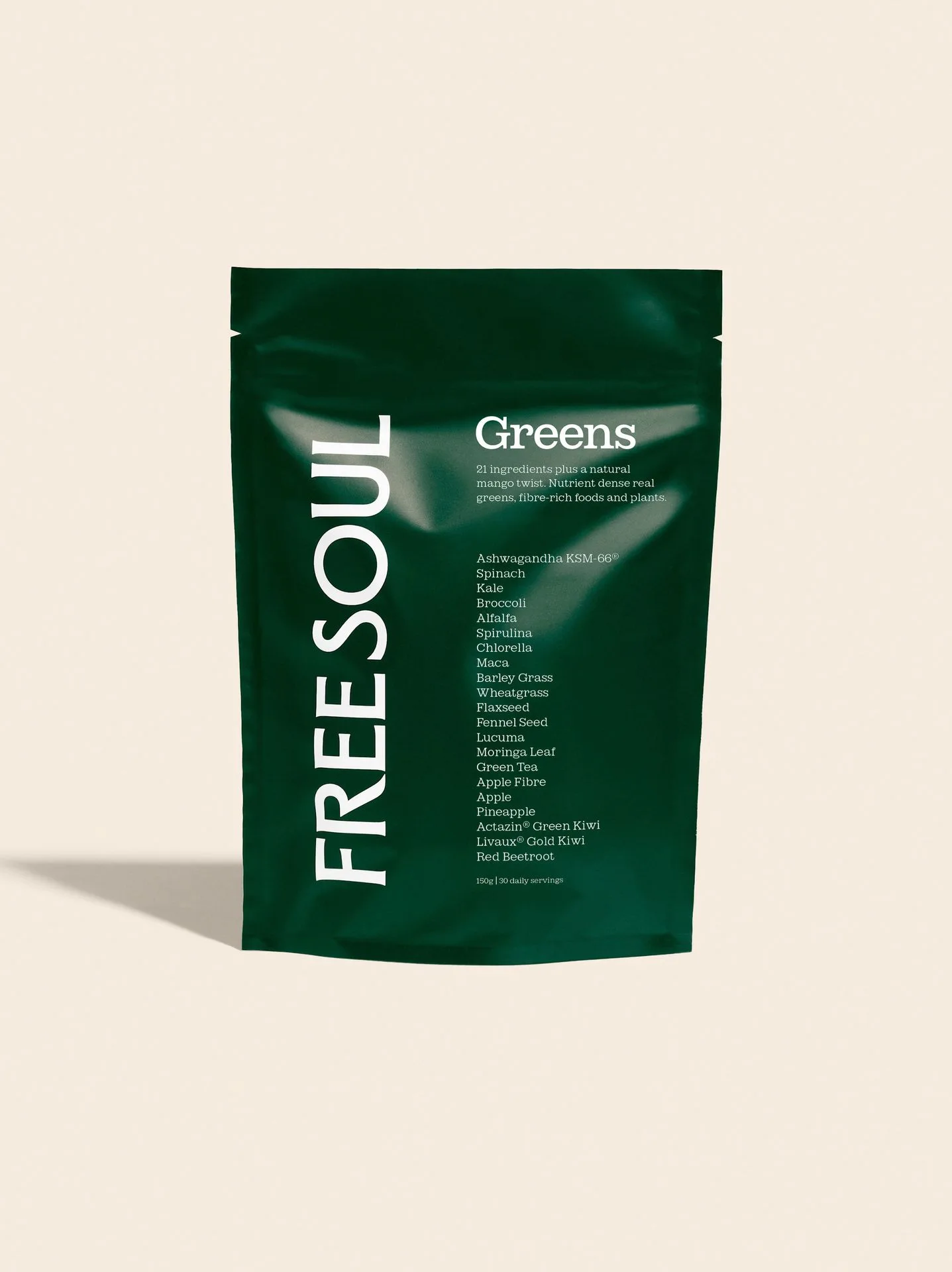
If you prefer a simpler routine, look for products that already combine these benefits. For instance, Free Soul Greens Powder includes a blend of greens and collagen, offering a daily dose of nutrients plus beauty support. Or you could add collagen to your coffee or smoothie alongside your favorite vegan protein. The key is to listen to your body and adjust based on your goals.
- Take vegan protein post-workout and collagen at another time.
- Use a combined product like Free Soul Greens Powder for convenience.
- Stay within your daily protein and calorie targets.
How to Choose Based on Your Diet and Lifestyle
Your dietary preferences play a huge role in this decision. If you’re vegan or vegetarian, vegan protein is a non-negotiable. Collagen is animal-derived, so you’d need to skip it or seek vegan alternatives. On the other hand, if you’re not strictly plant-based, you have more flexibility. Consider your goals: if skin and joints are your top priority, collagen is worth the investment; if you’re focused on fitness and muscle tone, vegan protein should be your staple.
Also think about convenience and taste. Vegan protein powders come in many flavors and mix well with water or milk. Collagen is often flavorless and dissolves easily in hot or cold liquids. Some women find it easier to stick with a routine when they enjoy the product. Our Free Soul Mini Whisk is a handy tool for blending both powders without clumps, making your daily shake prep effortless.
- Vegans should choose vegan protein and skip collagen.
- Non-vegans can use both for comprehensive benefits.
- Use a mini whisk or shaker for smooth mixing.
Ultimately, there’s no one-size-fits-all answer. Collagen excels at beauty and joint support, while vegan protein is superior for muscle building and overall protein intake. Many women find that using both—or a combination product—gives them the best results. Assess your priorities, dietary restrictions, and fitness routine to make the right choice. If you’re ready to elevate your wellness routine, explore our range of high-quality supplements and find the perfect match for your goals.