Walking into the world of collectible figures can feel like stepping into a museum where every exhibit has a different measurement system. From tiny chibi figures that fit in the palm of your hand to towering 1/7 scale statues that demand their own shelf, understanding figure sizes is essential for building a cohesive display and avoiding buyer's remorse.
Whether you're a seasoned collector or just starting out, this guide will help you decode the numbers, compare scales, and choose the right size for your space and budget. We'll also look at how jumbo ice cream figures fit into the picture, so you can make informed decisions no matter what style you collect.
What Do Figure Scales Mean?
Figure scales are ratios that compare the size of the figure to the character's hypothetical real-world height. A 1/7 scale figure means the figure is 1/7th the size of the character. For example, if a character is 160 cm tall, a 1/7 scale figure would be about 22.8 cm tall. The smaller the second number, the larger the figure. So 1/4 is huge, while 1/12 is quite small.
Most anime and game figures fall into the 1/7 to 1/8 range, but you'll also see 1/10, 1/6, and even non-scale chibi figures. Knowing the scale helps you plan your display space, match figures from the same series, and compare prices across different brands.
- 1/1 is life-size (rare for collectibles).
- 1/4, 1/6, 1/7, 1/8, 1/10, and 1/12 are common in anime figures.
- Non-scale figures (like chibi) are often measured by height in inches or cm.
Chibi Figures: Small Size, Big Personality
Chibi figures are intentionally cute, with oversized heads and small bodies. They are usually non-scale, standing between 5 cm and 12 cm tall. Brands like Nendoroid, Pop Up Parade, and Funko Pop specialize in this style. Chibi figures are perfect for collectors who want to display multiple characters without taking up a lot of shelf space.
One popular example is the Yumemirize - Fern (In Those Days) - Frieren: Beyond Journey's End figure, which captures the character's charm in a compact, affordable form. Chibi figures are also great for desk decorations or as gifts for new collectors. They often come with interchangeable parts or accessories, adding play value without the hefty price tag of larger scales.
- Typical height: 5–12 cm.
- Often non-scale or labeled as 'chibi style'.
- Best for: budget-friendly collecting, small displays, and character variety.
1/10 Scale: The Sweet Spot for Detail and Space
1/10 scale figures are roughly 15–18 cm tall, depending on the character. They offer a good balance between detail and footprint, making them popular for series with large casts. You can fit several 1/10 figures on a standard shelf without overcrowding, and they still show enough sculpting and paint work to be visually satisfying.
For collectors who appreciate mechanical subjects, the Frame Arms #028 Vulture:RE 1/100 is a great example of a larger scale mecha kit that sits in a similar size range. While 1/100 is a different scale system used for mecha, it produces a figure around 18–20 cm tall. This size is ideal for action poses and detailed panel lining work.
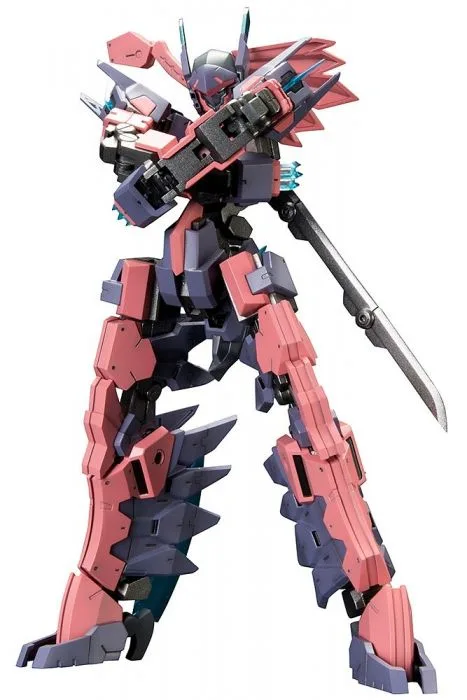
Frame Arms #028 Vulture:RE 1/100
- Typical height: 15–18 cm.
- Good for: series with many characters, mecha kits, and collectors with moderate space.
- Price range: generally more affordable than 1/7 but more detailed than chibi.
1/7 Scale: The Display Centerpiece
1/7 scale figures are the most common size for premium anime figures. They stand around 22–25 cm tall and offer exceptional detail, dynamic poses, and often elaborate bases. This scale is the go-to for collectors who want a single figure to anchor a shelf or detolf case. Brands like Kotobukiya, Good Smile Company, and Alter produce many 1/7 scale figures.
Because of their size, 1/7 figures require more careful planning. They may not fit in standard cube shelves, and you'll need to consider the base width as well. If you're new to this scale, start with a character you love and make sure you have at least 25 cm of vertical clearance and 15 cm of depth.
- Typical height: 22–25 cm.
- Best for: centerpiece displays, high-detail sculpts, and characters with elaborate outfits.
- Tip: measure your shelf height before buying, especially if the figure has a dynamic pose or large base.
Jumbo Ice Cream Figures and Oversized Collectibles
Jumbo ice cream figures are a fun, oversized category that doesn't follow standard scale rules. They are often designed to look like giant ice cream treats or food-themed characters, standing anywhere from 15 cm to over 30 cm tall. These are statement pieces that add whimsy to any collection.
When adding a jumbo ice cream figure to your display, consider its visual weight. Because they are often brightly colored and uniquely shaped, they can clash with more realistic or muted figures. It's best to group them with other food-themed or pop-art collectibles. Also, check the base size—some jumbo figures have wide bases that require extra shelf space.
- Height: varies widely, often 15–30+ cm.
- Style: playful, food-themed, often non-scale.
- Display tip: group with other novelty figures or use as a standalone centerpiece.
How to Choose the Right Scale for Your Collection
Start by measuring your available display space. A single 1/7 figure might look lost on a large shelf, while a cluster of chibi figures can fill the same area with personality. Think about your budget: chibi and 1/10 figures are generally more affordable, while 1/7 and larger scales command higher prices due to material and detail.
Also consider the series you collect. Some franchises have figures in multiple scales, so you can mix and match. For example, you might display a 1/7 scale centerpiece with a few chibi figures from the same series on a lower shelf. Consistency in scale creates a polished look, but variety can be just as charming if done intentionally.
- Measure your shelf height and depth before buying.
- Decide on a budget per figure—larger scales cost more.
- Mix scales for visual interest, but keep a theme (e.g., all chibi or all 1/7).
Common Mistakes to Avoid When Buying Figures by Size
One of the biggest mistakes is assuming all figures of the same scale are the same height. Character height varies, so a 1/7 scale figure of a tall character can be significantly larger than a 1/7 scale of a short one. Always check the actual product dimensions listed on the store page.
Another pitfall is ignoring the base. Some figures come with large, decorative bases that add several centimeters to the footprint. If you're tight on space, look for figures with simple, compact bases. Finally, don't forget about shipping and packaging—larger figures require bigger boxes, which can increase shipping costs.
- Always check the listed height, not just the scale ratio.
- Factor in base size when measuring your display area.
- Larger figures may cost more to ship—plan accordingly.
Understanding figure sizes is the first step to building a collection you'll love. Whether you're drawn to the compact cuteness of chibi, the balanced detail of 1/10, or the commanding presence of 1/7, there's a perfect scale for every collector. Start with a figure that fits your space and budget, and don't be afraid to mix scales for a dynamic display. Explore our selection of collectible figures to find your next favorite piece.