Quick answer
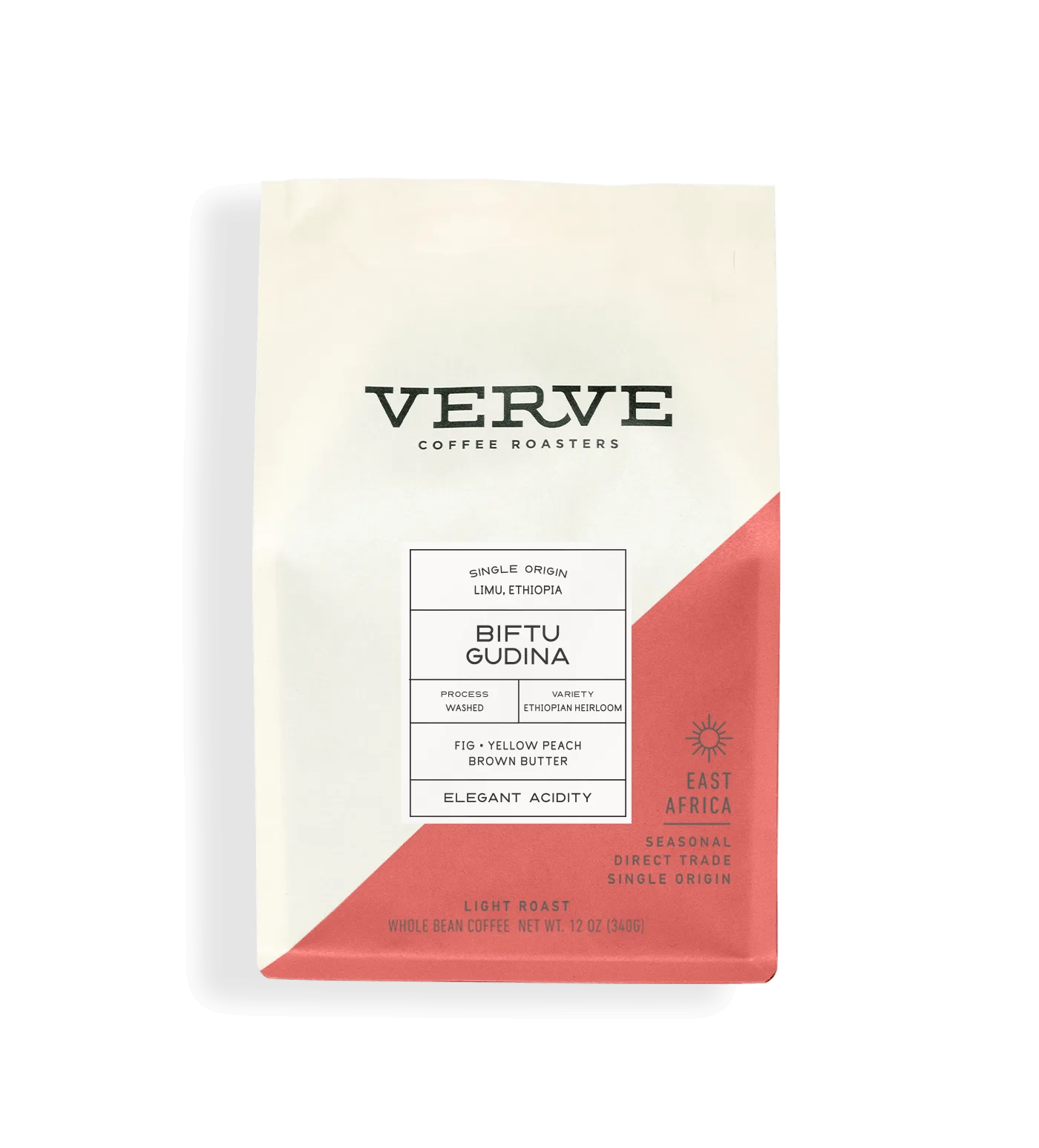
Choose Ethiopia Duromina (the closest match to Biftu Gudina) for a bright, delicate, floral washed cup. Choose Costa Rica Macho or Honduras Leonicio Castellon (the closest matches to Colombia Saldaña Highlands) for sweetness, structure, and a rounder body. If you want both, start with the Ethiopian for pour over and the Colombian-style for espresso or milk drinks.
Colombia Saldaña Highlands and Ethiopia Biftu Gudina are two single origins that get compared often, but they rarely appear side by side in the same catalog. That matters because you can't buy both from one roaster in most cases, and the flavor gap between them is wider than the gap between two Colombians or two Ethiopians.
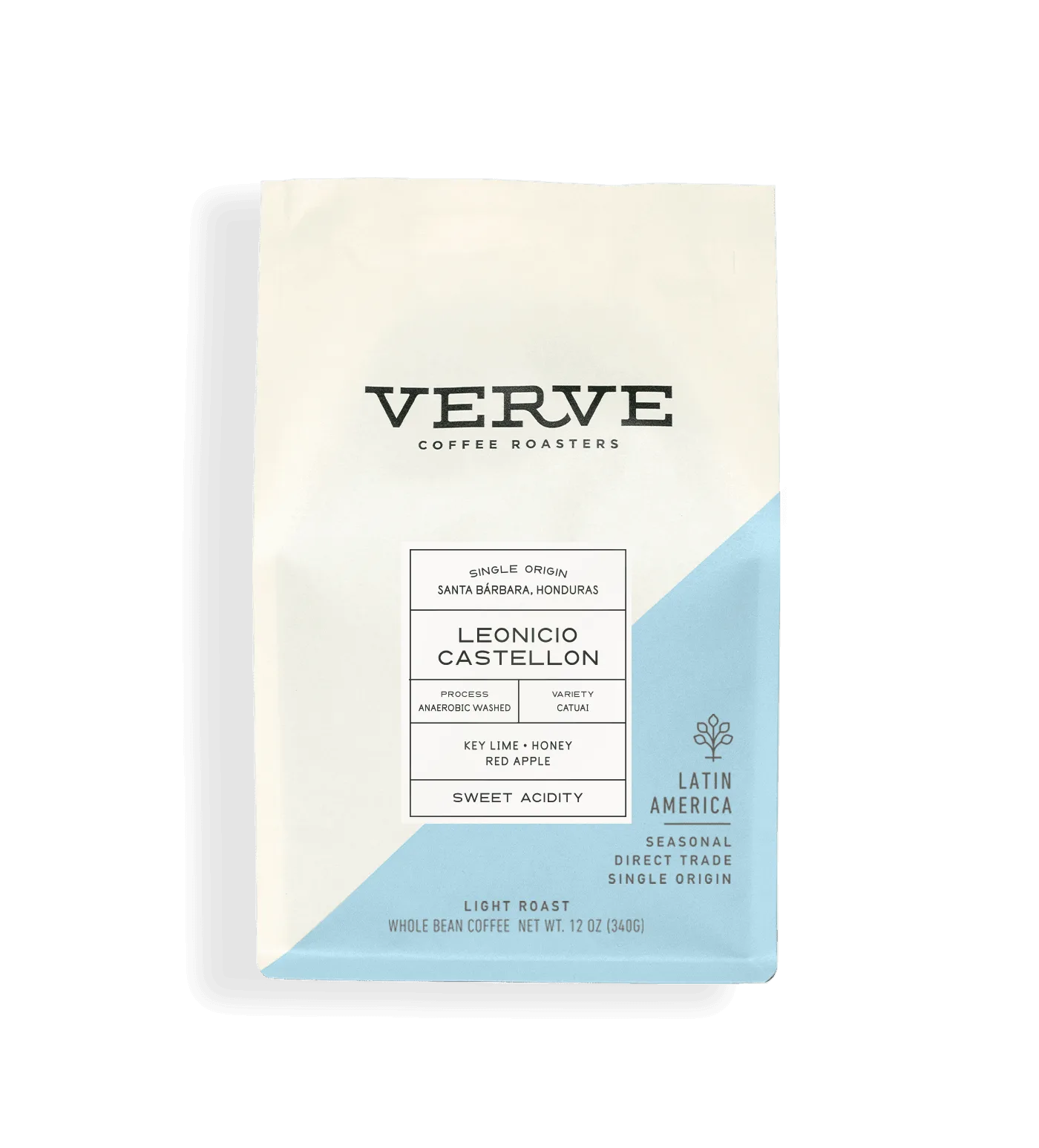
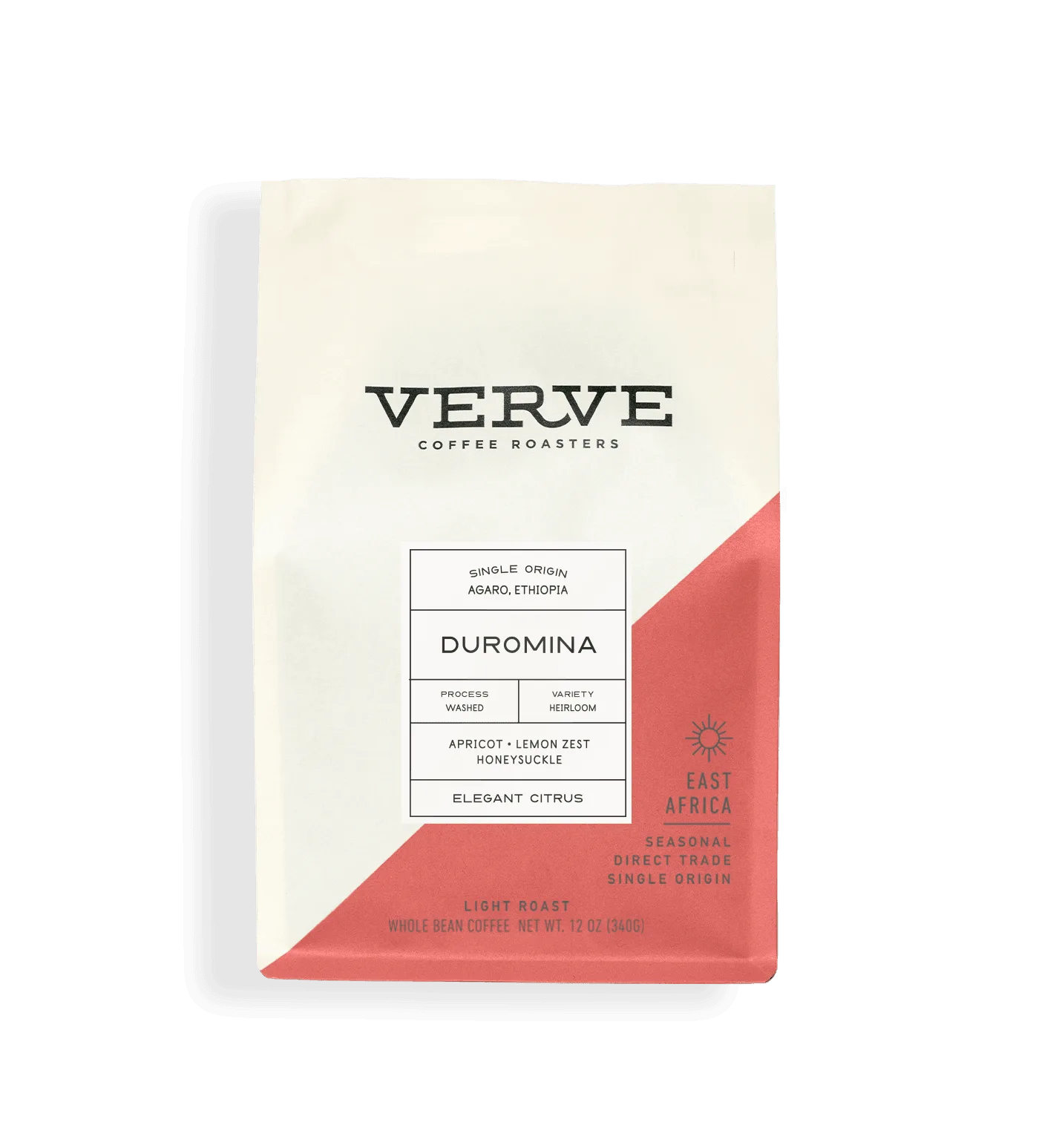
This comparison uses the closest available matches from Verve Coffee Roasters: Ethiopia Duromina for the Biftu Gudina profile, and Costa Rica Macho plus Honduras Leonicio Castellon for the Saldaña Highlands profile. The goal is to help you pick the right bag for your brewer, your taste, and your morning routine.
What each origin brings to the cup
Ethiopia Duromina is grown between 1,900 and 2,100 meters in Oromia and washed to preserve fruit character and floral aromatics. That combination tends to produce a bright, delicate cup where acidity leads and sweetness follows. If you like tea-like clarity in a pour over, this is the profile to chase.
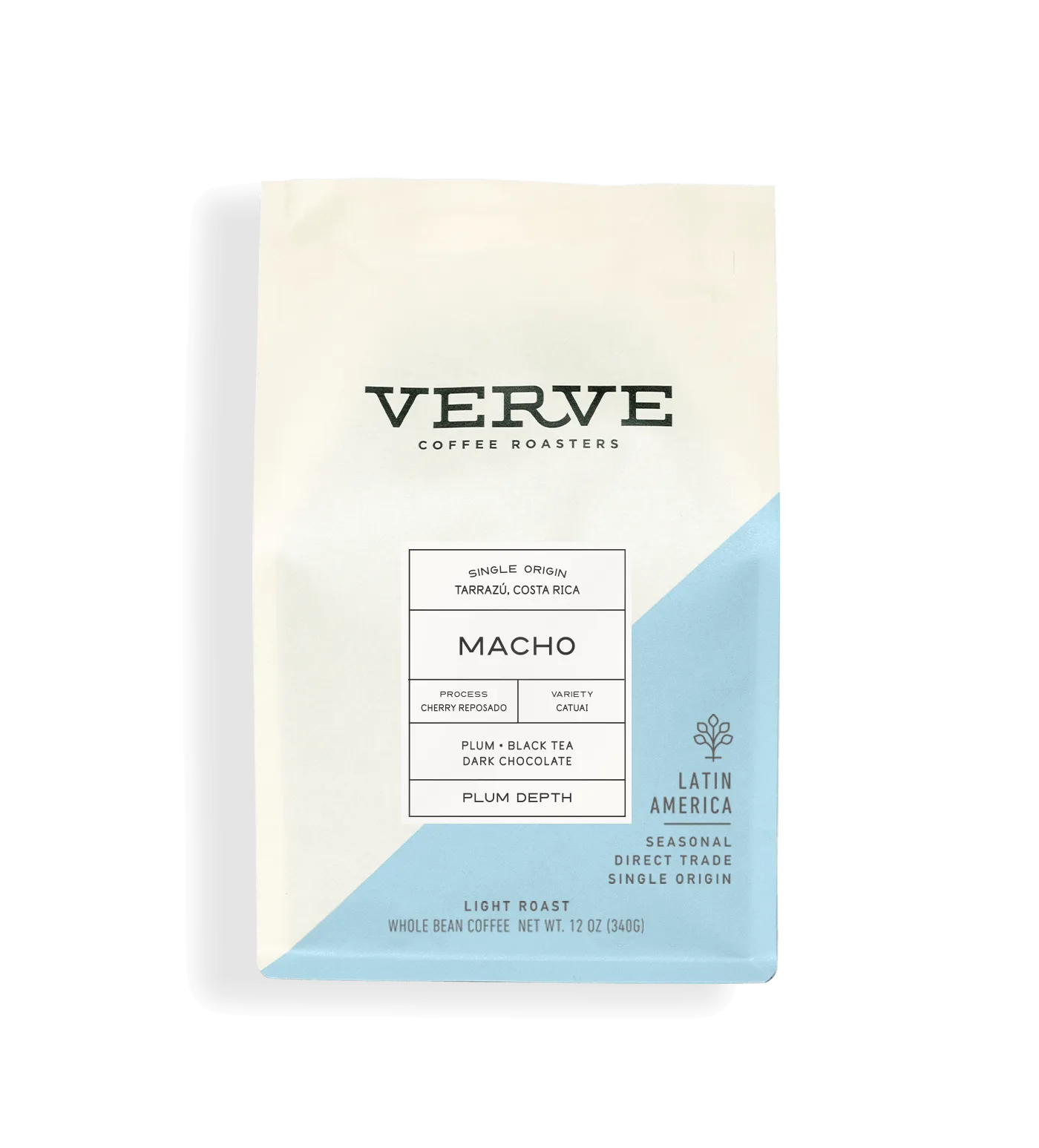
Costa Rica Macho is grown at 1,900 meters in Santa Rosa de León Cortés and processed as cherry reposado Catuai. That method highlights sweetness and texture while keeping structure, so the cup feels rounder and more balanced. Honduras Leonicio Castellon, an anaerobically processed Catuai from Santa Bárbara, pushes further with lively acidity, lasting sweetness, and a structured finish.
- Washed Ethiopian coffees like Duromina reward a finer grind and slower pour.
- Cherry reposado and anaerobic coffees like Macho and Leonicio Castellon hold up better to milk and sugar.
Processing and what it changes
Processing is the biggest practical difference between these two styles. Duromina is washed, which means the fruit is removed before drying. That keeps the cup clean and lets floral notes stay defined. If you have ever tasted a washed Ethiopian and thought it was too subtle, the issue is usually brewing, not the coffee.
Macho uses cherry reposado processing, where the coffee dries with the cherry still present for part of the process. Leonicio Castellon uses anaerobic fermentation, which builds complexity and sweetness. Both approaches add body and sweetness compared with a washed coffee, but they also mute some of the delicate top notes you get from Duromina.
- Washed coffees are more forgiving of inconsistent water temperature.
- Anaerobic and cherry reposado coffees can taste muddled if you brew them too strong.
Brewing methods that favor each coffee
For Ethiopia Duromina, a pour over with a paper filter is the safest bet. The Kalita Coffee Filters #185 are designed for the Kalita Wave and keep the filter slightly suspended so water contacts the coffee evenly rather than running down the outer wall. Pre-soaking the filter keeps it on the wall and reduces paper taste.
For Costa Rica Macho and Honduras Leonicio Castellon, you have more flexibility. Their sweetness and structure make them work in espresso, moka pot, and French press. If you brew espresso, expect the Ethiopian to taste sharp and tea-like, while the Colombian-style coffees will taste sweeter and rounder.
- Use a 1:16 ratio for Duromina and a 1:15 ratio for Macho or Leonicio Castellon.
- If your espresso tastes sour with Duromina, grind finer or extend the shot time.
Roast level and freshness
All three coffees are roasted to order and ship within 2 business days. That matters because washed Ethiopians lose their floral top notes faster than darker or more processed coffees. If you buy Duromina, plan to brew it within three to four weeks of the roast date for the clearest cup.
Macho and Leonicio Castellon are more forgiving of a week or two of extra rest. Their sweetness and body hold up longer, which makes them a better choice if you drink one bag slowly or alternate between several coffees.
- Write the roast date on the bag when it arrives.
- Store beans in an airtight container away from light and heat.
Trade-offs to weigh before you buy
- Flavor clarity vs body: Ethiopia Duromina gives you clarity and floral lift but less body. Costa Rica Macho and Honduras Leonicio Castellon give you sweetness and body but less delicate top-end. Pick Duromina if you drink black pour over. Pick Macho or Leonicio Castellon if you add milk or brew espresso.
- Freshness window vs flexibility: Duromina is best within three to four weeks of roast. Macho and Leonicio Castellon hold up longer and are easier to keep on hand. Buy Duromina in smaller bags if you brew slowly.
- Brewer compatibility: Duromina rewards a Kalita Wave or similar flat-bed pour over. Macho and Leonicio Castellon work across espresso, French press, and moka pot. Match the coffee to the brewer you already own before buying a new one.
Product facts that matter
- Ethiopia Duromina: Grown between 1,900 and 2,100 meters in Ethiopia's Oromia region, washed processing preserves fruit character and floral aromatics. The high elevation and washed process create a bright, delicate cup that suits pour over and filter brewing.
- Costa Rica Macho: Grown at 1,900 meters in Santa Rosa de León Cortés, cherry reposado processed Catuai highlights sweetness and texture while preserving structure. This is the closer match to a Colombia Saldaña Highlands profile: rounder body, balanced sweetness, and more forgiving in espresso.
- Honduras Leonicio Castellon: Anaerobically processed Catuai from Santa Bárbara with lively acidity, lasting sweetness, and a structured finish. A good alternative if you want more complexity and acidity than Macho while keeping a fuller body than Duromina.
- Kalita Coffee Filters #185: Designed for the Kalita Wave brewer, the filter stays slightly suspended to keep water contact away from the outer wall. A clean, even extraction helps washed Ethiopians like Duromina show their floral and fruit notes clearly.
Which single origin should you buy?
Best for
- Pour over drinkers who want a bright, floral, tea-like cup
- Anyone exploring washed Ethiopian coffee for the first time
- Brewers who already own a Kalita Wave or similar flat-bed dripper
Not for
- Espresso drinkers who want a sweet, round, chocolatey shot
- People who add milk or sugar and want the coffee to cut through
- Slow coffee drinkers who take more than a month to finish a bag
There is no single winner here. Ethiopia Duromina is the pick for clarity and florals, while Costa Rica Macho and Honduras Leonicio Castellon deliver the sweetness and body that make Colombian-style coffees so easy to live with. Buy the one that matches your brewer and how you actually drink your coffee.