Quick answer
Color block handler training pants combine weather-resistant fabric with functional pockets and reinforced seams. Choose a pair that fits your sport, climate, and body type, then break them in before competition.
Why color block design matters for dog trainers
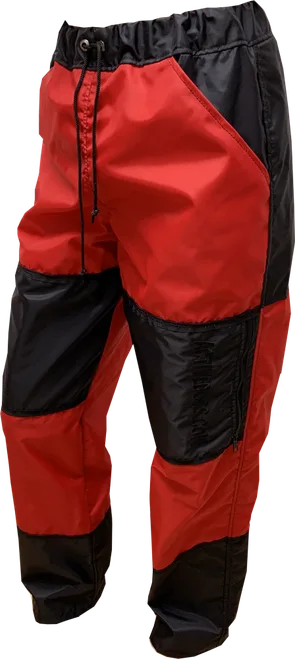
High-contrast color blocking on training pants isn't just for looks. It helps your dog track your body position during off-leash or distance work, especially in low-light conditions. The two-tone panels also make it easier for a trial judge or instructor to see your leg cues from across the field.
That said, some handlers prefer solid dark pants for scent work or police K9 patrols where stealth matters. If you train in both settings, consider having a color block pair for competition and a solid pair for low-visibility exercises.
Fabric and weather trade-offs
Wind- and water-resistant nylon, like the material used in the ActiveDogs Color Block Handler Training Pants, sheds light rain and blocks wind during early-morning or late-evening sessions. This fabric also dries faster than cotton if you work through wet grass or drizzle.
The downside: nylon doesn't breathe as well as a cotton-poly blend. On hot, humid days you may feel less airflow. If you train primarily in summer heat, look for pants with mesh-lined pockets or a vented back waistband.
Pocket placement and gear access
Handler pants typically have pockets designed for treats, clickers, leashes, and small training aids. The Color Block Handler Training Pants include multiple pockets, but the exact layout varies by size and color option. Before you buy, check whether the pockets sit high enough to clear a training vest or apron.
A common mistake: loading every pocket with gear, which pulls the pants down and restricts movement. Carry only what you need for that session and use a waist belt or training apron for heavier items.
How to choose and break in color block handler pants
- 1. Match the fit to your sport: Try pants on with the same base layer you wear during training. For IGP or Schutzhund, you need full range of motion for running, lunging, and crouching. For obedience or scent work, a trimmer fit works. Check the rise: pants that sit too low will gap when you bend. If the pants restrict a deep squat or lunge, size up or choose a different cut.
- 2. Verify pocket usability: Load your typical gear (treats, clicker, leash, phone) into the pockets while standing, squatting, and walking. Pockets that are too shallow or too low will spill gear. Also confirm you can access each pocket with one hand while holding a leash. If a pocket is hard to reach, move that item to a training apron or vest.
- 3. Break in the fabric before competition: Wash and wear the pants for at least three full training sessions before a trial or test. Nylon can feel stiff when new. Machine wash cold, hang dry, and avoid fabric softener, which can reduce water resistance. New pants that haven't been broken in can restrict movement or chafe during a long trial day.
- 4. Adjust for weather layering: If you train in cold weather, size up to accommodate a thermal base layer under the pants. In hot weather, wear moisture-wicking shorts underneath to prevent chafing from the nylon fabric. One pair of pants can serve year-round if you layer properly, but extreme heat may still require a lighter alternative.
Product spotlight
-
Color Block Handler Dog Training Pants: Made in the USA from durable wind- and water-resistant nylon, designed for IGP, Schutzhund, IPO, obedience, scent work, police K9, SAR, and everyday dog training. You get a single pair of pants that works across multiple sports and weather conditions, reducing the need for separate gear.
Color Block Handler Dog Training Pants