Quick Answer
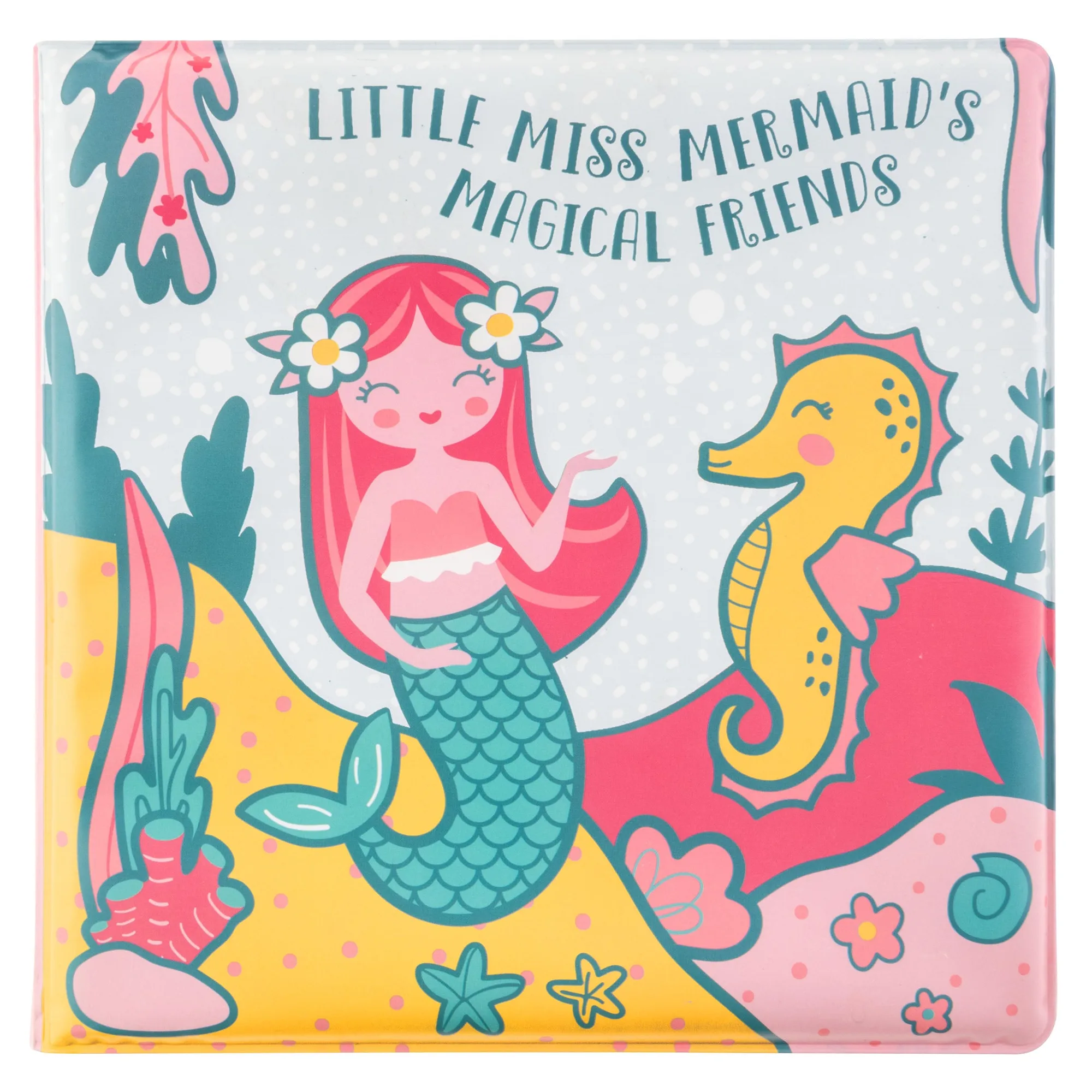
A color changing bath book is a soft, waterproof book with pages that fill with bright color when dipped in water. Buy one if your child needs a calm, screen-free reason to stay in the tub; choose a board book instead if your child is past the splash-and-soak stage or mostly reads outside the bath. For the tub, the Stephen Joseph Color Changing Bath Books are the straightforward pick: four floating pages that reveal color in water, in mermaid and shark styles.
How the Color Reveal Actually Works
Each page is printed so the artwork sits hidden until water hits it. Dip the book, and the page fills with bright color; the mermaids and sharks appear as the paper-soaked surface darkens. It is the same idea as a umbrellas-1-5b9f31bde9986d1c2ce1b87a-601005">color changing umbrella, just small enough for small hands.
That mechanic is the whole product. There is no battery, no app, and nothing to charge, so the book works in a bathtub, a sink, a kiddie pool, or a sprinkler. Because the effect depends on water contact, the book is only as entertaining as the water it meets. If your child prefers dry play, the reveal never happens and you have paid for a plain soft book.
soft book
What to Check Before You Buy
Look at three things: material, drying, and page count. The Color Changing Bath Books are made of PEVA, a soft plastic that stays flexible when wet and wipes down easily. Four pages is a short read, which suits a toddler attention span but not a child who wants a real story.
Drying matters more than most parents expect. A bath book that stays closed and damp is the classic setup for a musty smell, which is why mold free bath toys start with how you store them, not with a claim on the label. Open the book, stand it on edge, and let both sides air out after every bath. If your tub area has no air movement, hang it over the side of the tub or a towel bar instead of dropping it in a wet toy bin.
- PEVA construction: soft, flexible, and easy to wipe, but it still needs to dry open.
- Four pages: enough for a toddler, thin for a preschooler who wants a longer read.
- Roughly 7 x 7 inches: light enough for a toddler to hold and float on the water.
Bath Book Safety and Everyday Use
A bath book is not a flotation device and should never be treated as one. Stay within arm's reach the entire time, and treat the book as a toy you are supervising, not a distraction that buys you a break across the room.
Inspect the book periodically. If the PEVA tears, splits at the binding, or starts to smell even after drying, retire it. Water trapped inside a torn bath book will not dry out, and that is the one scenario where a bath book becomes a problem rather than a help.
When a Board Book Beats a Bath Book
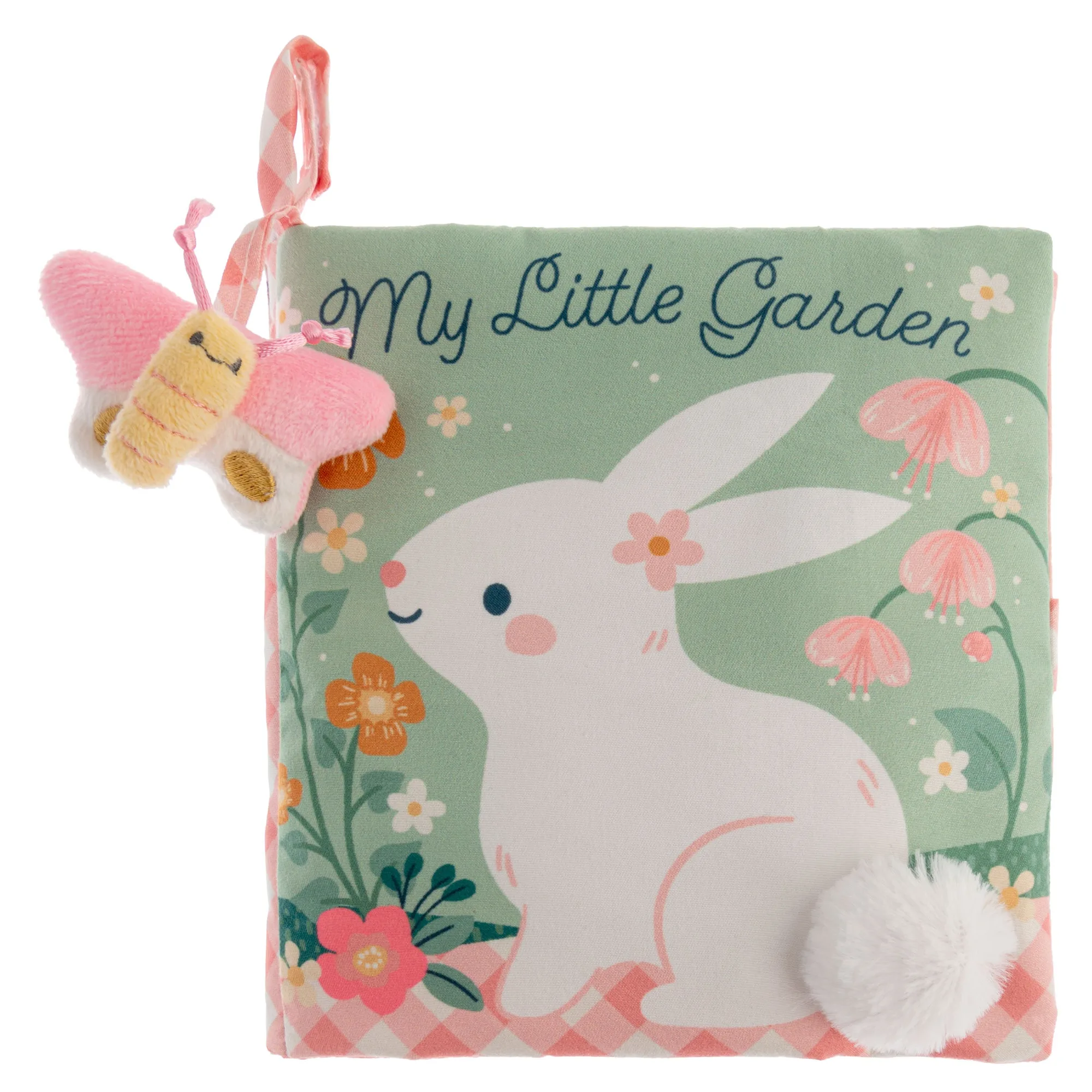
Bath books solve one problem: keeping a child happily occupied in water. If your child reads mostly on the couch, in the car, or at bedtime, a board book does more work for the same money. The Stephen Joseph Board Book uses 3D movable and textured pieces for a sensory read, and the styles coordinate with Stephen Joseph plush dolls, which extends the play well past the tub.
The trade-off is simple. A board book gives you a sturdier read with more pages and a longer shelf life, but it should not go in the water. A bath book gives you a waterproof read that floats and changes color, but it is a four-page experience with a shorter useful life. Many families end up owning one of each for exactly that reason.
Decision Rules: Which Book Fits Your Bath Routine
- Rule 1: Match the book to where your child actually reads: If most reading happens in the tub, sink, or pool, a waterproof bath book earns its place. If it happens on the couch or at bedtime, a board book will get used far more often. Pick the format for your real routine, not the routine you wish you had.
- Rule 2: Buy the bath book only if you will dry it open: The color reveal depends on water, and trapped water is what turns a bath book musty. If you will not open it and let it air out after each bath, choose a board book instead. Drying habits decide whether a bath book lasts a season or a few weeks.
- Rule 3: Age sets the page count you need: A four-page color reveal book suits a toddler's attention span. A preschooler who wants a longer story will get more mileage from a board book with more pages and movable pieces. Short and splashy for toddlers; longer and tactile for older kids.
- Rule 4: One of each beats two of the same: A bath book and a board book cover different moments in the day. Buying both usually costs less than replacing a waterlogged board book or a bath book your child outgrew. Split the formats by time of day, not by preference.
Product Facts
- Color Changing Bath Books: Floating PEVA bath book with 4 pages, about 7 x 7 inches, where each page fills with bright color when dipped in water; available in mermaid and shark styles. The floating design and short page count fit toddlers who need a quick, hands-on reason to stay in the tub, and the compact size is easy for small hands to hold.
- Board Book: Board book with 3D movable and textured pieces, designed to coordinate with Stephen Joseph Plush Dolls; available in multiple styles. This is the dry-land alternative: more durable and more tactile than a bath book, but it should stay out of the water.
Who Should Buy Which
Best for
- Toddlers who need a hands-on reason to stay in the tub
- Families who want screen-free bath time entertainment with no batteries
- Parents who will open the book and air it out after every bath
Not for
- Children who mostly read dry and want a longer story, who should choose a board book
- Families who toss wet toys into a closed bin, where any bath book will stay damp
- Anyone looking for a flotation device or a substitute for adult supervision