Quick Answer
Base curve is the inside curvature of the lens, measured in millimeters, and diameter is the total width of the lens. Your eye care provider chooses both to match your cornea and your visible iris size. If your current lenses feel tight, slide, or look too large, compare your prescription numbers before changing brands.
What Base Curve Actually Measures
Base curve (BC) describes how curved the back surface of the lens is. A smaller number means a steeper curve; a larger number means a flatter curve. Most soft contact lenses fall between 8.4 and 9.0 mm. A lens that is too steep can feel tight and reduce tear exchange, while one that is too flat may slide or rotate. Your prescription lists a single BC value, and that number is the one to match when you reorder.
Why Diameter Matters for Color Coverage
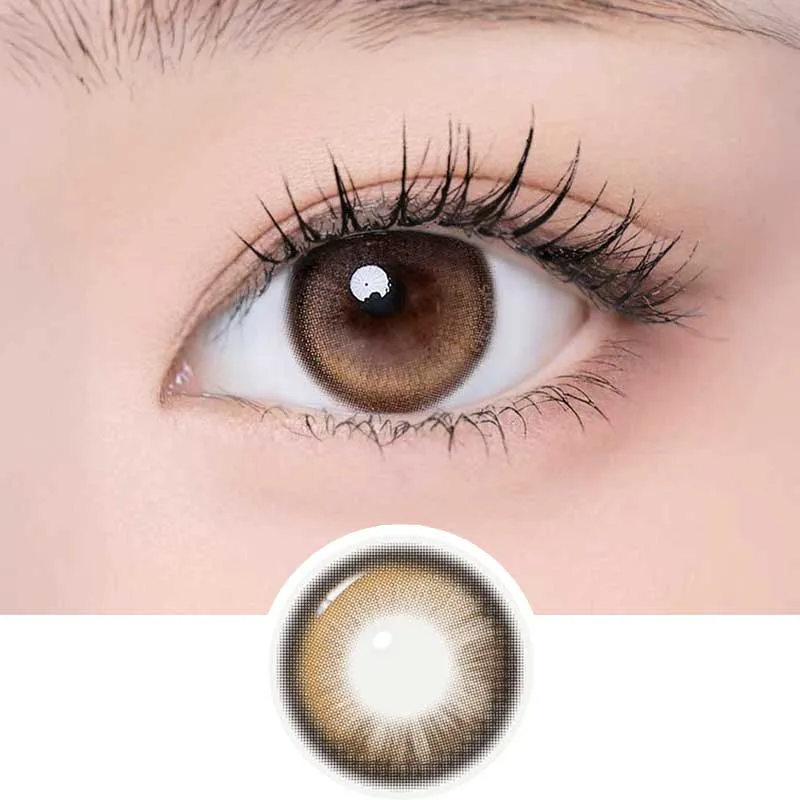
Diameter (DIA) is the full width of the lens, usually 13.8 to 14.5 mm for soft lenses. For colored contacts, diameter affects how much of the colored ring is visible around your natural iris. A larger diameter can create a bigger, more dramatic eye look, but it can also cover more of the white of your eye and feel less comfortable if your eye opening is small. If you want a subtle change, stay close to the diameter you already wear. If you want a noticeable color ring, a slightly larger diameter may work, but check comfort first.
How to Read Base Curve and Diameter on Your Prescription
Your contact lens prescription includes power, base curve, and diameter. The base curve is often written as BC, and diameter as DIA. For example, a prescription might read -2.50, 8.6, 14.2. That means power -2.50, base curve 8.6 mm, and diameter 14.2 mm. If your prescription does not list BC or DIA, ask your eye care provider for a complete contact lens prescription before ordering. Do not use the numbers from your glasses prescription; they are not the same.
Can You Wear a Different Base Curve Than Your Prescription?
No. The base curve is a medical measurement of your cornea, and wearing the wrong curve can cause discomfort, redness, or corneal problems. If you want to try a colored lens that only comes in one base curve, check with your eye care provider first. They can tell you whether that curve is safe for your eye. Some brands offer only one base curve, so your options may be limited. Never guess or round the number.
How to Choose Diameter for Your Eye Size
There is no universal diameter that fits everyone. A lens that looks natural on one person can look oversized on another. As a general guide, if you have smaller eyes or want a subtle look, choose a diameter close to 14.0 mm. For a more dramatic effect, 14.2 to 14.5 mm can work, but pay attention to how much white space remains visible. If the lens covers too much of your sclera, it can look unnatural. Also consider the graphic diameter, which is the colored portion, not the full lens. Some brands list both. If only the total diameter is listed, the color ring may be smaller or larger than expected.
What to Do If Your Current Lenses Feel Wrong
If your lenses feel tight, dry, or slide around, stop wearing them and check your prescription. A wrong base curve is a common cause of discomfort. If the base curve matches but the lens still rotates, the issue may be diameter or lens design. For toric lenses, rotation is a common problem, and your eye care provider may need to adjust the axis or try a different brand. Never fix a fit problem by cutting wear time or using rewetting drops constantly; those are temporary workarounds, not solutions.
Quick Fit Checkpoints
Base curve
Match the BC number on your prescription exactly. Do not round or guess. If your current lenses feel tight or slide, ask your eye care provider to verify your BC.
Diameter
Choose a diameter close to what you already wear for a natural look. Go larger only if you want a more dramatic color ring and comfort stays good. If the lens covers too much white, size down.
Toric lenses
Toric lenses need a stable base curve to keep the axis from rotating. If your vision blurs or shifts, the fit may be wrong. Do not adjust axis or cylinder yourself; see your eye care provider.
Product Facts That Show Fit in Practice
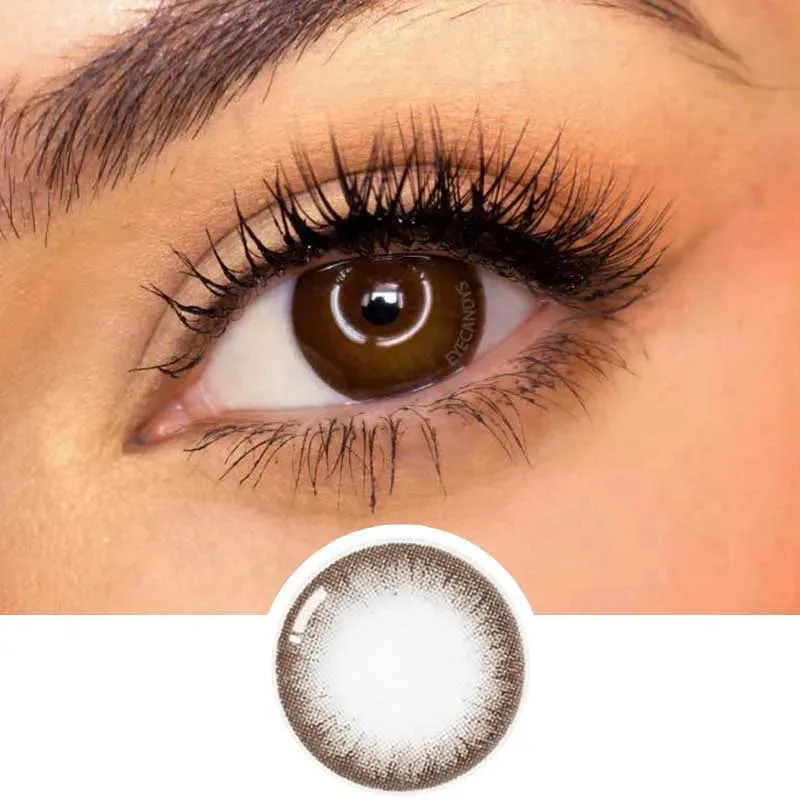
- Clalen Iris Alicia Brown (Toric for Astigmatism) (30pk): Clalen Iris Alicia Brown (Toric for Astigmatism) (30pk) is a daily circle lens with 55% water content methafilcon and is available in Power, Cyl, and Axis options. Toric lenses need a stable fit to keep the axis correct. If your base curve is off, the lens may rotate and blur your vision, so this lens is best for someone whose prescription matches its available parameters.
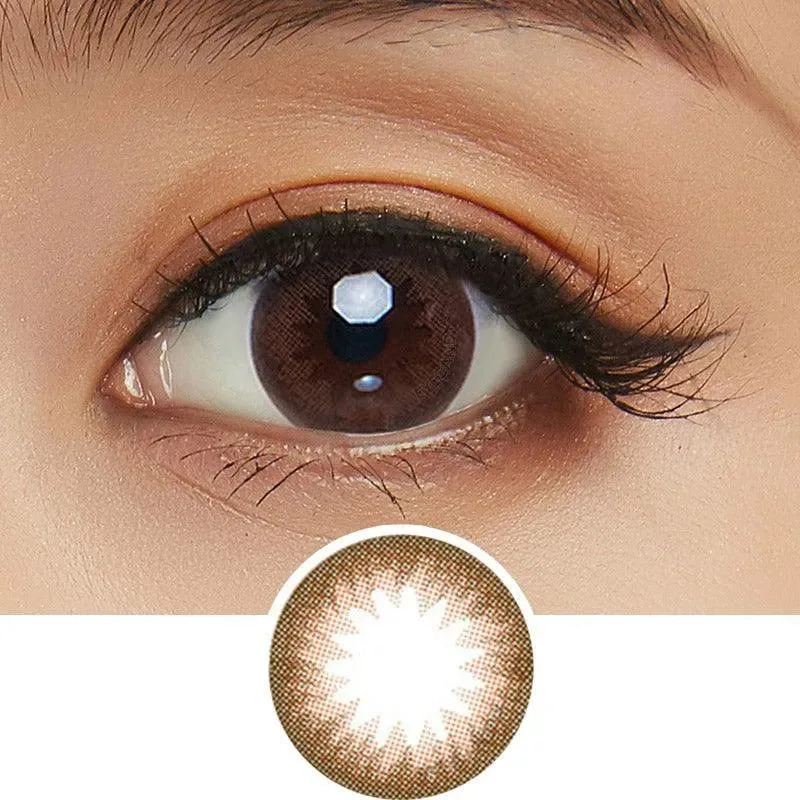
- Pink Label Pointe Choco (Custom Toric for Astigmatism): Pink Label Pointe Choco (Custom Toric for Astigmatism) is a deep chocolate shade designed for everyday use and comes in a 1 pair (2 toric lenses) box. Custom toric lenses are made to order for your exact prescription, including base curve and axis. That means you cannot simply pick a different base curve from stock; you need a current prescription.
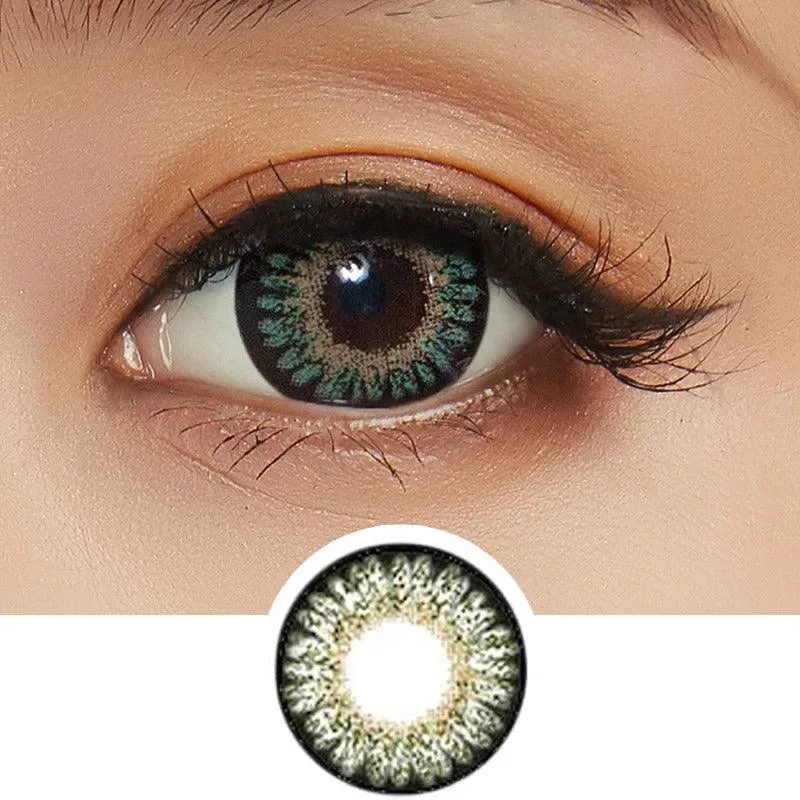
- Pink Label Bambi Green: Pink Label Bambi Green is a 1 pair (2 lenses) colored contact with 4 different tones and is available in Power. This lens is not toric, so it does not correct astigmatism. It also does not list base curve or diameter in the supplied catalog facts, so check the product page or your prescription before ordering if fit is a concern.