Quick answer
Choose probiotics if your main goal is digestive balance and everyday gut health, since they add live beneficial bacteria directly to your routine. Choose colostrum if you want a non-living, bovine-derived supplement that supports immune and gut lining function without refrigeration. If you are unsure, start with one for 4–6 weeks, track digestion, energy, and how often you get sick, then adjust. Some people use both, but that is a personal decision best discussed with your healthcare provider.
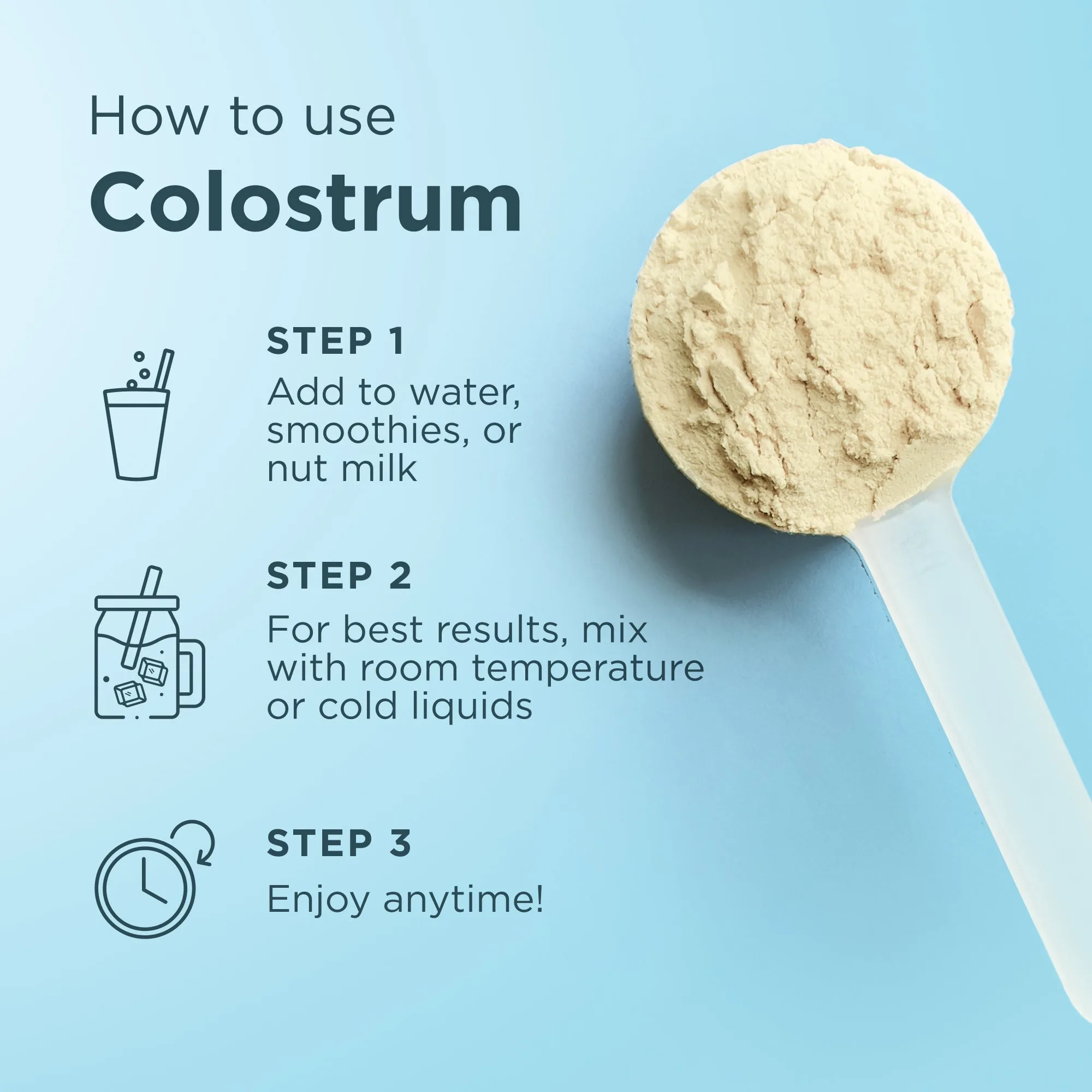
colostrum
How colostrum and probiotics work differently
Colostrum is the first milk produced by mammals after birth. Bovine colostrum supplements are typically dried into powder or capsules and contain antibodies, growth factors, and immune-supporting compounds. They do not contain live bacteria, so they do not need refrigeration and are not affected by antibiotics the way probiotics can be.
Probiotics are live microorganisms, usually specific strains of bacteria or yeast. They are measured in CFUs (colony-forming units) and work by adding to or supporting the existing bacteria in your gut. Because they are living, probiotic products often have storage instructions and may lose potency over time if not handled properly. For a closer look at how live strains compare with other gut-health options, see our article on SBO probiotics vs. traditional probiotics.
What the research and label claims actually tell you
Colostrum has been studied for immune support, gut lining integrity, and occasional diarrhea, but results vary by product, dose, and population. Probiotics have a larger body of research, yet benefits are strain-specific: a strain that helps with occasional bloating may do nothing for immune support, and vice versa.
That means the label matters more than the category. For probiotics, look for the full strain name (genus, species, and strain code) and a CFU count that matches what was studied. For colostrum, look for a stated source, processing method, and whether it is standardized. If a product does not list these details, you cannot compare it meaningfully to another option.
Practical trade-offs: cost, convenience, and daily use
Probiotics usually need to be taken consistently, sometimes on an empty stomach, and many require refrigeration or cool storage. They can be more expensive per serving than basic colostrum powders, and the effects may fade within days if you stop taking them.
Colostrum is often more shelf-stable and easier to travel with. It can be mixed into cold foods or drinks, but some people dislike the taste or texture of bovine colostrum powder. Capsules solve that but often require more pills per serving. Neither option replaces a varied diet, sleep, or medical care.
If you already take a multi-ingredient supplement, check for overlap. Ancient Nutrition's Multi Collagen, for example, is a capsule-format collagen product, not a probiotic or colostrum supplement, so it does not replace either one. It can sit alongside a gut or immune routine if your goal includes daily collagen support.
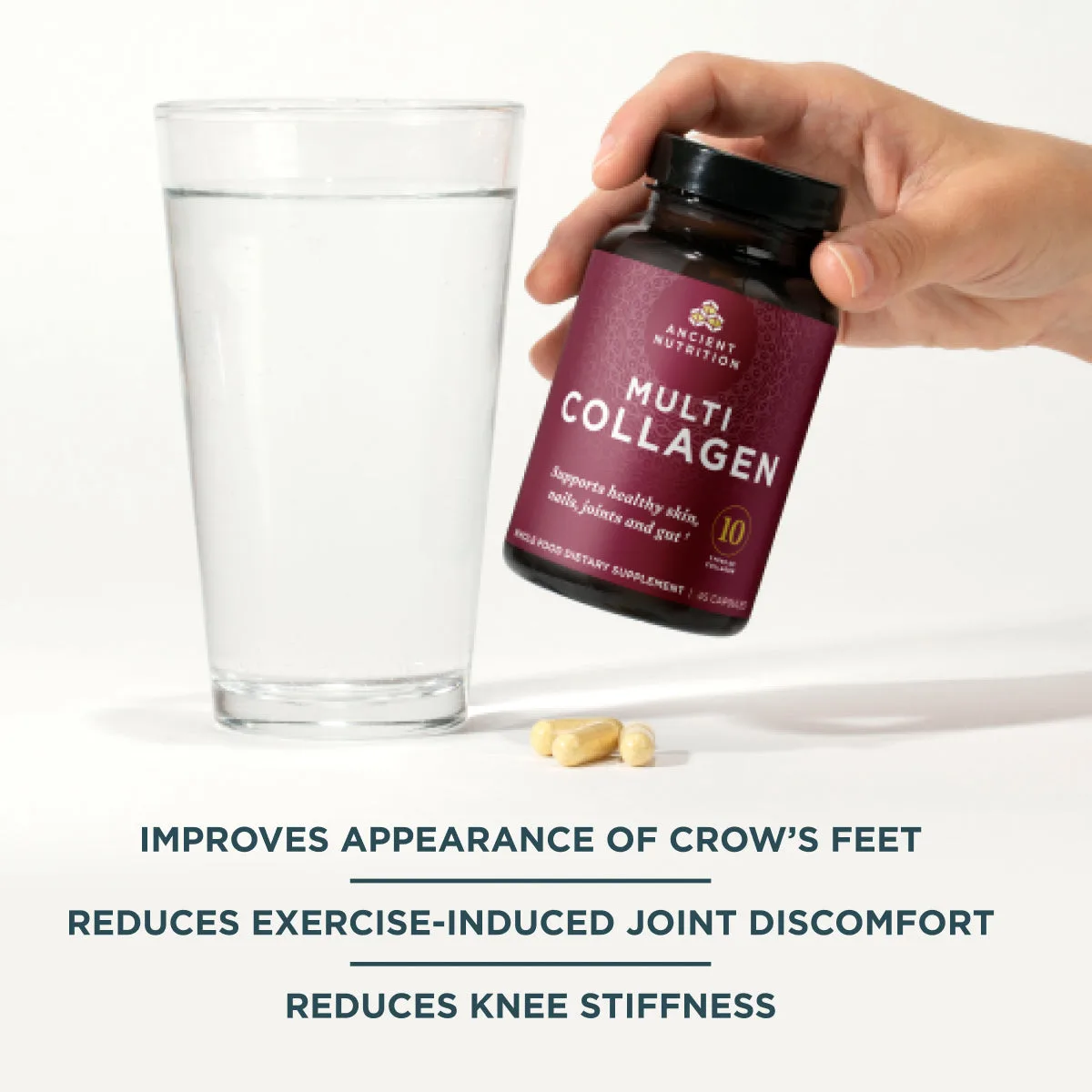
Multi Collagen
How to choose if you want both immune and gut support
Start with the symptom or goal that bothers you most. If irregular digestion, occasional bloating, or antibiotic recovery is the main issue, probiotics are the more direct fit. If you want general immune support and gut lining support without live cultures, colostrum is the simpler starting point.
If you want both, you can combine them, but stagger the timing by a few hours and introduce one at a time so you can tell what is helping. Give each option at least four weeks before judging it, and stop if you notice adverse effects. People who are pregnant, nursing, immunocompromised, or managing a health condition should talk to a healthcare provider before starting either.
Trade-offs at a glance
- Living vs. non-living: Probiotics contain live microorganisms that must be stored and handled carefully; colostrum is a non-living, shelf-stable ingredient. Choose probiotics if you want live cultures; choose colostrum if you prefer a shelf-stable option.
- Research depth: Probiotics have more strain-specific studies, but benefits vary by strain; colostrum has a smaller but growing body of research. Match the specific strain or colostrum source to your goal, not just the category.
- Daily routine fit: Probiotics may need refrigeration and consistent timing; colostrum powders can be mixed cold and capsules travel easily. Pick the format you will actually take every day.
- Cost and commitment: Both require consistent use for weeks before you can judge results, and probiotic costs can add up quickly. Set a 4–6 week trial and track digestion, energy, and immune symptoms.
Product facts to compare
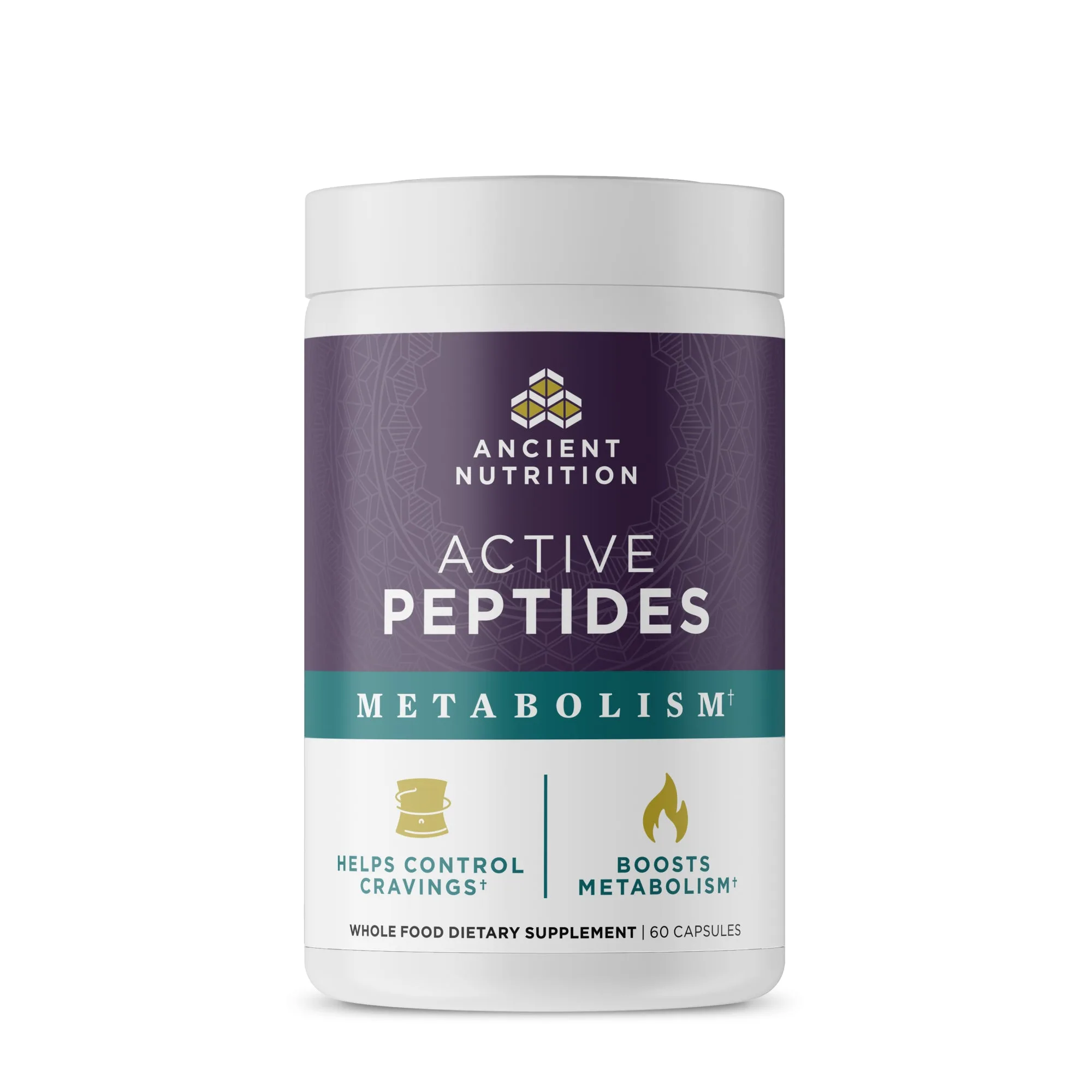
- Active Peptides Metabolism - Ancient Nutrition: Stimulant-free supplement powered by bioactive peptides and plant-based extracts, formulated to help regulate hunger hormones and reduce cravings. Useful if appetite regulation is part of your wellness goal, but it is not a probiotic or colostrum product, so it does not replace either for immune or gut support.
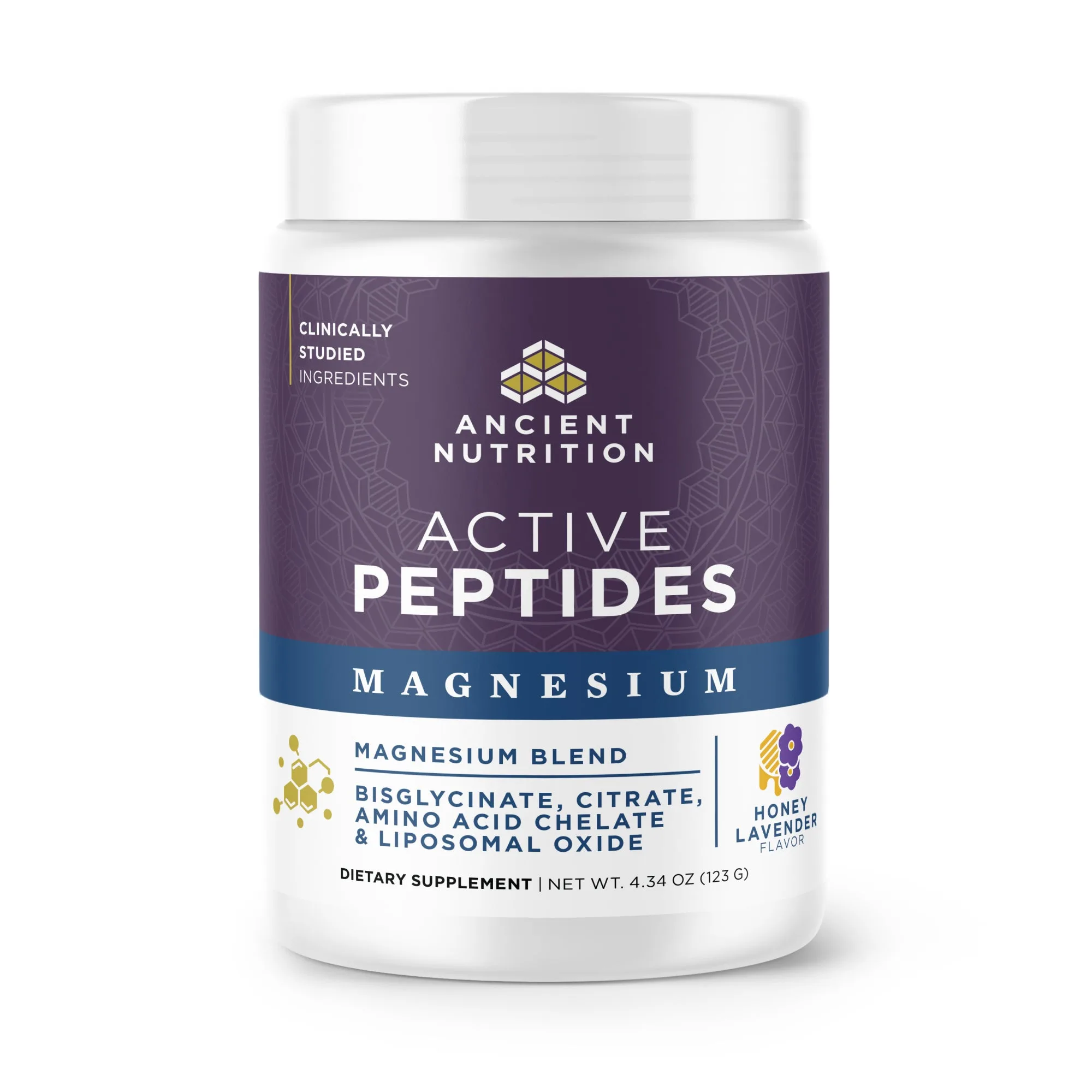
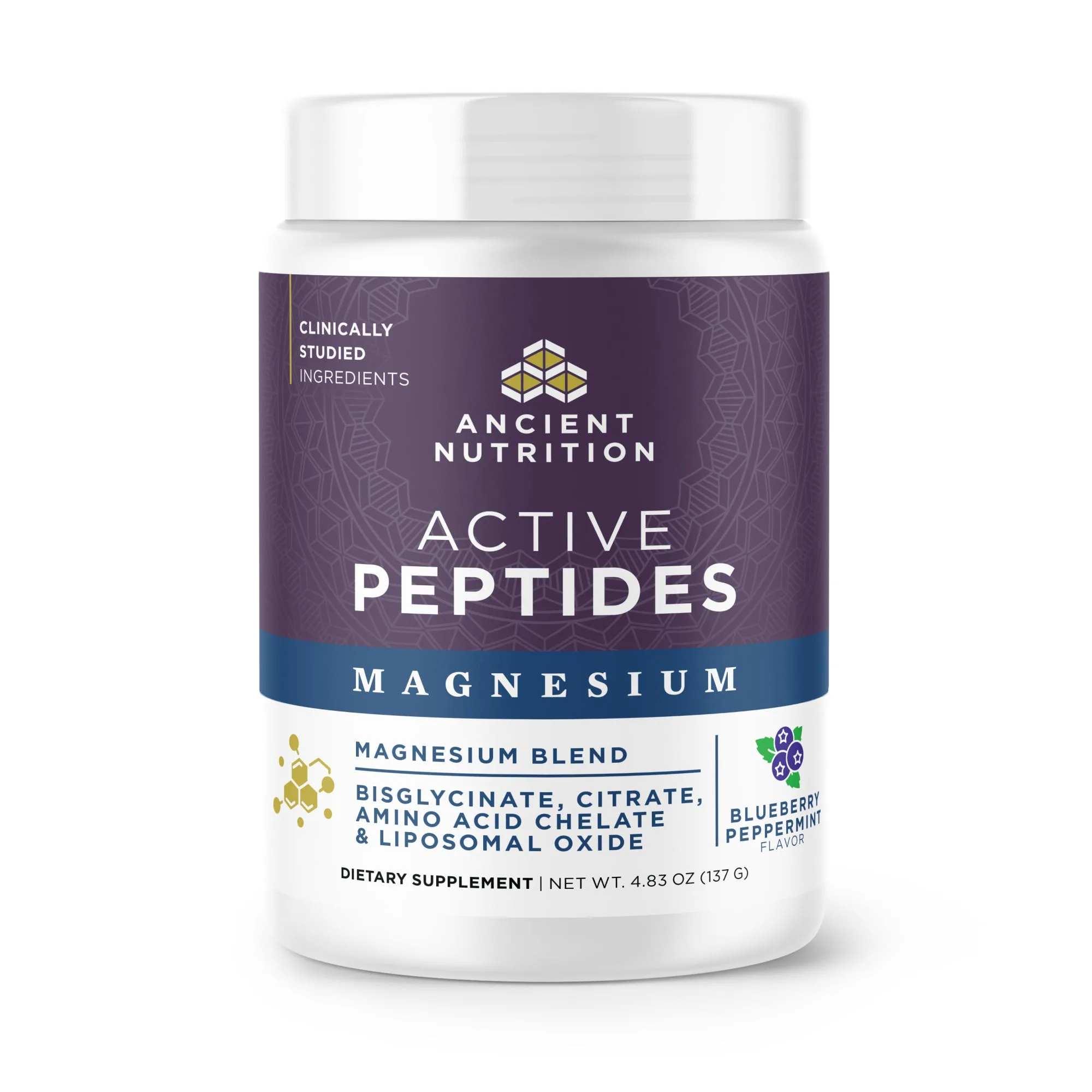
- Active Peptides Magnesium Complex image: Combines magnesium with an active peptides complex in a dietary supplement format. A magnesium-focused option for daily wellness; it supports general nutrition but is not a direct substitute for colostrum or probiotics.
- Active Peptides Magnesium Complex - Ancient Nutrition: Contains four forms of bioavailable magnesium and a clinically-backed adaptogen, positioned for stress, sleep, and energy support. Relevant if stress or sleep is your main concern rather than immune or digestive support; it can complement but not replace colostrum or probiotics.
- Multi Collagen image: Multi Collagen is a capsule-format collagen supplement from Ancient Nutrition. A daily collagen option that fits a broader wellness routine but does not provide live probiotics or colostrum compounds.
Which one fits you?
Best for
- People whose main concern is digestive balance, occasional bloating, or recovery after antibiotics
- Those who want a live-culture supplement and are willing to follow storage and timing instructions
- Anyone who has already seen benefit from a specific probiotic strain
Not for
- People who want a shelf-stable, non-living supplement they can travel with easily
- Those who are immunocompromised or critically ill and have not consulted a healthcare provider
- Anyone looking for a single product to replace a varied diet, sleep, and medical care