Quick Answer
To combine multiple mini-expansions effectively, start by reading each expansion's rules, then test them individually before mixing, and always consider how they interact to maintain game balance. The goal is to add depth without creating confusion or slowing down the game.
Mini-expansions are a fantastic way to inject fresh life into your favorite board games without committing to a full expansion's complexity. However, when you own several, the temptation to throw them all into one game can lead to chaos. The key is thoughtful integration, ensuring that each expansion's mechanics complement rather than clash.
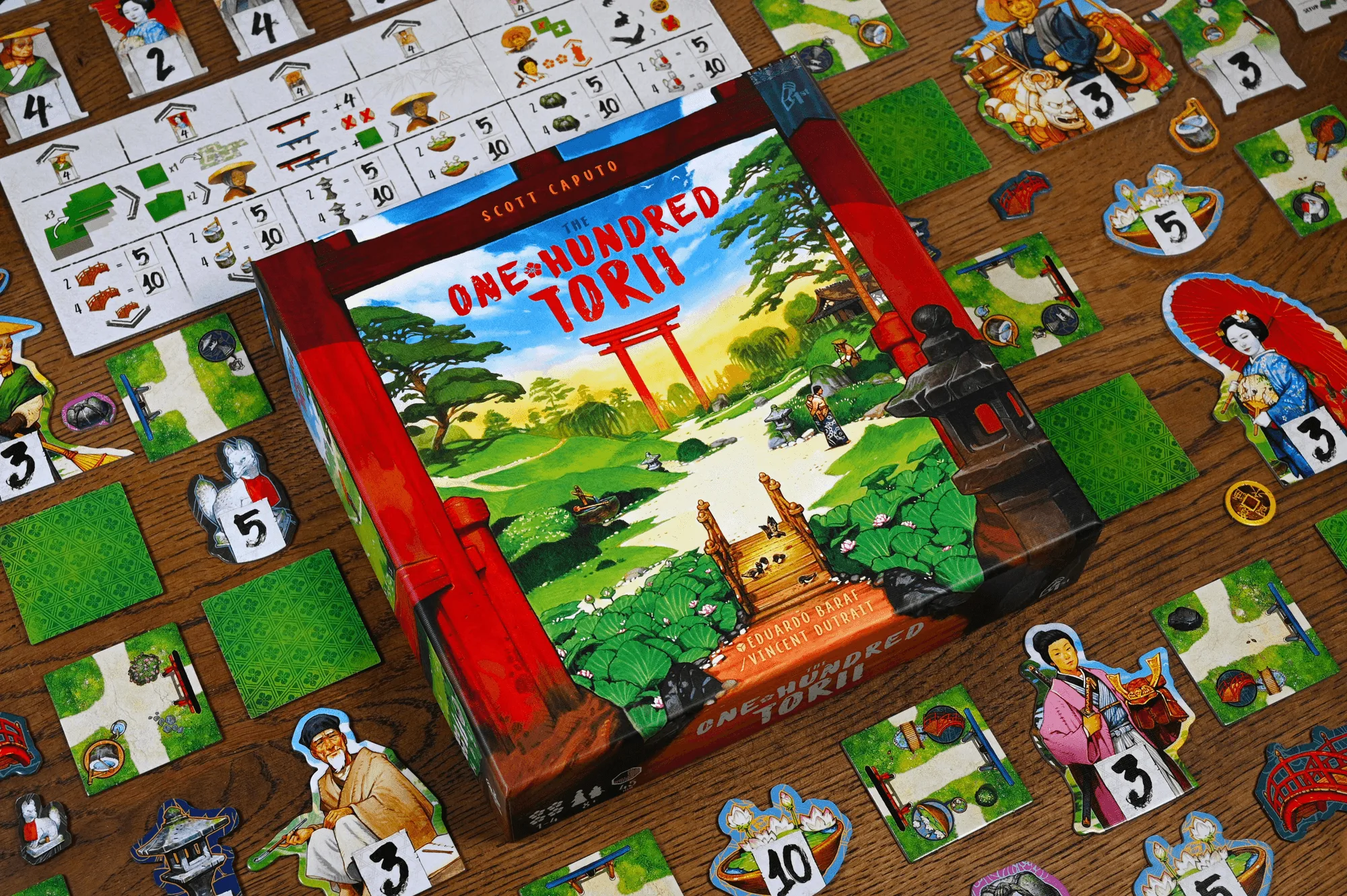
Whether you're dealing with expansions for The One Hundred Torii, Sunset Over Water, or any other game, the principles of mixing remain the same. This guide will walk you through a step-by-step process to combine mini-expansions successfully, enhancing your game nights with new strategies and replayability.

Sunset Over Water
Understanding Your Mini-Expansions
Before you mix anything, take time to understand what each mini-expansion adds. Some, like The One Hundred Torii: Toku Mini-Expansion, introduce bonus reward cards that trigger when certain tokens are earned. Others, like the Koi Mini-Expansion, give each player a set of action cards for special abilities. Knowing the core mechanics helps you predict potential synergies or conflicts.
For example, the Toku expansion rewards early achievement of large tokens, while the Koi expansion offers ongoing action flexibility. Combining them could create a game where players must balance between rushing for bonuses and using special actions strategically. This understanding forms the foundation for effective mixing.
- Read each expansion's rulebook thoroughly before combining.
- Note the player count and game duration adjustments each expansion might require.
Test Each Expansion Individually
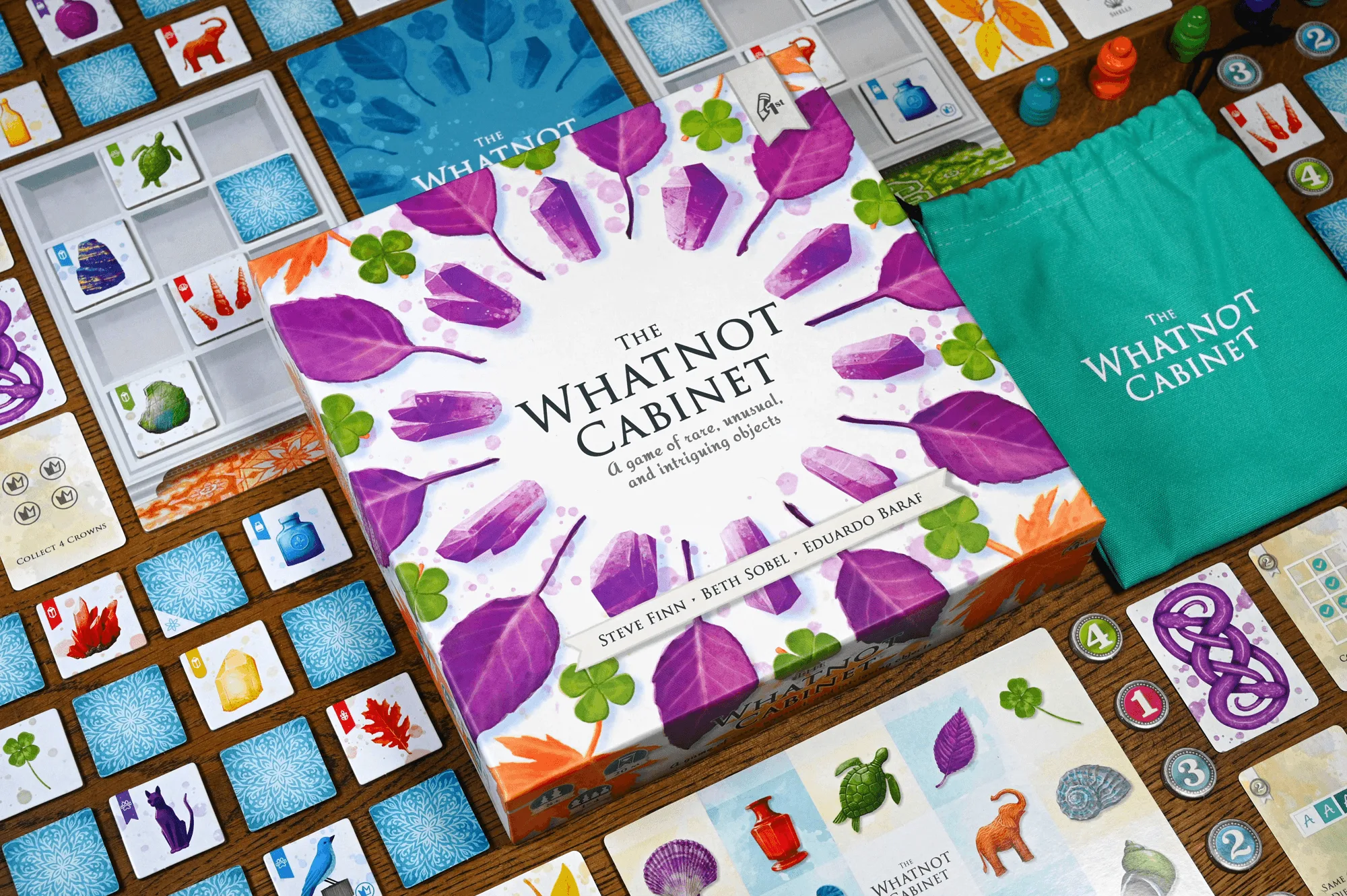
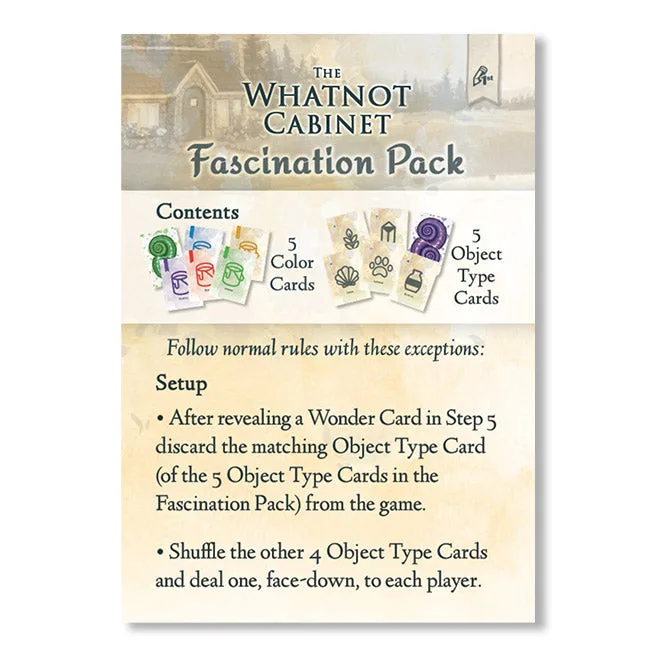
If you haven't played with a particular mini-expansion yet, do so on its own first. This gives you a baseline for how it changes the game. For instance, try https://pencilfirstgamesbuz.com/products/the-whatnot-cabinet-fascination-pack-mini-expansion-2ba62a7423fa217c887bd7a8-1021809The Whatnot Cabinet: Fascination Pack Mini-Expansion alone to see how hidden objectives affect scoring. Once you know its impact, you can better judge how it will interact with others.
Testing individually also helps you identify any rules you might have misunderstood. A common mistake is to assume all expansions are compatible without checking for conflicts. By isolating each, you reduce the risk of a disjointed experience when you eventually combine them.
- Keep notes on how each expansion affects game length and complexity.
Identify Synergies and Conflicts
After individual testing, analyze how expansions might work together. Look for mechanics that complement each other. For example, combining an expansion that adds new scoring opportunities (like Fascination Pack) with one that provides extra actions (like Koi) could lead to more strategic depth. Conversely, avoid expansions that duplicate mechanics or create excessive randomness.
Conflicts can also arise from component overlap. If two expansions both require the same tokens or add similar rule changes, they might confuse players. Always check if expansions are designed for the same base game or if they are modular. In some cases, expansions from different games might not mix at all, so stick to those within the same system.
- Create a 'synergy checklist' to evaluate potential combinations.
Start Small and Scale Up
When you're ready to combine, start with just two expansions. This allows you to gauge the complexity without overwhelming players. For instance, pair The One Hundred Torii: Koi Mini-Expansion with the Toku Mini-Expansion for a richer experience, but avoid adding a third until you're comfortable.
Gradually introduce more expansions as you become familiar with their interactions. This incremental approach minimizes confusion and lets you adjust rules on the fly if something feels unbalanced. Remember, the goal is to enhance fun, not to create a convoluted mess.
- Set a rule that you'll only add a new expansion when the current mix feels smooth.
Maintain Game Balance
One of the biggest risks when combining expansions is unbalancing the game. Some expansions might give certain players advantages if not properly integrated. For example, the Koi expansion provides action cards that can be used for extra tokens, which might be overpowered if combined with expansions that already boost token acquisition.
To mitigate this, consider adjusting victory point thresholds or limiting the use of certain cards. Playtest and be willing to modify rules temporarily to ensure fairness. The goal is a challenging but balanced experience for all players.
- If one expansion seems too strong, consider excluding it or tweaking its rules.
Step-by-Step Guide to Combining Mini-Expansions
- Step 1: Inventory Your Expansions: List all the mini-expansions you own for a particular base game. Note their mechanics and components. This helps you see at a glance what might work together. Checkpoint: Ensure you have all components for each expansion before mixing.
- Step 2: Read and Understand Rules: Read the rules for each expansion carefully. Pay attention to any special setup or rule modifications. This will prevent misunderstandings during play. Checkpoint: If any rule is unclear, clarify it before starting the game.
- Step 3: Test Individually: Play a game with each expansion alone to understand its impact. Note how it changes game length, scoring, and player interaction. Checkpoint: If an expansion makes the game too complex alone, reconsider combining it.
- Step 4: Choose Compatible Expansions: Select expansions that have complementary mechanics. For example, combine a scoring expansion with an action expansion for added depth without overlap. Checkpoint: Avoid expansions that duplicate effects or require conflicting rules.
- Step 5: Introduce Gradually: Start with two expansions and play a few games. Add more only if the game remains smooth and enjoyable. Checkpoint: If the game becomes too long or confusing, remove an expansion.
- Step 6: Adjust for Balance: If one expansion seems to dominate, tweak its rules or scoring. Be open to house rules that maintain fairness. Checkpoint: The final mix should feel challenging but fair for all players.
Relevant Mini-Expansions to Consider
- The One Hundred Torii: Toku Mini-Expansion: This expansion adds bonus reward cards placed on top of large token piles. The first player to earn a given Large Landmark token, Geisha bonus token, or Enclosure bonus token also gains the Toku card. Toku cards are worth one journey point if kept until the end of the game or may be spent for a special effect. This expansion rewards early, aggressive play for major tokens, which can create interesting tension when combined with expansions that offer alternative scoring paths.
- The One Hundred Torii: Koi Mini-Expansion: The Koi mini-expansion gives each player a set of action cards at the start of the game. Koi cards are worth one journey point if kept until the end of the game or may be used as special actions for extra tokens, using multiple characters, etc. Players only get one of each action card. Koi adds a layer of strategic choice with limited-use actions, encouraging players to decide between immediate benefits and end-game points. This synergizes well with expansions that introduce new scoring conditions.
- The Whatnot Cabinet: Fascination Pack Mini-Expansion: The Fascination Pack Mini-Expansion is a hidden objective expansion that gives each player additional sets/combinations for victory points. It gives players extra flexibility and creates new scoring opportunities as the game progresses. This expansion is ideal for mixing because it adds a scoring layer without altering core mechanics, making it easier to combine with other expansions that change how players take actions.
Combining mini-expansions can transform a familiar game into a fresh, engaging experience. By following these steps, you'll avoid common pitfalls and create a harmonious mix that your group will love. Start small, communicate with your players, and don't be afraid to adjust. Happy gaming!