Quick answer
To protect comic books, place each one in an acid-free comic bag with an acid-free backing board behind it, then store them upright in a comic storage box away from light, heat, and moisture. Match the bag size to the comic's dimensions, and use a fresh bag and board whenever the old ones show wear.
Why comic bags and boards matter for comic book preservation
Comic bags and boards create a physical barrier that keeps dust, oils, and moisture away from the paper while reducing handling damage. The board adds rigidity so the comic does not bend or curl inside the bag, and it makes the book easier to slide in and out without stressing the spine.
Comic book preservation also depends on what the bag and board are made of. Acid-free, archival-quality materials are the safe choice because they will not off-gas or leach chemicals that yellow pages over time. Avoid bags that feel stiff or smell like plastic—they are a sign of PVC or other unstable plastics that can damage your collection.
Choose the right comic bag size before you buy
Comic bag sizes are not one-size-fits-all. Standard bags fit most modern comics, but thicker anniversary issues, annuals, or books with heavy cardstock covers may need a larger size. If the bag is too tight, you risk bending corners; if it is too loose, the comic can slide around and the board may not stay aligned.
Measure the comic's height and width, then check the bag's stated dimensions. When in doubt, size up rather than down. For a mixed collection, buy a few packs in different sizes so you are not forcing a book into the wrong bag.
How to bag comics: a step-by-step method
Work on a clean, dry surface. Wash and dry your hands, or wear cotton gloves, to avoid transferring oils to the cover. Slide the backing board into the bag first, then insert the comic with the front cover facing the board. The board should sit behind the comic, not in front of it.
Insert the comic so the top edge of the board aligns with the top of the bag. This keeps the comic from sliding down and exposes the board's edge if you need to pull it out. Once inserted, gently press out excess air before folding the bag flap over the board. Do not tape the flap to the comic itself; tape on the bag is fine, but keep it away from the book.
Store comics long term in comic storage boxes
Comic storage boxes should hold comics upright, not stacked flat. Upright storage prevents the weight of the stack from pressing down on the bottom books and causing spine roll. Fill the box snugly so the comics do not lean, but do not cram them so tightly that you cannot remove one without pulling.
Keep boxes off the floor and away from basements, attics, and exterior walls where humidity and temperature swing. A closet in a climate-controlled room is a better choice. If you live in a humid area, add silica gel packets to the box and replace them periodically.
Common mistakes that damage comics
The most common mistake is reusing old bags and boards that have already absorbed dirt, oils, or moisture. If the bag is cloudy, creased, or the board is warped, replace both. Another mistake is storing comics in direct sunlight or near heat vents, which accelerates fading and brittleness.
Avoid over-tightening the bag flap or using rubber bands, which can dent covers. Do not store comics in cardboard boxes that are not designed for archival storage, as they may contain acid. Finally, do not handle comics with bare hands more than necessary—even clean hands leave oils that show up years later.
Your step-by-step comic bagging routine
- Gather supplies and check sizes: Set out acid-free comic bags, acid-free backing boards, and a clean work surface. Confirm the bag size matches your comic's height and width. Checkpoint: if the bag feels tight or the comic slides loosely, switch sizes before you continue.
- Insert the board, then the comic: Slide the backing board into the bag first, then place the comic in front of the board with the front cover facing out. Align the top edges. Checkpoint: the board should be behind the comic, not in front, and the comic should not buckle at the spine.
- Press out air and fold the flap: Gently smooth the bag to remove excess air, then fold the flap over the back of the board. If you tape it, tape only the bag—never the comic. Checkpoint: the flap should lie flat without creasing the cover.
- Store upright in a comic storage box: Place bagged comics upright in a comic storage box, filling it snugly but not tightly. Keep the box in a cool, dry, dark place. Checkpoint: comics should stand on their bottom edges, not lean or stack flat.
- Inspect and replace supplies periodically: Every year or two, check bags and boards for cloudiness, creases, or warping. Replace worn supplies with fresh acid-free ones. Next step: if you notice any moisture or pests, isolate affected comics and replace the box and supplies immediately.
Products that help you bag and protect comics
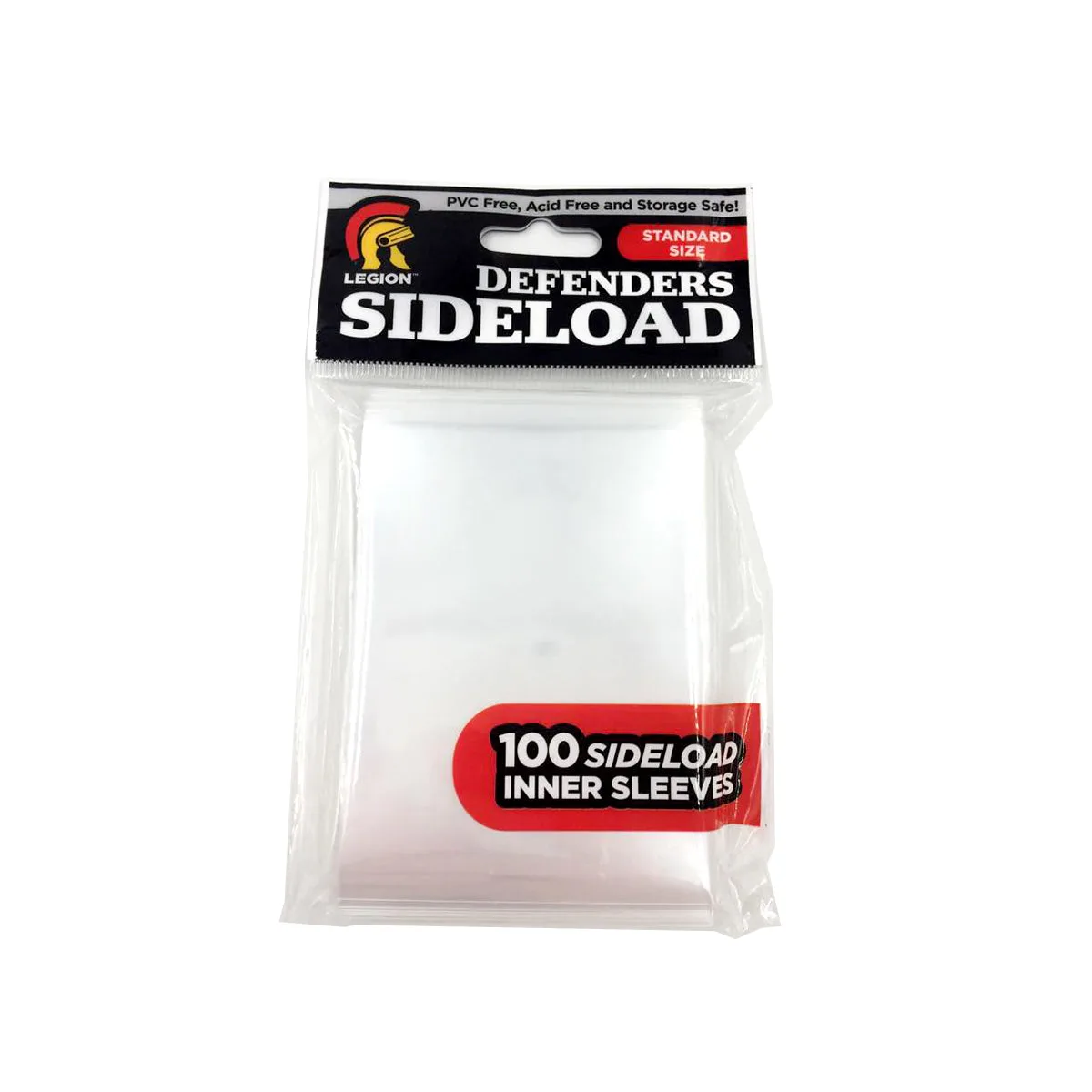
- Clear Sideload Defenders Sleeves: Clear Sideload Defenders Sleeves are a 100-count pack of clear sideload card sleeves designed to fit standard sized cards perfectly, and they are great for double-sleeving. If you also collect trading cards or want an extra inner layer for thin comics, these sideload sleeves offer a snug, clear fit without adding much bulk.
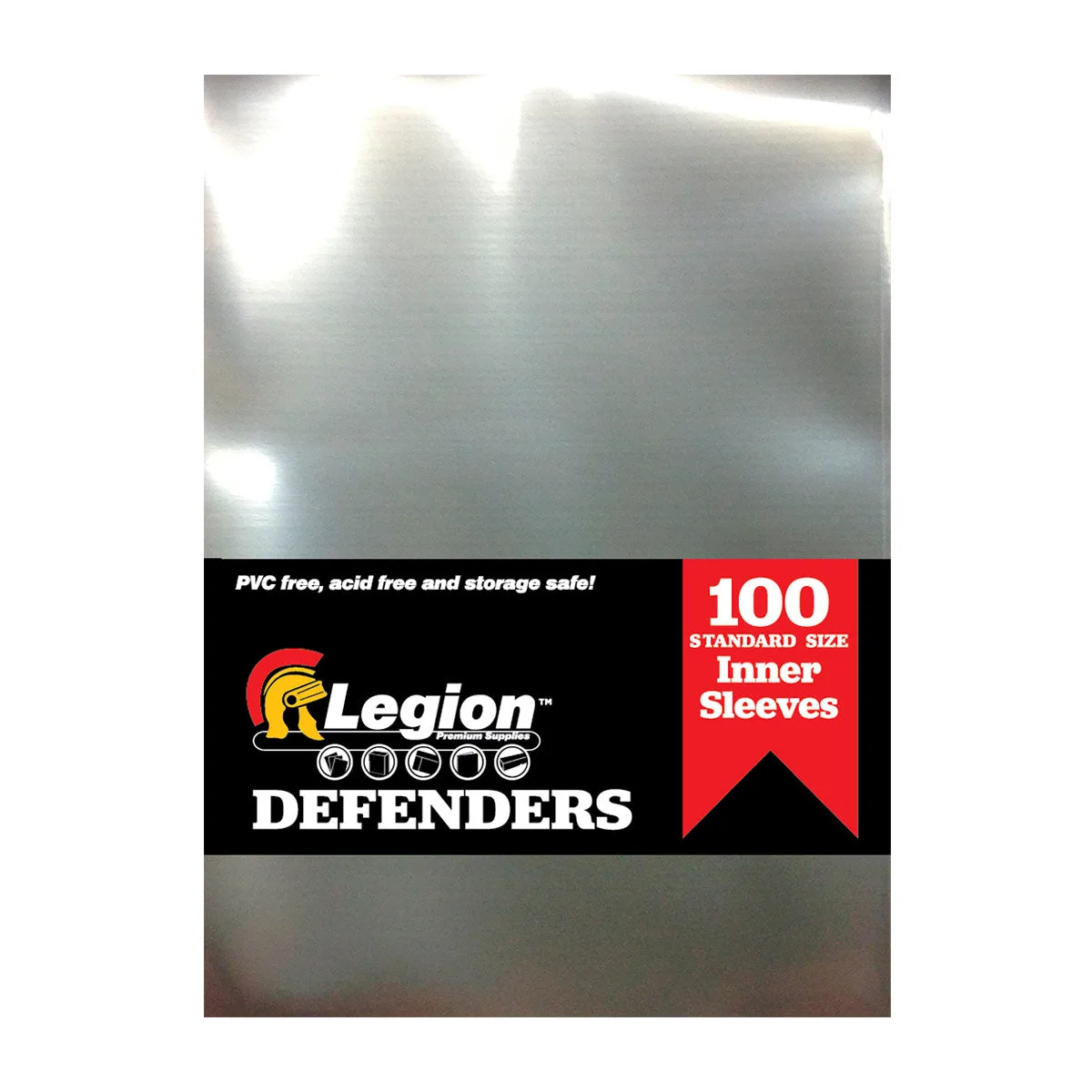
Defenders Sleeves
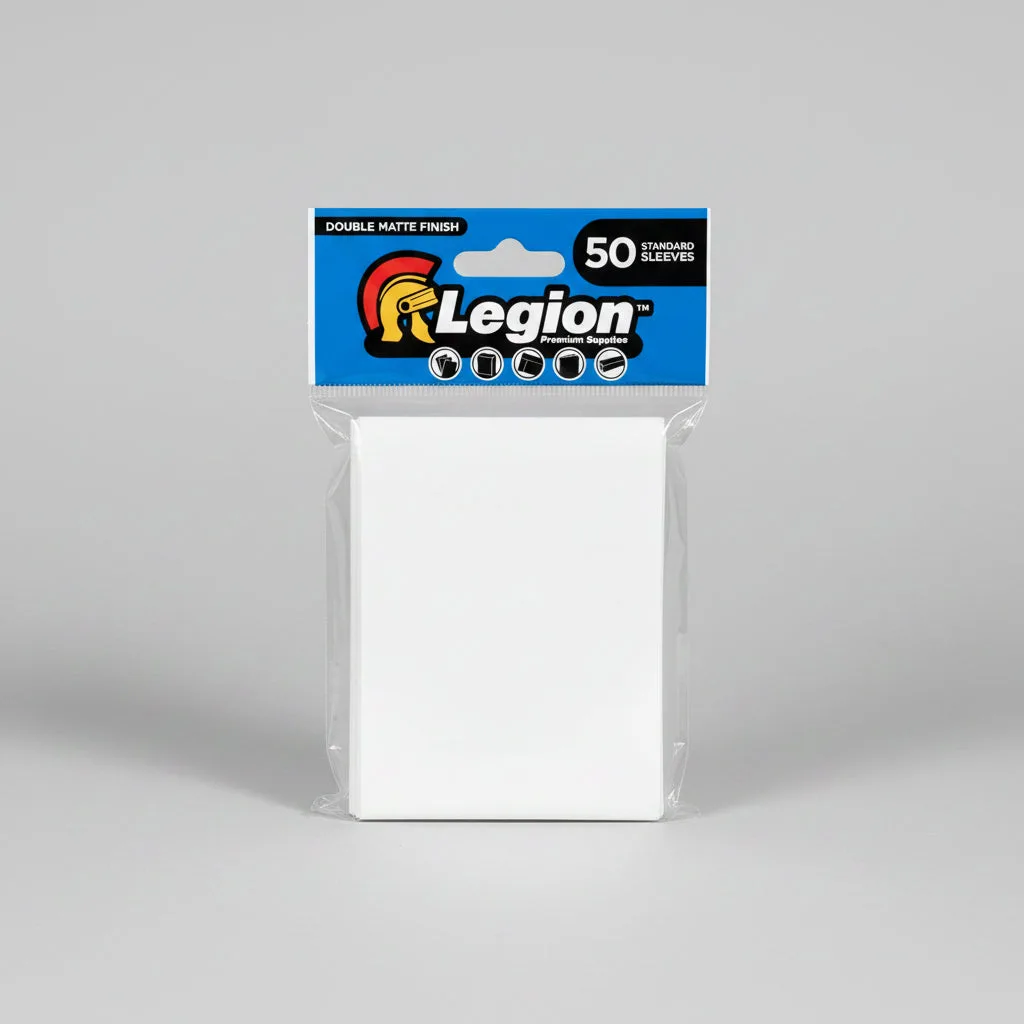
- Super Iconic Gear Sleeve: Super Iconic Gear Sleeve is a 50-count pack of plastic sleeves with a matte finish on both front and back, reducing glare and providing a consistent, non-slip surface for handling. The matte finish cuts glare when you photograph or display comics, and the non-slip surface makes stacks less likely to slide apart during storage.
- Double Matte White Sleeves: Double Matte White Sleeves offer a 50-count pack of plastic sleeves with a matte finish on both front and back, providing a consistent, glare-reducing surface for your cards. These sleeves are a practical choice for protecting smaller comic-related inserts or sketch cards, and the white backing can make colors pop when you organize a box.