Quick answer
Commodity Fragrances offer a more personal, story-driven scent experience at a lower price than most designer perfumes. They focus on single-note clarity and raw ingredients rather than mass-market appeal. If you value uniqueness and transparent pricing over brand prestige, an indie fragrance like Commodity is the better choice.
What Sets Commodity Fragrances Apart from Designer Perfumes
Designer perfumes are typically created by large fashion houses and rely on complex, crowd-pleasing formulas with heavy marketing budgets. Commodity Fragrances, as an indie brand, takes a different approach: each scent is built around a core ingredient or concept, letting the raw character shine. This means you get a more direct, honest fragrance that doesn't try to be everything to everyone.
Price is another clear difference. A 100ml designer fragrance often costs $120–$200, with much of that going to advertising and licensing. Commodity Fragrances prices its full-size bottles around $95–$104, reflecting a leaner business model. You're paying for the juice and the story, not the logo.
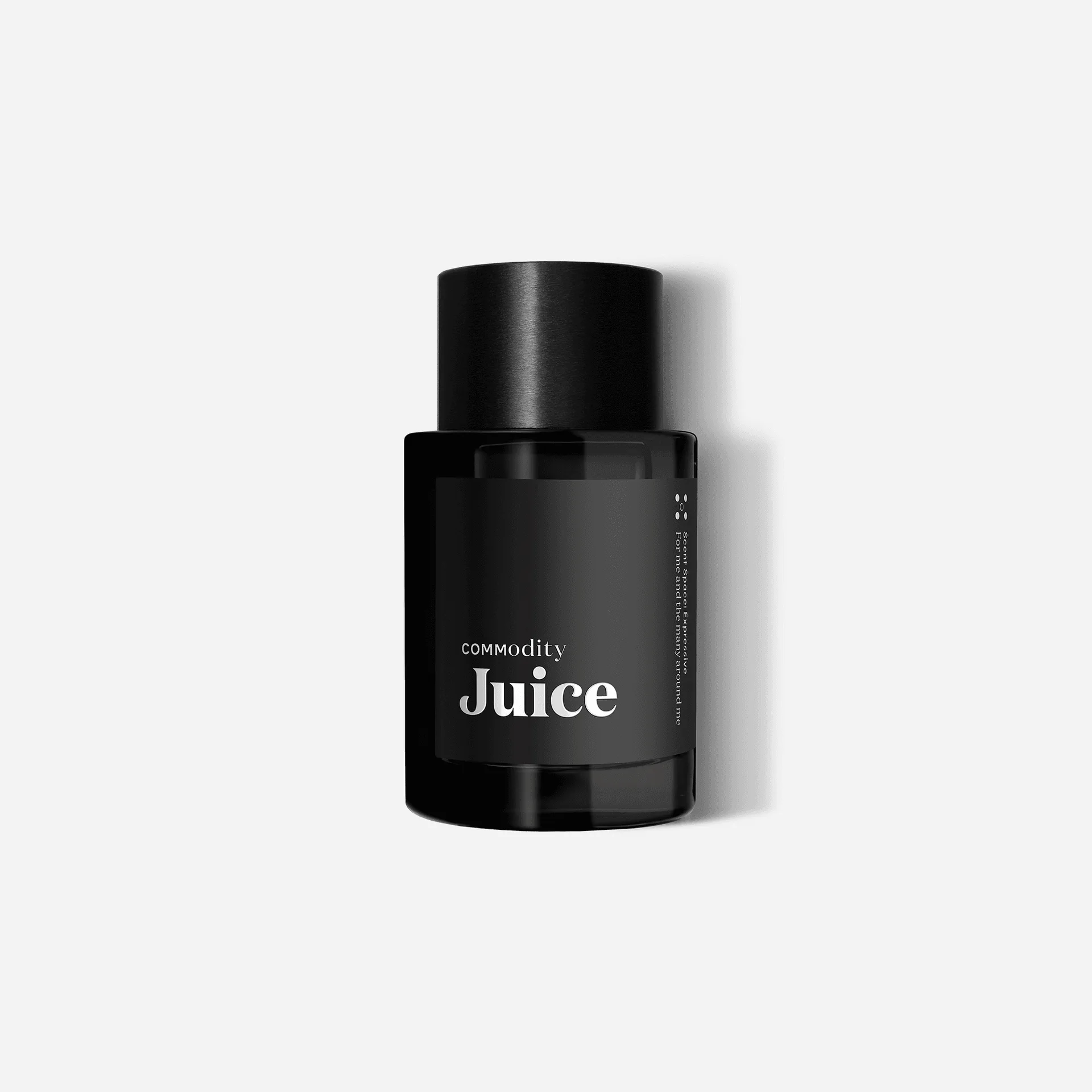
juice
The trade-off is that designer perfumes usually offer more versatility and broader appeal, while Commodity scents are more distinctive and may not suit every occasion. For example, the warm, boozy character of Whiskey (product_id: 257167) is a bold statement, while a fresh floral like Magnolia (product_id: 257164) feels more accessible but still unique.
Comparing Two Commodity Scents: Whiskey vs Magnolia
Whiskey (product_id: 257167) is a woody, spicy, and warm fragrance inspired by American bourbon casks and rare Irish whiskies. It layers mahogany, American oak, and vanilla for a rich, cozy scent that lasts. This is a fragrance for evenings, cooler weather, or anyone who wants to stand out with a gourmand-woody profile.
Magnolia (product_id: 257164) is fresh, green, and floral. It pairs crisp greens with soft magnolia and waterlily, anchored by an alluring musk base. It's lighter, more romantic, and works well for daytime, spring, or summer wear. If you want a floral that isn't heavy or sweet, this is a strong contender.
Both are priced similarly (around $95–$102), but they serve different moods. Whiskey is for confidence and warmth; Magnolia is for freshness and charm. Neither tries to be a safe, all-purpose designer scent, and that's exactly the point of choosing an indie fragrance.
Trade-Offs: Indie Fragrance vs Designer Perfume
- Uniqueness vs Versatility: Commodity scents like Whiskey are distinctive and story-driven. Designer perfumes are blended to appeal to the widest possible audience. Choose Commodity if you want a signature scent; choose designer if you need one fragrance for work, dates, and weekends.
- Price Transparency vs Brand Prestige: Commodity prices ($95–$104) reflect ingredients and artistry, not advertising. Designer prices ($120–$200+) include licensing and marketing costs. Commodity offers better value per milliliter for the actual juice. Designer bottles carry status appeal.
- Single-Note Clarity vs Complex Blends: Commodity fragrances let core notes like magnolia or oak stand out. Designer perfumes often layer dozens of notes for a polished, abstract result. If you enjoy recognizing individual ingredients, go indie. If you prefer a seamless, sophisticated blend, designer may satisfy more.
Fragrance Facts at a Glance
- W*****y: Woody | Spicy | Warm. Inspired by American bourbon casks and rare Irish whiskies. Layers of mahogany, American oak and vanilla create a warm, spicy scent. If you love deep, boozy, and cozy fragrances, this is a bold alternative to designer gourmands. It's less sweet than most vanilla-based designer scents and more complex.
- Magnolia: Fresh | Green | Floral. A carefree duet of crisp greens and soft florals, notably magnolia and waterlily, anchored by an alluring musk base. This is a fresher, greener floral than most designer offerings. It avoids the heavy sweetness of many mainstream florals and feels more natural and airy.
Which Fragrance Style Fits You?
Best for
- Shoppers who value originality and transparent pricing over brand names
- Anyone who wants a fragrance that tells a specific story (e.g., warm whiskey notes or fresh magnolia)
Not for
- Those who need a single, all-purpose fragrance for every occasion and season
- Buyers who prefer the prestige and wide availability of a luxury fashion house label