Quick Answer
Most baby gate installation mistakes come down to incorrect measurements, wrong mounting hardware, or improper placement. To avoid them, measure carefully, choose the right gate for your opening, and always follow the manufacturer's instructions. For a secure fit, consider pressure-mounted gates for doorways and hardware-mounted gates for stairs or large openings.
Installing a baby gate seems straightforward, but small errors can compromise safety. From wobbly pressure mounts to gates that are too wide for the opening, these mistakes are common and easily avoidable with a bit of planning.
This guide walks you through the most frequent installation pitfalls and gives clear, practical steps to correct them. Whether you're gating a doorway, a hallway, or the top of the stairs, you'll learn how to ensure a secure, reliable barrier for your little one.
Measuring Incorrectly
One of the most common mistakes is not measuring the opening accurately. Many parents assume a standard doorway width, but doorways, hallways, and staircases vary. Always measure the width at the top, middle, and bottom, as frames can be uneven.
If your opening is wider than the gate's maximum width, the gate won't fit securely. Conversely, if it's narrower than the minimum, you may need shims or a different gate. Always check the product's specifications before purchasing.
- Use a tape measure and record the width at three points.
- Consider the gate's adjustable range, not just the nominal size.
Choosing the Wrong Mounting Type
Pressure-mounted gates are easy to install and ideal for doorways, but they are not safe for the top of stairs. Hardware-mounted gates, which screw into the wall, are required for stairways and high-traffic areas.
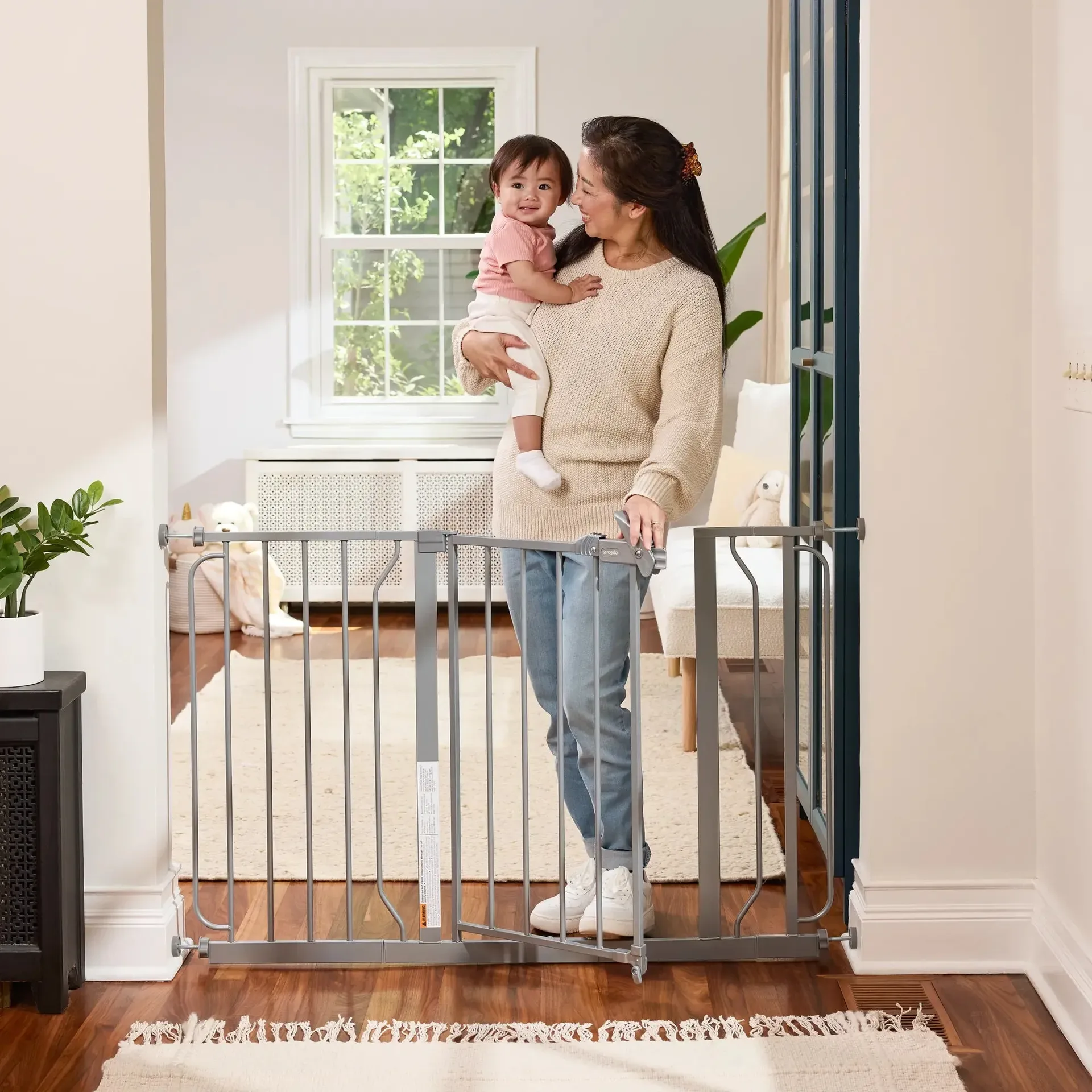
Some gates, like the Regalo Widespan Extra Wide Baby Gate, offer pressure mounting that is simple but not suitable for stairs. Always read the instructions to confirm the intended use.
- Use pressure-mounted gates only in doorways and between rooms.
- For stairs, always use a hardware-mounted gate.
Improper Placement and Clearance
The gate should be installed at a height that prevents climbing, typically at least 30 inches. Also, ensure there is no gap between the gate and the floor or wall that a child could squeeze through.
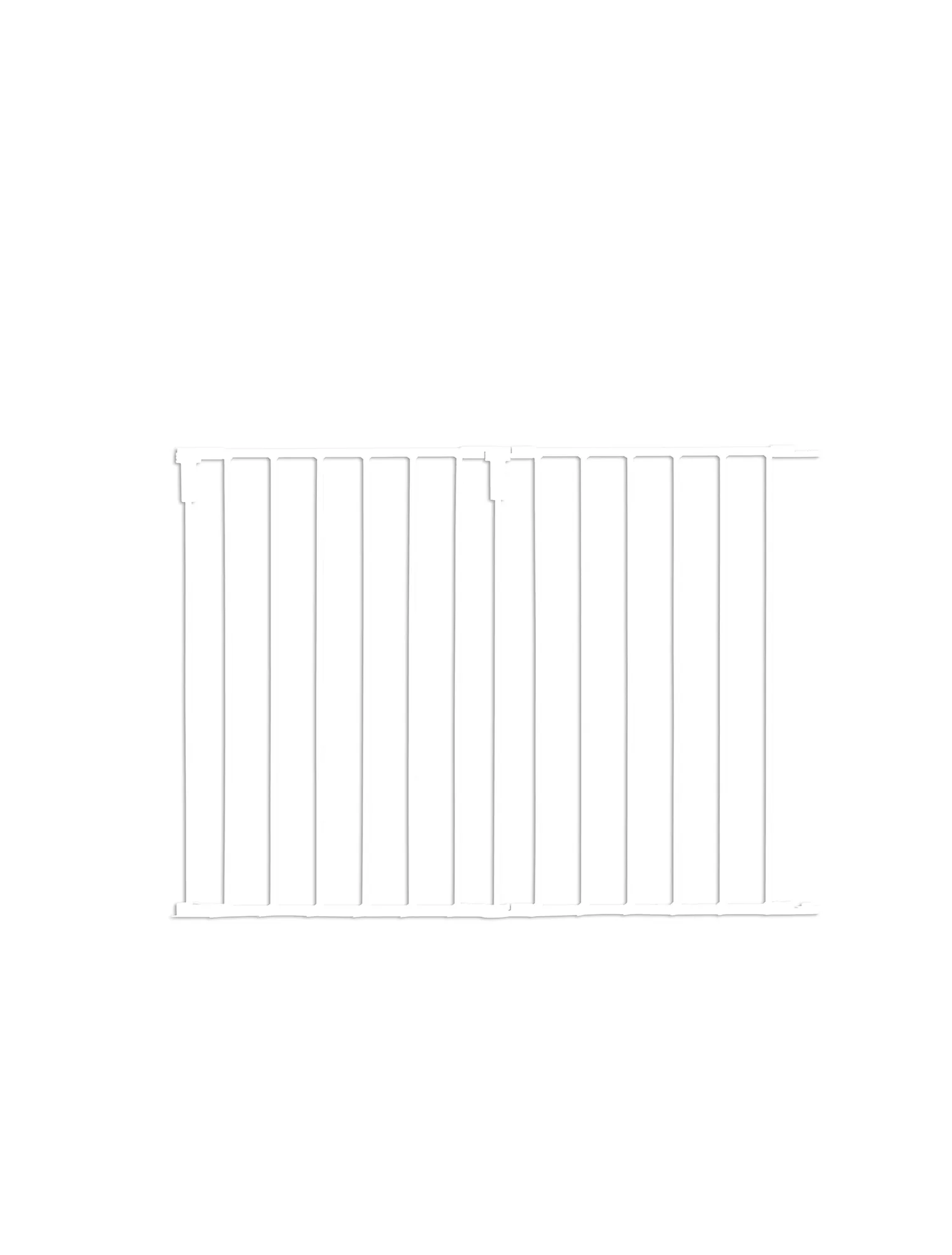
For extra-wide openings, consider a gate that can be expanded or used with extensions. The Regalo Maxi Super Wide Baby Gate can be expanded to fit openings up to 59 inches and is compatible with extensions for wider spaces.
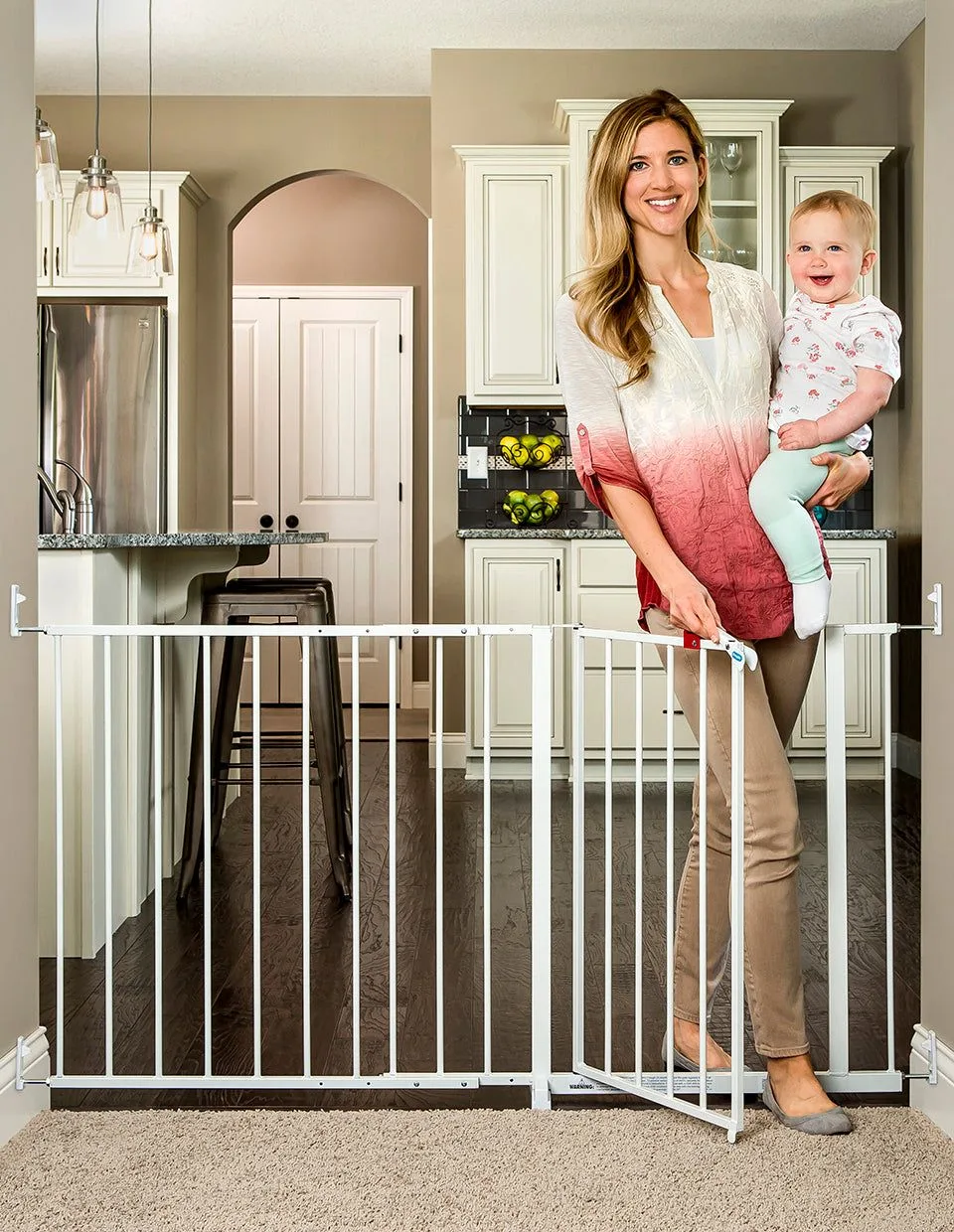
Maxi Super Wide Baby Gate
- Check that the gate is level and flush against the wall.
- For extra-wide openings, use a gate with extension options.
Ignoring Wall Material and Studs
Hardware-mounted gates require secure anchoring into wall studs or solid surfaces. Installing into drywall without a stud can cause the gate to pull out, creating a hazard.
Use a stud finder to locate studs. If you can't anchor into a stud, use appropriate wall anchors rated for the gate's weight. Some gates, like the Regalo Wall Safe Extra Wide Safety Gate, include wall shields to protect your walls.
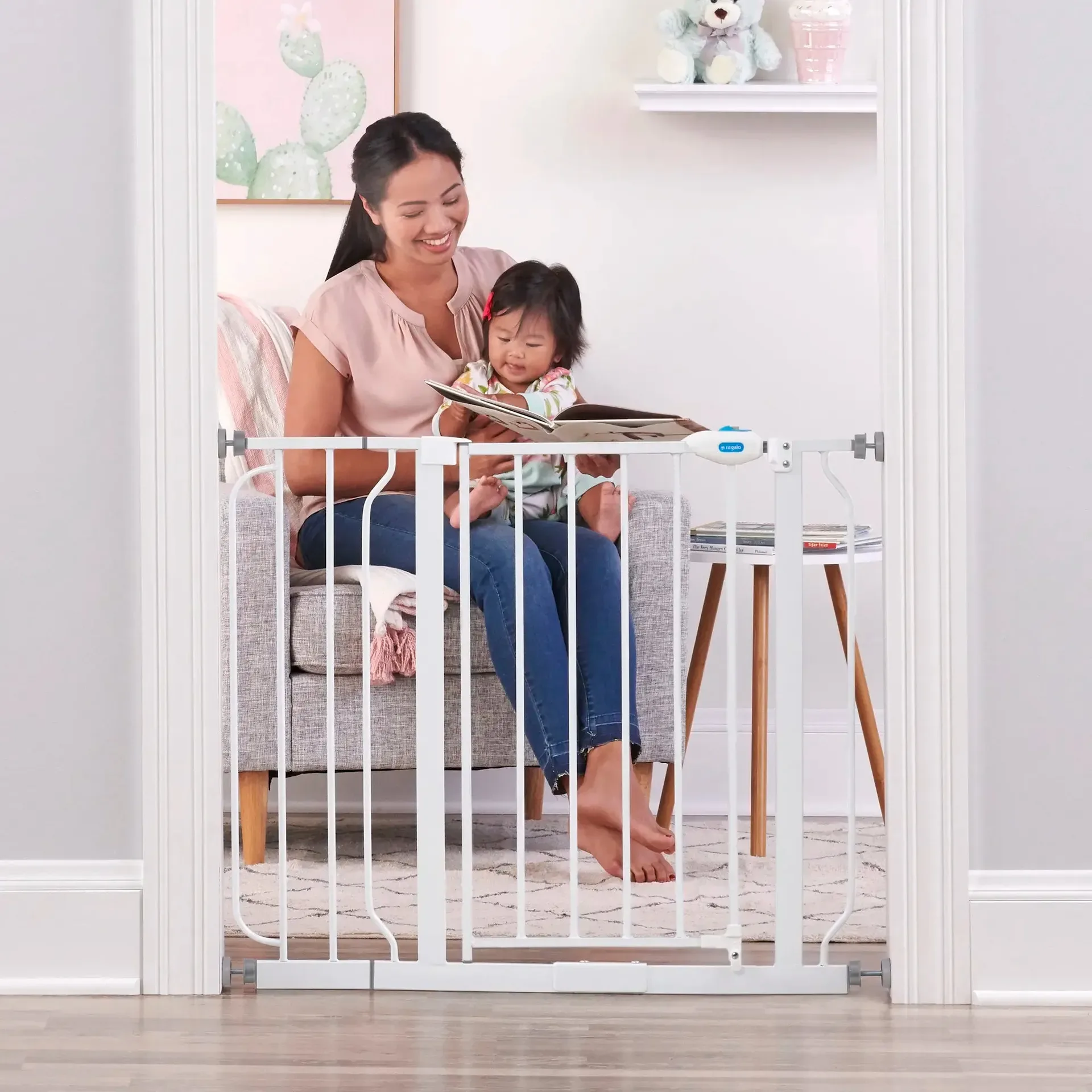
Extra Wide Safety Gate
- Always use a stud finder before installing hardware-mounted gates.
- If no stud is available, use heavy-duty wall anchors.
Diagnosis: Common Problems and Fixes
- Symptom: Gate wobbles or falls over: Likely cause: Pressure mount not tight enough or gate not level. Corrective action: Adjust the tension knobs and ensure the gate is level. If the gate still wobbles, consider a hardware-mounted gate. Stop if the gate is not stable; never use a wobbly gate.
- Symptom: Gate doesn't fit the opening: Likely cause: Incorrect measurement or gate range. Corrective action: Re-measure the opening and check the gate's adjustable range. If too small, use extensions or a wider gate. Stop if the gate is too small; do not force it.
- Symptom: Gate leaves a gap at the bottom: Likely cause: Uneven floor or gate mounted too high. Corrective action: Adjust the gate's height or use a bottom extension. Some gates allow height adjustment. Stop if the gap is large enough for a child to squeeze through.
- Symptom: Screws pull out of the wall: Likely cause: Anchors not rated for the gate or no stud used. Corrective action: Use a stud finder and install into a stud. If not possible, use heavy-duty anchors. Stop if the hardware is loose; re-anchor securely.
Product Facts to Consider
- Widespan® Extra Wide Baby Gate: The pressure mount design makes installation a breeze. This gate is easy to install without tools, but remember it's not for stairways.
- Maxi Super Wide Baby Gate: The gate can be expanded to fit wide spaces and is compatible with extensions to accommodate even wider openings up to 13 feet. Ideal for extra-wide openings where a standard gate won't fit.
- Wall Safe® Extra Wide Safety Gate: The Wall Shields™ are designed to protect your walls. Prevents damage to walls from the gate's hardware, keeping your home looking good.
Proper installation is key to keeping your baby safe. By avoiding these common mistakes, you can ensure your gate works as intended. Always follow the manufacturer's instructions and when in doubt, consult a professional.